Covington started life as Fort Rowdy — the name a garrison joke from Wayne’s army days that the village still celebrates every Labor Day at the Fort Rowdy Gathering — and settled into being the Stillwater’s steadiest town: about 2,500 people where routes 36 and 48 cross, a brick downtown with its post office and storefronts holding the corner, the Buccaneers filling the school bleachers, and the river running its wooded, unhurried mile just east of the grid. It is a working village in working farm country, and it gets the same complete coverage as the county’s cities: ants, mice and rats, wasps and hornets, termites, mosquitoes, spiders, roaches and bed bugs from Greater Dayton Pest & Rodent, on the same scheduled northwest loops that serve Piqua and West Milton. (937) 569-3330, or book online.
If you typed exterminator Covington into a search bar to get here, nothing is lost in translation: that is the service on this page.
Fort Rowdy’s grid: the village pest map
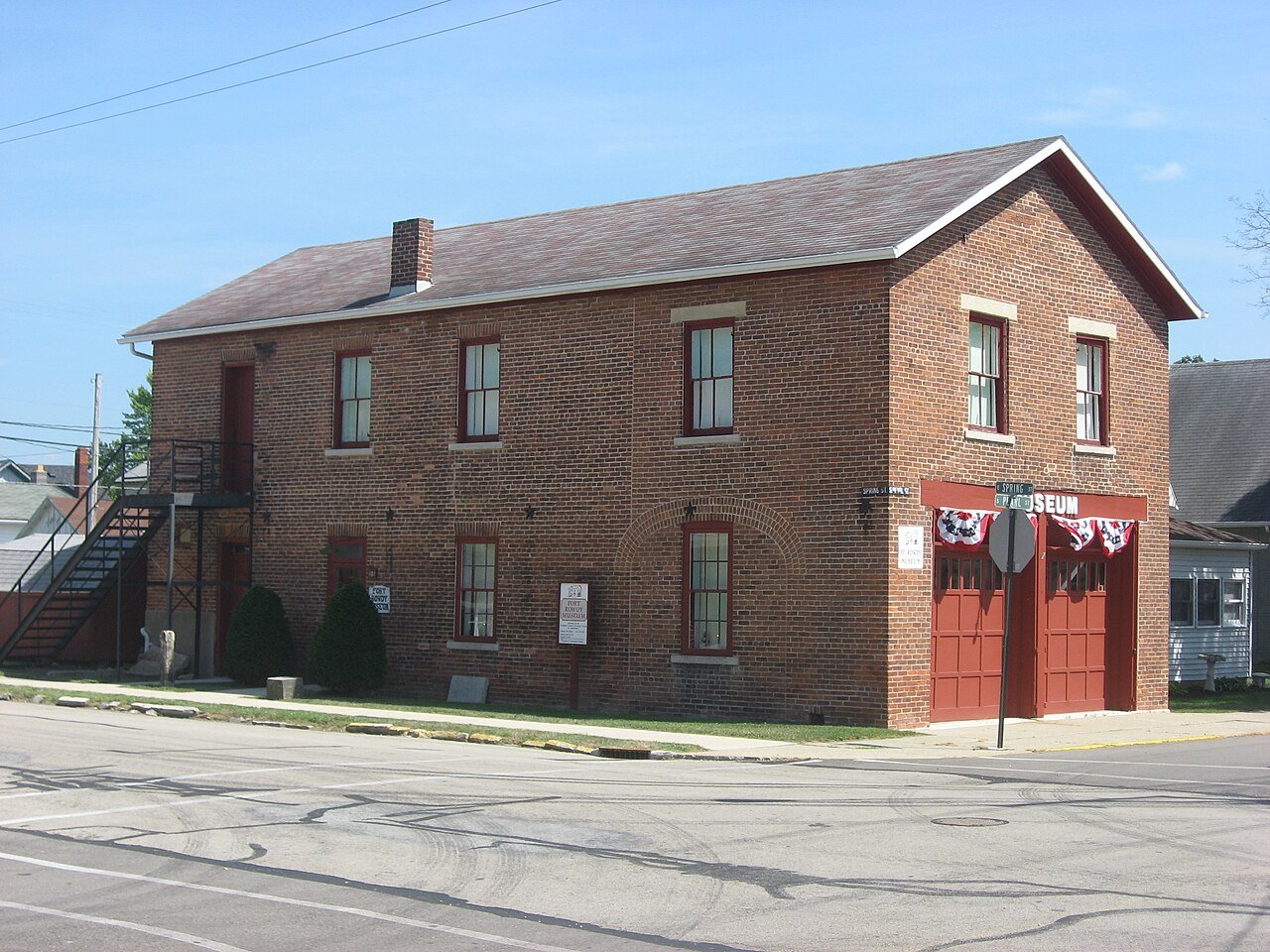
Covington runs the classic grid-village profile our Miami County page describes — compact streets of era-layered housing surrounded on all sides by grain — and the concentrated-pressure paradox applies in full: when the combines run in September, the fields’ entire rodent population files for winter housing against a few hundred village foundations, which makes fall exclusion the single most valuable appointment on the Covington calendar. The housing catalog reads like the county’s: 1830s–40s survivors near the original plat with stone foundations and hand-cut sills (heritage-grade, reversible exclusion only), Victorian and railroad-era rings with balloon frames and cellar doors, interwar bungalows, and the postwar-to-modern edges where attached garages introduce the suburban mouse door to village life. The twelve-doors inspection was built for exactly this stock, and the village-scale logic — a neighbor’s open coal chute is everyone’s problem — makes block-by-block sealing genuinely achievable in a town this size.
The Stillwater mile: river pressure, village edition
The Stillwater bends past Covington close enough to walk to and wild enough to matter — a state scenic river with real floodplain, real woods and the real pest consequences the corridor doctrine predicts. The eastern blocks nearest the river run the damp-basement band (camel crickets, millipede springs, spider populations sized to the hatch), the wooded edge feeds steady wildlife pressure toward the nearest soffits, and the backwaters breed the mosquito generations that decide whether August porches get used. A flood-wise note the village elders already know: high-water springs push the corridor’s rodents uphill into the grid immediately, then the receding pools brew the summer’s heaviest mosquito crop — so a wet March means checking exclusion in April and letting the yard program earn its keep by July. River-edge households get the corridor protocol; everyone gets the honest physics: the river keeps producing, the defensive line goes on your side, and the porch comes back.
The farm townships: Newberry’s campuses
Newberry Township’s farmsteads — and the lanes running toward Bradford, Pleasant Hill and the county line — are farm-campus doctrine country in full: house, barn, grain storage and feed room quoted as one system, because the farmhouse’s mouse problem is an ecosystem with an address. The rules that work: feed room hardened first, barn population managed with cat-respecting bait geometry, farmhouse sealed the same visit, everything re-read after harvest. Equipment sheds get spring wasp-queen patrols before the overwintered queens found June’s nests; grain operations get the rodent-audit documentation their buyers increasingly ask about; and none of it carries a mileage line, because the northwest loops already run these roads. Published pricing, campus quotes, barn cats respected as colleagues — the whole doctrine, delivered where it was invented.
Fort Rowdy Gathering: the festival doctrine, frontier edition
Every Labor Day weekend, Community Park fills with period tents, black-powder demonstrations, dulcimer music and kettle corn as the Fort Rowdy Gathering re-stages the village’s frontier origins — and the festival doctrine gets its most atmospheric assignment. Labor Day sits at the exact top of the yellowjacket curve: colonies at annual maximum population and maximum sugar-hunger, working every food tent and trash barrel on the grounds. The playbook runs like clockwork: pre-event patrols of the park and host blocks in the final August week (ground-nest sweeps of the encampment lawns included — re-enactors sleep on the ground the colonies live under), monitored trash corridors through the weekend, and the post-event residential sweep while the redirected foragers are still readable. Add the period-camp specifics — straw bedding, open-fire cooking, horse trailers — and you have a weekend that writes its own pest plan. The Gathering is the village at its best; the week after is when the route earns its name.
The Covington pest calendar
February–March: winter mice audible in the old walls; exclusion weather while active runs show. April–May: swarm watch in the pre-1900 stock; ant lines wake; wasp queens prospect the eaves; a wet spring means early corridor vigilance. June: mosquito season opens on the Stillwater; barrier treatments go down river-side first; patio and garden season begins. July–August: peak pressure everywhere; pre-Gathering patrols begin in late August. September: the anchor — Fort Rowdy weekend at yellowjacket maximum, then harvest empties the surrounding grain into the first cold nights; the exclusion pass that decides February’s silence happens now. October–November: seal-and-check; farm campuses’ post-harvest audits; attic decisions. December–January: interior follow-ups and next year’s plan, priced while the pressure sleeps.
Downtown’s brick row and the village institutions
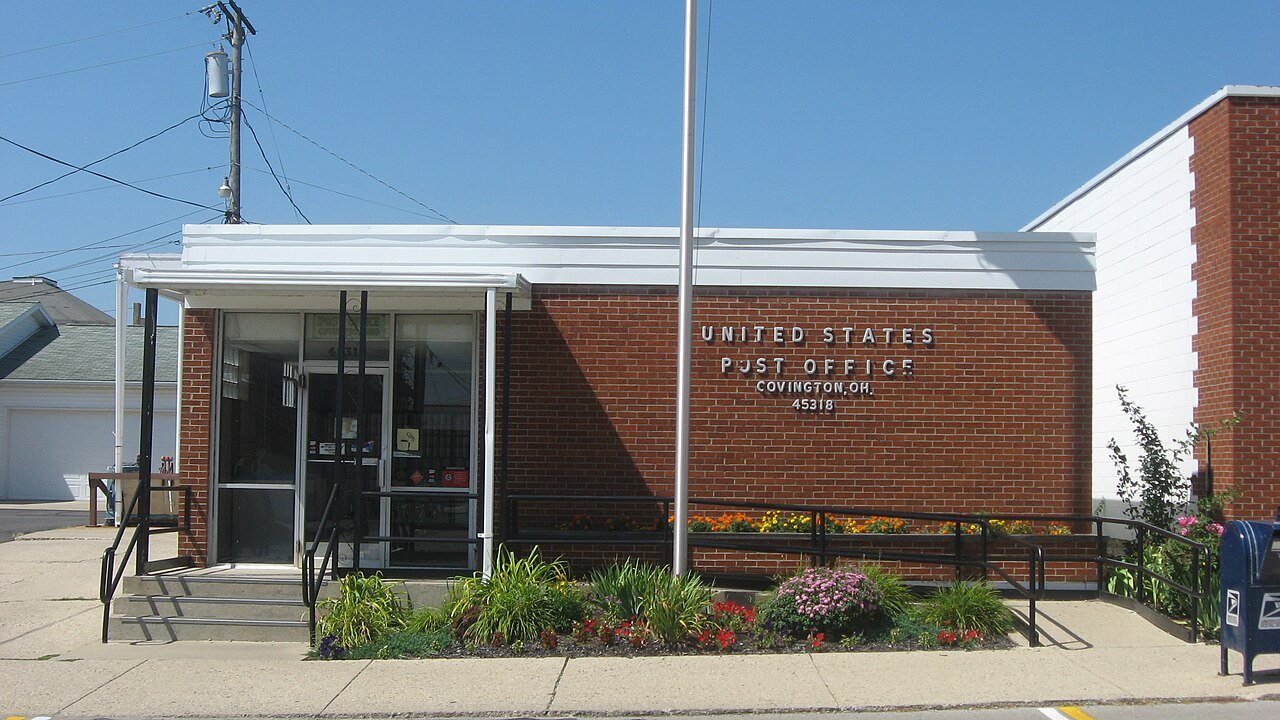
The 36-and-48 corner holds a genuine working downtown — the post office, the storefronts, food service, the government building’s handsome brick — and village-scale commercial runs the same shared-wall physics as any main street: one row, one system, one monitoring plan. Our downtown accounts get the block-aware protocol (stations that read the row, off-hours service, formulations for buildings where people eat and live in the same stack), and the village’s institutions get the institutional standard — the school campus, the churches, the township buildings all monitoring-led, treatment scheduled around occupancy, documentation ready for whoever inspects. The Buccs’ athletic facilities run the concession-season playbook (bleacher scavengers, press-box wasps, the dumpster line behind the fieldhouse), and every account in town rides the same trucks as the farm loops — a village this size is one map, serviced as one.
Termites and the frontier stock
Wood that has stood since the canal era has been passing the termite test for nearly two centuries — but modern habits keep re-entering old stock in the exam: mulch mounded over sill lines, raised beds against brick, additions whose slabs meet stone in seams nobody opens, and the river corridor’s patient soil moisture. Our inspection logic follows the moisture and the contact points; our protection is monitoring-first (bait systems watching the soil year-round beat one-time barriers in stone-foundation country); and Bryan’s 10A/10B licenses cover treatment while Category 12 covers the WDI inspections the village’s home sales order — modest houses are exactly the transactions where a $175 inspection protects the whole deal. Annual checks in the oldest stock are the cheap line on the ledger; the expensive line is the decade nobody looked.
Why Covington calls us
- The northwest loops: scheduled routes through the 36/48 corridors several days a week — village next-day norms, the priority lane at no markup when it’s genuinely urgent.
- Grid-village fluency: harvest-timed exclusion, era-read inspections, the concentrated-pressure September that decides the winter.
- Farm-campus quoting: house-plus-barn-plus-feed-room as one plan, cats respected, no mileage lines.
- Two honest tiers: one-time jobs at posted one-time prices; the Protection Plan’s re-treatment guarantee when you want the year owned.
- Photo-first triage: text the evidence to (937) 569-3330 — free identification before any truck moves, and honey bee swarms go to beekeepers, free, always.
Covington questions, answered straight
Every fall the mice arrive like clockwork. Can that actually end?
Yes — the clockwork is the point. Field mice migrate when harvest and first frost coincide, they enter through the same structural gaps every year, and gaps are finite. The twelve-doors pass finds them, reversible sealing closes them, the workmanship guarantee backs the seal, and the clockwork stops. Village houses that get September exclusion spend February hearing nothing at all — that’s the whole product.
We back onto the river woods and something is in the attic. Now what?
Photo or sound description first — scratching at dusk reads raccoon or squirrel, fluttering reads bats, and the response differs by law as well as by species. The constant: exclusion-first, one-way doors so nothing gets sealed inside, legal seasonal handling for bats, hardware cloth where squirrels chew. The wooded-edge houses run standing pressure, so the roofline check joins the fall routine — ten minutes of soffit honesty beats a February circus.
Is the Gathering weekend actually a pest event for homeowners?
Mildly but predictably: the park’s food weekend redirects the village’s yellowjacket foraging for about ten days, and the blocks around Community Park feel it at their own grills. The post-event sweep exists for exactly that window — and if a ground nest turns up in your own lawn afterward, it’s a standard one-time removal, priced by type and height, handled in a visit.
Farm quote: just the house, or the whole place?
The whole place, always — and here’s why that’s cheaper, not more expensive. A house-only treatment on a working farmstead buys a few quiet months while the barn’s ecosystem replenishes the pressure; you pay again by spring. A campus plan — feed room hardened, barn baited with geometry the cats can live with, house sealed, the whole system re-read after harvest — costs more per visit and dramatically less per year, because it treats the ecosystem instead of renting relief from it. We quote both ways if you ask; nobody who has run a winter on the campus plan asks twice.
Do you handle the little places — Bradford, Pleasant Hill, the crossroads between?
Every one of them — the northwest loops thread Bradford, Pleasant Hill, Ludlow Falls and the unincorporated corners on the same schedule that serves Covington, at the same published prices. The county page maps the full roster; the loop day is the only thing your exact lane changes.
Do it yourself, or call?
The honest split holds in Fort Rowdy country: a reachable paper-wasp umbrella, a rain-week ant line, one mouse in a tight garage — DIY with our guides, sincerely. The call-us list: wall and soffit voids (never seal an active entrance), any termite evidence in stock this old, farm-scale rodent pressure, bed bugs, bats every time, and anything now beating its third store-bought remedy — recurrence means a condition, and conditions need a diagnosis, not another can. The photo line sorts it all free before anything gets scheduled, which is the cheapest triage in the county.
The garden village and the pollinator line
Covington gardens the way it does everything — seriously and without fuss: vegetable plots behind the village lots, orchard rows on the farmsteads, bee-friendly plantings spreading porch by porch. Our pollinator policy is posted for exactly this country: honey bee swarms and colonies are never treated — they go to local beekeepers, free, every time, and the fuzzy-golden-visible-comb photo test takes ten seconds; solitary ground bees aerating the spring lawn get an honest “leave them working” unless a sting allergy changes the math; treatments near bloom get timed to miss the foraging day; and the yellowjacket-versus-bee call — the difference between a pest and a coworker — is what the free photo triage exists to make. A farm county’s pest company should defend the kitchen without taxing the pollination; ours is built that way on purpose.
Fort Rowdy, quietly defended
From the government building’s brick to the last Newberry Township lane, Covington’s file is open on the northwest loops — the grid read era by era, the river mile mapped, the farm campuses quoted whole, the Gathering’s Labor Day marked on next year’s calendar already. Piqua, Bradford and Pleasant Hill ride the same trucks; the service-area map shows all eight counties. The village that started as a fort deserves a defense worthy of the name: text a photo to (937) 569-3330 for the free identification, take the straight quote, and let September’s exclusion pass make this the winter the walls finally go silent.
A short history of village pest pressure — and why it favors the prepared
It’s worth saying plainly why a village like Covington experiences pests differently than a city, because the difference is the strategy. A Dayton block’s pest pressure is generated mostly inside the city — buildings feeding buildings, dumpsters feeding alleys, infrastructure feeding everything. A grid village generates almost none of its own pressure; it imports nearly all of it from the working landscape at its edges, on a calendar agriculture sets. That has three practical consequences. First, timing beats intensity: one perfectly-timed September exclusion pass outperforms a year of reactive spraying, because the invasion is a scheduled event. Second, the perimeter is everything: village houses live or die at the foundation line, so inspection quality — actually finding the twelve doors — matters more than product choice. Third, the village wins together: at a few hundred foundations, block-scale sealing is genuinely achievable, and every sealed house shrinks the winter carrying capacity for the whole grid. City companies bring city strategy to towns like this and wonder why November keeps beating them; the doctrine we run here was written for the grain-ringed grid, and the quiet winters up and down the roster are the evidence. Prepared beats rowdy — even in Fort Rowdy.
Landlords, rentals and the small-town portfolio
Covington’s rental stock is modest — upstairs units over the downtown row, a scatter of doubles in the grid, farmhouse rentals in the townships — and small-town landlords get the full program architecture anyway: per-door pricing that makes standing coverage cheaper than crisis calls, direct-tenant scheduling, per-unit documentation for deposit season, and the shared-wall protocols wherever one roof covers two leases. Farmhouse rentals deserve a special word: they inherit campus pressure without campus management (the tenant doesn’t run the barn), so the owner’s plan has to cover what the lease can’t — we write them that way. And every landlord conversation includes the honest ledger: in harvest country, a fall exclusion pass per unit costs less than one February emergency call, every single year.
Two centuries after the garrison joke stuck, Fort Rowdy’s name is the only rowdy thing left — the village keeps its grid swept, its river close and its winters quiet, and the pest program that serves it should match that temperament: punctual, plain-spoken, and gone before you think about it again. That’s the northwest loop’s promise, and Covington’s place on it is standing. One photo, one call, and the season’s work begins on time.
From the fort that never fired a shot to the village that never misses a season — Covington is covered, the loop runs this week, and the September calendar has your street on it already. Welcome to the roster.
The Stillwater keeps its pace, the grain keeps its calendar, and the trucks keep both — that’s the whole arrangement, and it works.
Who actually turns up in Covington: Greater Dayton Pest & Rodent is owned and operated by Bryan Camden, licensed by the Ohio Department of Agriculture — firm #115079, commercial applicator #170858, categories 10A, 10B and 12. When you call, you talk to the person who does the work. No call center, no rotating crews, and the same technician on every visit.
Frequently asked questions
Do you provide pest control in Covington?
Yes — the Stillwater village sits on the Miami County rotation; small town, full service, known patterns.
What pests are most common in Covington?
Farm-belt village files: harvest rodent surges above all, the older core’s foundation mice, bean-field stink bug flights, barn-and-outbuilding wasp economies, and the Stillwater corridor’s moisture and mosquito seasons.
How much is pest control in Covington?
County formula: most homes $39–$55/month quarterly; one-time flat; farm campuses walked and quoted honestly. Free: (937) 569-3330.
Why is the fall rodent surge so strong here?
Pure geography — working acreage on every side means harvest displacement plus first-frost migration aimed at every heated structure in the village. September sealing is the whole defense; the route calendar plans for it.
Do you treat the farm properties around Covington?
As campuses — barns, grain, and sheds quoted as the recruitment system, deer-mouse protocol assumed in outbuildings, harvest-aware scheduling standard.
How fast can you reach Covington?
Weekly rotation — days typically, priority arranged faster, no travel charges.
Do you serve Covington businesses?
Yes — the village storefronts and ag-adjacent operations on matched programs with the documentation their inspections expect.
What about the stink bug flights?
Certainty, not risk — the surrounding bean acreage launches them every September at the village’s sunny walls; barrier-plus-seal before Labor Day, annually, as infrastructure.
Do village outbuildings need the deer-mouse protocol?
Assume yes — farm-belt sheds default to two-tone tenants; ventilate-then-enter, gloved box handling, outbuilding-first inspections on every visit.
How do I start service in Covington?
Instant quote, free photo ID, or (937) 569-3330 — free estimates, route days weekly, first visits typically within the week.