Xenia is the trail capital of Ohio — five rail-trails converge here, and the town’s calendar runs on bikes, ballfields, and backyard cookouts from April to October. That outdoor economy has a late-summer tax collector: the yellowjacket. Wasp and hornet removal in Xenia splits into two files that most towns don’t carry together — the public-space pressure of a community that lives outside (trailside trash cans, pavilion eaves, bleacher voids, the August picnic problem), and the rural-edge file of big working lots (ground-nest colonies in old fencerows, barn-eave paper wasps, the mower-meets-yellowjackets emergency that fills our phone every September). We call it the trail-hub file, and the through-line is simple: where people and food concentrate outdoors, wasps follow — and where ground goes unmowed and eaves go unwatched, colonies grow to harvest size.
The August Shift
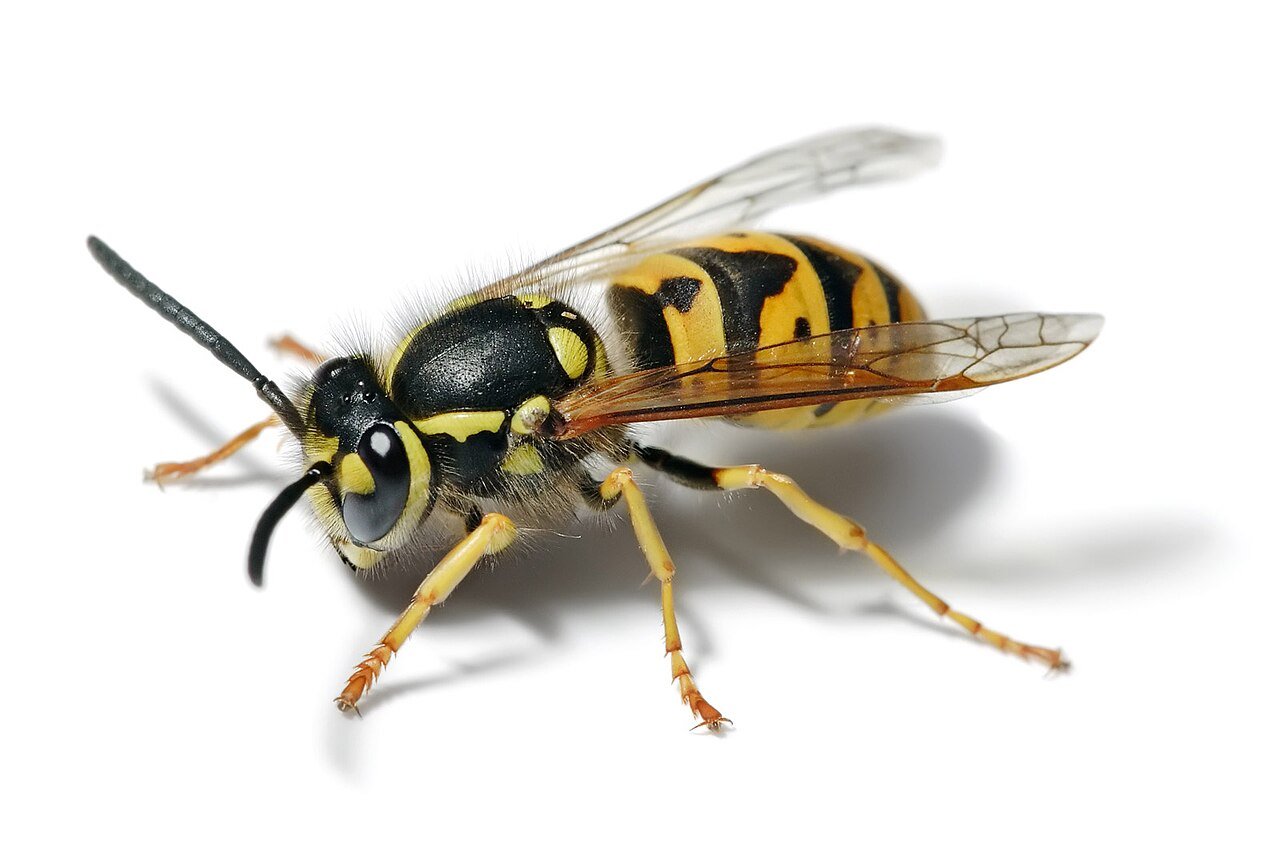
Understanding one biological pivot explains most of Xenia’s wasp calendar. Through early summer, yellowjacket colonies are protein-hunting — carrying caterpillars and flies home to feed larvae — and humans barely notice them. In August the colony’s brood production peaks and then declines, the workers lose their protein assignment, and thousands of idle foragers switch to sugar: pop cans, fruit, trailside garbage, the concession stand. The wasps didn’t become aggressive; they became unemployed, numerous, and sweet-toothed simultaneously. That’s why a trail rest stop that was pleasant in June is a gauntlet by Labor Day, and why the right control move for public and commercial spaces is made in May — when colonies are dozens, not thousands — not in the August week the complaints arrive.
The Mower Emergency
The rural half of the file has a signature incident: the mower over the ground nest. Yellowjackets colonize abandoned rodent burrows — and a Xenia lot backing to field ground, with its outbuilding-chain rodent economy, produces burrows in quantity. By September a ground colony can hold thousands of workers, its entrance hidden in grass, and a mower’s vibration reads as an attack: the colony answers in force, and the operator takes multiple stings before understanding what happened. If a patch of lawn shows steady low-line wasp traffic to a single point in the grass, flag it, mow around it, and call — ground colonies are the one category we treat with the most protective protocol we carry, and the one category where DIY gasoline folklore still injures people every year in this county.
Both Files, One Program
- Ground-nest treatment: located by traffic-line observation, treated at the burrow with full protective protocol, confirmed dead before any fill-in
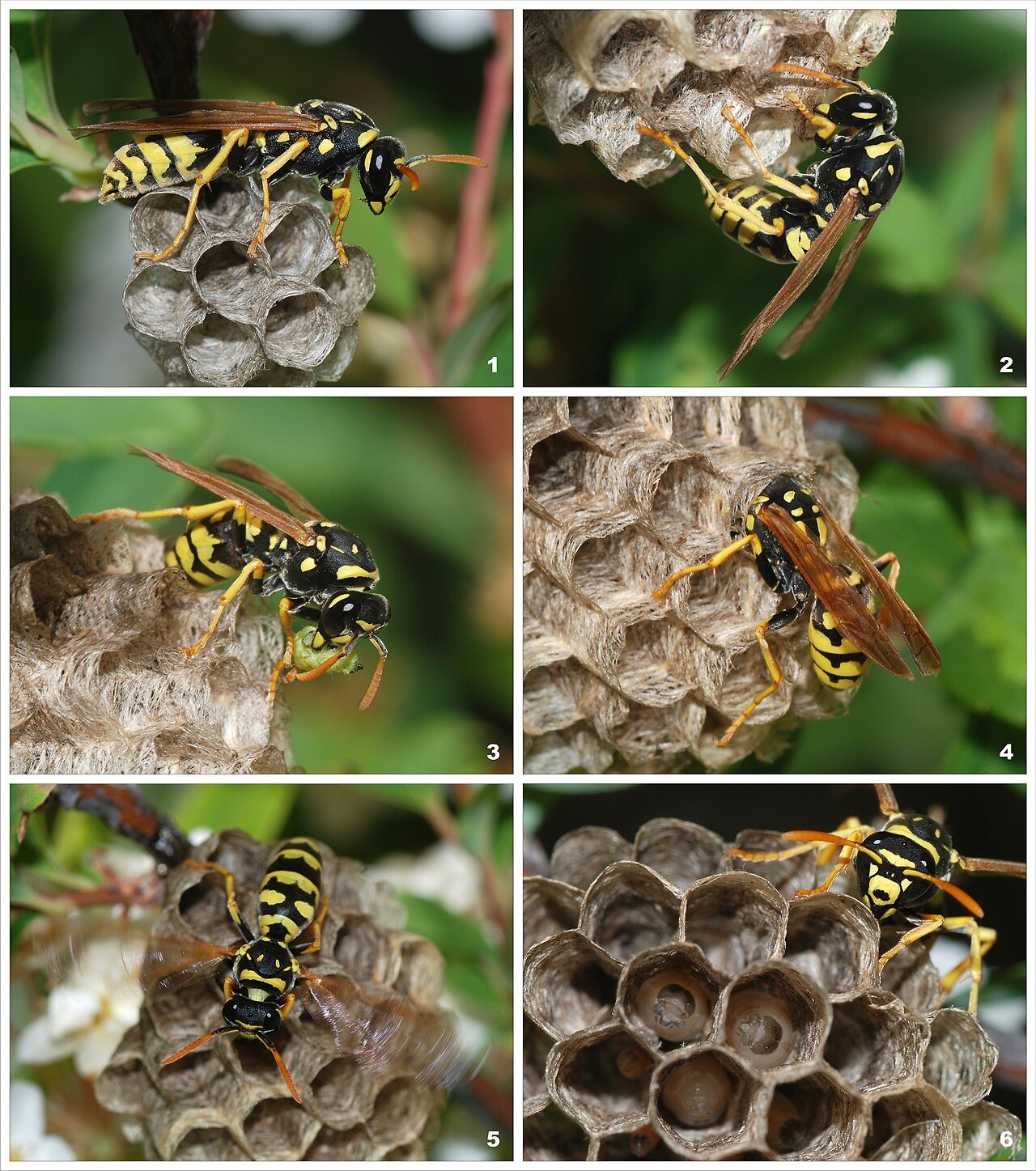
- Structure work: paper wasp nests on barn eaves, pavilion ceilings, and porch lines; yellowjacket void colonies in soffits and bleacher framing; bald-faced hornet removals at height
- Public-space and commercial accounts: spring preventive sweeps for parks-adjacent businesses, ballfield concessions, and trailside properties — May’s inspection prevents August’s gauntlet
- The sugar-season kit: trash-station counsel (lidded cans away from seating, moved before August, emptied often) that cuts late-summer pressure more than any spray can
The Xenia Ledger, Complete
This page closes Xenia’s set — eight files, and the town’s signature runs through all of them: the rural edge and the outdoor life. The ants work the ag margins, the spiders ride the field edge with an honest recluse protocol, the termites tell the two-era rebuild story, the rodents climb the outbuilding chain, the fleas bank in the township reservoirs, the roaches and bed bugs carry their era-and-DIY files, and the wasps tax the trail economy every August. A town that lives outdoors deserves a provider who works its calendar — May sweeps, September ground-nest season, and the honest advice in between. The full file lives on our Xenia service page.
Clear the Line Before the Ride
Ground colony in the yard, nest over the barn door, or an August problem at the concession stand — one call gets the right protocol, full protective gear where it’s earned, and the May-beats-August counsel that keeps trail season sweet for the right reasons.
Frequently asked questions
Why are wasps so bad in Xenia every August?
It’s the colony’s labor market: brood-rearing winds down, thousands of workers lose their protein job and switch to sugar — pop, fruit, trash — right as colony size peaks. They aren’t angrier; they’re unemployed, numerous, and sweet-toothed at once, exactly when trail season peaks.
How do I know if I have a ground nest in my yard?
Watch for a steady low flight line converging on one point in the grass — a burrow entrance, usually an old rodent hole. Flag it, mow around it, and call. By September these colonies run thousands strong and answer mower vibration as an attack.
Is pouring gasoline on a ground nest a real solution?
No — it’s the folk remedy that still sends people in this county to urgent care and poisons the soil besides. Ground colonies get treated at the burrow with proper equipment and confirmed dead before the hole is filled. It’s the one job we gear up fully for, every time.
When should businesses near the trails or ballfields act?
May. A spring eave-and-void sweep catches founding colonies at dozens of wasps instead of thousands, and it’s the difference between a quiet August and a gauntlet at the concession stand. The second-best lever is trash logistics: lidded cans, away from seating, emptied often.
What’s the difference between the wasps at my barn and the ones in the ground?
Barn-eave nests are paper wasps — visible comb, modest colonies, defensive only up close. Ground and void colonies are yellowjackets — hidden, huge by fall, and the source of nearly all multiple-sting incidents. The treatment protocols are completely different.
Do wasps or hornets come back to the same nest next year?
The colony dies with frost and old paper nests are never reused — but successful sites get re-founded by new queens reading the same sheltered architecture. Anchor-point treatment at removal plus an early-spring pass breaks the tradition.
Are the big black-and-white wasps in my trees dangerous?
Bald-faced hornets — gray football nests, serious defenders, a real no-go radius. In a working yard or near a trail edge they warrant professional removal at height; high and away from traffic, they can sometimes be left for frost. We’ll say which honestly.
What does wasp removal cost in Xenia?
Flat single-nest pricing, whole-property treatment when the walk-around finds multiples, and seasonal accounts for trailside and ballfield-adjacent businesses — priced so May prevention beats August emergency, because it should.