Xenia’s housing tells its history in layers, and termites read those layers differently than anywhere else in Greene County. The 1974 tornado — still the town’s defining line — split the housing stock in two: the surviving pre-war neighborhoods with their stone foundations, original sills, and century-old framing, and the vast rebuild-era stock raised quickly in the late ’70s, much of it slab-on-grade, now itself fifty years old with any original soil pre-treatment long degraded. Around both runs classic termite country — the Little Miami tributaries, old fence lines, mature shade, and farm-edge woodlots that keep eastern subterranean colonies dense across the county seat. We inspect and protect both Xenias, and the approach differs enough by era that this page walks them separately.
The Two Xenias, Termite by Termite
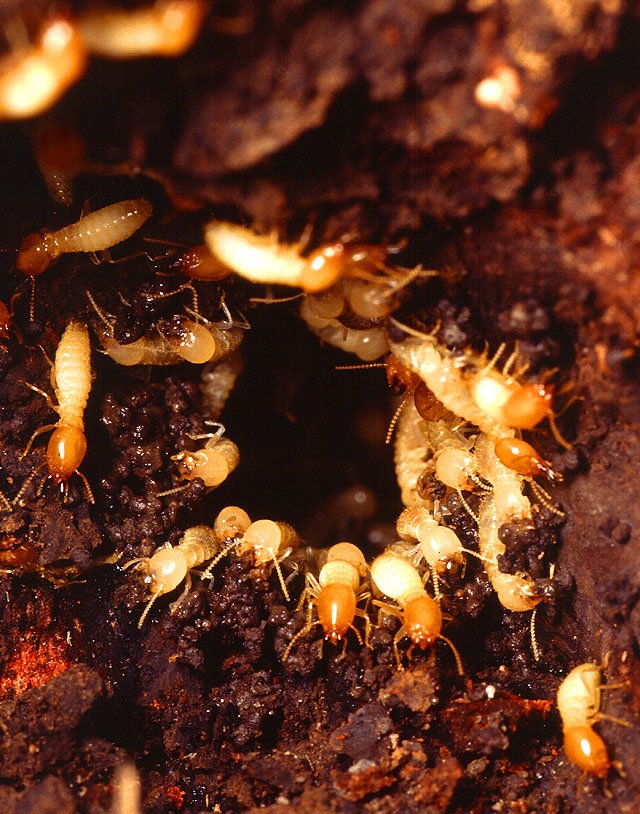
- The pre-war survivors: stone and early-block foundations show termite evidence the classic way — mud tubes climbing interior basement walls, sill-plate damage above the stone line, and spring swarms from long-established colonies. The good news: basements make evidence visible early, and an annual flashlight walk of the foundation walls is genuinely protective. The watch items: sill plates atop rubble stone (the soft entry every old-house colony finds), porch additions bridging soil to framing, and the coal-room and cistern corners nobody’s inspected since the Nixon administration.
- The rebuild stock: the post-tornado neighborhoods carry the slab problem — hidden entry through expansion joints, plumbing penetrations, and bath traps, with evidence appearing indoors (bubbled baseboards, hollow trim, indoor swarmers) rather than on a wall you can walk past. Fifty years also means any builder-era soil treatment is a memory; these homes protect forward with bait systems, not backward with assumptions.
- Both eras share the landscape: mature shade, aging fences with soil-set posts, garden timbers, and the woodlot edges that keep background colony pressure high everywhere in Xenia — the reason “no termites ever” here means “not detected yet,” and monitoring beats hoping.
What to Watch For, Era by Era
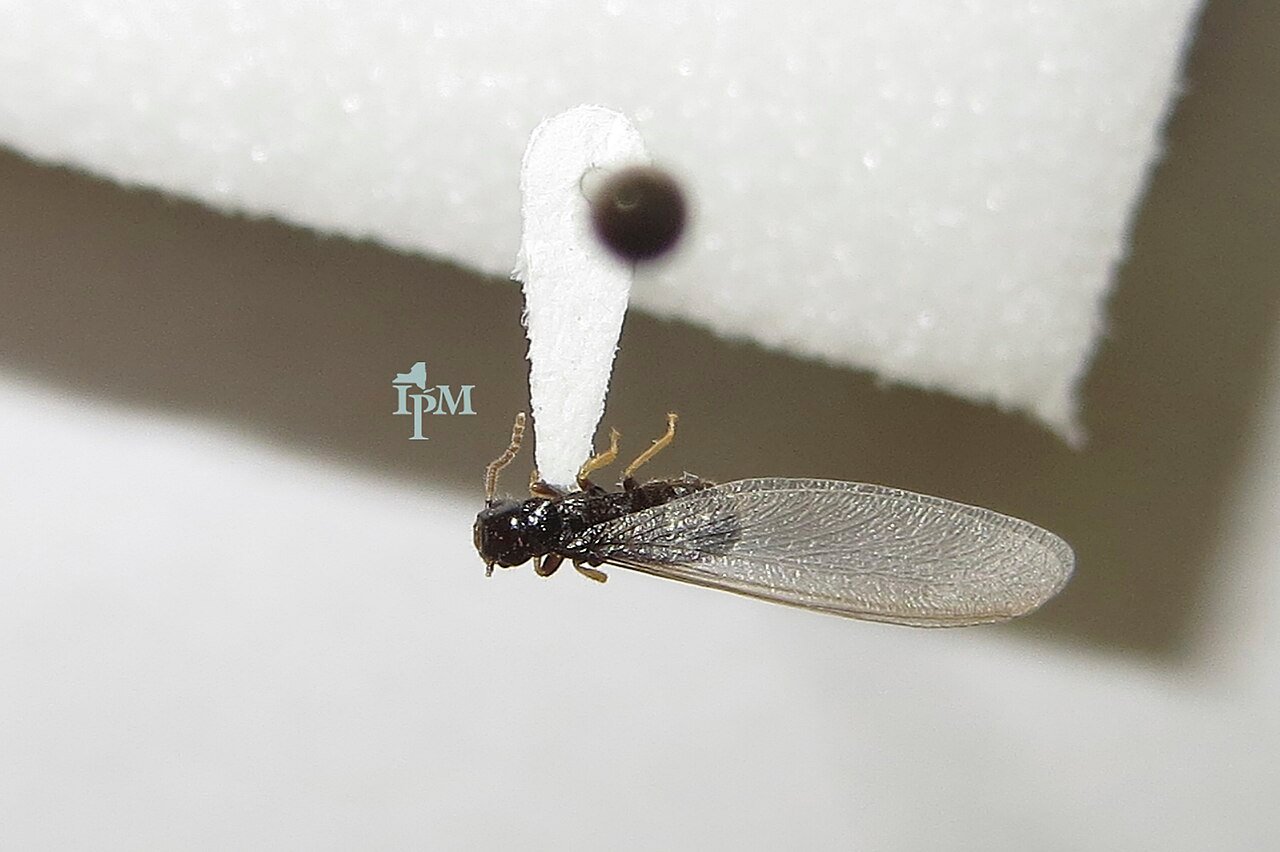
In the older blocks: walk the basement perimeter each spring with a flashlight held low — raking light throws mud-tube shadows — checking the sill line, pier bases, and anywhere plumbing drops through the floor; probe suspiciously soft framing near past leaks; and treat any spring emergence of dark, equal-winged insects indoors as the alarm it is (the ant-versus-termite check first — elbowed antennae and pinched waists are ants — then the phone). In the rebuild stock: the garage is the early-warning room — slab joints, stored cardboard, and grade-level sill plates concentrate first evidence — along with window sills collecting shed wings in March through May, baseboards that bubble or sound hollow along exterior walls, and the bath-trap access behind the tub. Everywhere in Xenia: keep four inches of foundation visible above mulch (buried slab edge is a hidden bridge), get wood fence posts and landscape timbers up off soil contact where you can, and put the property on an annual inspection rhythm — the whole evidence catalog lives at signs of termites.
Protection That Fits Each House
The program follows the construction. Bait station systems are our default recommendation across both eras — an in-ground ring that intercepts foraging colonies before any entry route, visible or hidden, collapses the colony through shared bait, and then stands permanent guard; they suit the rebuild slabs (whose entry routes can’t be trenched against individually) and the historic homes (whose stone foundations and mature landscaping make soil trenching invasive) equally well — the full case is on our bait station page. Liquid soil treatment — non-repellent termiticide the workers carry home unknowingly — remains the faster answer for confirmed active infestations, applied at the foundation and through slab penetration points as the structure requires. Active-damage cases get honest scoping with our repair guidance — and the reassurance the numbers support: termites eat slowly, panic-signing a same-hour contract is never necessary, and no Ohio termite job ever requires tenting. Pricing is flat and published on our cost page; documentation is transferable, which matters at closing time in a county-seat market with steady turnover.
The Xenia Calendar and the County-Seat Bottom Line
Swarm season runs March through May — the annual discovery window, and the week after each warm spring rain fills our Greene County schedule. Summer is silent feeding; fall is the smart installation window for bait rings (pre-winter foraging finds stations fast); winter pauses nothing under a heated structure. The bottom line we give every Xenia homeowner, in either housing era: eastern subterranean termites are the region’s most solved major pest — a monitored bait ring plus an annual inspection converts them from a four-figure surprise into a line-item of routine homeownership, and the households that treat it that way simply never have a termite story. One flat price, a licensed local applicator, and the full method on our termite control service page — with everything else we do in town on the Xenia pest control page.
Wings on a Xenia Windowsill — or Tubes on the Stone?
Free identification, era-matched protection, and flat published pricing — serving both Xenias, and all of Greene County.
Buying or selling in Xenia? What a lender, a VA file, or a listing agent asks for is not a treatment — it is a written report. That is a termite and WDI inspection in Xenia: $99 flat on the lender-ready NPMA-33, next business day, PDF the day we inspect. Treatment only enters the conversation if the report actually finds something.
Frequently asked questions
Do the post-tornado Xenia neighborhoods get termites?
Yes — the late-’70s rebuild stock is slab-on-grade with hidden entry routes (expansion joints, plumbing penetrations, bath traps), and any builder-era soil treatment degraded decades ago. Evidence shows indoors first, which is why annual inspection carries the load in those blocks.
What does termite evidence look like in an older Xenia basement?
Pencil-width mud tubes climbing the stone or block walls, damage in the sill plates above the foundation line, and spring swarmers or shed wings — the visible, classic presentation. A low-held flashlight walk of the perimeter each spring catches it early.
Are the winged insects in my house termites or ants?
Check antennae and waist: straight antennae, thick waist, and four equal wings mean termite; elbowed antennae and a pinched waist mean ant. Wing piles on sills lean termite — and indoor swarmers of either kind deserve a same-week identification, free from a photo.
Do you recommend bait stations or liquid treatment in Xenia?
Bait rings for most homes in both eras — they intercept colonies before hidden slab routes or stone-wall climbs, without trenching historic foundations or established landscaping. Confirmed active infestations get liquid soil treatment for faster knockdown, sometimes combined.
How urgent is a termite finding — do I need to sign something today?
No — termites eat slowly, and days don’t change outcomes. Get the inspection, see the evidence mapped, and decide with a flat quote in hand; any company demanding a same-hour signature is selling panic, not protection.
When do termites swarm in Greene County?
March through May, on warm humid afternoons after rain — the annual discovery window. Outdoor swarms mean neighborhood background pressure (normal); indoor swarms mean a mature colony in or under the structure and a this-week inspection.
Does a termite warranty transfer when I sell my Xenia house?
Ours does — documented protection with transferable coverage, which reads as diligence to buyers and lenders in a county-seat market with steady turnover. Ask any local agent what a current termite record does for a closing.
What does termite protection cost in Xenia?
Flat, published pricing on our cost page — bait system installation with annual service, or liquid treatment scoped to the structure — and the inspection that starts it is free. No Ohio home ever needs tent fumigation; that’s a different termite species entirely.
Xenia’s other pest files run on the same local logic: rodent control in Xenia, flea treatment in Xenia, and ant control in Xenia.