
Xenia’s roach file runs the county seat’s two housing eras through the species that care about neither history nor tornadoes — only warmth, water, and cardboard. The pre-war survivors’ stone basements host the drain-commuting black roaches on the classic damp-infrastructure pattern; the post-tornado rebuild’s slab stock runs the hidden-plumbing version (bath traps, floor drains, and the garage-slab file every ’70s pour shares); and the courthouse-square’s mixed-use blocks stack the connected-building biology above the downtown’s food service. Threaded through all three runs the county’s DIY-first culture — the same solo-month instinct the town’s bed bug file documents — which, applied to roaches, means fogger campaigns that scatter kitchen-species cases deeper while the 50-day clock compounds. Here’s the honest map, era by era.
The Three Receptions
- The pre-war basements: stone walls, floor drains, and chronic damp host the Oriental commuters — storm-following surfacing on the standard clock, managed on the infrastructure playbook: wet traps monthly, screened sumps, dehumidification, low-zone baiting (the water bug file).
- The rebuild slabs: the ’70s stock’s bath traps, floor drains, and garage joints run the concealed version of the same commute — plus the kitchen-species importation file wherever the moving boxes land, compounding in slab-warmed utility cores on the universal clock.
- The square’s stacks: food service below, apartments above, century chases between — the connected-building cases that need coordinated treatment and the documented findings that move owners, with the county-seat paper trail (inspectors, landlords, the courthouse’s own neighbors) running at Troy-square density.
- The ag-edge gallery: the farm margin’s false alarms — ground beetles, crickets, June’s wood roaches at every porch light — sorted free by photo before anyone spends a dollar (the lineup).
The DIY Month, Roach Edition
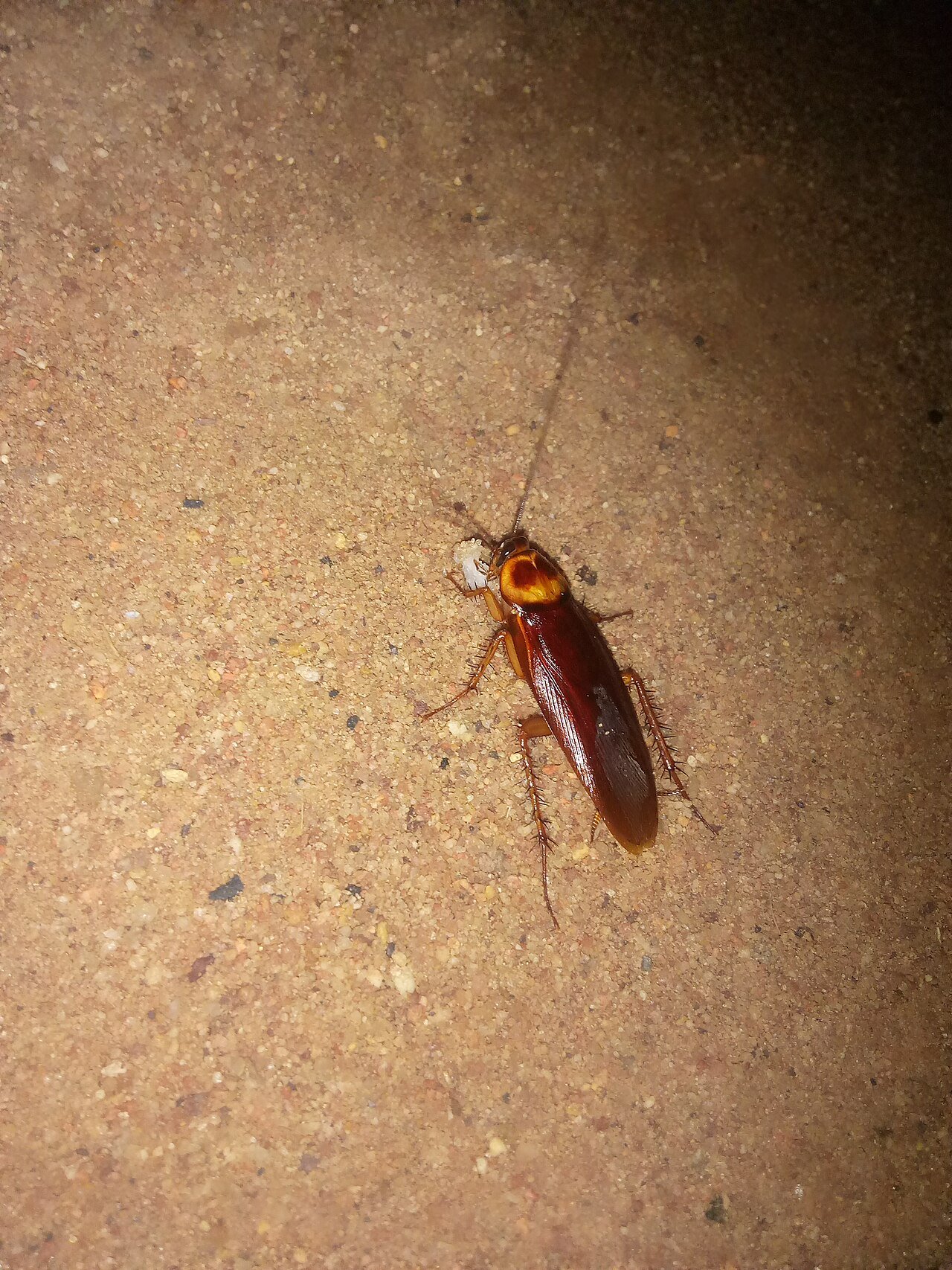
The county’s self-reliance deserves the same honest map its bed bug file got. What fails: foggers — the store shelf’s flagship — drive kitchen-species populations deeper into voids and adjacent units while missing every egg case (the standing indictment); repellent perimeter sprays scatter the population off the bait lines that would have worked; and bleach campaigns erase placements while killing nothing that matters. What genuinely works solo: the drain protocol (water and mineral oil in unused traps, monthly — the pre-war basement’s single highest-value habit), cardboard discipline and the secondhand-appliance flashlight inspection (the importation routes closed free), and sanitation’s honest role — forcing whatever population exists onto baits rather than crumbs. What decides cases: the two-stripe check on any suspect (the kitchen species’ racing stripes behind the head settle the only identification that changes stakes), the free photo verdict, and — for confirmed kitchen-species cases — the placement program: crevice gel with growth regulator, monitors, and follow-ups inside the reproduction window. The county’s roach math mirrors its bed bug math exactly: cases don’t arrive worse here, they arrive older, and the solo month is the whole difference.
The Xenia Calendar and Bottom Line
The basement commuters surge with spring storms and late-summer heat; the square’s stacks run year-round with fall the strategic launch window for building programs; the importation file peaks with moving season; and June’s porch-light wood roaches arrive on schedule from the ag margins. The response map: drain protocol before storm season, the appliance-and-cardboard habits year-round, same-week verification for any striped sighting — and the building conversation, documented, wherever the square’s stacks are involved. One flat price residential, service agreements for the downtown blocks, the method at cockroach control with the early-warning file at baby cockroach — and the county seat’s ledger, now five services deep, at Xenia pest control.
A Fogger Weekend Deep — and the Stripes Are Back?
Stop feeding the scatter: free verification, placement-first treatment, and the era-matched infrastructure work that ends it — flat-priced across Xenia.
Frequently asked questions
What is the black roach in my old Xenia basement?
An Oriental commuter off the stone-and-drain infrastructure — storm-following, damp-dependent, and managed with the infrastructure playbook: monthly water in unused traps, screened sumps, dehumidification, and low-zone baiting. Plumbing event, not housekeeping verdict.
Do the post-tornado slab houses get roaches differently?
Same commute, hidden plumbing: bath traps, floor drains, and garage joints run the concealed version, while the kitchen species’ importation file compounds in slab-warmed utility cores wherever the moving boxes land. The two-stripe check settles which file you’re in.
Why did fogging my Xenia kitchen make the roaches worse?
Foggers drive the population deeper into voids and adjacent spaces while missing every egg case — the county’s solo-month classic. Crevice-placed gel with growth regulator, on a follow-up schedule, is what actually clears the kitchen species.
Whose problem are roaches in an apartment over the square?
Connected-building biology puts serious cases in the coordinated-treatment conversation, and our documented findings — species, distribution, establishment age — carry it under the standard habitability logic. County-seat stacks run on county-seat paper.
What DIY roach steps actually work?
The drain protocol (monthly water and mineral oil in unused traps), cardboard discipline, the secondhand-appliance flashlight inspection, and sanitation’s honest role — forcing populations onto baits. Those four are free and genuinely effective; the fogger shelf is neither.
Are the June roaches at my porch light the start of something?
Wood roaches off the ag margins — unable to breed indoors, dead in days, and identified free so nobody buys treatment for weather. The stripes, not the season, decide what matters.
How fast does the kitchen species compound?
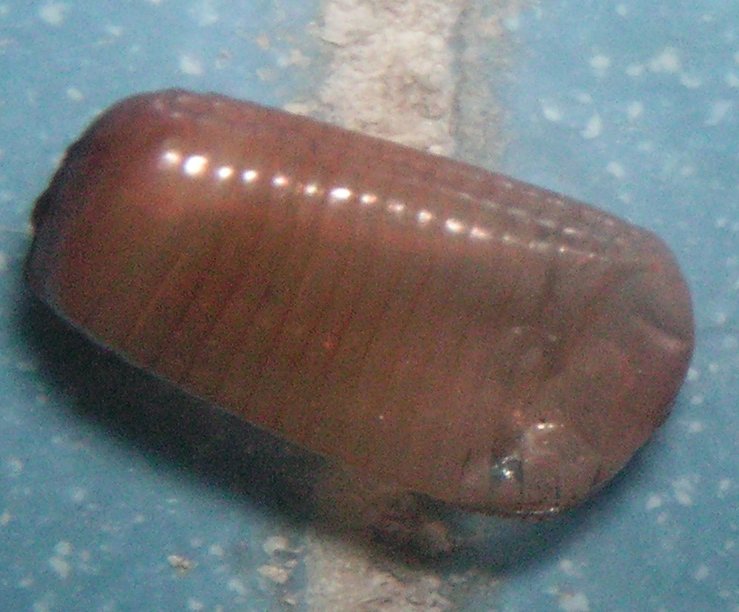
Thirty to forty nymphs per egg case, maturation in 50–60 heated days — the case discovered in week one clears in a cycle; the case discovered after a solo month is a campaign. Xenia’s roach math is its bed bug math: age, not severity.
What does cockroach control cost in Xenia?
One flat price residential — era-matched infrastructure work and placement-first treatment with follow-ups — and documented service agreements for the square’s stacks. Free photo verdicts either way, half of them ending in “it’s just the June visitors.”
The Rural-Route Addendum
The county’s townships add one file the city grid doesn’t: the outbuilding-and-well-house circuit. Rural properties’ pump houses, root cellars, and barn corners run the damp-and-dark conditions the drain commuters love without any municipal drain to commute through — resident populations rather than surfacing traffic — and the farm kitchen’s importation exposure runs on feed-store cardboard and auction hauls alongside the standard grocery routes. The playbook adapts without changing character: dehumidification and exclusion for the outbuilding populations, locked low-zone baiting where residency is confirmed, and the same cardboard-and-appliance discipline at the house. And the rural stone cellar — the county’s oldest infrastructure, often serving as tornado shelter and canning storage both — earns the respectful version of the basement protocol: treated for the populations it hosts, dried to the degree its construction allows, and never fogged into the food storage it protects. County roach work, like county everything, rewards knowing which century each building was solving for.