Between a Greene County soybean field and a Xenia kitchen there is almost always a chain of small buildings, and the mice climb it link by link. This is a town where the lots run big, the edges run rural, and the yards run working: pole barns, garden sheds, detached garages, wood piles, and — the newest link — a backyard chicken coop boom that has quietly rewritten the local rodent map. Rodent control in Xenia rarely starts at the house, because the house is rarely where the population lives. It lives in the chain — each outbuilding a sheltered, unheated, rarely-inspected stepping stone between the field margin and the foundation — and the November mouse in your pantry walked it one link at a time. We call it the outbuilding chain, and breaking it is a different discipline than sealing a suburban slab.
How the Chain Works
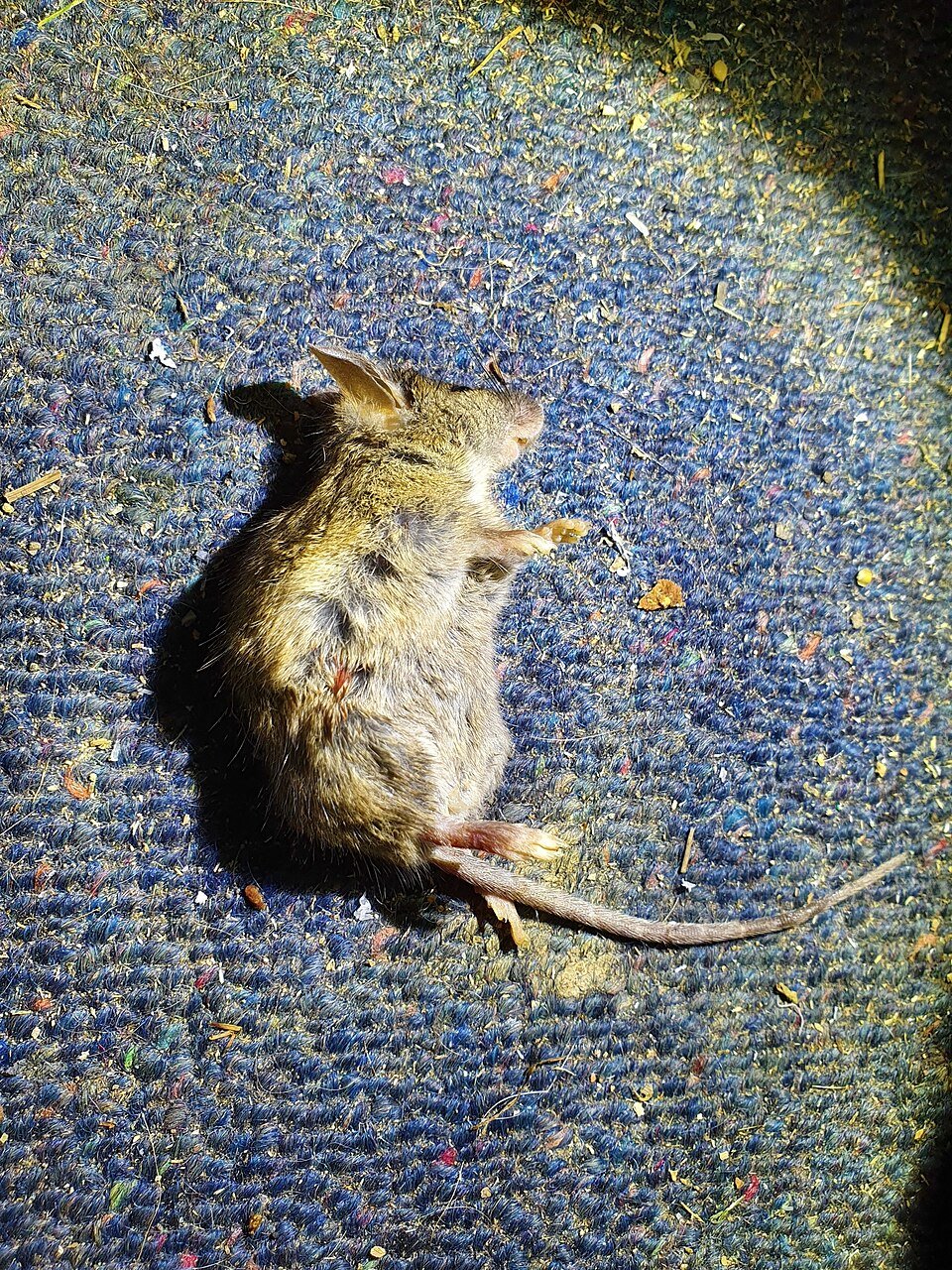
Field mice — deer mice and white-footed mice out here, more than house mice — summer in the crop margins and fencerows where food is everywhere. Harvest and first frost evict them, and on a compact suburban lot their only option is the house itself. But a working Xenia lot offers a graduated ladder: the pole barn at the back takes the first wave (equipment, stored seed, undisturbed corners); the shed and wood pile stage the next move; the detached garage — often carrying bird seed, pet food, and a gap under every door — brings them within a sprint of the foundation; and the house takes only the overflow. Each link holds a breeding reservoir that a house-only treatment never touches, which is why the classic Xenia complaint is a kitchen cleared in December and re-invaded in February: the chain restocked it.
The Coop Multiplier
Backyard chickens deserve their own paragraph, because a coop is the strongest link a chain can have: grain feed dispensed daily, water year-round, warm bedding, and structural gaps everywhere. Rodents drawn to feed will nest under coop floors, tunnel below runs, and — the part that turns keepers into callers — stress the flock, steal eggs, and draw the snakes that follow mice. The fixes are husbandry before chemistry: treadle feeders that close between visits, feed in steel cans overnight, hardware-cloth skirting buried around the run perimeter, and coop floors raised clear of the ground so there is no under-floor void to colonize. We service coops without ever placing bait where a bird could reach it — the station placements and the exclusion carpentry both respect the flock, and we say plainly that a coop running open feed will out-recruit any bait program ever installed.
Breaking the Chain
- Whole-lot audit: every building on the parcel walked, gapped, and rated as a link — the map matters more than any single seal
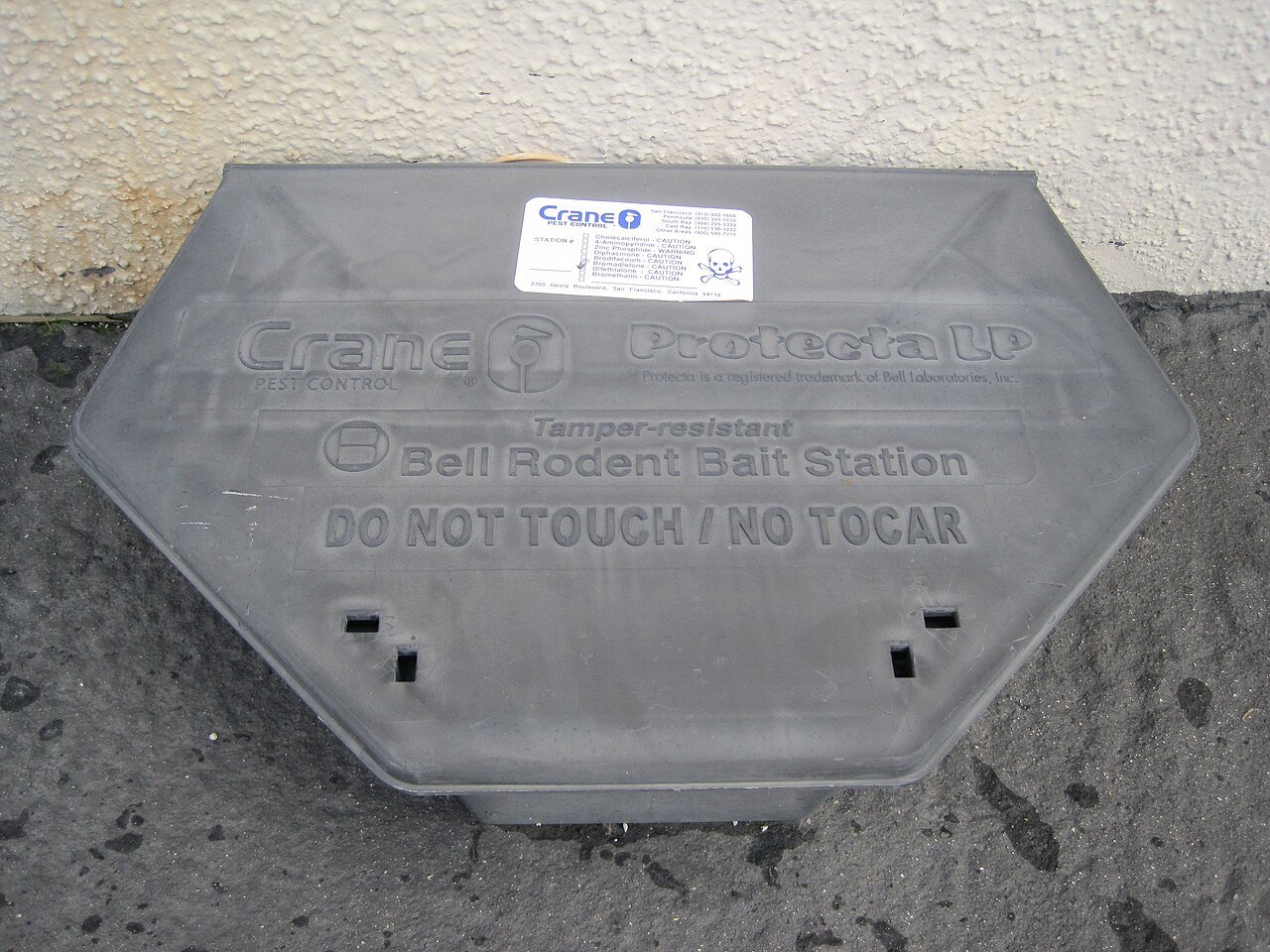
- Reservoir knockdown: stations in the barn and shed links where the population actually lives, not just at the house it visits
- Feed discipline: chicken feed, bird seed, and pet food into sealed steel — the chain runs on stored calories, and closing them defunds every link at once
- House-end exclusion: the garage gaskets, utility penetrations, and sill gaps sealed last, so the sprint from the nearest link has nowhere to land
The Rural-Edge Honesty Clause
Two things we tell every Xenia caller upfront. First: on a working lot backing to crop ground, “zero mice on the parcel” is not a real goal — the field will always bank a population, and the honest target is zero mice in the house and a managed, monitored chain outside it. Second: anything bigger than rats and mice — the groundhog under the barn, the raccoon after the feed — is wildlife work we don’t do, and we’ll name a referral rather than sell you a service we shouldn’t. What we will do is what the chain actually requires: the audit, the stations, the feed counsel, the exclusion — on a schedule that respects the fact that out here, rodent control is a standing management program, not a one-winter purchase. The full local file lives on our Xenia service page, alongside the ant, spider, and termite files the same rural edge writes.
Walk the Chain With Us
One audit maps every link on your lot — barn to shed to garage to gasket — and one program breaks it in order. Coops serviced flock-safe, feed counsel included, and the honest rural-edge answer about what managed actually means.
Frequently asked questions
Why do mice keep coming back after I clear the house?
Because the house was never the reservoir — the outbuilding chain restocks it. Barns, sheds, and garages on a working Xenia lot hold breeding populations a house-only treatment never touches, and February’s re-invasion walked in from December’s untreated links.
Do backyard chickens attract mice?
Open feed does — a coop dispensing grain daily is the strongest recruitment on the lot. Treadle feeders, overnight steel-can storage, buried hardware-cloth skirting, and a raised floor fix most of it before any bait is placed — and no bait ever goes where a bird could reach it.
What kind of mice are these — they don’t look like city mice?
Mostly deer mice and white-footed mice off the field margins: bigger eyes, white bellies, bicolor tails. They’re the rural edge’s species, they carry hantavirus risk in droppings, and cleanup of heavy accumulations should be wet-method, never dry-swept.
Is it pointless to fight mice when I back up to crop ground?
Fighting for a mouse-free parcel is; fighting for a mouse-free house isn’t. The field banks the population, the chain manages the commute, and exclusion wins the last thirty feet — that’s the honest, achievable target out here.
When should I start rodent work for the fall?
Before harvest — September stations on the outer links intercept the eviction wave before it stages closer. Waiting for the first kitchen sighting means the chain is already occupied end to end.
Will bait stations poison my barn cats, dogs, or the chickens?
Stations are locked, anchored, and placed inside rodent runways, not open terrain — and around coops and pet zones we lean on snap-trap boxes and exclusion instead. Tell us every animal on the lot; the program is designed around them.
What about the rats in the barn?
Norway rats do follow feed and livestock out here, and they’re in scope — burrow treatment, station lines, and feed discipline. Anything larger — groundhogs, raccoons, possums — is licensed wildlife work, and we’ll hand you a referral rather than a bill.
What does rodent control cost in Xenia?
Priced by the lot, not the house — the audit counts the links. A typical working-lot program runs stations at the reservoir buildings plus house-end exclusion, and costs less per year than one season’s lost chicken feed.