
Vandalia’s wasps split their portfolio the way the town splits its acreage: half residential, half industrial-and-open-ground — and the industrial half runs nest habitat most towns never inventory. Metal buildings are paper wasp heaven (sun-warmed panels, hollow gate posts, ribbed canopy undersides by the acre); loading-dock canopies and trailer yards offer sheltered horizontals at forklift height; and the field margins along the airport buffers and remaining farm parcels host ground-nesting yellowjackets at open-country density plus July’s cicada killer showcase over every sunny verge. The residential streets run the standard postwar file behind all of it. Two portfolios, one season — and for the town’s businesses, a sting-at-work liability question the residential pages never have to ask. Here’s the Vandalia map.
The Industrial Nest Inventory
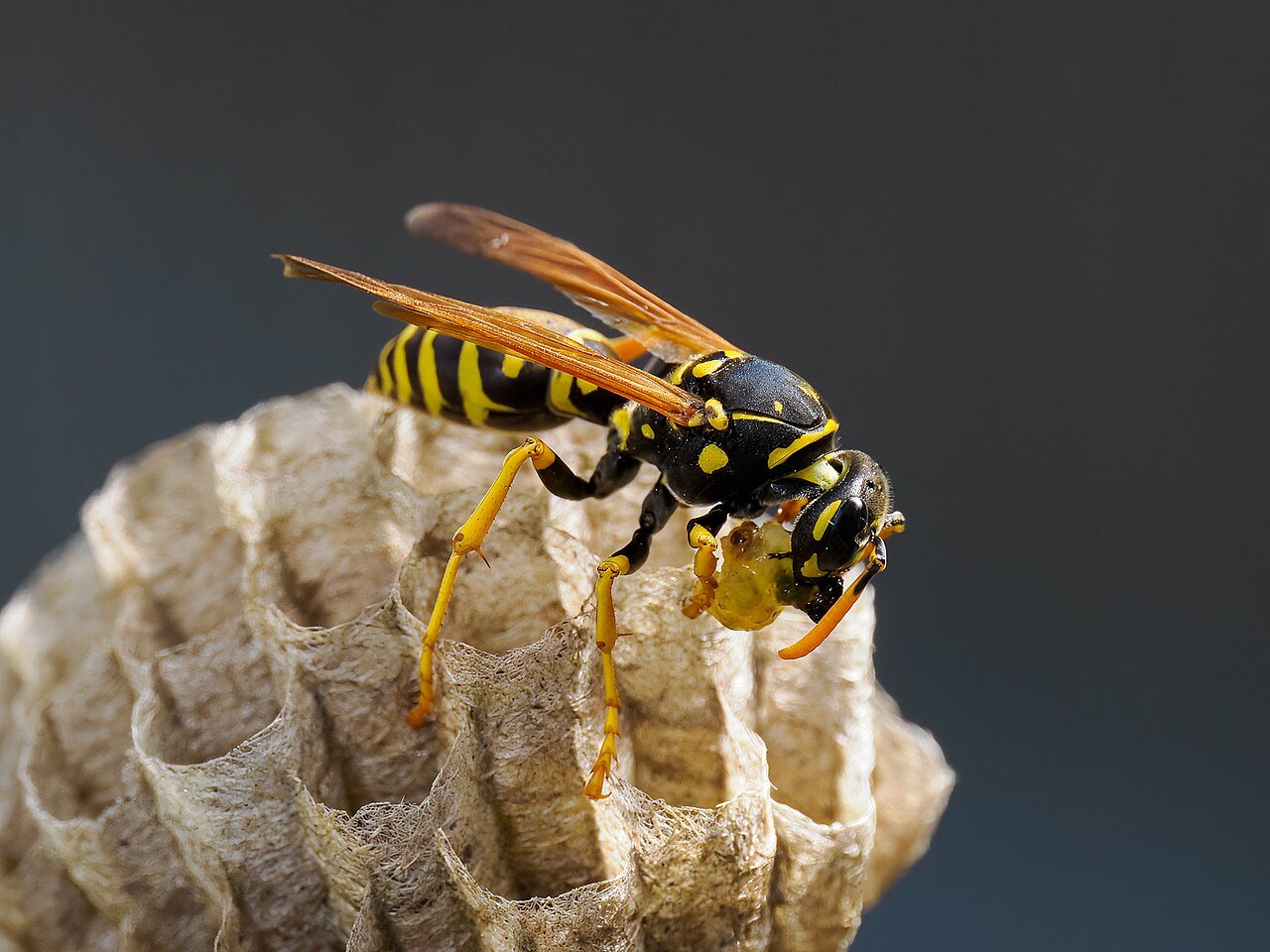
- Metal-building architecture: ribbed panel undersides, hollow square-tube gate and fence posts, conduit runs, and the gap where roof meets wall girt — paper wasp umbrellas colonize all of it, and a single warehouse perimeter can host a dozen colonies by August.
- Dock canopies and trailer yards: sheltered horizontals at working height — canopy corners, dock-leveler pits, the underside of parked trailers that sit — putting nests exactly where hands and heads work daily.
- The equipment file: idle machinery, stacked pallets, and stored fixtures grow colonies between uses — the seasonal startup sting (the mower shed in May, the trailer tarp in June) is a Vandalia workers’-comp classic.
- The field-margin ground game: yellowjacket colonies in the buffer-land and fence-row burrows, peaking in September; and the cicada killers’ July hover show over sunny gravel verges — two inches of drama, zero sting risk, free character reference every time.
The Commercial Program: Safety Meeting Meets Service Schedule
For Vandalia’s operations, wasp control is an OSHA-adjacent line item — a dock-worker sting is an incident report, an allergic employee is an emergency plan, and a summer of improvised broom-handle removals is a liability nobody priced. The commercial program runs on schedule instead: monthly perimeter sweeps through the season (May–September) clearing starter nests from the panel lines, posts, canopies, and equipment staging at the one-queen stage; dusk treatments for established colonies with the same void discipline as any soffit job (hollow-post colonies get treated in the tube, never sprayed at the opening); documentation for the safety file — service dates, locations cleared, and the allergy-protocol notes that satisfy an auditor; and the startup-season audit — equipment, trailers, and seasonal fixtures checked before first use, converting the May mower-shed surprise into a line on a checklist. It’s the same logic as the corridor’s rodent grids: permanent pressure, scheduled answer, paper trail — and it’s why our warehouse program bundles both.
The Residential File
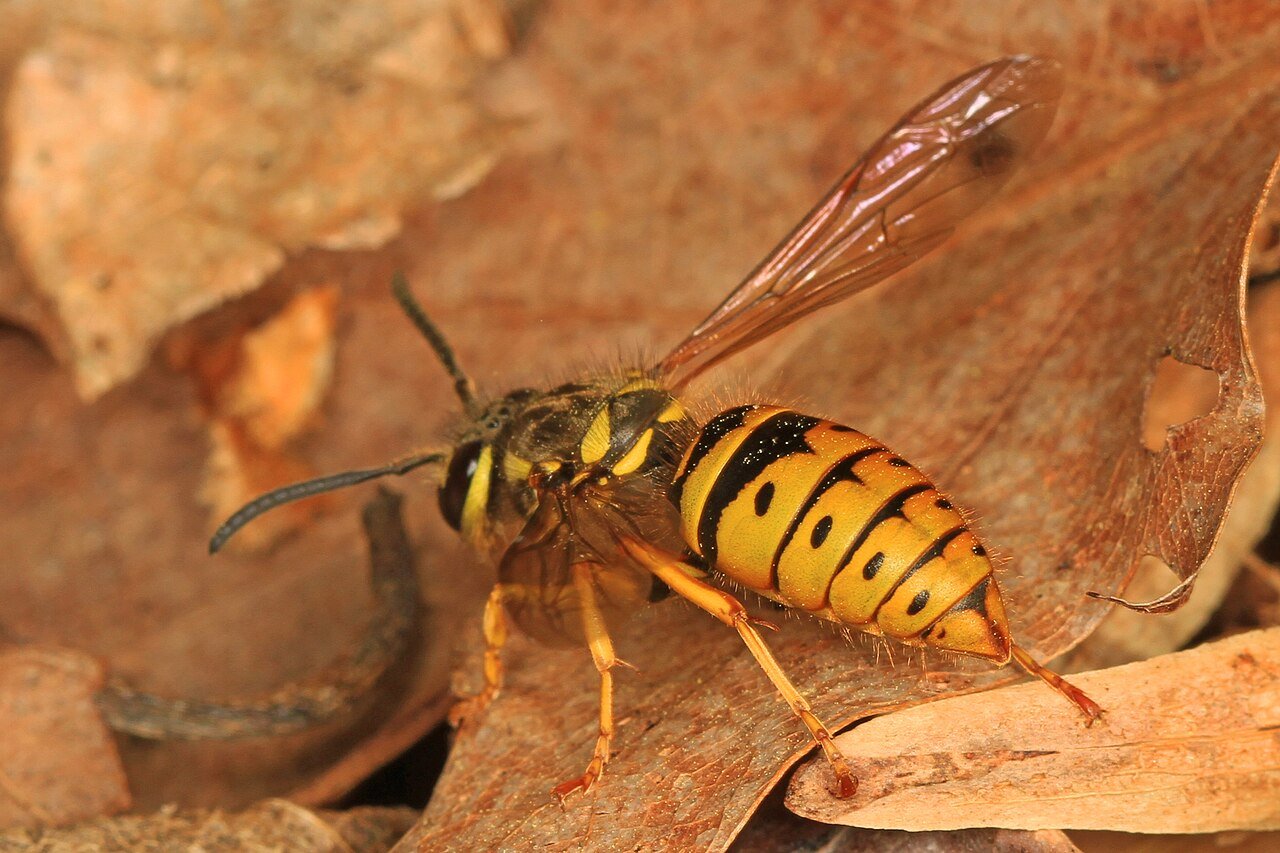
The postwar streets run the standard playbook, compressed: spring patrols (April–June) of eaves, shutters, rail ends, grills, and sheds catching starter nests at broom stage; dusk treatment for established umbrellas in traffic zones and any soffit or wall-void colony (the spray-can-at-the-entrance error and its reroute-into-the-house consequence apply here exactly as everywhere — the professional case); the September ground-nest discipline — pre-mow glances and a July lawn walk, doubly important on the field-adjacent streets where colonies run open-country size; and fall sealing of this year’s entry gaps after frost, canceling next spring’s vacancies. The family taxonomy lives at wasp vs. hornet, prevention at the prevention guide, and sting first-aid — with the emergency escalation signs every field-adjacent household should know cold — at sting treatment.
The Vandalia Calendar and Bottom Line
May: startup audits and the first starter-nest sweeps, commercial and residential alike. June–August: colony-building season — monthly commercial sweeps earn their keep, and the cicada killers run their harmless July show over the verges. September: peak everything — maximum colonies, sugar-switched yellowjackets, and the field-margin ground game meeting fall work. October: frost closes the season; sealing and documentation close the year. Same-week residential response (same-day for doorway nests and allergy households), scheduled commercial agreements with the safety-file paperwork built in, one flat price either way — and the town’s whole file, rodents and ants included, at Vandalia pest control.
Nest at the Dock — or the Back Door?
Scheduled sweeps and safety-file documentation for the operations, same-week dusk removal for the homes — one local crew, flat-priced across Vandalia.
Frequently asked questions
Do you handle wasp nests at Vandalia warehouses and businesses?
On schedule — monthly perimeter sweeps May through September clearing starter nests from panel lines, posts, canopies, and equipment staging, plus dusk treatments for established colonies and documentation for the safety file. A dock sting is an incident report; the schedule is cheaper.
Why do metal buildings get so many wasp nests?
Sun-warmed ribbed panels, hollow square-tube posts, conduit runs, and canopy undersides offer sheltered nest sites by the acre — one warehouse perimeter can host a dozen paper wasp colonies by August. The monthly sweep catches them at the one-queen stage.
What’s the right way to treat a nest in a hollow gate post?
In the tube, not at the opening — spraying the entrance traps workers inside the steel where they reroute and persist. Void colonies get treated internally at dusk, then the post gets capped once the colony is confirmed dead.
Why do we get stung every spring starting up the seasonal equipment?
Colonies grow in idle machinery, stacked pallets, and stored fixtures between uses — the May mower-shed sting is a regional classic. The startup-season audit checks equipment and trailers before first use and converts the surprise into a checklist line.
What are the huge wasps hovering over the gravel verges in July?
Cicada killers — two-inch solitary diggers whose hovering males can’t sting and whose females essentially never do. Free character reference, no invoice; they’re gone by August.
Are the field-edge yellowjacket nests worse than in-town ones?
Bigger, typically — open-country colonies in buffer-land burrows run heavy by September, exactly when fall mowing crosses them. A July walk of field-adjacent lawns finds entrance holes while colonies are hundreds instead of thousands.
What should our business have on file about wasp control?
Service dates, locations cleared, treatment records, and the allergy-protocol notes — the paperwork that satisfies an auditor and shortens an incident review. Our commercial agreements produce it as a matter of course.
How fast can you get to a residential wasp nest in Vandalia?
Same-week standard, same-day for doorway nests and sting-allergy households — flat price quoted first, dusk treatment with proper gear, hosting gaps sealed after, and re-treatment guaranteed.
The Trailer-Yard Footnote
One last industrial habit worth naming: trailers that sit are trailers that host. A parked trailer’s underside offers the same sheltered horizontal as any dock canopy, and units staged for weeks grow colonies that greet the next driver to hook up — the mid-summer coupling sting is the trailer yard’s version of the mower-shed surprise. The fix rides along with the monthly sweep: staged units get a walk-under glance on the service route, long-sitters get flagged, and drivers learn the thirty-second pre-trip look at the landing gear and underride area during wasp season. Small habit, measurable incident-rate difference — and exactly the kind of operational detail a corridor town’s pest program should carry that a residential-only playbook never would.