Miamisburg’s wasps split at the hill line like everything else in the river town — and each elevation runs the nesting architecture its era built. The valley’s historic district offers the Troy-style inventory at Miamisburg scale: Victorian cornice returns, deep porch ceilings, and weathered frame trim by the block, umbrella-wasp real estate a century and a half in the making, plus the old shade trees’ canopy colonies and the occasional stone-foundation void. The hilltop’s vinyl-era stock runs the Springboro file: J-channel gaps, soffit returns, and shutter backs hosting the invisible-until-August wall colonies. Between them, the river corridor’s mud flats add the region’s densest mud dauber population — the harmless organ-pipe builders whose nests get blamed for everything — and the levee’s insect economy keeps every hunting species fed. Two elevations, two playbooks, one honest sort: here’s the map.
The Valley File: Historic Trim and Old Shade
- The cornice-and-porch inventory: paper wasp umbrellas in the Victorian architecture’s hundred sheltered angles — the April-through-June broom patrol’s richest local territory, and the dusk-treatment file for the established colonies the patrol missed.
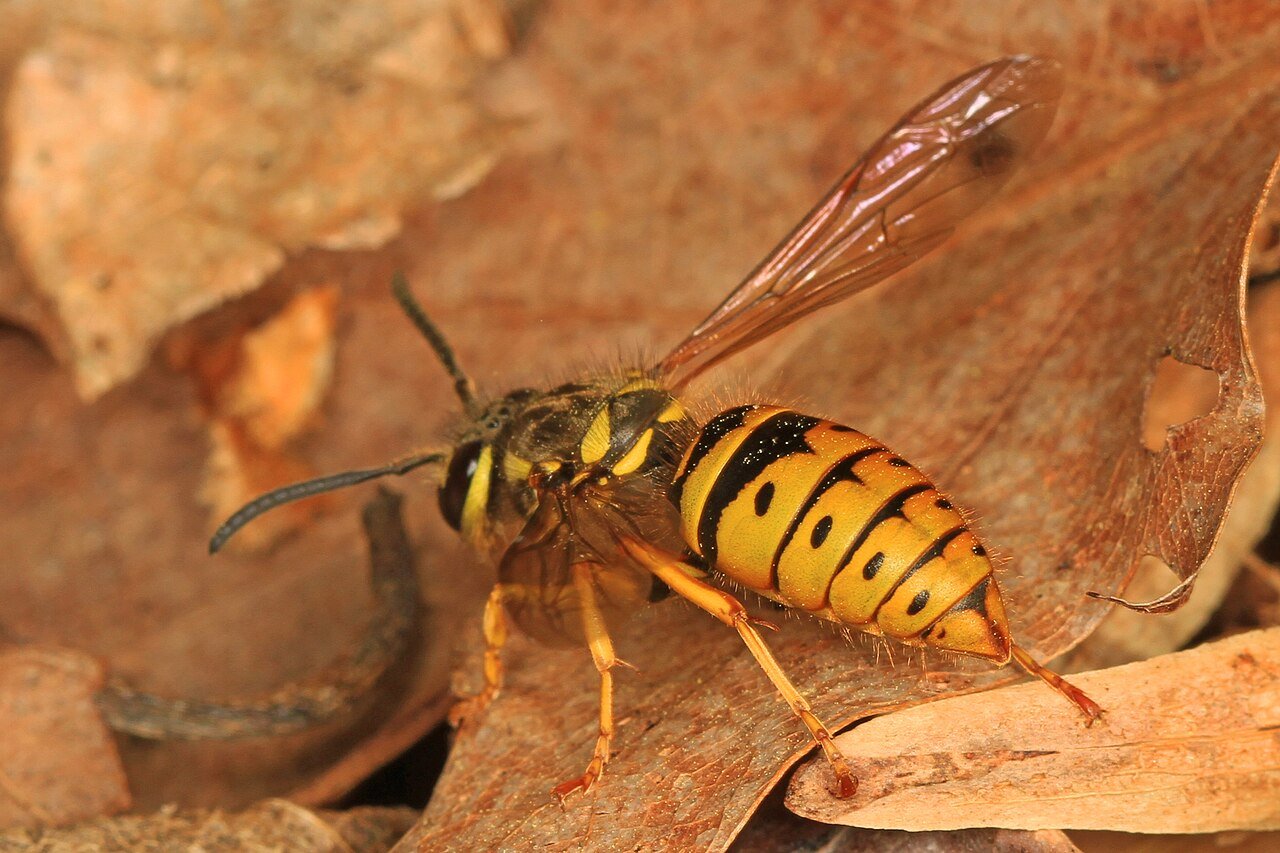
- The canopy colonies: bald-faced footballs in the district’s old maples and the hollow-trunk European hornets whose porch-light night flights mark the valley’s summer — triaged on the standing altitude-and-traffic rules, with the hornet protocol for the trunk colonies in genuine traffic.
- The mud dauber galleries: the river corridor’s clay supply builds organ-pipe and urn nests under every valley eave — solitary, sting-averse, and spider-hunting: the standing free acquittal, delivered here more than anywhere (the full character reference), with removal offered for the cosmetic cases and pushed for none.
- The stone-void occasions: the historic foundations’ mortar gaps occasionally host yellowjacket colonies on the cavity rules — treated in the void at dusk, never sprayed at the entrance, sealed only after verified quiet.
The Hill File and the September Convergence
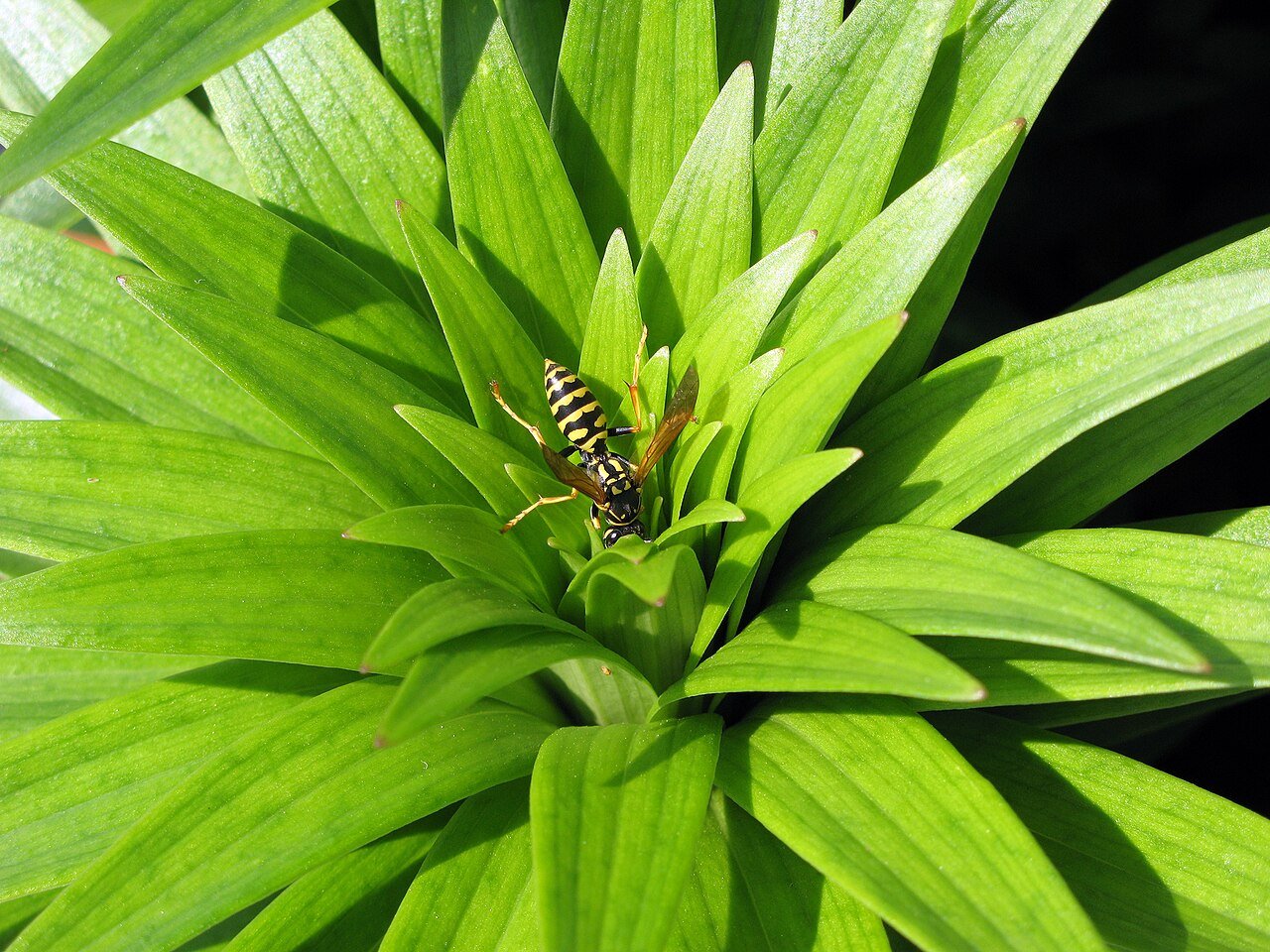
The hilltop runs the vinyl-era standards — queens entering J-channel and soffit gaps in May, wall colonies building invisibly to their August reveal, and the spray-can-at-the-entrance failure mode that reroutes workers indoors (the cavity discipline from our Springboro file applies verbatim: treat the void, seal after, and let the fall gap-closing cancel next year’s vacancies). The lawn game runs both elevations: yellowjacket burrow colonies in the established turf, flagged on the July walk, treated at dusk, never plugged. And the whole town converges in September — peak colonies, the sugar-switch at the patios, the valley’s festival-and-porch season, and the year’s call volume — before October’s frost closes every account at once. The family taxonomy stays at wasp vs. hornet, the ground-nest file at yellowjackets, and the sting protocol — with its emergency escalation signs — at sting treatment.
The Miamisburg Calendar and Bottom Line
April–June: the patrol months — valley cornices and hill shutters at broom stage, the year’s cheapest interventions. July: colonies build; the mud daubers work the riverbank clay; the lawn walk flags the burrow file. August: reveal season on both elevations. September: the convergence. October: frost, then the sealing-and-vents work that closes the year. Same-week response, same-day for doorway nests and allergy households, one flat price quoted first — and the free identification that sorts the valley’s abundant harmless (daubers, cicada killers, the night-flyer commute) from the files that warrant the ladder. The service at professional wasp nest removal — and the river town’s ledger, now six services deep, at Miamisburg pest control.
Umbrella on a Victorian Porch — or a Stream From the Hilltop Soffit?
Two elevations, two playbooks, one crew that knows both — dusk treatment, cavity rules, and the valley’s free acquittals. Flat-priced across Miamisburg.
Frequently asked questions
What are the clay tube nests under my Miamisburg eaves?
Mud dauber galleries — the river corridor’s clay supply makes this the region’s dauber capital. Solitary, sting-averse, spider-hunting, and the standing free acquittal: removal offered for cosmetics, pushed for nothing.
Why do the historic district’s porches get so many wasp nests?
A century and a half of cornice returns, porch ceilings, and weathered trim — umbrella-wasp real estate by the block, and the pulp supply beside it. The April-through-June broom patrol is the valley’s cheapest wasp control.
Wasps are entering a gap in my hilltop soffit — what now?
The vinyl-era wall colony: invisible since May, revealed by August traffic, and treatable only in the void at dusk — never sprayed at the entrance, which reroutes workers indoors. Sealing follows verified quiet, and fall gap-closing cancels next year.
What is the huge wasp at my valley porch light at night?
A European hornet commuting from an old-trunk colony — the district’s summer signature. The light switch resolves most visits; trunk colonies in genuine traffic get the full protocol.
Should I plug the yellowjacket hole in my lawn?
Never — plugged colonies reroute through any gap, occasionally indoors. Flag it, keep the mower clear, and book the dusk treatment that reaches the nest; July discovery beats September by an order of magnitude.
Why does September feel like peak wasp season here?
Because it is — colonies at maximum garrison, the sugar-switch driving foragers to patios, and both elevations’ files converging at once before frost closes every account in October.
Are the mud daubers dangerous to kids on the porch?
Functionally no — solitary females with no colony to defend, stinging essentially never, and hunting the spiders off your eaves as their day job. The galleries are cosmetic; the tenants are staff.
What does wasp removal cost in Miamisburg?
One flat price quoted first — dusk treatment with proper gear, cavity rules where the architecture demands, sealing after, and the free identification that sorts the valley’s abundant harmless from the files that warrant a ladder.
The Dauber Capital’s Teachable Moment
Since this is the page where the region’s mud dauber capital gets its due, the species earns one more paragraph as the valley’s standing entomology lesson. The organ-pipe galleries under the historic eaves are single-mother construction projects: each tube a nursery cell provisioned with paralyzed spiders — the dauber hunts the very web-builders the river’s insect economy employs — sealed, and abandoned to develop alone. No colony, no defense instinct, no alarm pheromone: a dauber bumped from her work simply flies a circuit and returns, and the sting file across the species is functionally empty. What the galleries do tell you is supply-side: heavy dauber construction means heavy spider populations, which means the river’s insect engine is running strong — the same reading as the storefront webs upstream in Troy. In a ledger full of colonies that punish mistakes, the valley’s clay artisans are the opposite lesson: architecture without armies, and the cheapest identification relief we deliver all summer. When in doubt on any eave, the photo is free — and in Miamisburg, the odds favor the artisan.
Miamisburg’s full service picture continues with flea treatment in Miamisburg, ant control in Miamisburg, and spider control in Miamisburg.