
Miamisburg’s flea pressure runs on its geography. The town hugs the Great Miami — river greenway, bike path, park corridors, and the wooded slopes around the Mound — and that green spine is a wildlife highway: rabbits, strays, and the rest of the furred commute cross Miamisburg yards nightly, dusting flea eggs as they go. Add the older housing near downtown with its shaded crawl spaces and deep porches (prime flea nurseries), the newer family neighborhoods up the hill full of dogs with yard access, and summer humidity off the river valley, and you have a town where “the dog has fleas again” is less about the dog than about the ecosystem the yard sits in. Here’s how the cycle actually works locally — and the two-front program that breaks it.
Where Miamisburg Fleas Come From
- The river-corridor commute: yards backing to the greenway, the bike path, and the creek fingers run the heaviest wildlife traffic — and every crossing rabbit or stray is a salt-shaker of flea eggs. This is why the same streets produce flea calls year after year.
- Shade-and-moisture nurseries: flea larvae need humid shade — under decks and porches, in crawl space aprons, beneath the big downtown-block trees. Miamisburg’s older housing offers more of that real estate per lot than the newer suburbs.
- The pet economy: dog yards seeded by wildlife hand fleas to pets; pets carry them to carpets; carpets conveyor them back — the standard cycle, running hotter here because the outdoor seeding never stops.
- The dormant-pupae surprise: move into a previously pet-owning home and week-three fleas can erupt from carpet pupae that waited months for footsteps — a rental-turnover classic in the older blocks.
Why Treating Only the Pet Keeps Failing
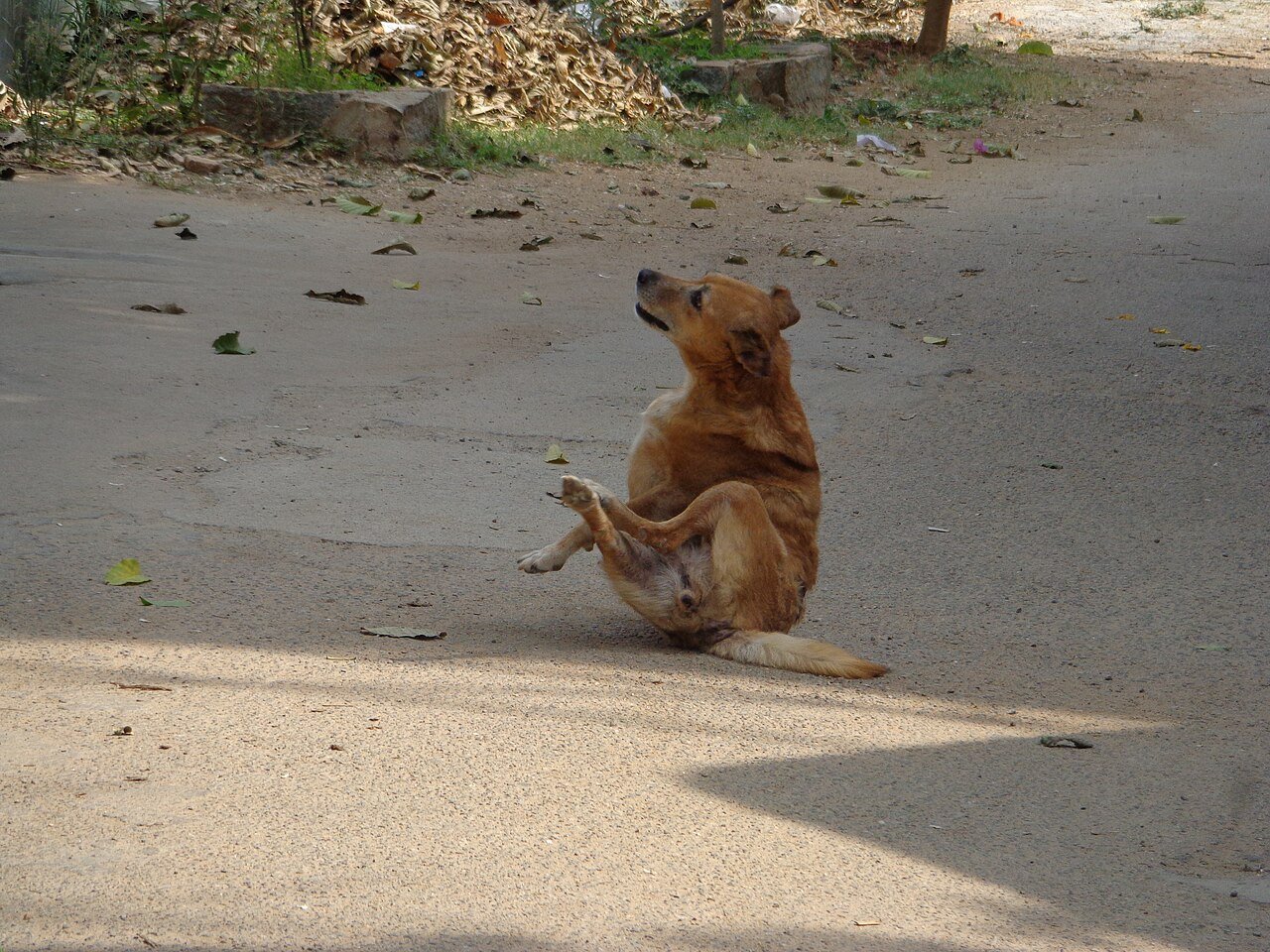
The arithmetic every failed flea summer runs into: adult fleas on the animal are about five percent of the infestation. The other ninety-five percent — eggs, larvae, and pupae — is distributed through carpet pile, bedding, floor cracks, the car, and the yard’s shady margins, conveying new adults onto a freshly treated pet for weeks. So the bath-and-collar cycle treats the visible five percent while the invisible pipeline refills it, and by August the household is convinced flea products “don’t work.” They work fine — aimed at the whole system: the pet front (modern veterinary preventives on every animal in the household, no exceptions — one untreated cat quietly sustains the entire cycle) and the premises front (deep vacuuming with immediate bag disposal, hot-washed bedding, insect growth regulator on carpets and cracks so the next generation never matures, and the yard’s shaded nurseries treated). The full room-by-room version lives at how to get rid of fleas; the signs that you’re past DIY are at signs of fleas in the house; and if the humans are getting bitten too, that page explains the ankle-line pattern.
What Our Miamisburg Flea Service Does
- The interior knockdown: adulticide plus insect growth regulator across the carpeted zones, floor cracks, pet resting areas, and the furniture line — the IGR is the difference-maker, sterilizing the 95 percent the bath never touched.
- The yard program: targeted treatment of the actual nurseries — deck and porch shadows, crawl space aprons, shaded bed margins, the fence line the rabbits run — not a whole-lawn fog. Sunny turf doesn’t sustain fleas; we treat where the biology lives.
- The wildlife-route counsel: in writing — skirting the deck, sealing the crawl vents, ending the outdoor pet-food buffet, and managing the brush line that funnels the nightly commute.
- The coordination piece: we time the premises work to your vet’s pet-side program so both fronts close together — and we’ll tell you plainly that our half without the vet’s half is half a fix.
- The pupal-window honesty: expect straggler sightings for two to four weeks as sealed pupae hatch into the treated environment and die — that’s the program finishing, not failing, and the follow-up visit inside that window is built into the price.
The Miamisburg Flea Calendar
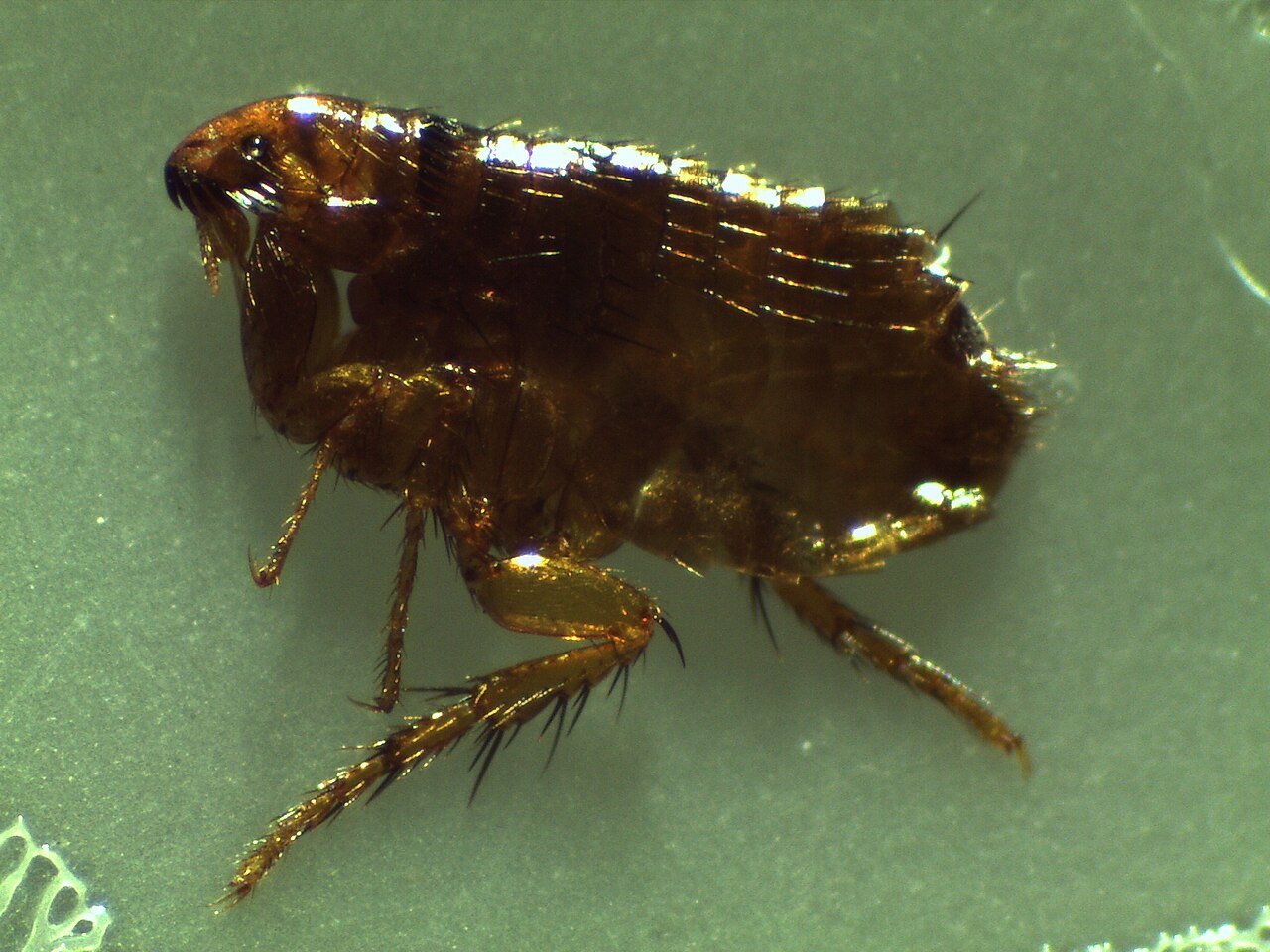
The season builds from May, peaks through the humid river-valley stretch of July into September — when a wet week can double a yard’s hatch — and limps into November outdoors while heated homes run the cycle all winter (the “January flea surprise” is a fall infestation’s pupae cashing in on furnace warmth). The high-leverage moves by season: spring preventive start for every pet before the wave (not after), summer yard treatment where the shade-and-wildlife map says, and the fall premises knockdown for any household that fought fleas through August — going into winter with a seeded carpet is how one flea year becomes two. Riverside and greenway-adjacent streets should treat the calendar a notch more seriously than the hilltop subdivisions; the corridor never stops seeding. Our quarterly Protection Plan carries the whole rhythm — and re-treats free between visits if anything rebounds. The rest of what we do in town, from the historic blocks to Austin Landing’s edges, is on the Miamisburg pest control page; the service itself, with pricing, at flea treatment.
Third Flea Summer in a Row?
Because the yard keeps re-seeding — we treat the nurseries, sterilize the carpet pipeline, and coordinate with your vet so it actually ends. One flat price, guaranteed.
Frequently asked questions
Why does my Miamisburg yard get fleas every summer?
The river greenway and creek corridors run nightly wildlife traffic — rabbits and strays dusting flea eggs across adjacent yards — and shaded, humid nurseries under decks and porches incubate them. The same streets re-seed annually until the habitat and routes are addressed.
We treated the dog but still have fleas — why?
Because the animal carries about 5 percent of the infestation; the eggs, larvae, and pupae in carpet, bedding, and yard shade conveyor new adults onto the treated pet for weeks. The premises front — growth regulator indoors, nursery treatment outdoors — closes the other 95.
Do you treat the whole yard for fleas?
No — sunny turf doesn’t sustain them. We map and treat the actual nurseries: deck and porch shadows, crawl space aprons, shaded bed margins, and the wildlife fence lines. Targeted beats fogged, for results and for the yard’s beneficials.
We moved into a Miamisburg rental and fleas appeared — how?
Dormant pupae from a previous pet household wake to new footsteps and warmth, often two to three weeks after move-in. It’s a documented pattern, no pet required — and a premises treatment problem, not a pet-product one.
Why do I keep seeing a few fleas after treatment?
The pupal window: sealed pupae shrug off treatment, hatch over two to four weeks into the treated environment, and die — stragglers during that stretch are the program finishing. The built-in follow-up visit lands inside that window.
Can fleas live through a Miamisburg winter?
Outdoors, hard frost knocks them down; indoors, furnace warmth runs the cycle all year — January fleas are an autumn seeding cashing in. Fall premises treatment for any household that fought fleas through August prevents the sequel.
Are fleas dangerous or just itchy?
Beyond the itch: flea allergy dermatitis in pets, tapeworm transmission from swallowed fleas, and genuine anemia risk in heavily infested kittens and puppies — plus ankle-line bites on people when populations overflow. Worth ending properly, not managing.
Do you coordinate with our veterinarian?
Yes — we time premises treatment to your vet’s pet-side preventive program so both fronts close together, and we’ll say plainly that either half alone is half a fix. Every animal in the household needs coverage; one untreated cat sustains the cycle solo.
For the rest of what this town actually deals with, see bed bug treatment in Miamisburg, termite control in Miamisburg, and cockroach control in Miamisburg.