
The most expensive sentence in Beavercreek real estate is “the house is too new for termites.” It isn’t — and the way this suburb was built explains why. Beavercreek grew fast across former farmland and wooded creek corridors, and its signature construction — slab-on-grade homes from the ’70s through the 2000s, wood privacy fencing by the mile, landscape timbers, and deep bark mulch against the foundation — offers eastern subterranean termites a different set of doors than the old basements of Dayton, not fewer of them. We install and service termite protection across every Beavercreek zip, and this page covers how the local construction actually gets attacked, what the warning signs look like on a slab, and how modern bait and soil programs make this the most solvable major pest problem a homeowner here will ever face.
The Slab Problem: Why Newer Beavercreek Homes Aren’t Safe by Default
Termites reach a basement house by climbing a visible foundation wall — which is why basement infestations get caught. They reach a slab house through routes nobody can see: expansion joints where garage and porch slabs meet the main pour, plumbing penetrations where supply and drain lines pass through the concrete, and bath traps — the soil-filled voids under tubs that builders leave accessible to plumbing and, inadvertently, to everything that lives in soil. A colony working a Beavercreek slab can commute from ground to wall framing without ever showing a mud tube outdoors, which is why slab infestations here are so often discovered late — at the baseboard bubbling stage, or during a remodel. The construction era matters too: much of Beavercreek predates modern pre-treatment standards, and even treated soil barriers from the ’80s and ’90s degraded decades ago. None of this is cause for alarm; it’s cause for monitoring — the entire logic of the annual inspection and bait-station approach below.
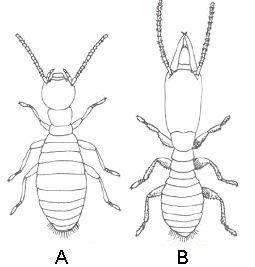
What Beavercreek Feeds Them: the Landscape Buffet
- Mulch depth: the deep hardwood mulch beds this suburb landscapes with hold moisture against foundations and hide the top inches of slab edge — keep beds shallow and pull them back to leave visible concrete.
- Wood fence lines: miles of privacy fencing with posts in soil — every post a feeding station, every fence line a highway toward the house. Post replacement seasons are when homeowners meet their first swarmers.
- Landscape timbers and raised beds: ground-contact lumber is standing termite infrastructure; the timber wall installed in 1995 is often the colony’s anchor property.
- The creek corridors: the wooded stream network that gives Beavercreek its name keeps natural colonies dense — deadfall and stumps sustain the population that scouts the subdivisions.
- Firewood and deck posts: the standard rules — wood off soil, stacks away from the house, deck posts on standoffs — carry extra weight in a suburb bordered by woods.
Reading a Slab House for Termites
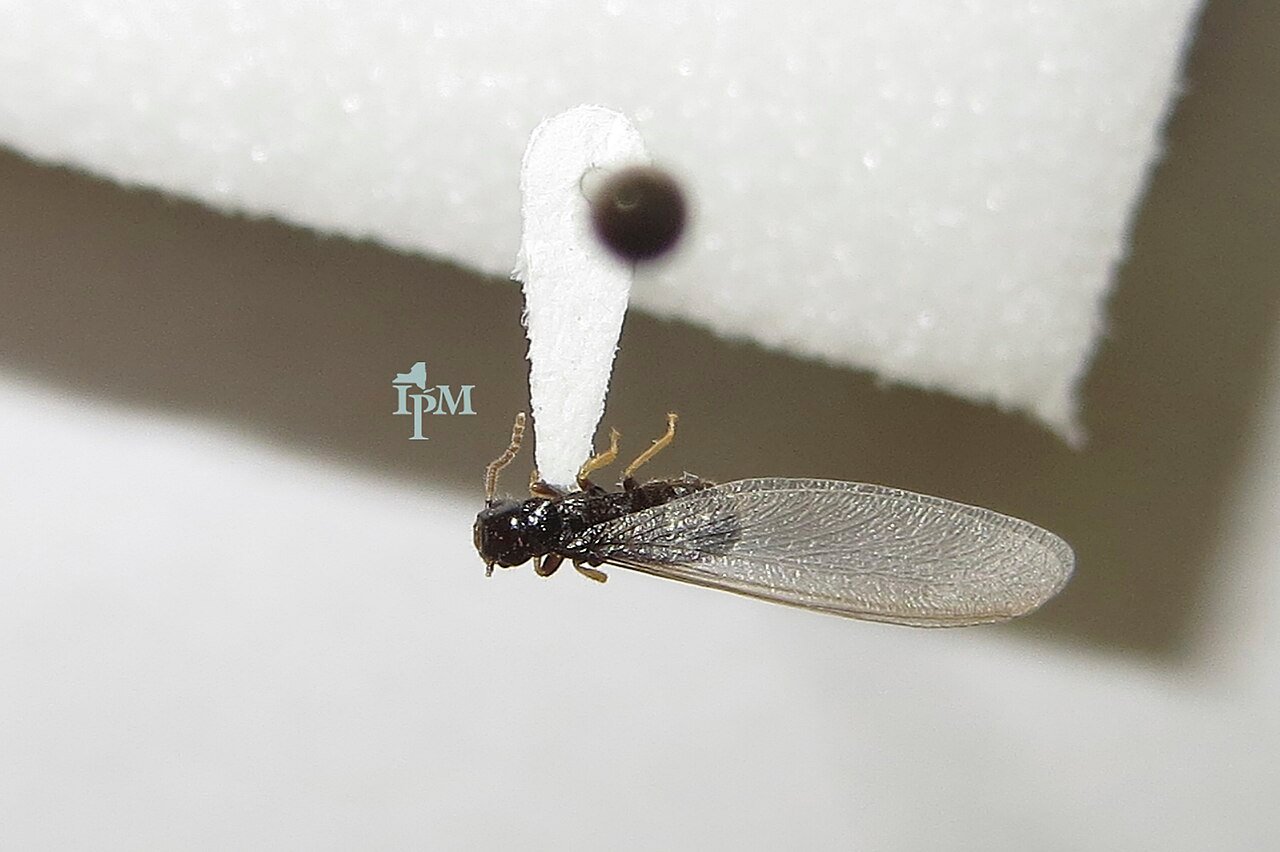
The signs shift indoors on a slab. Swarmers are the loudest: winged, dark, shed-wing piles on window sills in March through May — and on a slab home, indoor swarmers almost always mean the colony is under or in the structure (the ant-versus-termite check on our flying ant page comes first, then the phone). Baseboard and drywall clues: bubbling paint, pinholes with soil crumbs, hollow-sounding trim, and floors that feel spongy along exterior walls. Mud evidence indoors: soil-colored veining at the slab-wall junction behind furniture, in the garage’s corner joints, and around the bath trap access. The garage inspection: Beavercreek’s attached garages — slab joints, stored cardboard, and sill plates at grade — are where our inspectors find first evidence most often. The full sign catalog lives on signs of termites; the practical habit is a spring walk-through of window sills and the garage perimeter every year, timed to swarm season.
How We Protect Beavercreek Homes
Modern termite control fits slab construction perfectly, which is the good news this page has been building toward. Bait station systems — our standard recommendation here — ring the home with in-ground stations that intercept foraging termites before they reach the slab’s hidden routes; workers carry the growth-inhibiting bait home, the colony itself collapses, and the stations then stand guard against the neighborhood’s next colony indefinitely. It’s monitoring and elimination in one installation, it doesn’t require trenching through established landscaping, and it’s the approach we detail on our bait station page. Liquid soil treatments — non-repellent termiticide applied at the foundation and through slab penetration points — remain the right call for active infestations needing faster knockdown, and the two approaches combine on the worst cases. Every program includes the annual inspection, damage assessment referrals through our repair guidance, and transferable documentation — which matters in a suburb where homes trade as fast as Beavercreek’s do; ask any agent what a current termite service record does for a closing. Straight pricing for all of it is on our cost page.
The Beavercreek Calendar and the Honest Odds
Swarm season runs March through May — warm afternoons after rain, and the week the calls spike every year. Summer is silent feeding season; fall is the smart-money window for bait installation (colonies forage aggressively before winter, finding stations fast); and winter pauses nothing under a heated slab. The odds worth knowing: eastern subterranean termites are active in every Beavercreek neighborhood — treating them as a rare catastrophe is the mindset error; they’re a common, slow-moving, fully insurable-against fact of Ohio homeownership, and the households that treat protection as routine maintenance (a bait ring plus an annual inspection) simply never have a termite story to tell. That’s the outcome we sell, at one flat price, with the same guarantee as everything else we do — and everything else we do in this suburb lives on the Beavercreek pest control page.
Wings on a Beavercreek Windowsill?
Free identification, honest triage, and slab-smart protection — bait rings, soil treatment, and annual inspections at one flat price.
Buying or selling in Beavercreek? What a lender, a VA file, or a listing agent asks for is not a treatment — it is a written report. That is a termite and WDI inspection in Beavercreek: $99 flat on the lender-ready NPMA-33, next business day, PDF the day we inspect. Treatment only enters the conversation if the report actually finds something.
Frequently asked questions
Can newer Beavercreek homes really get termites?
Yes — slab-on-grade construction offers hidden routes (expansion joints, plumbing penetrations, bath traps) that let colonies reach framing without visible mud tubes, and pre-treatment barriers from the ’80s and ’90s degraded long ago. Newer means differently exposed, not protected.
What are the signs of termites in a slab house?
Indoor swarmers or shed wings in spring, bubbling paint and pinholes along baseboards, hollow trim, soil-colored veining at slab-wall junctions, and evidence in the attached garage’s corner joints — slab infestations show inside first, which is why annual inspection matters.
Are bait stations or liquid treatment better for Beavercreek homes?
Bait rings are our standard here — they intercept foragers before the slab’s hidden entry routes, collapse the colony, and stand permanent guard without trenching landscaping. Active infestations get liquid soil treatment for faster knockdown, sometimes combined.
Does mulch really attract termites?
Deep mulch holds foundation moisture and hides the slab edge where evidence would show — it’s less an attractant than a concealment-and-comfort layer. Keep beds shallow and pull them back to leave visible concrete year-round.
When do termites swarm in Beavercreek?
March through May, on warm humid afternoons after rain. Swarmers emerging indoors mean a mature colony in or under the structure; swarmers outdoors mean the neighborhood’s normal background pressure — and a good year to install monitoring.
Is my wood privacy fence a termite risk?
Soil-set posts are feeding stations and fence lines are highways toward the house — most Beavercreek homeowners meet their first swarmers during post replacement. Fences don’t doom the house; they argue for the bait ring between fence and foundation.
Does a termite service record help when selling a Beavercreek house?
Meaningfully — transferable protection documentation and a current inspection reassure buyers and lenders in a market that trades as quickly as this one. It’s routine maintenance that reads as diligence at closing.
What does termite protection cost in Beavercreek?
Flat, published pricing — bait system installation with annual service, or liquid treatment scoped to the foundation — on our cost page, with a free inspection first. No termite job here requires tenting, ever; that’s a drywood-termite process Ohio never needs.
Related reading from the same streets: wasp & hornet removal in Beavercreek, cockroach control in Beavercreek, and rodent control in Beavercreek.