Kettering’s spiders live where the mid-century architecture keeps its secrets: the crawl space. The city’s signature crawl-over construction — the same sheltered under-floor corridor that runs its rodent file — is a spider economy unto itself: dark, humid, insect-stocked, and connected to the living space above through every vent, hatch, and utility drop. Above grade, the ranch-and-split-level stock adds the standard inventory (window wells, mature foundation plantings, the estate-basement storage of a settled city), and the seventy-year shade canopy runs the porch-light economy at full maturity. Where Beavercreek’s spiders work the woods and Huber’s work the veneer, Kettering’s work the underfloor — and the management follows them down. Here’s the crawl-space edition.
The Under-Floor Economy
- The crawl space proper: bare-earth or gravel floors breathing humidity, insect populations (the springtail-and-cricket economy) feeding resident funnel weavers and cobweb crews, and the vent-and-hatch openings cycling both populations seasonally. The census up top — basement-adjacent rooms, floor-level closets — reads the crawl’s condition the way a cellar census reads a stone wall’s.
- The connection points: utility drops, duct penetrations, and the hatch itself carry crawl-space residents into the living space — the sill-line and floor-register sightings that make settled households wonder where they’re coming from. Sealing the drops answers the question permanently.
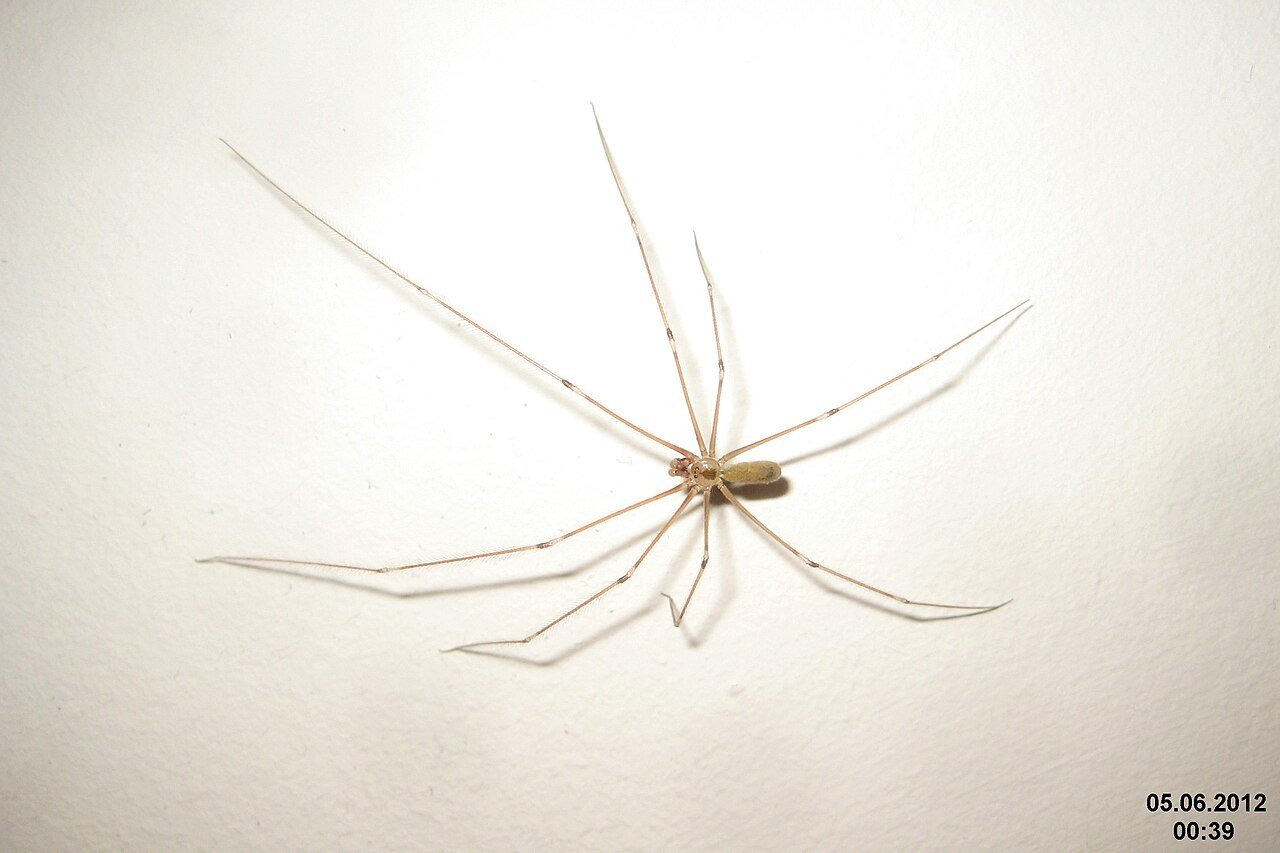
- The estate-basement file: the settled city’s decades-deep storage — the same undisturbed boxes as the estate economy’s other files — hosts the town’s thin serious-species inventory: occasional widows in the deep shelves, gloves-before-blind-reaches as the standing rule, and free photo verdicts always (the sober rankings).
- The mature-canopy standard: seventy-year shade runs the porch-light insect economy at full production — orb weaver rings at the fixtures from August to frost, managed with the light strategy every file shares.
Managing From the Crawl Up
The Kettering playbook works the architecture’s levels in order. The crawl front leads: humidity control (vapor barriers and ventilation tuning — the same moisture work the rodent and general-pest files reward), targeted treatment of the resident populations at the piers and sill lines, and the vent screening that manages the seasonal cycle. The connection sealing converts the house — escutcheons at utility drops, weatherstripped hatches, and register-gap attention ending the “where do they come from” sightings at their source. The above-grade standard runs the regional program: quarterly de-webbing with egg-sac removal (eaves, shutters, window wells, the porch geometry), perimeter banding at the foundation plantings, and the light strategy at the mature canopy’s fixtures. The estate-basement protocol rounds it out: shelving-and-gloves counsel, sticky monitors answering the census question with evidence, and the storage-conversion advice (sealed totes, up off the floor) that serves three files at once. The philosophy stays the library’s — spiders starve out, not spray out (the reasoning) — and the identifications stay free, with the who’s-who at common spiders in Ohio.
The Kettering Calendar and Bottom Line
The seasonal rhythm runs the regional year — spring dispersal, summer build, the August-to-October peak, winter’s indoor retreat — with the crawl space smoothing the curve: under-floor populations work year-round at whatever level the humidity permits, which is why the vapor-barrier conversation is the town’s most durable spider intervention. Fall’s visit carries the heavy de-webbing and the pre-winter crawl check; spring resets the perimeter; and the quarterly Protection Plan holds the whole stack — crawl to canopy — with free re-treatment between visits. One flat price, the service at spider control — and the mid-century ledger, now five services deep, at Kettering pest control.
Spiders at the Floor Registers — and No Idea From Where?
The crawl space knows: humidity control, connection sealing, and the program that manages the stack from under-floor to eave. Flat-priced across Kettering.
Frequently asked questions
Where do the spiders at my Kettering floor registers come from?
The crawl space — the under-floor corridor breathes humidity, stocks an insect economy, and exports residents through utility drops, duct penetrations, and the hatch. Sealing the connections answers the question permanently.
Does the crawl space really affect spiders upstairs?
Directly — the sill-line and floor-level census upstairs reads the crawl’s condition the way a cellar census reads a stone wall. Vapor barriers and ventilation tuning are the town’s most durable spider intervention.
Are there dangerous spiders in Kettering basements?
The settled city’s thin serious file lives in decades-deep estate storage — occasional widows in the undisturbed shelves. Gloves before blind reaches, sticky monitors for the census, and free photo verdicts for anything jarred.
What are the webs around my porch light every fall?
Orb weavers harvesting the mature canopy’s insect economy at full production — the August-to-frost ring, moved by warm-toned bulbs and repositioned fixtures rather than any treatment of the architects.
What does a crawl-space spider treatment involve?
Humidity control first (vapor barrier, ventilation tuning), targeted treatment of resident populations at piers and sill lines, vent screening for the seasonal cycle — then connection sealing so the living space stops importing.
Do estate clean-outs stir up spider problems?
They disturb decades of undisturbed habitat at once — the gloves-and-shake protocol applies to every deep shelf, and the storage conversion (sealed totes, off the floor) serves the spider, rodent, and bed bug files simultaneously.
Why do I see more spiders in September?
The regional peak — the year’s spiders reach adult size together, webs hit maximum visibility, and wanderers cross floors through October before frost resets the calendar. The fall visit carries the year’s heaviest de-webbing for exactly this reason.
What does spider control cost in Kettering?
One flat price: the crawl-to-canopy program — under-floor treatment and humidity counsel, connection sealing, quarterly de-webbing with egg-sac removal, and the light strategy — with free re-treatment under the Protection Plan.
The Window-Well Inventory
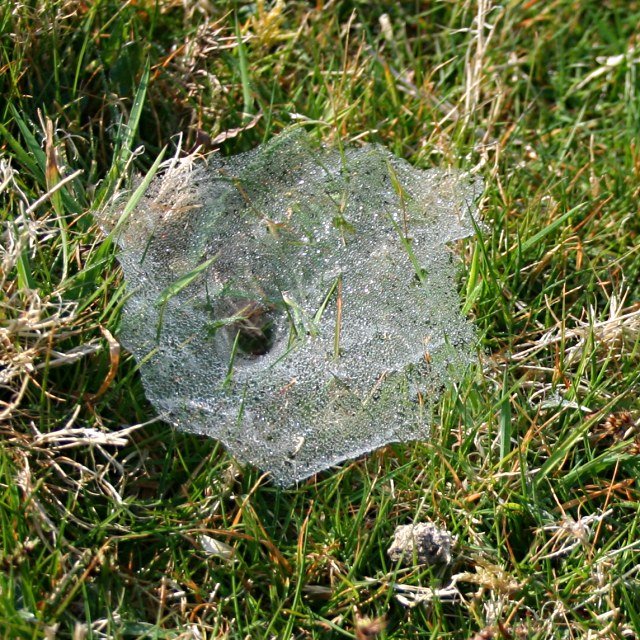
One above-grade feature deserves its own Kettering paragraph: the window well. The city’s split-level and raised-ranch stock runs more below-grade windows per house than any neighboring town, and each well is a pitfall trap with catering — insects tumble in, funnel weavers sheet the corners, and the uncovered well becomes a self-stocking spider exhibit visible from the rec room. The fix is the cheapest hardware in this file: covers or screens converting the exhibits back into windows, drainage attention where wells hold damp (the same water that feeds the crawl feeds the wells), and the well-by-well de-webbing pass on every quarterly visit. For households weighing priorities, the wells and the crawl connections together account for the majority of the town’s interior sightings — two afternoons of hardware, and the mid-century house’s spider file drops to porch-light management and the fall wanderer’s cameo. The architecture built the habitat; the hardware retires it.
And the settled-city closer: Kettering’s spider work rewards the same patience as everything else in its ledger — the housing is consistent, the habitat map is known, and the interventions are hardware and humidity more than chemistry. A house that seals its crawl connections, covers its wells, and dries its under-floor runs a spider census most towns would envy, maintained by nothing more heroic than the quarterly de-webbing pass. The dynasties keep the crawl space; the living room returns to the household. That’s the whole trade, and it holds for decades once made.