
Kettering’s mice have a favorite door, and it’s attached to the house. The city’s signature housing — mid-century ranches and split-levels, most with attached garages, many over crawl spaces rather than full basements — concentrates rodent entry into two predictable zones: the garage’s aging weatherstripping and the crawl space’s vents, hatches, and utility penetrations. Seventy years of settling has done the rest, easing sill gaps open and loosening the original seals around every pipe and cable run. The payoff of that predictability: Kettering rodent work is unusually winnable. The entry map is short, the fixes are durable, and a house sealed to standard here tends to stay quiet for years. This page walks the local map.
The Two Doors: Garage and Crawl
- The attached garage is the airlock: mice slip under the overhead door’s worn gasket — corners first, where the rubber compresses over decades — then take their time finding the house door, the water heater platform, or the wall voids shared with the kitchen. Birdseed, pet food, and cardboard storage turn the airlock into a lobby; the gasket-and-sweep refresh is the single highest-value fix in the city.
- The crawl space is the highway: Kettering’s crawl-over foundations put a sheltered, dirt-or-gravel corridor under the living space, entered through unscreened vents, loose access hatches, and the gaps where plumbing and ductwork drop through. Once inside, every stud bay above is an on-ramp — the wall-scratching over the bedroom traces back to a vent screen that failed years ago.
- The supporting cast: sill gaps atop the original block, the AC lineset’s aged sealant, dryer vents with broken flaps — the standard dime-width audit, tightened by seventy years of settling.
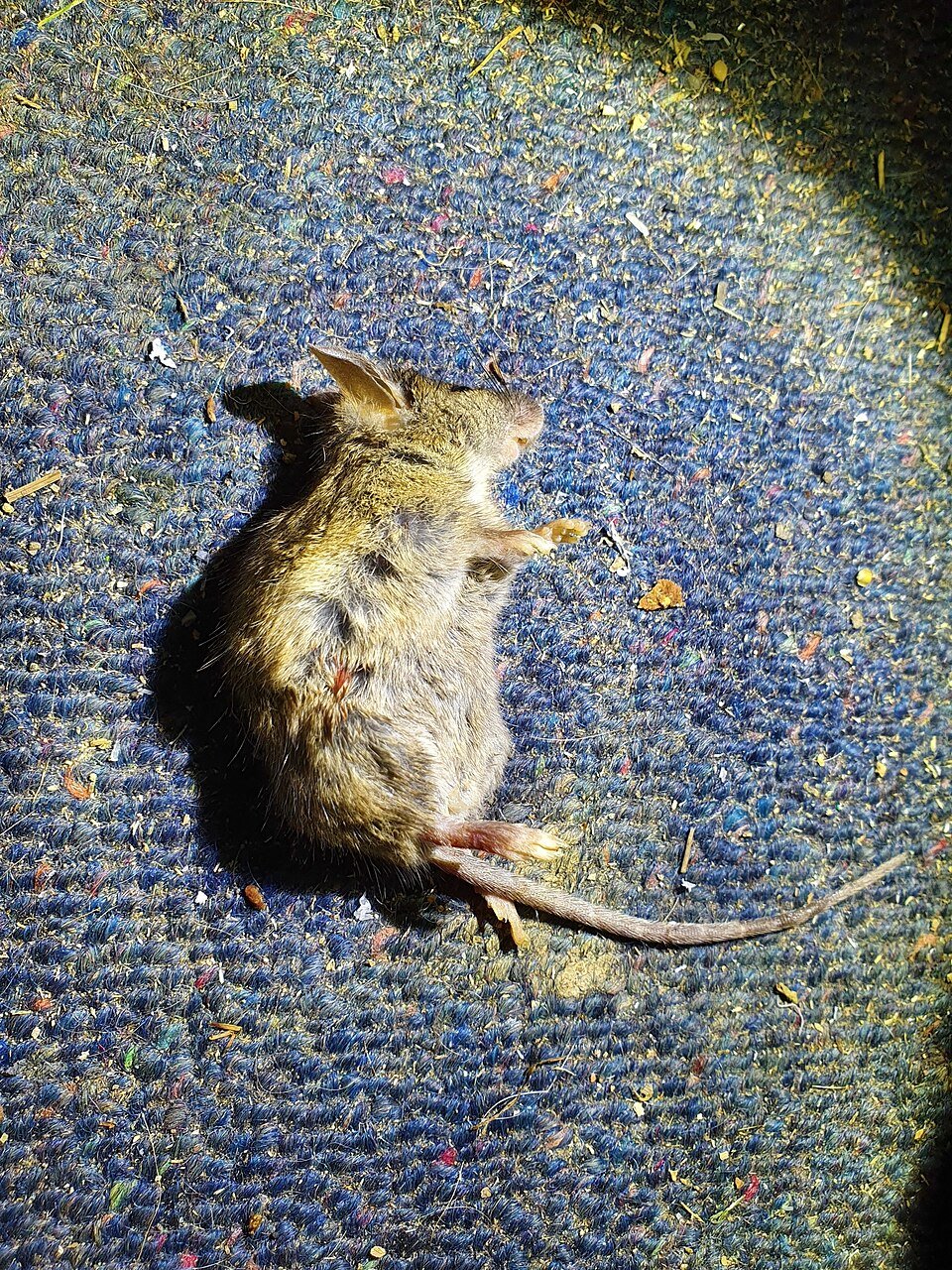
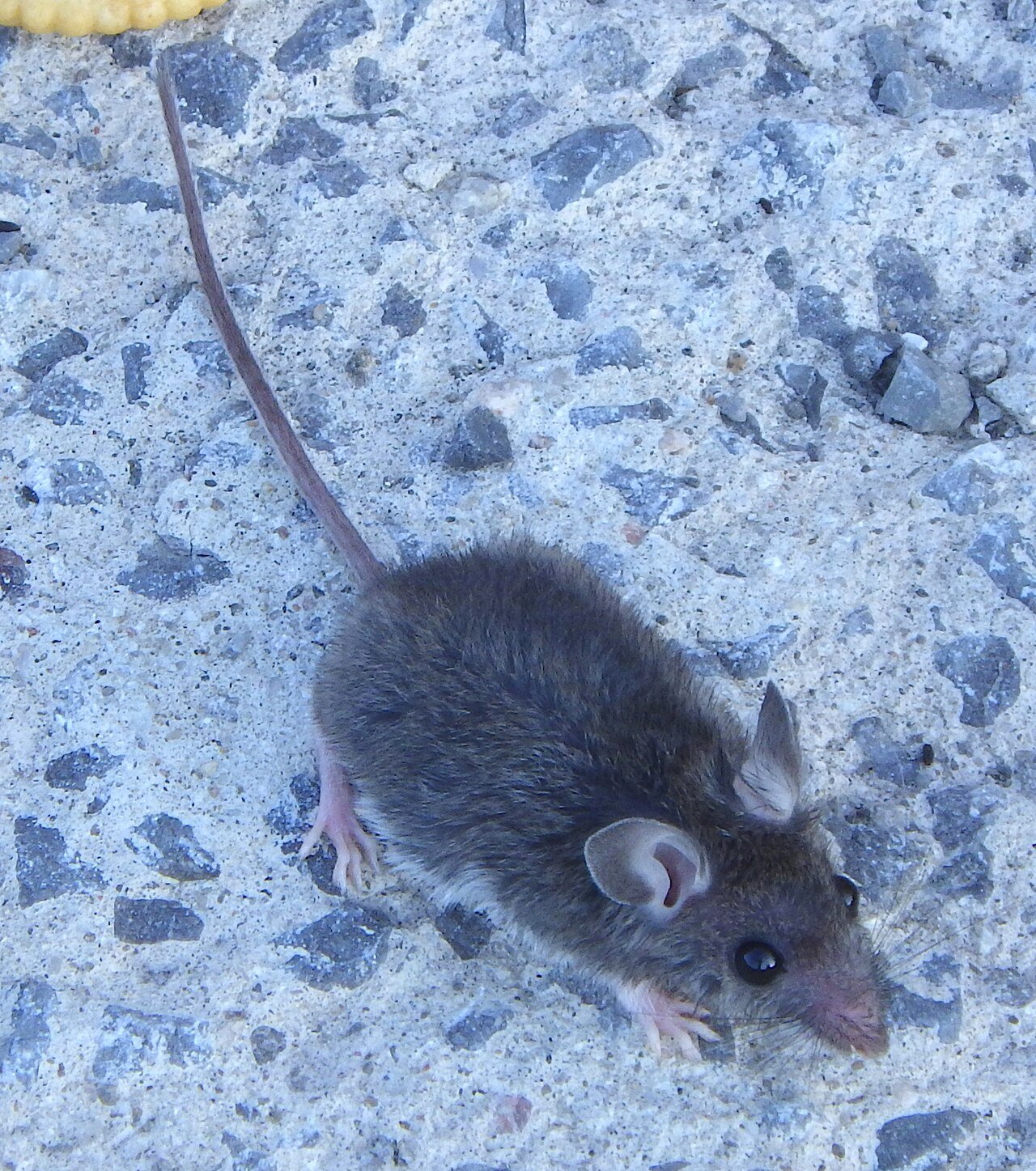
- The species: house mice dominate; the leafier streets add the occasional white-footed mouse in fall. Rat work is rare in Kettering — a genuine rat sign (raisin droppings, heavy low noise) is worth the species check and a faster call, but it’s the exception here, not the pattern.
The Kettering Program: Short Map, Durable Fixes
The campaign runs the standard trap-seal-verify arc, tuned to the local map. Trapping concentrates where the architecture says: the garage’s wall lines, the kitchen-adjacent voids, the crawl space’s runways (yes, we go in), and the attic wall-plates where the noise has gone overhead — snap traps on the actual routes, checked on schedule, never poison inside the structure (a bait-killed mouse in a crawl space or wall void trades a noise for a three-week odor; the full case here). Sealing is where Kettering jobs earn their durability: new overhead-door gaskets and sweeps, quarter-inch hardware cloth on every crawl vent, a properly fitted access hatch, copper mesh and sealant at the lineset, dryer vent, and sill gaps — the whole audit usually runs a page, not a book, which is exactly why it holds. Verification closes it: flour patches at former runways, silent nights, and a clean follow-up pass before we call it done. The DIY-inclined can run most of this from our library — the trapping fundamentals, the entry audit, the evidence reads — and the call-us thresholds are honest: two silent-week failures, crawl spaces you’d rather not enter, or the annual-recurrence pattern that means the entries keep reopening.
The Kettering Calendar — and the Storage Note
The rodent year here is the regional standard with a local accent: September is the audit month — gaskets, vent screens, and sill checks before the first frosts send the outdoor population toward heated slabs and crawl spaces; October through February is trapping season, led by garage sightings and wall noise on the colder streets; spring is cleanup and verification. The accent is storage: Kettering’s garages and crawl spaces hold decades of household archives, and cardboard at floor level is both nesting stock and cover. The tote conversion — sealed plastic, up off the slab — removes the habitat and makes every future inspection faster. One more local note: the city’s mature-tree streets run steady fall pressure from the wildlife economy those trees support, which is why the sealed-by-September houses and the every-January houses are usually the same architecture with different calendars. Our quarterly Protection Plan bundles the fall audit; the rodent control service page has the full method; and everything else we do in town — including the ant story this housing stock writes — is on the Kettering pest control page.
Scratching Over a Kettering Bedroom?
Garage gasket to crawl vent, trapped and sealed to standard — the short-map city where rodent work actually stays done. One flat price, guaranteed.
Frequently asked questions
How do mice get into Kettering houses?
Two doors dominate: under the attached garage’s aging overhead-door gasket, and through the crawl space’s unscreened vents, loose hatches, and utility penetrations — then up the stud bays. Seventy years of settling opened the supporting gaps; the audit usually fits on one page.
Why do I hear scratching over the bedroom in a ranch with no basement?
The crawl space is the highway: mice enter through a failed vent screen or hatch, and every stud bay above is an on-ramp to the walls and attic. The fix starts at the vents, not the ceiling.
Do you go into crawl spaces?
Yes — trapping the runways and screening the vents from inside the crawl is standard Kettering work, and it’s where half the city’s rodent jobs are actually won. If you’d rather not go under the house, that’s precisely what we’re for.
Should I put poison in my garage for mice?
No — poisoned mice die in the crawl space or wall voids, trading a noise for weeks of odor, and dosed carcasses endanger pets and owls. Snap traps on the garage wall lines kill as effectively in retrievable places; poison’s only sane role is locked exterior stations.
What should I do before winter to keep mice out?
The September audit: fresh overhead-door gasket and sweep, quarter-inch hardware cloth on every crawl vent, a fitted access hatch, and mesh-and-sealant at the lineset, dryer vent, and sill gaps — plus birdseed and pet food into sealed bins. It beats every January call.
Are the mice in my Kettering garage dangerous?
The risks are contamination and wiring — droppings on storage and gnawed insulation — more than anything dramatic; house mice dominate here and rat work is rare. A two-toned mouse in fall may be a white-footed mouse, which upgrades droppings cleanup to wet methods with gloves.
Why do the mice come back every fall?
Because the entries reopen — gaskets compress, screens rust, new cable runs punch new holes — and the mature-tree streets restock the outdoor population annually. An annual fall exclusion check (bundled in our quarterly plan) breaks the every-January pattern.
How long does it take to clear mice from a Kettering house?
Most jobs run two to three weeks: the first week’s trapping does the heavy lifting, sealing closes the map, and two silent weeks with clean flour patches is the finish line — verified on a follow-up pass, guaranteed under the plan.