
You came back from the beach with a constellation of itchy welts around your ankles, somebody said “sand fleas,” and now you’re worried you brought them home in the luggage. Take a breath: almost everything commonly believed about sand flea bites is a case of mistaken identity — starting with the fact that the animal actually named “sand flea” doesn’t bite people at all. This page untangles the whole mess: what sand fleas really are, what actually bit you at the beach, whether any of it can follow you back to Ohio, and how to tell a vacation souvenir from a home-grown problem that deserves a different name and a different fix.
The Name Problem: Three Different Animals, One Label
“Sand flea” is folk taxonomy at its most chaotic — it gets applied to at least three unrelated creatures, only one of which deserves your concern:
Ohio has no sand fleas, so bites like these almost always trace back to cat fleas indoors — which is a job for flea treatment in Dayton.
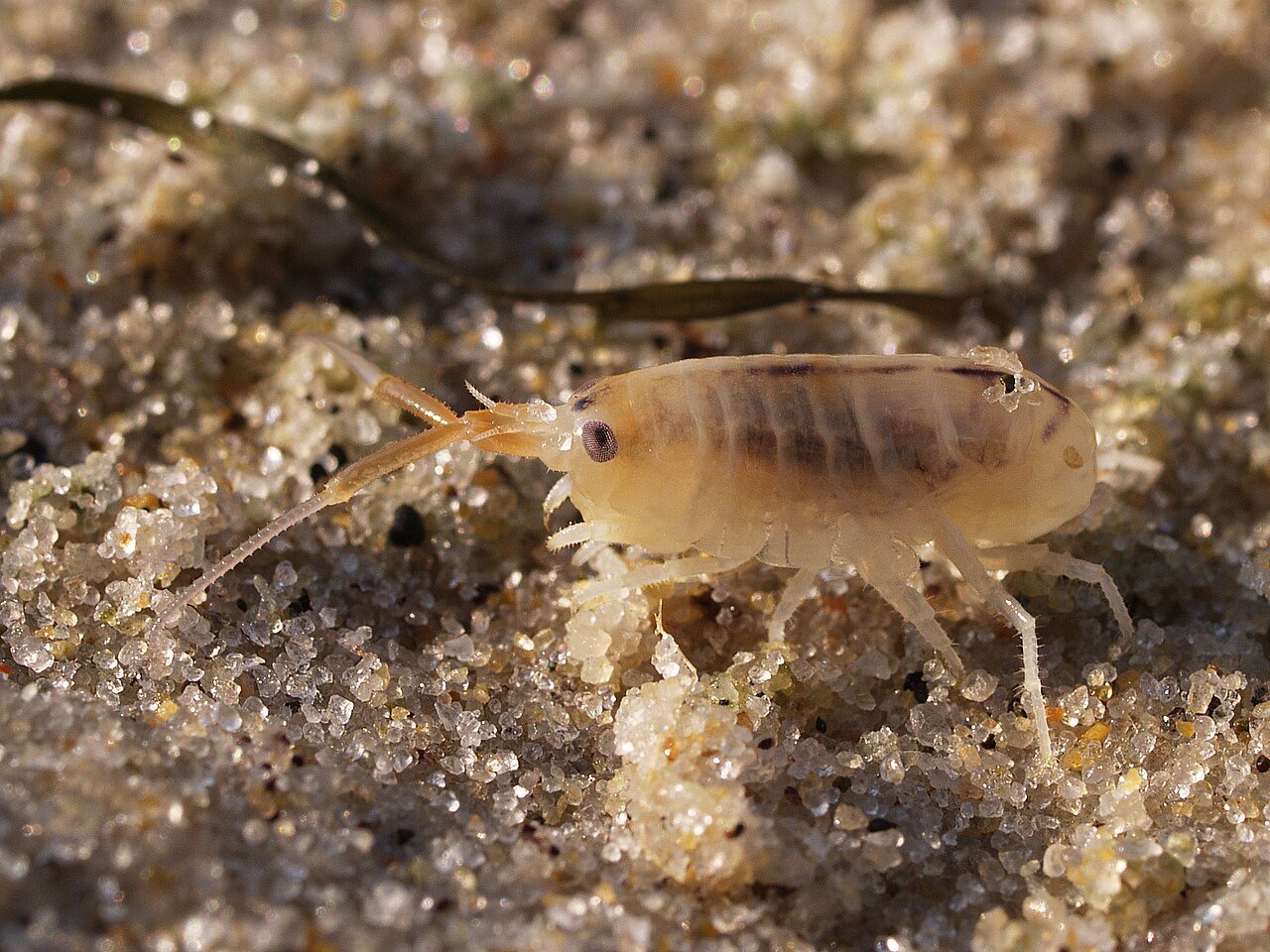
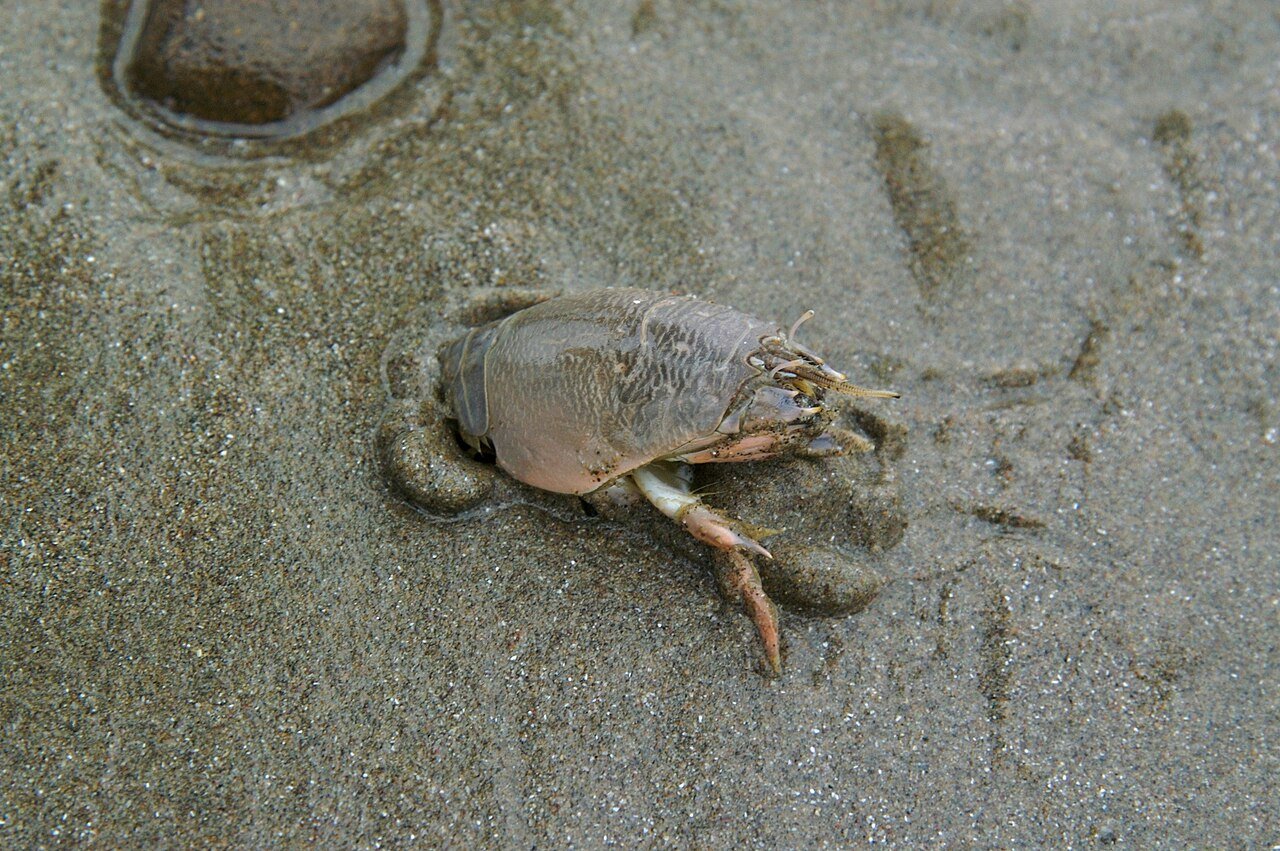
- True sand fleas (sand hoppers and mole crabs): harmless. These are crustaceans — tiny beach-dwelling amphipods that spring like fleas when disturbed, and the thumb-sized mole crabs kids dig at the surf line. They eat seaweed and organic debris. They do not bite people, they cannot live away from the beach, and they have never once infested a house.
- “Sand fleas” that bite at the beach: usually biting midges. The welts on your ankles from dawn or dusk on the sand were almost certainly the work of biting midges — no-see-ums — or coastal sand flies, tiny true flies with a bite far bigger than their bodies. Our no-see-um guide covers them in full.
- The chigoe flea: real, but tropical. In parts of the Caribbean, South America, and sub-Saharan Africa there is a genuine burrowing flea (Tunga penetrans) that embeds in feet — a condition called tungiasis. It is a legitimate travel-medicine concern in those regions. It is not established in the continental United States, and it is not what happened to you at Hilton Head.
So What Actually Bit You at the Beach?
Work the evidence like we would. Welts concentrated on ankles and lower legs, acquired at dawn, dusk, or a still evening, that itch ferociously and last for days: biting midges — the classic “sand flea bite,” delivered by an insect a millimeter long that you never saw. Small itchy bumps acquired mid-day while sitting on damp sand or seaweed wrack: often the same midges, sometimes stable flies, which look like house flies and bite like staplers — a sharp sting rather than a stealth welt. Bites through the trip that continued at the hotel: now think bed bugs, and check the luggage protocol in our bed bug prevention guide before you unpack at home. An itchy rash in the swimsuit area after ocean swimming: that’s “sea bather’s eruption” from jellyfish larvae — a lifeguard problem, not a pest control one.
Notice what’s not on the list: the hopping crustaceans everyone photographs and blames. The lesson generalizes, and it’s the same one our identification pages keep teaching — the pest you can see is rarely the one that bit you, and the biter is rarely the one you can see.
Can Sand Fleas Come Home to Ohio With You?
Here’s the answer the 2 a.m. search is really asking for: no. The crustacean sand fleas physically cannot survive away from beach sand and die within a day or two off the shore — they cannot infest luggage, cars, carpets, or pets. Biting midges are local insects tied to their own wet habitat; the ones that bit you in Florida stayed in Florida (Ohio has its own, near our own rivers and ponds — different individuals, same itch). The chigoe flea of the tropics isn’t established anywhere in the continental U.S. There is no scenario in which “sand fleas from the beach” set up housekeeping in an Ohio home.
What CAN follow you home from vacation, and regularly does: bed bugs from lodging (the single most common travel souvenir we treat), and fleas — actual cat fleas — if your pet traveled with you or boarded somewhere with an active problem. If bites continue more than a few days after you’re home, stop blaming the beach: something local owns those bites, and it has a name we can find.
Treating the Bites You Already Have
Whoever the culprit was, the aftercare is the same, and it’s worth doing right because midge welts are marathon itchers. Wash with soap and water, then cold compress for the swelling. An over-the-counter hydrocortisone cream or calamine takes the edge off; an oral antihistamine helps the all-over prickle and makes sleep possible. The one rule that matters: don’t scratch. Nearly every “sand flea bite that got infected” story is really a fingernail story — broken skin plus beach bacteria. See a doctor for spreading redness, warmth, red streaking, fever, or any bite that’s worsening after several days instead of fading. And if a foot lesion after tropical travel shows a dark center or something visibly embedded, that’s a travel-medicine appointment, promptly — not a pest control call.
Avoiding the Bites Next Trip
- Time the sand: the biters own dawn, dusk, and still humid evenings. Mid-day beach in a breeze is nearly bite-free — wind grounds biting midges entirely.
- Repellent that works: DEET (20–30%) or picaridin (20%) on ankles and lower legs before shoulder-hours beach time. Skip the wristbands and citronella novelties — same verdict as always.
- Sit higher: a chair beats a towel. The bite zone concentrates in the first foot or two above the sand, which is why ankles take the damage.
- Beach gear quarantine, for the right reason: shake out and sun-dry towels and bags before packing — not for sand fleas (harmless) but because damp gear is how you transport nothing worth transporting. Run lodging luggage through the bed bug checklist regardless.
- Pets: keep flea prevention current before travel and boarding — the flea that comes home rides the dog, not the duffel.
The Ohio Postscript: “Sand Fleas” That Never Saw a Beach
Every summer we take calls about “sand fleas” in Ohio backyards, sandboxes, and volleyball courts. Ohio has no beach sand fleas — here the phrase is a hand-me-down name for whatever’s biting near soil and turf. The usual suspects: actual cat fleas shaded up in moist yard spots where pets and wildlife rest (our flea-bite guide shows the ankle pattern), biting midges near creeks and ponds, and chiggers from tall grass and field edges — larval mites whose belt-line and sock-line welts have their own signature. A sandbox itself is innocent; sand is not habitat for anything that bites. Naming the real biter is the difference between treating a yard flea problem successfully and fogging at ghosts — and it’s exactly the identification work we do first on every yard-bite call.
Getting bitten at home and tired of guessing? Describe it to us — where, when, and the bite pattern — and we’ll name it and treat what’s treatable. Serving Dayton and all of Montgomery, Greene, Miami, Clark, Warren, Butler, Preble, and Darke counties.
Flea, Chigger, or Midge? Reading the Bite Pattern Like an Inspector
Since the three real suspects behind “sand flea bites” each leave a different signature, here’s the field guide we actually use. Cat flea bites sit low — ankles and shins — as small red bumps, often in irregular clusters of two and three, and they arrive indoors or in shady yard spots where pets rest; you can sometimes catch the flea itself, a fast dark speck that pops away when hunted. Chigger bites come from tall grass and field edges and concentrate where clothing presses skin — sock lines, waistbands, behind knees — appearing hours after exposure as intensely itchy red welts, sometimes with a tiny blister cap; the mite is long gone by the time the itch starts, and no, it is not embedded in your skin (that myth causes a lot of pointless scrubbing). Biting midge welts favor whatever skin was exposed near water at dawn or dusk, run larger than flea bites, and outlast everything — days of itch from a biter you never saw.
Location, timing, and pattern name the biter more reliably than the bite’s appearance alone — skin reactions vary person to person, but behavior doesn’t. It’s the same triage that opens our no-see-um guide, and it’s the first ten minutes of any bite inspection we run.
Why the Sand Flea Myth Refuses to Die
The mistaken identity is almost mechanical. You sit on the sand; something bites your ankles; you look down and see small jumping creatures right there; case closed — except the jumpers were herbivorous crustaceans and the biter was a midge too small to register. The visible animal takes the blame for the invisible one, the name sticks, and every summer the story re-teaches itself to a new crop of vacationers. Pest control sees this pattern constantly, far from any beach: the spider on the wall blamed for the bed bug’s bites, the harmless crane fly executed as a giant mosquito, the water bug that was a roach all along. The witness you can see is rarely the culprit — which is why identification, not spraying, is always the first service.
One Last Sorting: “Sand Flies” vs. Sand Fleas
A final vocabulary knot worth cutting: sand flies are yet another creature — true flies of the subfamily Phlebotominae, genuine biters and, in tropical and Mediterranean regions, vectors of real disease (leishmaniasis). In American beach talk, “sand fly” and “sand flea” get used interchangeably for whatever bit somebody, which is how a harmless crustacean, a biting midge, and a tropical disease vector ended up sharing a name. For Ohio purposes the sorting is mercifully simple: the phlebotomine sand flies of medical concern aren’t a factor here, the crustaceans never left the beach, and the local biter behind nearly every “sand” complaint is the biting midge. Three animals, one confused name, one actual suspect.
Frequently Asked Questions
What do sand flea bites look like?
The bites blamed on sand fleas — really the work of biting midges or sand flies — are small red punctures that swell into outsized welts, concentrated on ankles and lower legs, itching hard for days. True sand fleas (the hopping beach crustaceans) don’t bite at all.
Do sand fleas actually bite people?
The crustaceans named sand fleas — beach hoppers and mole crabs — do not. They eat seaweed and can’t survive off the beach. The biting is done by tiny flies (biting midges, called no-see-ums) that share the same sand and get none of the blame because nobody sees them.
Can sand fleas travel home with you from the beach?
No. Beach crustaceans die within a day or two away from shore and can’t infest luggage, cars, or homes. Biting midges stay with their local wet habitat. What genuinely follows travelers home is bed bugs from lodging and cat fleas via pets — if bites continue at home, look there.
What is a chigoe flea — is that a real sand flea?
Yes — Tunga penetrans, a burrowing flea of tropical regions (the Caribbean, South America, sub-Saharan Africa) that embeds in feet, a condition called tungiasis. It’s a genuine travel-medicine issue there, but it is not established in the continental United States.
How do I treat sand flea bites?
Wash, cold compress, hydrocortisone or calamine for the itch, an oral antihistamine for sleep — and no scratching, which causes most of the complications. See a doctor for spreading redness, streaking, fever, or bites worsening after several days.
How do I avoid sand flea bites at the beach?
Avoid dawn, dusk, and still evenings on the sand; use DEET or picaridin on ankles; sit in a chair rather than on a towel (the bite zone hugs the sand); and pick breezy stretches — wind completely grounds biting midges.
Are there sand fleas in Ohio?
Not the beach kind — no surf, no sand fleas. Ohio “sand flea” complaints turn out to be cat fleas in shady yard spots, biting midges near water, or chiggers from tall grass. Naming the actual biter is the first step of every yard-bite job we run.
Something keeps biting me in my yard — could it be sand fleas from the sandbox?
The sandbox is innocent; sand isn’t habitat for anything that bites in Ohio. Yard bites here mean fleas (shady, moist spots where animals rest), chiggers (tall grass, field edges), or midges (near water). An inspection sorts them quickly — and each has a different fix.