
Everything else in the bed bug library treats a problem already in the house; this page is the one that keeps it out — and the leverage differential justifies its existence in one sentence: prevention costs minutes and habits, while the cure costs hundreds of dollars and weeks of protocol, a ratio steeper than any other pest this library covers. The prevention brief is unusually clean, too, because bed bugs have exactly one distribution system: they go where we carry them — no flight, no yards, no animal couriers; every introduction in every home traces to a human pathway, and the pathways number precisely four: travel (the luggage cycle), secondhand goods (the furniture economy), visitors and gatherings (the overnight-bag vector), and — in multifamily housing — the shared wall (the one pathway you don’t control alone). Four doors, four protocols, all cheap: the hotel five-minute check and the homecoming laundry ritual, the secondhand quarantine that makes thrifting safe instead of risky, the guest-room configuration that protects both directions, and the multifamily early-warning stack. Plus the standing home layer — the island-bed equipment and the monthly thirty-second glance — that converts any leak through the four doors into an early-caught, cheaply-solved event instead of a compounding one. Greater Dayton Pest & Rodent: (937) 569-3330.
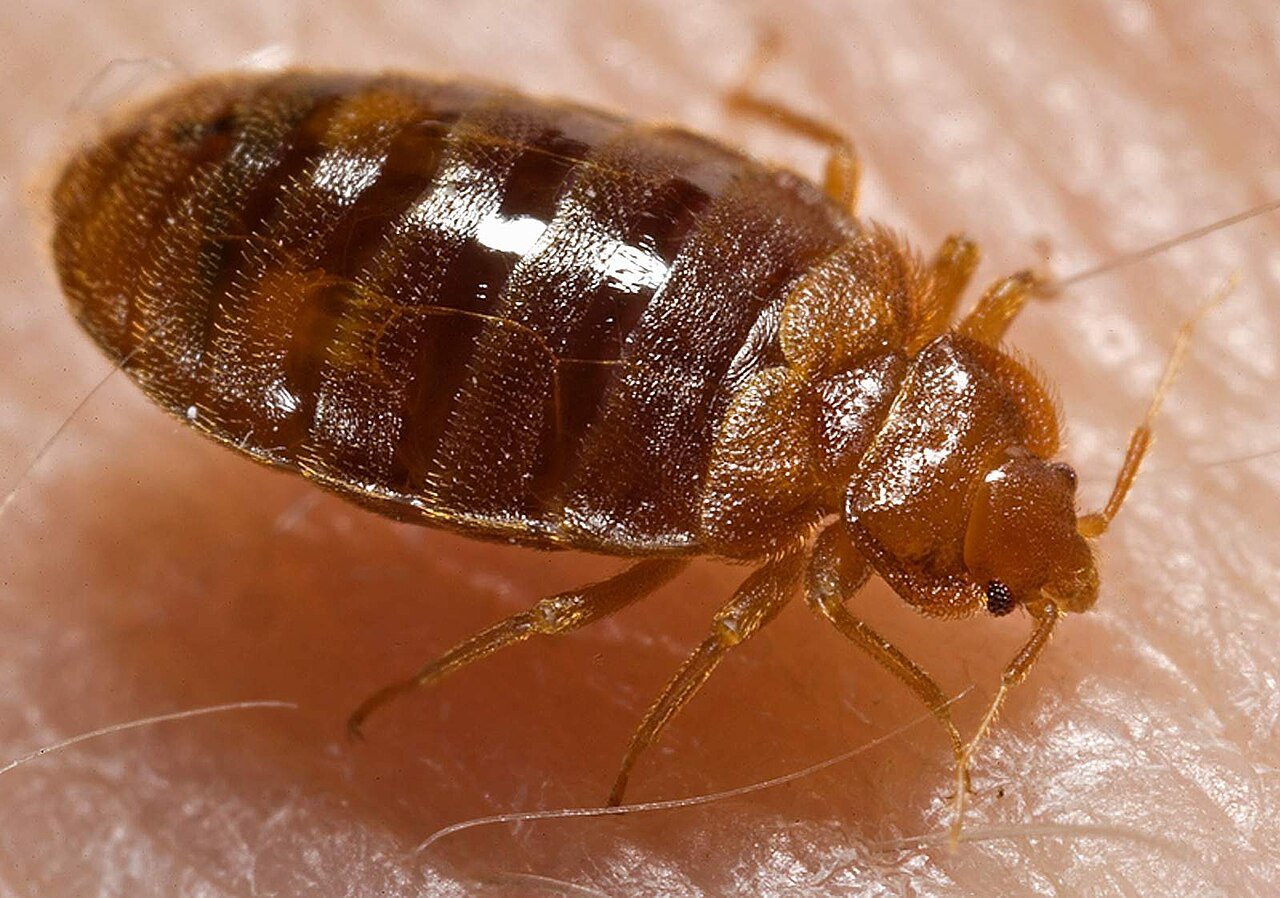
Door one: travel (the pathway that starts most cases)
The luggage cycle drives the modern bed bug era, and the counter-protocol runs in three acts. The room check — five minutes, before the bags settle: luggage parks on the tile bathroom floor or the metal rack (hard surfaces are bed bug deserts — never the bed, never the carpet, never the upholstered bench); then the inspection the encasement page rehearsed — peel the head-end corners of the sheets, read the mattress seams and box-spring edge for live bugs, molts and the pepper-fleck fecal spotting; lift and check behind the headboard (wall-mounted headboards are the hotel harborage champion — tilt or peek with the phone flashlight); scan the nightstand joints and the luggage rack’s webbing. Clean = unpack normally with the bag still off the floor; evidence = photograph it, request a non-adjacent room (bed bugs travel through hotel walls like apartment walls — next-door is the same problem one week younger), and the trip continues uneventfully — the check’s entire cost is five minutes and one tilted headboard. The homecoming ritual — the act that actually decides things: bags unpack at the washer or garage, not the bedroom; clothes — worn and unworn alike — run the hot dryer, twenty minutes (dry heat is the kill step; washing optional, drying not); the emptied bag gets a flashlight seam-check and a sealed-bag garage storage between trips. The risk calibration that keeps the ritual honest: the pathway scales with sleep-density, not luxury — hostels, family holiday pile-ins, dorm moves, hospital stays and the kids’ summer-camp duffels all outrank the five-star’s risk, and the ritual runs identically for all of them. Travelers who keep both acts report introduction rates near zero across decades of road life; the ritual is the whole difference.
Prevention is four habits and costs nothing. If they are already in, that is bed bug treatment in Dayton.
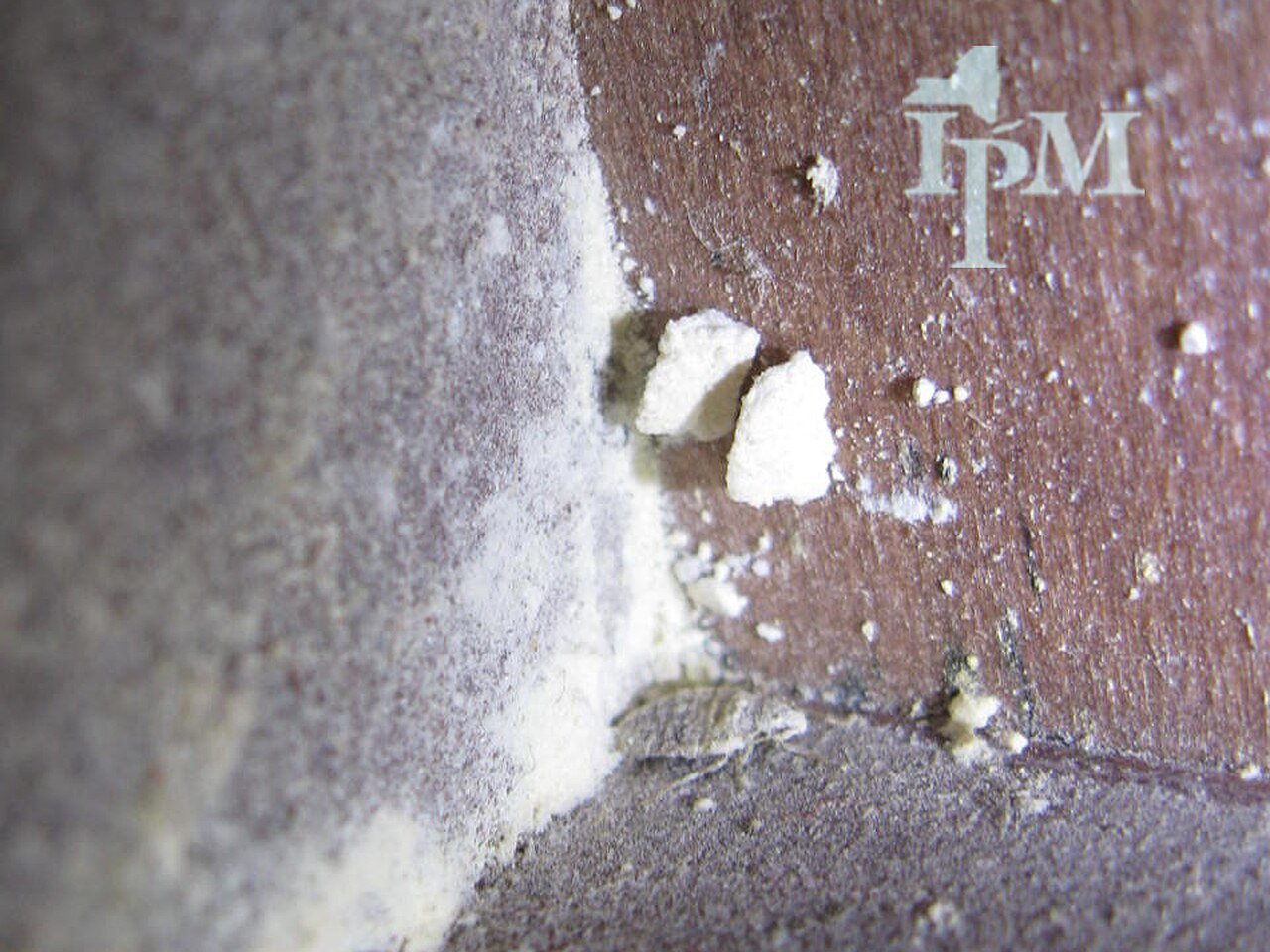
Door two: the secondhand economy (thrift safely, quarantine always)
The furniture pathway runs second nationally and first in certain seasons — estate-sale summers, college-town Augusts, the curb-find economy — and the protocol makes secondhand life safe rather than forbidden. The risk tiers, honestly drawn: upholstered furniture and mattresses top the chart (seams, frames and cushions are harborage architecture — a used mattress is the single highest-risk object in the entire economy, and the curb-found couch the classic origin story our intake calls confirm weekly); wooden furniture with joints and drawers runs mid-tier (bed frames, nightstands and dressers — bed-adjacent service histories — deserve the full treatment; bookcases less so); hard goods (metal, glass, sealed plastic) run near zero. The protocol by tier: everything upholstered gets the garage quarantine and full flashlight inspection — seams run under raking light, cushion zippers opened, the frame’s staple-line and dust-cover checked (the box-spring rule’s logic on wheels), with a steamer pass on seams as the belt-and-suspenders layer for keepers; wooden pieces get drawers pulled, joints and screw-holes flashlighted, and a wipe-down that doubles as the inspection; and the one absolute this page will state plainly: used mattresses and box springs are not worth the discount — the inspection can’t certify their interiors, the encasement can only entomb what it can’t reveal, and the replacement-cost math the false-economy file runs lands the same verdict every time. Thrift the dressers, quarantine the couches, skip the mattresses: the whole economy, made safe in a sentence.
Doors three and four: guests, gatherings, and the shared wall
The visitor pathway asks for diplomacy rather than dread: overnight bags ride luggage racks or hard floors in the guest room (furnish the rack — it’s the polite version of the protocol), the guest bed wears encasements as standing equipment (protecting both directions — your home from arrivals, your guests’ homes from departures, and nobody’s feelings from anything), and post-visit laundering of guest bedding on the hot cycle closes each stay. The higher-stakes versions get the fuller ritual quietly: the returning college student’s move-home (dorm goods through the dryer and quarantine before bedrooms), the family member relocating from a known-infested address (the compassionate full protocol — belongings heat-treated or bagged-and-held, and our line consults on exactly this scenario without judgment weekly). The shared-wall pathway is multifamily housing’s structural reality — bed bugs commute between units through wall voids and utility chases on their own schedule, no luggage involved — and the tenant’s prevention stack is early-warning plus paper trail: interceptors under the bed legs as standing equipment (the $25 smoke detector — a catch means a wall crossing months before bites would say so), the encased bed as the uninspectable-harborage denial, prompt written reporting of any evidence (Ohio’s landlord-tenant framework puts multifamily treatment duties on ownership — the landlord program’s adjacency protocol is the fix, and the paper trail is what compels it), and the neighbor-awareness that treats a hallway’s discarded mattress as the community-notice it is. The wall can’t be caulked against this traveler — but it can be monitored, documented and answered building-wide, which is the pathway’s entire honest playbook.
The standing home layer: catch any leak early
Four doors guarded still leaves the honest residual — no protocol runs perfectly, which is why the home layer exists: configured once, it converts any leak into an early catch, and early is the entire economy of this subject (the one-seam introduction caught at week two is a contained, modest treatment; the same introduction found at month four is the compounding file). The equipment list, all previously issued: encasements on every regularly-slept bed (the inspectable white surface — the full spec stands); interceptors under the primary beds’ legs, checked monthly (thirty seconds — the trend-line instrument); the monthly glance — one flashlight minute across the encasement surface, the headboard screw-holes and the nightstand joints, appended to whatever monthly ritual already exists (the furnace-filter weekend earns its second job); clutter discipline in the sleep zone — the under-bed storage economy is harborage real estate, and the bed-as-island configuration (six inches off the wall, bedding clear of the floor) keeps the moat meaningful; and the bite-response reflex this library’s diagnostic fork installed — sleep-window welts trigger the ten-minute inspection and the interceptor read, not the panic purchase (the fork’s evidence-over-welts rule saves more money than any product on this page). Total standing cost: about $150 of equipment once, and five minutes a month — against the steepest cure-cost ratio in pest control. No other page in this library buys as much insurance as cheaply.
Prevention questions, answered
Do preventive sprays or “bed bug repellents” exist?
Honestly: no worthwhile ones. No EPA-registered repellent exists for bed bugs (the DEET-class actives don’t deter them meaningfully), preventive insecticide application to a clean home is residue without a target — the fogger verdict’s preventive edition — and the “bed bug spray for luggage” products grade as travel-anxiety merchandise. The genuine preventives are mechanical and behavioral — heat, inspection, encasement, interception — which is why this page reads like a checklist instead of a shopping list.
Can I get bed bugs from the movie theater / rideshare / library book?
Possible, documented, and rare enough to rank far below the four doors — transient-seating introductions require an unlucky hitchhiker at exactly the wrong moment, and the countermeasure is proportionate: the coat on the hook rather than the seat neighbor, the laundry habit after high-density venues if it comforts, and no further vigilance. The four doors deserve the protocols; the ambient world deserves a shrug — anxiety calibration being half this page’s job.
We ran the protocols for years and got them anyway. What failed?
Usually nothing — the shared wall and the unlucky ambient case exist precisely outside personal control, which is why the standing home layer matters as much as the doors: your interceptors caught it early, your encasements kept the bed readable, and the treatment that follows is the contained version. Prevention’s honest promise was never zero risk — it was early detection and a smaller bill, and a caught-at-week-two case is the promise kept, not broken.
Is prevention different for landlords and Airbnb hosts?
Scaled, not different: hosts run the guest-room stack (encasements, rack, hot-wash turnover) at professional cadence, add the between-stay inspection minute to the cleaning checklist, and keep the response plan pre-arranged — the per-door program’s hospitality edition. The economics sharpen accordingly: one review-cycle introduction costs a short-term rental more than a decade of the stack, which is why our hospitality accounts treat this page as an operations manual rather than advice.
The four doors, closed
Bed bug prevention, complete: the five-minute room check and the twenty-minute dryer ritual at door one; the quarantine-and-flashlight discipline (and the used-mattress absolute) at door two; the rack, the guest encasements and the compassionate full protocol at door three; the interceptor-and-paper-trail stack at the wall you share; and the standing home layer catching whatever slips — all of it mechanical, none of it sprayed, and the whole program priced under one dinner out. The species owns no wings, no yards and no couriers; it owns only the rides we provide and the weeks we don’t look — and the household that closes both has beaten the modern era’s most expensive pest for the cost of a checklist. For the evidence reads, the move-home consults, the multifamily coordination and the photo of whatever the monthly glance just found: (937) 569-3330, Greater Dayton Pest & Rodent, Dayton and all eight counties — where prevention gets taught free, because the cure was always the expensive part.
Why prevention got hard (the short history that explains the era)
The modern prevention burden deserves its context, because grandparents who never ran a hotel check weren’t careless — they lived in the anomaly. Bed bugs shadowed humanity from cave sites to the 1940s, when DDT-era chemistry crashed the population so completely that two American generations grew up without the species — the folk memory (“sleep tight”) outliving the insect. The comeback, running since the late 1990s, stacked four drivers: resistance — the survivors worldwide bred pyrethroid-resistant lineages that shrug off the chemistry that built the anomaly (the reason modern treatment runs heat, inspection and multi-mode protocols instead of one spray); travel volume — the luggage cycle at jet scale; the secondhand boom; and the knowledge gap — a public that had forgotten the checks this page reteaches. The prevention takeaways fall straight out of the history: the pre-DDT world controlled bed bugs with exactly this page’s methods (inspection, heat, mattress management — the encasement is the modern edition of practices a century old), resistance means prevention out-values chemistry more each year, and the household running the four-door program isn’t adopting new-era paranoia — it’s restoring the ordinary competence every household carried before a forty-year holiday from the problem. The era normalized; the checklist is just the culture catching back up — five minutes at a time, at the foot of a hotel bed, where the species’ whole comeback gets decided nightly.
The pocket protocols (screenshot these)
- Hotel, 5 minutes: bags on tile/rack → sheet corners peeled → mattress seams + box edge read → behind the headboard → nightstand joints. Evidence = photo + non-adjacent room.
- Homecoming, 20 minutes: unpack at the washer → everything through the HOT dryer → bag seam-checked → sealed and stored off the bedroom.
- Secondhand: upholstered = garage quarantine + full flashlight + steam; wooden = drawers out, joints lit; mattresses = never. The discount is not the discount.
- Guests: rack furnished, guest bed encased, bedding hot-washed after; move-homes and known-exposure arrivals get the full ritual with grace.
- Multifamily: interceptors standing, evidence reported in writing same-week, hallway mattresses treated as weather reports.
- Home layer, monthly: interceptor glance + encasement scan + headboard minute. $150 once; five minutes a month; the steepest insurance ratio in this library.
- Bites, any time: evidence before purchases — the ten-minute inspection and the cup counts outrank every welt theory. (937) 569-3330 for the reads.
Four doors, one layer, seven screenshots’ worth of habits — and the era’s most expensive pest reduced to the cheapest vigilance in the book. The species bet its comeback on our forgetting; consider it remembered.
The eight-county pathway map
The local shape of the four doors, from the intake files: travel introductions distribute evenly — every zip code flies, and the airport-corridor households’ road-warrior rituals set the county’s best example; secondhand introductions peak with the estate-sale circuit of the historic districts and the college-calendar migrations around the university corridors (August’s curb economy is the intake log’s most predictable season); the shared-wall file concentrates in the older multifamily stock where the per-door programs run the building-scale answer; and the guest-pathway cases follow the holidays as reliably as the fly calendar follows the trash. Across all four, the intake pattern this page exists to shift: the early-caught cases — the interceptor catch, the encasement spot, the homecoming dryer find — resolve at a fraction of the late-discovered ones, and the households running the standing layer supply nearly all of them. Prevention’s local scoreboard, in other words, is just the detection-timing table wearing its best outfit — and every screenshot from the section above moves one more household up it. The doors are known; the protocols are free; and the eight counties’ beds are, one checklist at a time, becoming the worst territory the species’ comeback ever picked.
No wings, no couriers, no chemistry worth buying — just four doors, five minutes, one hot dryer, and a species whose entire modern empire runs on the checks we skip. Stop skipping them, and the most feared pest in the library becomes its most preventable: caught at the hotel, cooked at the homecoming, quarantined at the curb, and intercepted at the bed leg — every ride refused, every week early, every bill smaller. Sleep tight; the phrase finally has a manual.
Frequently asked questions
How do you prevent bed bugs from ever coming home?
Manage the four vehicles: travel (luggage on racks, hot-dry clothes on return), secondhand furniture (inspect or refuse upholstered pieces), guests (a discreet post-visit seam check), and shared walls (interceptors as early warning in attached housing). Prevention is inspection habits, not products.
How do I avoid bed bugs in hotels?
The two-minute check before unpacking: luggage on the rack or bathroom tile, then inspect mattress seams, box-spring corners, and the headboard wall for pepper-fleck spotting, shed skins, or the bugs themselves. Any evidence: photograph, change rooms (not adjacent), repeat the check.
Can you get bed bugs from visitors?
It happens — via bags and coats more than clothing being worn. Polite protocol without paranoia: coats on hard-surface hooks rather than beds, and a quiet seam check of the guest room after overnight stays from higher-risk situations (dorms, frequent travel, known building infestations).
Is secondhand furniture safe?
Hard-surface pieces (wood, metal) after inspection and a wipe-down, generally yes. Upholstered items and used mattresses are the highest-risk purchases in the entire bed bug economy — curb finds especially, since infested pieces are exactly what gets curbed. When in doubt, pass.
Do mattress encasements prevent bed bugs?
They deny the premier harborage (seams and box-spring interiors), force bugs into open, visible travel, and make any future infestation vastly easier to detect and treat — genuine prevention value for attached housing and frequent travelers, and cheap insurance everywhere else.
Do interceptor cups actually work as prevention?
As early-warning radar, excellently — cups under bed legs catch commuters months before bites would be traced. In apartments and condos (where neighbor infestations travel through walls), interceptors are the single best $15 in the prevention file.
What kills bed bug hitchhikers on clothes and luggage?
Heat — a hot dryer cycle (high, 30+ minutes) is fully lethal to bugs and eggs; hot washing helps but the dryer does the killing. After high-risk travel: clothes straight to the dryer, luggage inspected seams-first, hard cases wiped, soft bags hot-boxed in a car trunk on a summer day if available.
Does clutter cause bed bugs?
It cannot cause them — but it multiplies harborage and makes detection and treatment dramatically harder. Under-bed storage discipline and a reachable bed frame are prevention’s quiet supporting cast.
Do bed bug sprays or repellents prevent infestations?
No consumer repellent has credible prevention evidence — bed bugs follow CO₂ to sleepers regardless. Preventive perimeter spraying of bedrooms is wasted product at best and fogger-adjacent harm at worst; the budget belongs in encasements, interceptors, and dryer discipline.
What early signs should I watch for?
Interceptor catches, pepper-fleck spotting on seams and box-spring corners, shed amber skins, and bite patterns on sleep-exposed skin — checked monthly (a ninety-second flashlight pass while changing sheets). Early detection converts a $400 problem into a contained one.
Are apartments higher risk for bed bugs?
Meaningfully — wall-shared buildings move bugs along plumbing and electrical chases, and a neighbor’s untreated infestation becomes yours on a delay. Interceptors plus encasements are standing equipment in attached housing, and Ohio puts treatment obligations on the landlord: report in writing, early.
What should I do if prevention fails and I find evidence?
Do not fog, do not scatter them with sprays, do not start discarding furniture — photograph the evidence, bag and hot-dry the immediate bedding, and get the inspection: (937) 569-3330. Caught at interceptor-stage, bed bugs are a contained, one-room, two-visit problem.
One related myth worth retiring while you’re prevention-minded: rubbing alcohol is not a bed bug defense — our full analysis covers why the spray-bottle approach fails and occasionally burns houses down.