
Tick repellent is the rare pest purchase where the stakes are genuinely medical: Ohio’s blacklegged tick population — and with it, Lyme disease — has expanded county by county for a decade, and the difference between a repellent that works and one that merely smells confident is measured in doctor visits. So this page holds the products to the standard the situation deserves: the EPA-registered active ingredients ranked by the actual evidence, the natural options graded honestly (one of them genuinely earns its shelf space; most don’t), the permethrin-on-clothing strategy that outperforms every skin product and that most Ohioans have never heard of, how tick repellent differs from mosquito thinking (crucially — ticks ambush from below), the yard-scale defenses that cut encounters before repellent matters, and the daily-check discipline that backstops everything, because no repellent is a force field. From Greater Dayton Pest & Rodent, with the usual free ID attached — a photo of any tick you pull tells you which species and which risk tier you’re dealing with: (937) 569-3330.
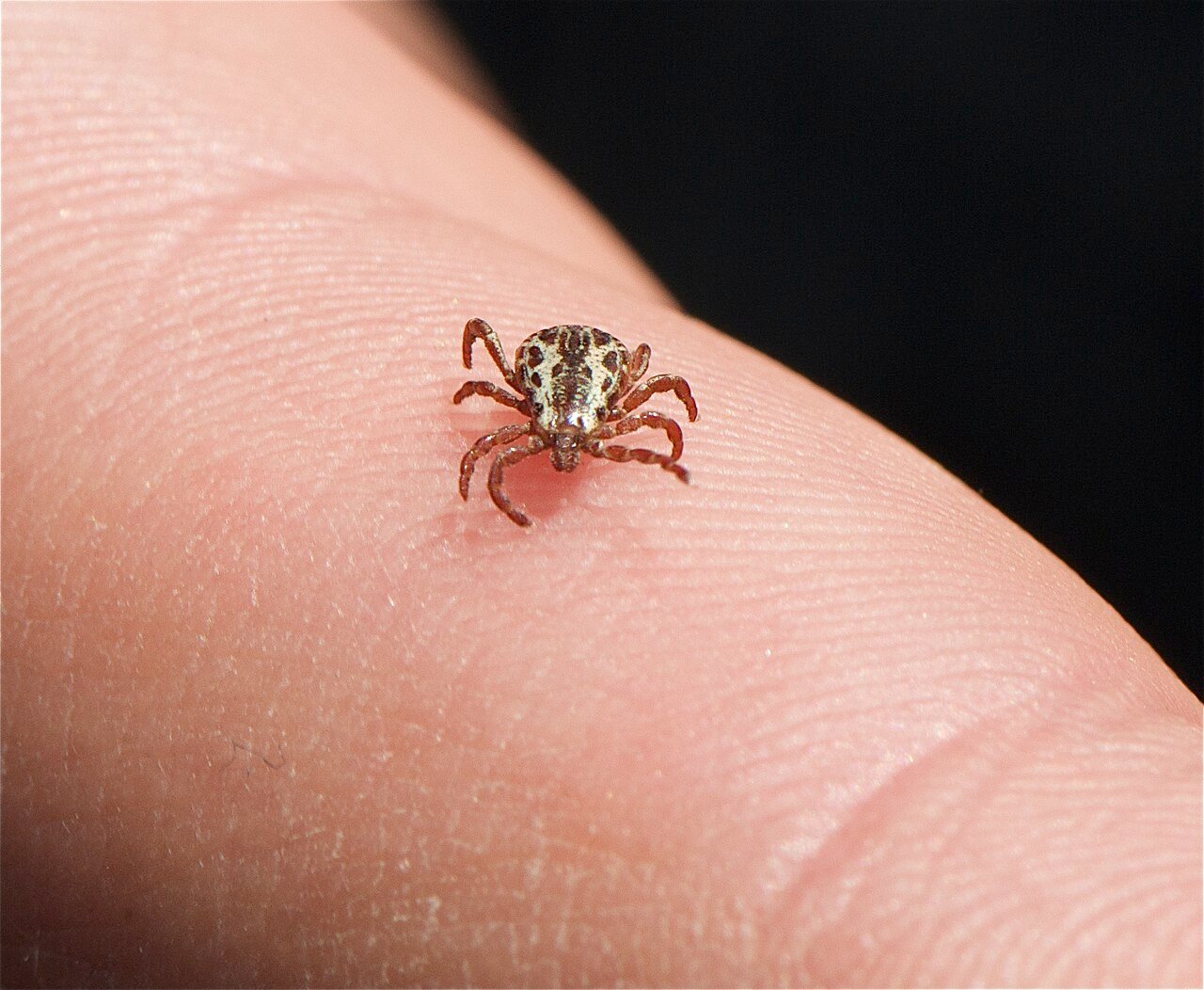
Know your enemy: Ohio’s three ticks and how they hunt
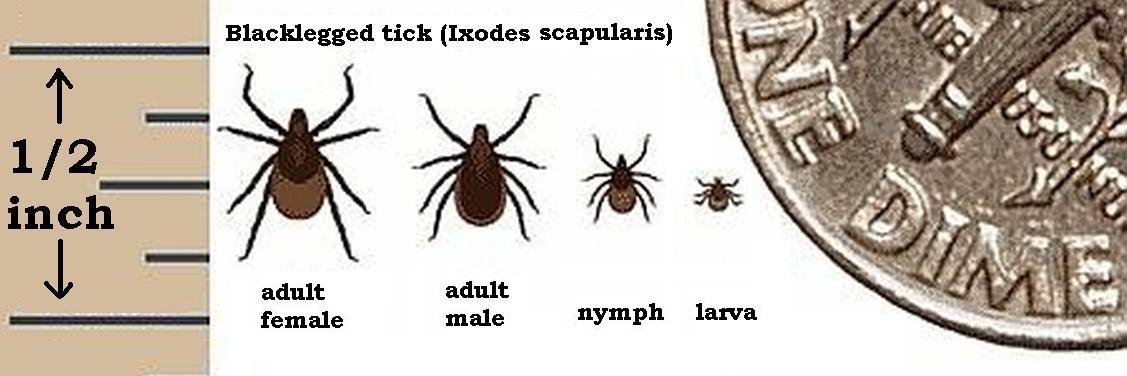
Repellent strategy starts with how ticks actually reach you, because the mental model most people carry — something that drops from trees — is wrong in a way that misplaces the spray. Ticks quest: they climb grass stems, brush tips and leaf-litter edges to knee height or below, extend their front legs, and wait for a host to brush past — then climb upward on the body seeking protected skin. Every defense on this page flows from that fact: the ankle-to-knee zone is the border crossing, and upward is the invasion route. The local roster: the American dog tick — Ohio’s most common by far, the big mahogany one with ornate silvery markings, found in grassy fields, trail edges and yards; carrier of Rocky Mountain spotted fever (rare but real in Ohio) and not a Lyme vector. The blacklegged (deer) tick — smaller, plainer, amber-and-black; the Lyme disease, anaplasmosis and babesiosis vector, now established across Ohio including our eight counties, favoring wooded and brushy habitat and leaf litter; dangerously active not just in summer but any winter day above roughly 40 degrees — the adult blacklegged’s hunting season includes the warm spells of December. The lone star tick — the aggressive southern arrival, females wearing the single white dot, expanding steadily through Ohio; its bite is linked to alpha-gal syndrome, the acquired red-meat allergy, which is exactly as strange and life-altering as it sounds. Three species, three disease profiles, one questing strategy — and one repellent playbook that handles them all.
The skin repellents, ranked by evidence
The EPA-registered actives, in the order the tick-specific data supports: DEET (20–30%) — the seventy-year benchmark; strong tick evidence, several hours of protection, safe for everyone over two months old at these concentrations (higher percentages extend duration, not strength — 100% DEET is marketing, not medicine). Its real drawbacks are cosmetic: the feel, the smell, and its appetite for dissolving watch straps and sunglass frames. Picaridin (20%) — the modern co-champion: tick efficacy comparable to DEET in head-to-head trials, no odor, no plastic-melting, better skin feel; our default recommendation for families who’ll actually reapply a product they don’t hate. IR3535 (20%) — solid European track record, decent tick data, gentle; a legitimate third option. Oil of lemon eucalyptus / PMD (30%) — the strongest “natural-adjacent” performer with real trial support (note: the refined PMD, not the essential oil from the diffuser aisle; and not for children under three). Application doctrine for all of them, built on the questing biology: shoes, socks, ankles and lower legs are the priority zone — the border crossing gets the guard post; a face-and-neck application protects against the wrong invasion route while the actual one walks in at boot level. Reapply per label, more often in sweat-soaked conditions, and layer with sunscreen (sunscreen first, repellent over).
Permethrin: the clothing strategy that outperforms everything
Here is the section that changes behavior for the people who read it, because permethrin-treated clothing is the single most effective tick defense in the civilian arsenal and remains weirdly obscure outside of forestry and military circles. Permethrin is not a repellent in the skin-spray sense — it’s a contact insecticide bonded to fabric: a tick that climbs onto treated cloth doesn’t smell something unpleasant and detour; it absorbs a dose through its feet, loses coordination within minutes (researchers call it “hot-foot” behavior — ticks drop off or die before reaching skin), and the attempt simply ends. The trial data is emphatic — treated clothing prevents the overwhelming majority of tick attachments, dramatically outperforming skin repellents alone — and the practical package is friendly: spray-on permethrin (0.5%) treats shoes, socks, pants and hats in a backyard afternoon, survives five or six wash cycles per treatment, and factory-treated garments last dozens of washes. The rules that matter: treat clothing only, never skin (it deactivates on skin anyway); let it dry fully before wearing; and — the one serious caution in this section — wet permethrin is highly toxic to cats, so treat and dry garments where cats can’t contact them (dried-on-fabric is considered safe around pets). The combined doctrine for anyone who actually spends time in tick habitat — hunters, gardeners, trail families, the farm-country households on our rural routes: permethrin on shoes, socks and pants; picaridin or DEET on exposed skin; and the tuck (pants into socks — unfashionable, mechanically brilliant, forces the upward-climbing tick onto treated fabric for the longest possible exposure).
The natural aisle, graded honestly
The same honest grading this library gives every DIY shelf, applied to tick-marketing’s favorite section. Oil of lemon eucalyptus (PMD, 30%): already ranked above — the one genuinely evidence-backed “natural” option; buy the registered product, not the essential oil. Essential oil blends (cedarwood, rosemary, peppermint, clove, geraniol): lab studies show real short-term repellency for several of these — and field reality shows protection measured in minutes, not hours, with no EPA efficacy review behind the label claims; acceptable for a twenty-minute garden pass, a false comfort for a hike. “Natural tick sprays” for yards (cedar oil concentrates, garlic treatments): knockdown of exposed ticks on contact, minimal residual, no credible season-long protection — the honest role is a pre-party perimeter freshening, not a program. Apple cider vinegar, brewer’s yeast, garlic supplements (oral, for people or pets): no credible evidence, full stop. Tick-repelling wristbands and ultrasonic clip-ons: tested, failed, repeatedly — the wristband protects the three inches around the wristband at best, and ultrasonics protect nothing but the manufacturer’s margin. The pattern to carry out of the aisle: for a disease-vector pest, “probably helps a little for a few minutes” is not a category worth building your family’s protection on — use the evidence-backed four for skin, permethrin for clothing, and spend the natural-aisle savings on a good tick remover.
Yard defense: shrinking the battlefield
The best repellent encounter is the one that never happens, and tick yards are buildable — the landscape ecology is well-studied and the interventions are mostly free. Ticks need humidity and cover; they desiccate quickly in dry, sunny, short grass. So: mow the margins — the tall-grass edges, not just the lawn proper; push back the woods — a three-foot woodchip or gravel border between wooded/brushy edges and lawn creates a hot-dry moat ticks demonstrably avoid crossing; relocate the play zone — swing sets and sandboxes belong in full sun, away from the wood line, off the leaf litter; manage the leaf litter — blacklegged nurseries live in it, so rake the activity zones (and note the tension with pollinator-friendly “leave the leaves” practice — our honest resolution: leave the back woods wild, clear the twenty feet humans actually use); and manage the hosts — deer fencing where practical, bird-feeder spill discipline (spilled seed convenes the rodent hosts that carry immature ticks and infect them with Lyme in the first place), and woodpiles up off the ground. For properties backing onto woods, meadow or the bike-trail corridors that thread our eight counties, the professional layer — targeted acaricide treatment of the transition zones in late spring (nymph season) and fall (adult season) — measurably knocks down questing populations exactly where the moat meets the wild; it’s part of the yard program conversation for wooded-lot households, and we’ll tell you honestly whether your lot’s geometry justifies it.
Pets: the four-legged tick shuttle
The household tick plan fails at the dog door if it skips this section, because pets are both victims and vectors — a dog that roams the wood line collects questing ticks and delivers them to the couch. The veterinary-grade preventives (isoxazoline chewables, imidacloprid-permethrin spot-ons for dogs, flumethrin collars) are the backbone — genuinely effective, prescribed to the animal’s weight and health by your vet, and worth every dollar in a Lyme-expanding state; the cat-specific caution repeats here in bold — never use permethrin products on cats, whose metabolism can’t clear it (cats get their own vet-approved actives). Layer the daily hands-on check — ears, face folds, armpits, between toes, under the collar — after any outdoor day; it catches what chemistry misses and doubles as the early-warning census for the whole household’s exposure. And close the loop our flea pages teach for the same reason: treating the yard and skipping the pet, or the pet and skipping the yard margins, leaves the shuttle running. One system, all riders.
The daily check and the correct removal (the backstop that saves you)
Every layer above reduces odds; none reaches zero, so the tick check is the layer that can’t be skipped — and it works because of a merciful biological fact: Lyme transmission generally requires 24-plus hours of attachment. A tick found and removed the same evening is, overwhelmingly, a story rather than a case. The routine: after any exposure day, shower within two hours (rinses unattached quests, doubles as inspection), then the map — hairline and scalp, behind ears, neck, armpits, waistband, groin, behind knees, between toes; parents run the map on kids, partners trade the hard-to-see zones, solo folks use the phone camera. Clothes into a hot dryer for ten minutes (kills hitchhikers — dry heat, not the wash, is the lethal step). Removal, the one right way: fine-tipped tweezers (or a tick-key), grip at the skin surface on the mouthparts, pull straight up with steady pressure — no twisting, no burning matches, no petroleum jelly, no nail polish (every folk method risks squeezing the tick’s gut contents into the wound, which is precisely the transmission event you’re preventing). Wash the site, photograph the tick (our line IDs species free — species sets the risk tier), and note the date; a blacklegged tick attached over a day, or any expanding rash or fever in the following weeks, is a same-week physician conversation, and the photo-with-date turns that visit from guesswork into medicine.
Tick repellent questions, answered
What’s the single best setup for a family hike?
Permethrin-treated shoes and socks (done the day before), 20% picaridin on ankles, legs and arms at the trailhead, pants tucked, hats on, dryer cycle and shower-check at home. Cost per hike after the first setup: pennies. Protection level: the best the evidence knows how to buy.
Do I need repellent in my own backyard?
Depends entirely on your yard’s geometry: a sunny fenced lawn in Kettering, essentially no; a lot backing onto woods, meadow or trail corridor, yes for the margin work — gardening at the wood line is exposure, and it’s exactly where our route data says eight-county ticks live. Build the moat, treat the boots for edge work, skip the spray for the patio.
Are tick bites an emergency?
Almost never — and never a reason for panic-spraying the lawn that night. Remove correctly, photograph, date, watch. The medical thresholds: expanding bullseye-adjacent rash, fever, aches or fatigue in the weeks after any bite — physician, promptly, with your photo. The one genuine urgency: a tick on a person who can’t report it (infants, memory-care elders) found engorged — that’s a same-day call to the doctor, not the exterminator.
When is tick season in Ohio, really?
The honest answer is “longer than you think”: nymph season (the highest Lyme-risk window, because nymphs are poppy-seed small and go unnoticed) runs May through July; adult blacklegged ticks quest spring and fall AND any winter day above ~40°F; dog ticks own the classic April-through-September window. The practical translation: repellent discipline April–October, and a raised eyebrow plus a boot-level check for the woodsy walk on that weird 55-degree January afternoon.
The bottom line, in layers
Tick defense done right is a stack, cheapest layer first: a yard built hostile to questing (mostly free), permethrin on the clothes that enter the wild zones (dollars), picaridin or DEET on the skin at the border (dollars), vet-grade prevention on the pets (worth it), and the daily check that catches the leaks (free, and the layer that makes every other layer forgiving). Nothing on that stack is exotic; the whole thing assembles in a weekend and runs on habit. For the yard-scale layer, the wood-line assessment, or the “what species is this and should I worry” photo — Greater Dayton Pest & Rodent, (937) 569-3330, serving all eight counties with the same evidence-first standard this page just applied to everyone else’s products.
The Ohio trend line (why this page exists now)
A closing note on trajectory, because the local history explains the urgency. Twenty years ago the blacklegged tick was essentially absent from Ohio’s map — a Lake Erie curiosity; today it’s documented in the large majority of Ohio counties, reported Lyme cases have multiplied several-fold over the past decade, and the expansion front moved through southwest Ohio’s river corridors and wooded edges — the exact terrain of the Little Miami and Great Miami valleys, the bike-trail towns, and the wooded subdivisions of all eight counties we serve. The lone star tick is running the same play a few years behind. None of this is alarm-bell material — it’s trend-line material: the habits that were optional for an Ohio childhood a generation ago (the tuck, the check, the treated boots) are now simply what the local ecology charges for its trails and wood lines, the way sunscreen is what the beach charges. Pay it in habits, not in Augusts lost to doxycycline — and let the stack on this page, plus a photo line that answers “is this the bad one?” for free, keep the woods what they’ve always been here: the best part of living in the Miami Valley.
Five layers, one habit loop, zero folklore — and a tick season that ends the way all of them should: with a full photo roll of trails, an empty removal log, and the tweezers still in the drawer where they waited all summer, unneeded.
The “natural tick repellent” question, answered in one paragraph
For the searchers who arrived on the natural query specifically: the one evidence-backed natural-adjacent option is oil of lemon eucalyptus (PMD, 30%, the registered product) — genuine trial support, the section above’s full briefing; the essential-oil blends grade minutes-not-hours; and the strongest “natural” tick program was never a spray at all: the sunlight-and-moat landscaping, the tucked clothing, the daily check — mechanical defenses with perfect safety profiles and the best evidence on the page. Natural was always available; it just looked like a lawn mower and a pair of socks.
Frequently asked questions
What is the best tick repellent?
The two-layer standard: permethrin on CLOTHING (0.5%, applied to fabric and dried — kills ticks on contact, survives multiple washes) plus DEET (20–30%) or picaridin (20%) on SKIN. The combination out-performs either alone by wide field-study margins; it is what entomologists actually wear.
Does DEET work on ticks?
Yes at adequate concentration — 20–30% for tick-grade protection (the 7% family formulas underperform on ticks specifically). Applied to skin and sock lines before grass-and-brush exposure, refreshed per label on long outings.
What is permethrin and how do I use it for ticks?
A fabric-treatment insecticide — spray boots, socks, pants, and pack until damp, dry completely before wearing, never apply to skin. Treated clothing kills ticks that climb aboard (they drop within minutes), lasts several washes, and converts your pants into the primary defense layer.
Do natural tick repellents work?
Oil of lemon eucalyptus (OLE) carries genuine CDC-listed efficacy at 30% — the legitimate botanical option. Essential-oil DIY sprays (cedar, rose geranium for dogs, garlic) run brief and weak; against an animal that can transmit Lyme, the tested tools deserve the job.
How do I repel ticks in my own yard?
Habitat first: mow the margins, clear leaf litter, put a three-foot gravel or wood-chip barrier between lawn and woods (ticks desiccate crossing it), stack wood dry, and fence the deer where feasible. Add targeted acaricide treatment of the transition zones in peak season — the yard version of the two-layer system.
What repels ticks on dogs and cats?
Vet-prescribed preventives, full stop — the modern oral and spot-on products dramatically out-perform collars and every natural alternative, and cats have specific toxicity constraints (permethrin is DANGEROUS to cats — never apply it to them or their bedding). The vet aisle is the pet answer; our aisle is the yard.
When is tick season in Ohio?
April through October headline season with a nymph peak May–July (the tiny stage behind most Lyme transmission) — plus the winter footnote: adult blacklegged ticks quest on any above-freezing day, so November hikes still warrant the spray-down.
How do I check for ticks after being outside?
The systematic sweep within two hours: scalp, ears, neck, armpits, waistband, groin, behind knees, sock lines — shower to dislodge unattached ticks, dryer-blast worn clothes on high for ten minutes (kills hitchhikers), and check pets at collar, ears, and toes.
How do I remove an attached tick correctly?
Fine-tipped tweezers at the skin line, steady straight pull — no twisting, no burning matches, no petroleum jelly (folklore that increases pathogen transfer). Cleanse the site, save the tick in a sealed bag with the date, and watch four weeks for rash or fever; early symptoms plus the saved tick make treatment decisions easy.
Does professional yard treatment for ticks work?
Targeted applications to the transition zones (lawn-woods edges, leaf-litter margins, shaded perimeters) measurably knock down questing populations — paired with the habitat modifications that make it last: (937) 569-3330. Wooded and creek-adjacent Dayton properties are exactly the use case.