
It’s the question that arrives when a household is fighting two wars at once and starts wondering if they’re the same war: do mice carry bed bugs? The direct answer, up front and evidence-first: no — not in any way that matters to your infestation. Bed bugs are human-host specialists that travel on our belongings, not on rodent fur; a mouse is neither a practical vehicle nor a meaningful reservoir for them; and the mouse-brought-the-bed-bugs theory, comforting as it is (it relocates the blame outdoors), points the response in exactly the wrong direction — away from the luggage, the secondhand couch and the shared wall where the real introduction happened. But the question deserves its full page rather than a one-line dismissal, because the “no” comes with genuinely useful cargo: the parasites mice DO carry (a real list with real household relevance — mites chief among them, and mite bites are the great bed-bug impostor), the rare laboratory footnotes that keep the rumor alive, the one honest connection between the two infestations (buildings that admit mice and buildings that sustain bed bugs share risk factors, not a supply chain), and the both-problems-at-once playbook for the household that genuinely has both — which, in multifamily housing especially, is common enough that our crews run the combined case weekly. Greater Dayton Pest & Rodent, evidence over folklore since page one: (937) 569-3330.
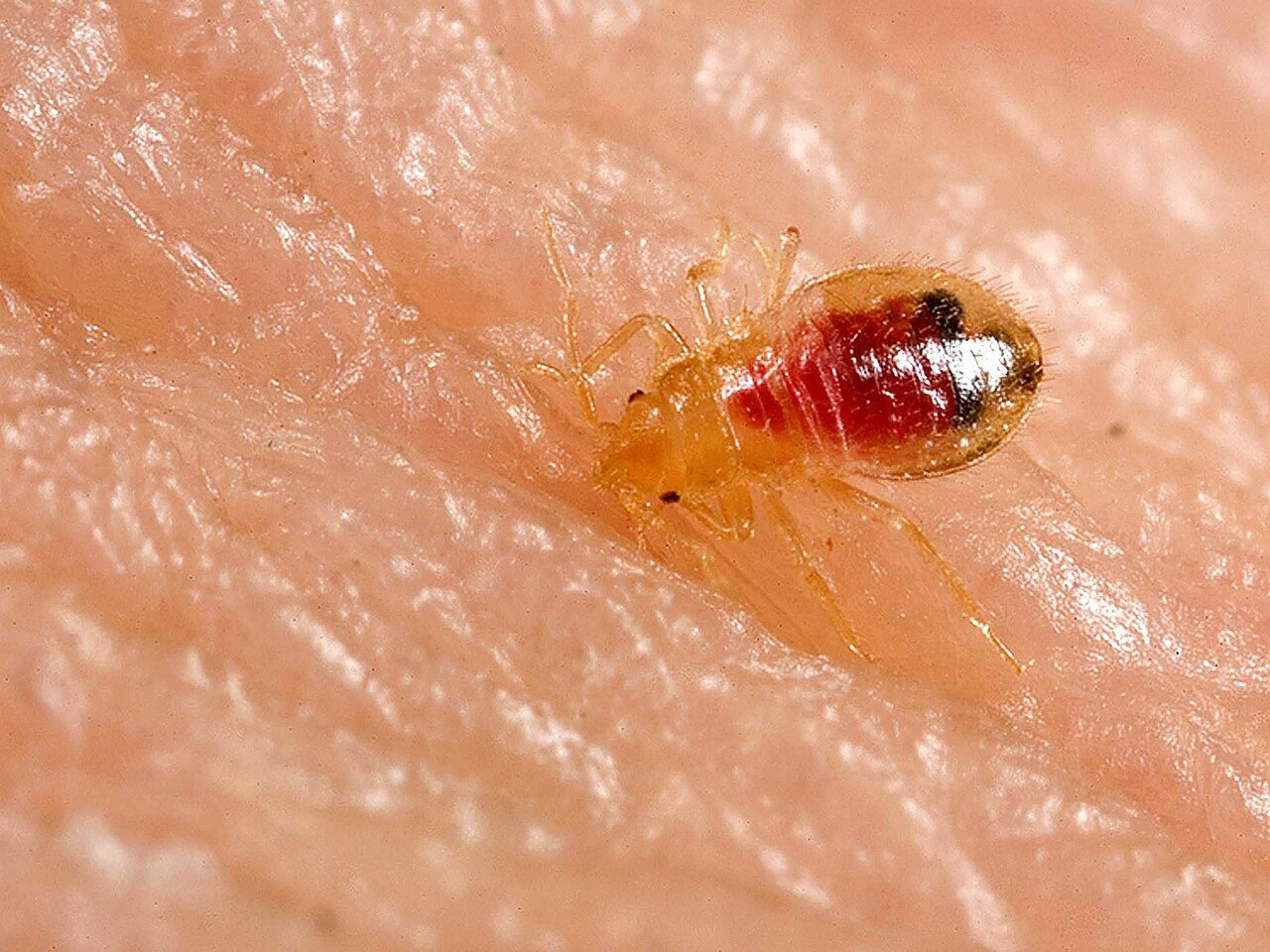
Why bed bugs don’t ride mice: the biology of a specialist
The answer’s foundation is the bed bug’s own design brief. Cimex lectularius is a human-host specialist refined over millennia of cohabitation: its sensory kit homes on the CO₂ plume, warmth signature and skin chemistry of a large, mostly hairless, reliably stationary sleeper; its flattened body is built for the crevices near that sleeper (mattress seams, headboard screw holes — the harborage map); and critically, it does not live on its host at all — unlike lice or fleas, a bed bug boards for a five-minute meal and returns to harborage, which makes “riding” any animal anywhere a behavior the species simply doesn’t perform. Mice fail its host test on every axis: fur (bed bugs struggle to navigate and grip pelage — the smooth-skin adaptation cuts both ways), body size (a mouse’s thermal signature is a rounding error beside a human’s), and mobility (a foraging mouse never holds still long enough for the specialist’s unhurried feed). The laboratory footnote that keeps the rumor breathing: bed bugs CAN feed on rodents in captivity when starved and offered nothing else — lab colonies have been maintained on various hosts — and their cousin species (bat bugs, swallow bugs) genuinely specialize on other mammals and birds, the distinction our bat bug page exists to draw. But “can survive on, in a jar” and “travels through your walls aboard” are different claims entirely, and the field evidence for mouse-vectored bed bug spread runs, across the entire published literature, from negligible to none: infestation mapping traces bed bug movement through human pathways — furniture, luggage, wall voids between units, secondhand goods — every documented time.
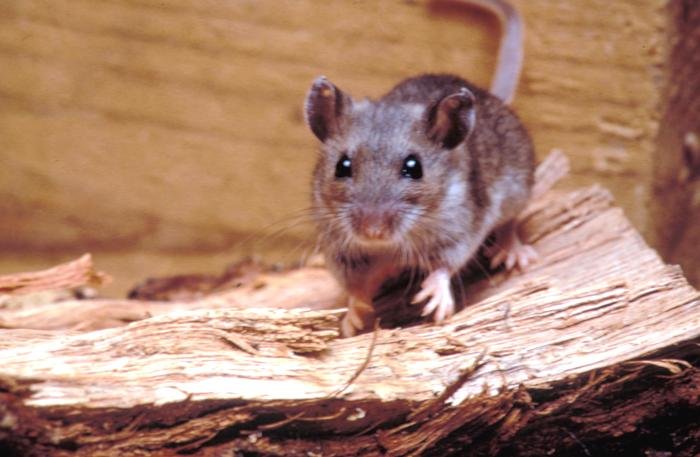
What mice actually carry (the real list, and the impostor at its top)
Retiring the bed bug charge sharpens the real indictment, because mice are genuine parasite couriers — just of a different roster. The list that matters to households: rodent mites — the headline entry and the great impostor: tropical rat mites and house mouse mites live in rodent nests, and when a nest is abandoned (or its occupants trapped out mid-infestation), the stranded mites disperse through the structure hunting any warm body — producing the classic “bed bug bites with no bed bugs” case: night-biting welts, negative mattress inspections, empty interceptors, and a mystery that resolves the moment someone asks about recent mouse activity (the mite bites file runs the full workup). Fleas — mice carry their own flea species, and the petless flea case’s rodent connection ran through exactly this. Ticks — the deep one: white-footed and deer mice are the Lyme cycle’s reservoir hosts, infecting the larval blacklegged ticks that feed on them — the yard’s mouse economy IS its Lyme economy, the strongest single argument on this page for exclusion. Plus the direct file the droppings protocol already covers: hantavirus (deer mice, dust, the wet-cleanup rule), salmonella on commuting feet, and the allergen load of established populations. The scoreboard, then: mice acquitted of bed bugs, convicted of mites-fleas-ticks-and-pathogens — a worse rap sheet than the rumor alleged, pointing at a different response entirely: not bed bug treatment, but the exclusion-first program that ends the courier service at the sill plate.
The one honest connection (shared causes, separate problems)
Having severed the supply-chain theory, honesty requires naming the correlation that feeds it: buildings with both problems are common, because both problems share upstream causes. The overlap runs through structure and circumstance, not biology: gap-rich envelopes admit mice directly and, in multifamily stock, give bed bugs their unit-to-unit highways (the same wall voids and utility chases serve both travelers — the mouse walking, the bed bug walking too, months apart, on entirely separate errands); high-turnover housing concentrates both introductions (moving-day furniture for the bed bugs, door-propped move-ins for the mice); deferred maintenance feeds both files at once; and secondhand furnishing economies run introduction risk for bed bugs while the clutter they accumulate shelters mice. So the both-at-once household isn’t seeing a courier chain — it’s seeing a building that fails two independent screens, and the combined playbook treats them as the separate campaigns they are: the bed bug side runs inspection-staging, the island-bed kit and the two-visit protocol; the mouse side runs the twelve-doors seal, the one-door trapping clearance and the verification monitors; and the shared work — the void-sealing, the clutter reduction, the unit-adjacency inspections our landlord program coordinates — pays both campaigns simultaneously, which is the one place the two files genuinely merge: at the caulk gun, where this library’s campaigns always seem to end up.
The diagnostic fork: whose bites are these, really?
Since the question usually arrives welt-first, the fork that sorts the three night-biting candidates a mouse-adjacent household weighs: Bed bugs — clustered or linear welts on sleep-exposed skin, delayed itch onset, and above all physical evidence at the bed: the seam-and-screw-hole inspection finds bugs, molts, or the pepper-fleck fecal spotting (the ten-minute protocol), and interceptors under an island bed convert uncertainty to counts within two weeks. Rodent mites — scattered welts without pattern, no bed evidence whatsoever, empty interceptors — plus the tell the fork turns on: recent rodent history (an active mouse problem, a trapping campaign just concluded, or work disturbing old nests — the attic insulation job that preceded the bites by a week is the classic trigger); confirmation runs through nest-finding, and the fix through nest removal plus the mite treatment that ends the dispersal. Fleas — ankle-and-calf geography, visible on white socks, the census protocols. And the honest fourth: none of the above — the dermatitis-and-dry-skin file the triage page keeps for the evidence-negative cases. The fork’s operational rule, worth the page’s whole read: evidence outranks welts — bites diagnose nothing alone, the bed inspection and the mouse history together diagnose almost everything, and the household that runs both before buying anything has out-diagnosed half the internet’s advice economy at the cost of a flashlight hour.
Mouse-and-bed-bug questions, answered
The exterminator before you said the mice probably brought them. Was that wrong?
The claim doesn’t survive the literature, and it usually signals diagnostic shortcut rather than malice — the both-problems building invites the connecting story. The practical harm is real though: a household sold the courier theory seals nothing at the bed, inspects no adjacent units, and re-imports its actual bed bug pathway unexamined. Take the useful half (yes, handle the mice) and rerun the bed bug introduction question on the human pathways — travel, furniture, neighbors — where the answer actually lives.
We trapped out the mice and THEN got bitten at night. Explain that.
That’s the rodent-mite signature in textbook form: the trapping success stranded the nest’s mite population, which dispersed hunting replacement hosts — you. It reads like the mice “left bed bugs behind,” which is exactly how the rumor propagates; the workup (bed inspection negative, nest located, mites confirmed) and the fix (nest removal, targeted treatment, the exclusion that prevents the sequel) run through the mite file, not the bed bug protocol. The timing that spawned the myth is real; the courier isn’t.
Can bed bugs live in a mouse nest in my wall?
Not as a population: a wall-void mouse nest offers bed bugs no sustainable host (see the specialist biology above) — stray bed bugs transiting a shared void might cross a nest, but the “hidden colony in the mouse nest” scenario has no documented field basis. Wall-void bed bug harborage is real in heavy multifamily infestations — anchored on the human side of the wall, near the beds, which is where inspection and treatment go looking for it.
Does getting rid of mice help the bed bug problem at all?
Indirectly and genuinely: the exclusion work seals the shared highways (slowing unit-to-unit bed bug drift in multifamily buildings), the decluttering removes harborage both files use, and retiring the mouse population retires the mite-confusion risk that muddies every bite diagnosis. Just keep the ledger honest — mouse work supports the bed bug campaign the way drainage supports a foundation: same building, different trades, both worth doing, neither substituting for the other.
The verdict, filed in both cabinets
So: do mice carry bed bugs? No — the specialist’s biology, the field evidence and the infestation-mapping literature all file the same answer, and the rumor’s persistence runs on timing coincidences and the comfort of outdoor blame. What mice carry instead — mites, fleas, tick-cycle service and the pathogen file — earns them their own complete response; what bed bugs ride instead — luggage, furniture, and the human economy generally — earns the inspection-first campaign their pages detail; and the household holding both problems holds two solvable files with one shared caulk line. Diagnose by evidence, treat by species, seal by building — and send the genuinely ambiguous welts to the line that runs this exact fork weekly: (937) 569-3330, Greater Dayton Pest & Rodent, Dayton and all eight counties, where the rumors get retired and both campaigns get won on their own terms.
The rumor’s family tree (and the cousin species that almost justify it)
The mouse-courier theory deserves its genealogy, because it descends from real biology one branch over. The bed bug’s family (Cimicidae) runs dozens of species, nearly all host-specialists on somebody — and the household-relevant cousins are genuine animal-riders of a sort: bat bugs, the region’s most consequential, specialize on bats, establish in attic colonies, and descend into living space when a colony is excluded or departs — the “bed bugs from the animals upstairs” scenario that genuinely happens, with bats rather than mice in the vector role, and with an identification stake (bat bug versus bed bug runs on microscopic fringe-hair measurements) big enough that our dedicated page exists to arbitrate it; swallow bugs and swift bugs run the same play from bird nests on the eaves, producing the spring bite mysteries that resolve at the nest under the gable. The pattern that both explains and retires the mouse rumor: cimicids follow their host — the bat bugs came with bats, the swallow bugs with swallows, and the bed bugs, definitionally, with us. No cimicid specializes on mice in North American structures; the niche the rumor imagines is genuinely occupied — by species that prove the family CAN ride animals into houses, just never the animal the rumor picked. Folklore, as this library keeps finding, is usually real biology filed under the wrong species — and the correction, as always, is one photo and one page away.
The both-at-once campaign, sequenced
- Week 1 — Diagnose both honestly: the bed inspection and interceptor install for the bed bug file; the droppings-freshness read and evidence mapping for the mouse file; the mite question asked if bites and mouse history coincide. Two case files, opened separately.
- Weeks 1–2 — The shared work first: declutter (both files’ harborage), seal the interior voids and chases (both files’ highways), and in multifamily settings open the adjacency conversation — the landlord-program inspections that both campaigns need anyway.
- Weeks 2–4 — Run the campaigns in parallel: bed bug side — treatment visits, encasements, cup counts; mouse side — one-door trapping clearance, then the final seal. Neither waits for the other; the trades don’t conflict.
- The verification month: interceptor counts trending to zero certify one file; empty monitors and a clean date-stamped droppings stage certify the other; and the mite scenario, if it appeared, closes with the nest removal both campaigns’ sealing work exposed.
- Standing thereafter: the September exclusion habit (mice), the travel-and-secondhand protocols (bed bugs), and the annual reminder this page exists to install: same building, separate biologies, shared caulk — and no couriers anywhere in the story.
Two files, one sequence, zero folklore: the both-at-once household’s complete map, with every step already detailed in the library pages this one links. The rumor connected the wrong dots; the campaign connects the right ones; and the building, sealed and certified twice over, ends the year quieter than either file found it.
A eight-county case note
The local shape of the question, from the files: the mouse-and-bed-bug combination case clusters in exactly the housing the shared-causes section predicts — the older multifamily stock of Dayton’s urban core and the courthouse towns, where per-door portfolios run both programs on one schedule; the mite-impostor case clusters in the rural belt, where farmhouse trapping campaigns and barn-adjacent living produce the post-trapping bite mysteries the diagnostic fork resolves (and where the deer mouse’s hantavirus file keeps the cleanup protocol non-negotiable); and the bat-bug cousin scenario runs through the historic districts’ attic colonies, arriving on our line each summer as “bed bugs upstairs, but we never sleep upstairs” — solved at the gable vent every time. Across all of it, the page’s verdict holds without exception logged: in some years of combined casework, the mouse-courier theory has never once survived the evidence — the bed bug pathway always traced human, the “mouse bed bugs” always graded mite or bat bug, and the both-at-once buildings always resolved through the parallel campaign, never a merged one. The rumor is retired locally with prejudice; the caulk line, as ever, is promoted in its place.
No couriers, no merged monsters, no outdoor alibi — just two old adversaries with separate itineraries, one shared building, and a household now equipped to close both files the way the evidence always wanted: separately, thoroughly, and sealed behind them. The mouse never carried the bed bug; the rumor carried itself; and neither survives a flashlight held by someone who read this far.
Frequently asked questions
Can mice bring bed bugs into a house?
It is documented that rodents can physically transport bed bugs and their eggs short distances, but it is a rare route — the overwhelming bed bug vectors are luggage, used furniture, guests, and shared walls. A bed bug problem almost never traces to the mouse problem.
Do mice carry other pests into homes?
This route is real and underrated: rodents ferry fleas, mites, ticks, and lice indoors as standing cargo — a petless house with flea bites is classically explained by wall-void mice. The rodent fix is frequently the flea fix.
What parasites do house mice actually carry?
Tropical rat mites and rodent fleas head the practical list — both bite humans when their host dies or moves on, which is why bites sometimes START after a rodent extermination. Follow-up parasite treatment after heavy rodent work exists for exactly this.
I have bites and mice. Are they connected?
Plausibly — but through mites and fleas, not bed bugs. The differential: bed bug evidence lives at mattress seams (spotting, skins); rodent-mite bites arrive without any mattress evidence and often post-extermination. The inspection sorts it definitively.
How do I tell bed bug bites from mite or flea bites?
Bed bugs: overnight lines on sleep-exposed skin plus mattress-seam evidence. Fleas: ankle-height clusters after walking a room. Rodent mites: scattered bites with active rodent (or recent extermination) history and a clean mattress. Evidence beats bite patterns — bites alone diagnose nothing.
Does killing mice cause mite or flea bites?
It can, briefly — parasites abandon cooling hosts and seek the nearest warm blood, which is you. Competent rodent jobs anticipate this: nest removal, void treatment where warranted, and the heads-up that a short bite window can follow heavy extermination.
Do bed bugs live on mice like fleas do?
No — bed bugs live in cracks near sleeping hosts and visit to feed; they do not reside on any animal. That biology is why they spread via furniture and luggage rather than riding hosts the way fleas ride.
Should I treat for bed bugs if I find mice?
No — treat what evidence confirms. Run the rodent program on rodent evidence and the mattress-seam inspection on bite complaints; spending bed bug money without seam evidence is treating a ghost.
Can mice make an existing bed bug problem worse?
Marginally at most — theoretical short-distance spread within a heavily infested structure. The real compounding risk in multi-unit buildings is untreated adjacent units, not rodents; building-wide protocols address the actual vector.
Who do I call when I can’t tell what’s biting?
Us, with photos of any evidence — the mattress-seam check, rodent inspection, and the mite differential are one visit’s work, and naming the right enemy is most of the war: (937) 569-3330.