
Here is the sentence that reorganizes this entire subject, and almost nobody searching for “dust mite bites” has been told it plainly: dust mites do not bite — not you, not your children, not anyone, ever. They have no biting mouthparts aimed at humans, no interest in blood, and no physical ability to pierce skin; they are microscopic scavengers eating the shed skin flakes every human showers into their bedding daily. The itchy welts, morning congestion, and “bitten all night” feeling that lead people here are real — but they are allergy, not attack, and that distinction changes everything about the fix: no spray, no exterminator, no fogger touches the actual problem, while a $40 mattress encasement and a hot-wash routine genuinely solve most of it. This is the complete dust mite file from Greater Dayton Pest & Rodent — what these invisible roommates actually are, what the “bites” really are, what dust mites look like (and why you’ve never seen one), the genuinely biting mites that DO exist and get confused with them, and the allergen-reduction program that works — written by a pest company being honest that this is mostly not a pest-control problem, which is exactly why you can trust the parts that are: (937) 569-3330, free identification for anything that turns out to have six or eight visible legs.
What a dust mite actually looks like (and why you have never seen one)
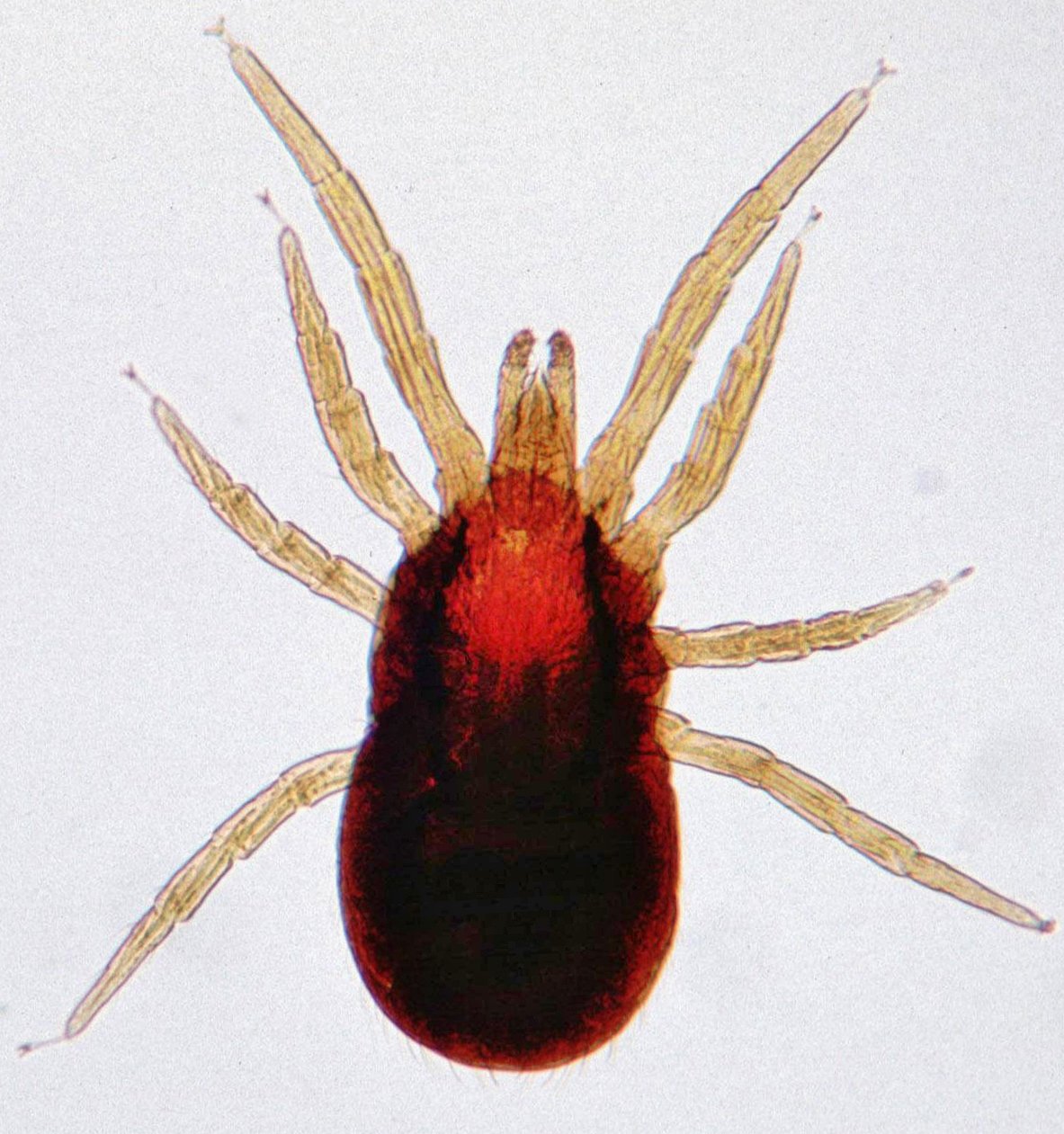
Every “what does a dust mite look like” search deserves the honest scale answer first: you cannot see a dust mite. Adults measure roughly a quarter to a third of a millimeter — below the naked eye’s resolution for a translucent, slow-moving speck against fabric — and no photograph you’ve seen of one was taken with a phone. Under magnification (the electron-microscope portraits that illustrate every article, this one included) a dust mite is a pale, globular, eight-legged arachnid — a distant tick-and-spider cousin — with a striated, translucent body, no eyes, no antennae, and mouthparts built for rasping skin flakes, not piercing anything. Two species dominate homes worldwide (the American and European house dust mites), and their census is humbling: a typical used mattress hosts hundreds of thousands to millions, a gram of mattress dust can carry thousands, and no household on Earth — including the cleanest in the Miami Valley — is mite-free, because their food supply (the gram-plus of skin each human sheds weekly) is unstoppable and their water needs are met by air humidity alone. The practical consequence of invisibility: anything you can actually see crawling is not a dust mite — it’s one of the visible look-alikes this page sorts below, and that identification is where our free photo line earns its place on a page about an invisible animal.
Dust mites do not bite, so whatever marked you is something else — and identifying it is where pest control in Dayton starts.
The “bites”: what dust mite allergy actually does to skin
If dust mites don’t bite, why do people wake up itchy, welted, and certain? Because dust mite allergy is real, common, and skin-expressed — the mites’ fecal pellets and fragments carry potent allergen proteins (Der p 1 and Der f 1, among the most-studied allergens in medicine), and in sensitized people chronic exposure produces exactly the symptoms that get misread as bites: itchy red patches and bumps (allergic dermatitis and eczema flares, often on face, neck, chest, and arms — the skin most exposed to bedding), morning-dominant symptoms (congestion, sneezing, itchy eyes, scratchy throat after eight hours face-down in the allergen reservoir), year-round persistence with winter worsening (closed windows, forced-air heat stirring settled dust), and in asthmatic households, night-time asthma pressure — dust mites rank among the leading asthma triggers worldwide, the same allergen mechanics our roach health section covers from a different species. The tell that separates allergy from genuine bites: allergy produces diffuse, symmetric, recurring irritation without punctum (no central bite point), tracks bedroom exposure (better on vacations, worse at home), and often travels with the respiratory symptoms. Genuine bites — discrete welts with centers, appearing in crops after specific exposures — point to the actually-biting suspects this page reaches shortly. Both deserve answers; only one deserves an exterminator.
The mites that DO bite: the real suspects behind “mite bites”
The confusion around this subject survives because biting mites genuinely exist — they’re just not dust mites, and each one carries a findable source with a real fix. Bird mites: the classic Miami Valley case — a nest in the bathroom vent, eave, or window AC empties when fledglings leave (late spring through midsummer), and the nest’s mite population, suddenly hostless, migrates indoors and test-bites humans; tiny (barely visible as moving pepper specks), prolific biters, and self-limiting once the nest is removed and the entry treated — a job squarely in our lane. Rodent mites: the same story with a mouse or rat host — a wall-void population treated or died off releases its mites into living space; the bites announce a rodent history the household sometimes didn’t know it had, and the fix is the full rodent protocol plus void treatment. Chiggers: outdoor-only late-summer larvae from tall grass and brush — intensely itchy welts clustered at sock lines and waistbands appearing hours after yard or trail time; they neither infest homes nor persist on skin, whatever the folklore says about nail polish. Scabies: the human-specific burrowing mite — relentless night-dominant itching with thread-like burrow lines, spread person-to-person — which is a medical diagnosis for a physician, never an exterminator, and we say so immediately when evidence points there. The sorting logic: biting-mite cases have a source story (birds, rodents, outdoors, or contagion), respond to source removal, and produce discrete bites; dust mite allergy has none of the above. Both get honest routing from one free phone call.
The fix: allergen warfare, not pest control
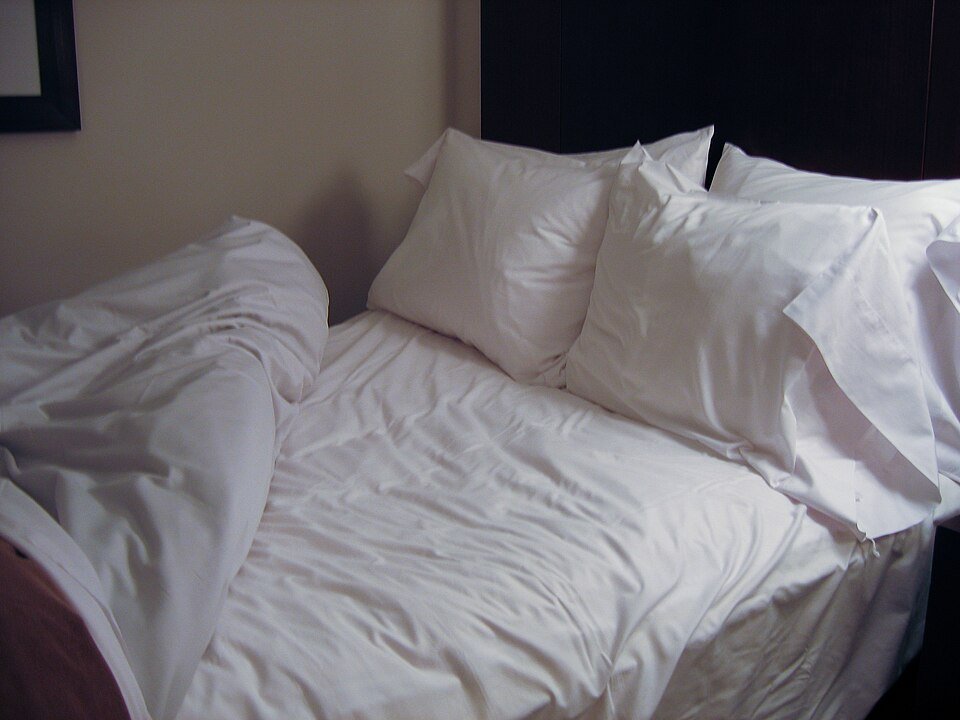
- Encase the reservoirs: zippered allergen-barrier encasements on mattresses and pillows — the single highest-impact purchase in this entire subject, sealing millions of mites and their allergen away from your airway (and usefully identical to the encasements our bed bug protocol installs)
- Hot-wash the bedding weekly: 130°F water kills mites and rinses allergen; the dryer’s high heat backs it up — the same appliance that anchors half this site’s advice
- Drop the humidity: mites drink the air — below ~50% relative humidity populations crash; a dehumidifier in the humid Miami Valley summer does more than any chemical ever could
- HEPA the dust: vacuum with a HEPA machine weekly (standard bags exhaust allergen back into the room), damp-dust hard surfaces, and filter the furnace with MERV-11+ media
- Simplify the bedroom: carpet, heavy drapes, and stuffed-animal armies are mite condominiums — hard floors, washable curtains, and a rotating few washable plush friends cut the reservoir dramatically
- Skip the sprays: acaricide products exist but underperform the physical program and add chemistry to a sleeping room for marginal gain — the same verdict our myth-series pages keep delivering, from a company that sells treatments for a living
- Escalate to medicine, not pesticide: persistent symptoms deserve an allergist — testing confirms the trigger, and immunotherapy genuinely retrains the immune system; that referral is the correct “treatment” this page has to offer
Dust mite questions, answered
I can see tiny bugs crawling on my sheets. Dust mites?
No — visibility disqualifies them. Moving specks you can actually watch are bird or rodent mites (pepper-grain, source story above), carpet beetle larvae (bristly, slow), booklice (pale, humid sills), or springtails (jumpers, moisture) — and each routes differently, which is exactly what the free photo line sorts. A clear picture beside a coin gets you the verdict within the hour: (937) 569-3330.
Do dust mites live in my hair or on my skin?
No — they live in the fabric reservoirs where skin flakes accumulate, not on people. (The follicle mites that DO live on human skin — Demodex — are a separate, near-universal, harmless resident that a dermatologist can discuss; they’re not what itches at night either.) The “crawling” sensation in bed is overwhelmingly formication — nerve-level itch perception from the allergy itself or from anxiety about it — which is why treating the allergen calms the crawling.
Will an exterminator treat my house for dust mites?
An honest one won’t sell you that job, and now you know why: the animals are invisible, universal, embedded in fabric by the million, and unbothered by perimeter chemistry — while the encasement-wash-dehumidify program actually works and costs less than one service visit. What we WILL do: identify your visible specimens free, run the bird-mite and rodent-mite source jobs that masquerade as this problem, and hand the true allergy cases to the allergist with a clean conscience. That division of labor is this page’s whole point.
The pictures problem: why “dust mite bite photos” mislead everyone
A special word about the image searches that bring most readers here, because the “dust mite bites pictures” genre is a hall of mirrors. Since dust mites don’t bite, every photo labeled “dust mite bites” is actually something else: allergic dermatitis (the honest majority), bed bug bites, flea bites, chigger welts, scabies burrows, folliculitis, or unrelated skin conditions — a mislabeled dataset that trains worried households to match their skin against a fiction. The downstream damage is real and we see it: families vacuum-sealing bedrooms against an invisible biter while actual bed bugs colonize the box spring unexamined, or scrubbing mattresses while a bird nest in the bathroom vent — the true mite source — raises its next brood. The corrective habit is the same evidence discipline running this whole library: skin alone never diagnoses; sources and specimens do. Run the ten-minute bedroom test for bed bugs, check the vent-and-eave story for bird mites, review the outdoor calendar for chiggers, and let symmetric, punctum-free, bedroom-tracking irritation point where it honestly points — at allergen, and at the program above. Photos of your skin are for a physician; photos of anything crawling are for us, free, and between those two channels every version of this mystery finds its answer without a single mislabeled image involved.
The Miami Valley angle: humidity, seasons, and old-house dust
Local conditions tune the dust mite equation in ways worth knowing. Our humid Ohio summers are peak mite breeding season — populations explode from June through September when indoor humidity rides above 55% — which is why the dehumidifier line in the program isn’t generic advice but the region’s single best lever, and why finished basements and slab-on-grade bedrooms (hello, Huber Heights) with their naturally damper air run heavier loads. The heating season flip follows: forced-air furnaces from October onward dry the air (mites decline) while stirring months of settled allergen into circulation (symptoms spike) — the classic “why is my allergy worse in winter if mites love humidity” paradox, answered by filtration and duct hygiene rather than more mite-killing. And the region’s pre-war housing stock — the plaster, radiators, and original floors of Dayton and Oakwood — actually favors the allergic household: hard floors and hot-water heat carry lower reservoirs than carpeted forced-air construction, one of the few pest-adjacent contests the old houses win outright. Whatever your housing vintage, the program is the same four levers — encase, wash hot, dry the air, filter the dust — applied with the seasonal emphasis your address suggests. It’s the cheapest complete victory in this entire library, and not one truck needs to roll.
The one-screen dust mite file
- Do dust mites bite? NO — anatomically incapable, uninterested in blood; they eat shed skin flakes in bedding and upholstery
- What do they look like? Nothing, to your eyes — 0.3mm translucent eight-legged specks; anything you can SEE crawling is a different animal worth a free photo ID
- The “bites” are allergy: diffuse itchy patches without bite centers, morning congestion, bedroom-tracking symptoms, winter flares — allergen exposure, not attack
- The real biters: bird mites (empty nest story — our job), rodent mites (wall-void history — our job), chiggers (outdoor calendar), scabies (physician, immediately)
- The fix: encasements + weekly 130°F wash + humidity under 50% + HEPA vacuuming + bedroom simplification — no pesticide performs and none is needed
- Escalation: persistent symptoms → allergist (testing + immunotherapy work); visible crawlers or a source story → (937) 569-3330, free
- The honest label: this is mostly not a pest-control problem — and the company saying so is the one to call when it is
Screenshot the file, order the encasements, set the dehumidifier to 45%, and reclaim the night from an enemy that — for once in this library — was never actually attacking. The itch was real, the fix is cheap, and the invisible roommates go back to their skin-flake economy unmourned and unsprayed.
For the allergy households: building the low-mite bedroom, room by room
Since the program above compresses a medical literature into seven bullets, here’s the expanded walkthrough for the households that need the full version — the asthmatic kid, the year-round congestion case, the eczema flare that tracks the bed. The bed itself: encasements on mattress, box spring, AND pillows (the pillow is the airway’s nearest neighbor); wash the encasement exteriors with the bedding; replace pillows every couple of years regardless (they accumulate allergen mass measurably — an old pillow’s weight gain is not a myth). The floor: if renovation is ever on the table, hard flooring in bedrooms is the single biggest structural win; failing that, low-pile carpet, HEPA vacuuming twice weekly, and an annual deep steam (heat kills mites; the drying matters — do it in low-humidity weather). The air: a true-HEPA room purifier helps the sensitized sleeper (run it on high an hour before bed, low overnight); furnace filters at MERV 11–13 changed on schedule; ducts cleaned when visibly loaded, not on a salesman’s calendar. The stuff: books, plush, and clutter migrate out or into closed storage; blinds beat drapes; the bedroom’s job description narrows to sleeping. The verification: symptom tracking is the household’s monitor — two weeks of morning congestion scores before and after the program tells you more than any product review — and the allergist’s skin or blood panel confirms the trigger when the investment case needs certainty. Run the whole protocol and most dust-mite-allergic households report the difference within a month; the ones that don’t have their answer too — the trigger is something else, and the elimination diet of allergens has narrowed the search. Either way, nobody sprayed anything, and the science did the work.
A closing thought on the strangest fact in this file: you have never slept alone, and neither has anyone you’ve ever met. The dust mite’s partnership with humanity is total — every bed, every civilization, every century since textiles began — and it asks nothing of us but the skin we were discarding anyway. Of all the creatures in this sixty-page library, it’s the only one that was never once an intruder: it’s a tenant of the human condition itself, invisible, rent-paid in advance, and guilty of nothing but shedding allergen where we breathe. Manage the allergen, spare the outrage, and save the war stories for the pests that actually earn them — the rest of the library is full of those, and the number at the bottom works for every single one: (937) 569-3330.
Frequently asked questions
Do dust mites bite?
No — ever. Dust mites eat shed human skin flakes, not blood, and possess no biting anatomy for skin. The welts attributed to them are allergic reactions to mite proteins in house dust: real skin misery, zero bites.
What do “dust mite bites” actually look like then?
Allergic dermatitis: red, itchy patches and papules on dust-exposed skin, often worse after bed, without the puncture centers, lines, or clusters of true bites. Morning-itch patterns with clean mattress seams point here rather than to bed bugs.
How do I know it’s dust mite allergy and not bed bugs?
Evidence versus absence: bed bugs leave seam spotting, skins, and eggs; dust mite allergy leaves nothing to find. Congestion, sneezing, and morning eye-itch traveling with the skin symptoms strengthen the allergy verdict; an allergist can confirm with testing.
Where do dust mites live in my house?
Wherever skin flakes accumulate in humid comfort: mattresses and pillows above all, upholstered furniture, carpet, and bedding — millions per bed at peak, invisible at a third of a millimeter. Every home has them; symptomatic homes have sensitized residents, not dirtier houses.
How do I reduce dust mites in my bedroom?
The allergen protocol: certified encasements on mattress and pillows, weekly hot-wash (130°F) bedding, humidity below 50% (mites desiccate — the single biggest lever), HEPA vacuuming, and hard flooring where feasible. Two weeks of the stack typically drops symptoms measurably.
Do dust mite sprays and treatments work?
Acaricide sprays underperform the physical stack and re-expose you to chemistry — the encasement-laundry-humidity trio removes both mites and allergen reservoirs more durably. Pest-control-style treatment is the wrong tool; this is an environmental-control file.
Can dust mites live in my hair or on my skin?
No — they cannot survive on living bodies; the follicle-dwelling Demodex mites of skin are a separate, near-universal, harmless organism unrelated to house dust. Neither warrants pest control; persistent skin concerns belong to dermatology.
Why are dust mite symptoms worse in winter?
Closed-house season concentrates allergen exposure while heated dry air paradoxically kills mites — the allergen load from fall’s peak population persists in bedding while ventilation drops. The protocol’s laundry-and-encasement half matters most exactly now.
Are dust mites dangerous for asthma?
Genuinely — dust mite allergen is among the strongest documented asthma triggers, especially pediatric; the bedroom protocol is standard medical advice for allergic asthma households. This is the one “pest” whose primary treatment is prescribed by allergists.
Does pest control treat dust mites?
Honestly: no — and any company selling dust-mite spray treatments is selling the wrong product. Our role is the differential (ruling bed bugs and biting mites in or out, free) and pointing the allergy file to the encasement stack and your physician: (937) 569-3330.