
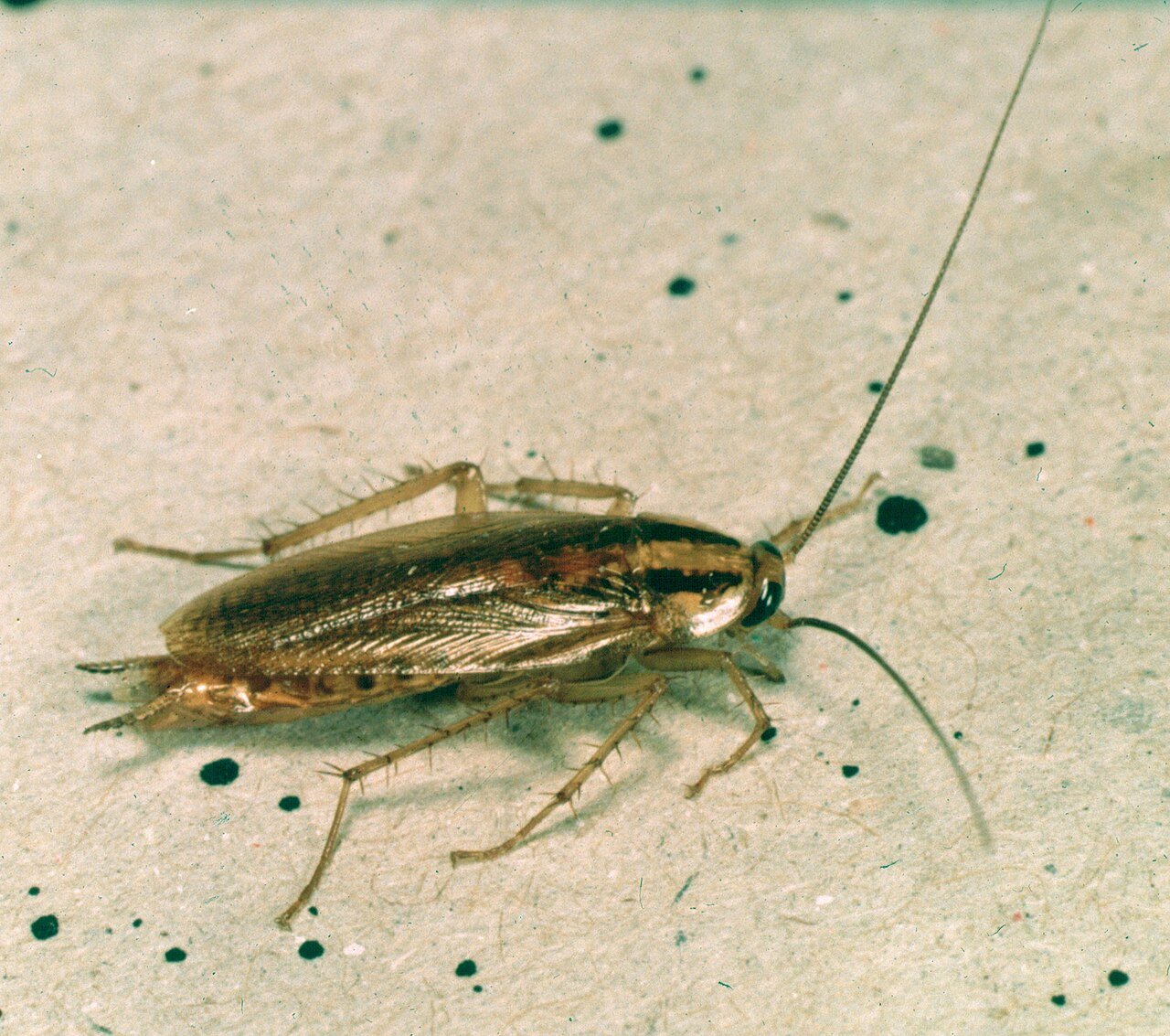
When a Piqua mill floor becomes apartments, the building keeps its original circulatory system — and so does its roach file. The conversion lofts that are remaking this town’s industrial stock inherit utility chases built at factory scale: shaftways that once carried belts and steam now carry plumbing and electric for a dozen units, running basement to roof through every floor, connecting every kitchen to every kitchen in a single vertical system. Cockroach control in Piqua’s converted stock turns on that inheritance. A German roach introduction anywhere in a loft building has the run of architecture more connected than any apartment block built on purpose — and the unit-by-unit response that fails in ordinary multifamily fails faster here. We call it the loft chase, and its rule is the one every connected building teaches: treat the system, not the address.
Factory Plumbing, Residential Stakes
The conversion economics explain the exposure: original chases were reused because cutting new ones through heavy timber and brick costs a fortune, so the renovated building’s risers cluster in the old shaftways — oversized, warm from the stacked utilities, and accessible from every unit’s kitchen and bath walls. Add the format’s features — exposed-brick gaps, plank-floor seams over shared joist bays, a ground floor that’s often commercial (the café or shop whose deliveries supply the introductions) — and a loft building runs one population with a dozen mailing addresses. The program that works is the whole-building standard executed at industrial scale: monitor lines in every unit reading one trend, bait placements at the chase penetrations where the highways enter each kitchen, the ground-floor commercial kitchen on the same schedule as the residences above it, and management-level buy-in, because a building this connected can’t be protected one lease at a time.
The Rest of the Downtown
The unconverted blocks run the files the town’s architecture predicts: connected storefront rows with shared cellars on the block-compact logic, rear-door deliveries arriving off the alley grid with their cardboard, and the older housing stock’s basement “water bugs” — American cockroaches riding the canal-era laterals, a drain file rather than a kitchen one. The residential acquittals hold here too: June’s wood roaches off the river corridor get their free photo verdict, and the detached streets’ genuine cases clear in the single-course standard with the import route audited.
The Piqua Ledger, Complete
This page closes Piqua’s five-file set, and the through-line held from the first page to the last: this town’s pests inherited its infrastructure. The rodents run the 1840s canal ledger, the ants run the alley grid, the termites work the heavy timber, the wasps enter through the broken panes, and the roaches ride the factory chases — five files, one industrial inheritance, serviced by a provider who reads the buildings the way the town built them. The whole set lives on our Piqua service page.
- Loft-building programs: whole-system service — every unit monitored on one trend, chase penetrations baited, ground-floor commercial included, management-coordinated
- Storefront-row accounts: the block-compact standard for the connected cellars, with receiving discipline at the alley doors
- Residential verdicts: free photo IDs, June acquittals, and the single-course standard with the import audit for the detached streets
- No foggers, at any scale: in chase-connected architecture a total-release can is a building-wide distribution event — the one move that guarantees every unit shares the problem
Treat the System, Not the Address
Loft managers: one walkthrough maps your building’s chases and quotes the whole-system program that actually ends introductions. Residents and homeowners: the photo verdict stays free, and the single-course standard stays honest. The building’s history is the map; we just read it.
Frequently asked questions
Why do roach problems spread so fast in Piqua’s loft buildings?
The factory inheritance: conversions reuse the original utility shaftways, so a dozen units’ plumbing and electric cluster in oversized, warm chases running basement to roof — architecture more connected than any purpose-built apartment block. One introduction has the run of the system within weeks.
My loft unit got treated but the roaches came back — why?
Because your unit is an address, not a system: the population shifted through the chases, waited out the treatment, and drifted back. The fix is whole-building service — every unit monitored on one trend line, chase penetrations baited, the ground-floor commercial included.
What should loft residents ask their management for?
The specific program: whole-system treatment with every unit on the same schedule, monitors reading one building-wide trend, and the ground-floor kitchen — usually the introduction source via deliveries — inside the same protocol. Anything less is rotation, not resolution.
Where do introductions actually come from in these buildings?
Deliveries, overwhelmingly — the ground-floor café or shop’s supplier cardboard, plus residents’ own moving boxes and secondhand appliances. Receiving discipline downstairs and threshold checks upstairs close the two doors the chases connect.
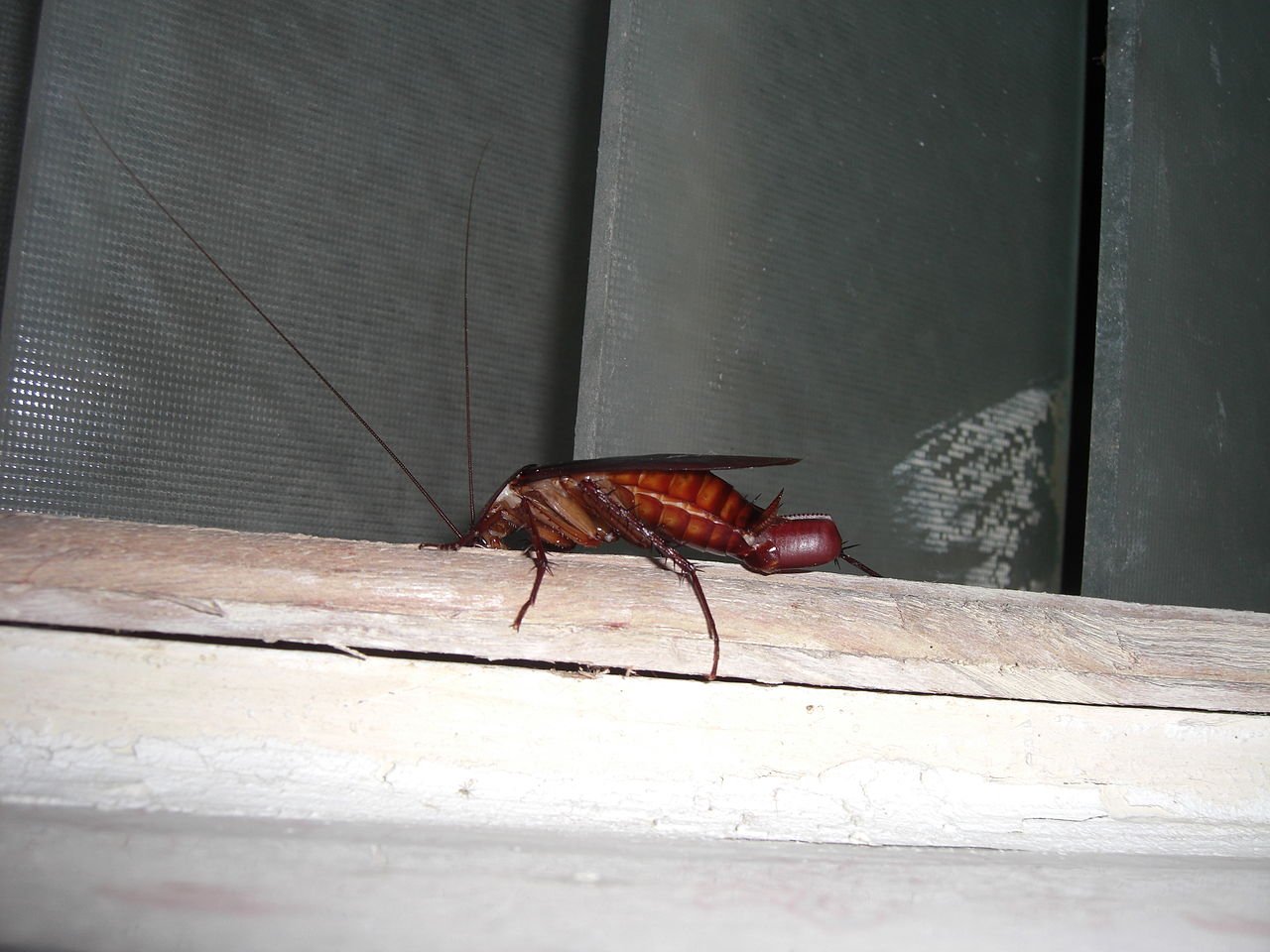
What are the big reddish roaches in older Piqua basements?
American cockroaches riding the canal-era sewer laterals — the drain file, not the kitchen file. Different species, different fix (drains, moisture, lateral condition), and never a verdict on anyone’s housekeeping.
Is the roach I saw at my porch light in June a problem?
Almost certainly a wood roach off the river corridor — outdoor species, arrives singly at lights, cannot breed indoors. The photo verdict is free and it’s usually this acquittal.
Why are foggers catastrophic in converted buildings?
A total-release can in chase-connected architecture is a building-wide distribution event: the repellent blast pushes populations through the shaftways into every unit at once. Bait pulls populations out of the system; foggers broadcast them through it.
What does cockroach control cost in Piqua?
Loft-building programs quote per building with all units and the commercial floor included — the only honest scope; storefront rows run the block-compact rates; and residential stays simple: free verdicts, flat single-course treatment when a case is real.
The Conversion Moment, One More Time
Piqua’s files keep converging on the same hour, so it bears repeating here at the ledger’s close: the renovation is the cheapest moment for everything. The demolition phase that lets the termite inspection see the timber and the wasp sweep read the volume is also the roach program’s founding opportunity: chases mapped while they’re open, penetrations sealed to residential standard before the drywall closes, monitor infrastructure planned into the build instead of retrofitted around it. A conversion that spends one contractor-week on pest architecture opens with a building that’s easy to keep clean for decades — and every Piqua project that skips it buys the retrofit version at several times the price. Developers get this counsel free; the buildings deserve it.