Piqua was built by water twice — once by the Great Miami and once by the Miami & Erie Canal — and its rodents still follow the original blueprints. The canal is a linear park now, and the mill blocks are antique malls and apartments, but the below-grade world those eras left behind — stone foundations, interconnected basements, brick storm laterals, riverbank rip-rap — remains the finest rodent infrastructure in Miami County. Rodent control in Piqua means working with that inheritance: this is one of the few towns we serve where the Norway rat file is as real as the mouse file, and where the map that matters was drawn in the 1840s. We call it the canal ledger, and every downtown rodent call we run is an entry in it.
Two Species, Two Maps
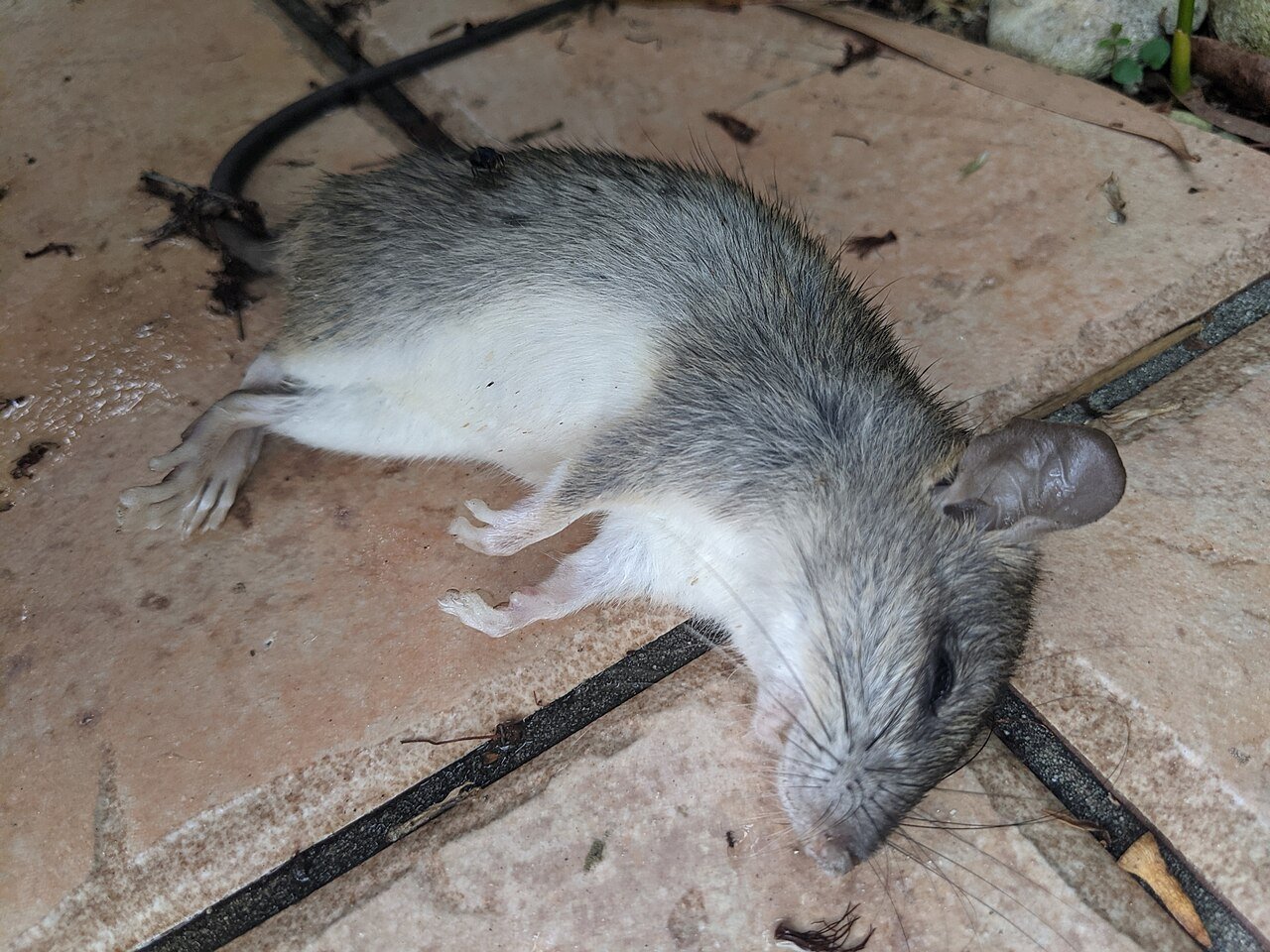
The rat map follows the water lines: the riverfront, the old canal alignment through town, and the storm laterals that stitch the historic blocks to both. Norway rats are burrowers and travelers of infrastructure — they den in rip-rap and embankment soil, move through century-old laterals, and surface where dumpster service, bird feeding, or a failed sewer cap gives them a reason. The mouse map is the housing stock: Piqua’s deep inventory of 1880s–1940s frames with stone or early-block foundations, each offering the gaps a century of settling opens — sill spaces, porch skirting, coal-chute scars, the bulkhead door that never quite closed. Downtown’s upper-floor apartments over commercial space add the classic mill-block dynamic: the building’s rodents are a building problem, not a tenant problem, and treating one unit at a time just rotates the pressure.
Reading a Stone Foundation
Half of Piqua’s residential rodent work is really masonry literacy. A hundred-year-old stone foundation is a beautiful thing with a hundred mortar joints per wall, and mice need only the one where the mortar has stepped back an inch. The reads that matter: rub marks — greasy smudge lines at gap edges from repeated body contact; droppings concentrated along sill plates in the basement’s quiet corners; and insulation pull, where fiberglass shows tufted excavation at the rim joist. Our exclusion work on these foundations is mortar-and-mesh craft — stainless mesh packed and sealed into the failed joints, gnaw-proof collars at utility penetrations, and the bulkhead and coal-chute legacy openings closed properly — because on this housing stock, sealing is a masonry job pretending to be a pest job.
The Program, Ledger-Style
- Downtown and riverfront accounts: exterior station lines on the rat map’s pressure points, dumpster-zone counsel, and burrow treatment where the embankment file is active
- Whole-building service for mill blocks: commercial-to-residential conversions treated as one structure — basements, chases, and common walls — never unit by unit
- Stone-foundation exclusion: the mortar-and-mesh craft work, quoted from an actual perimeter crawl rather than a doorway glance
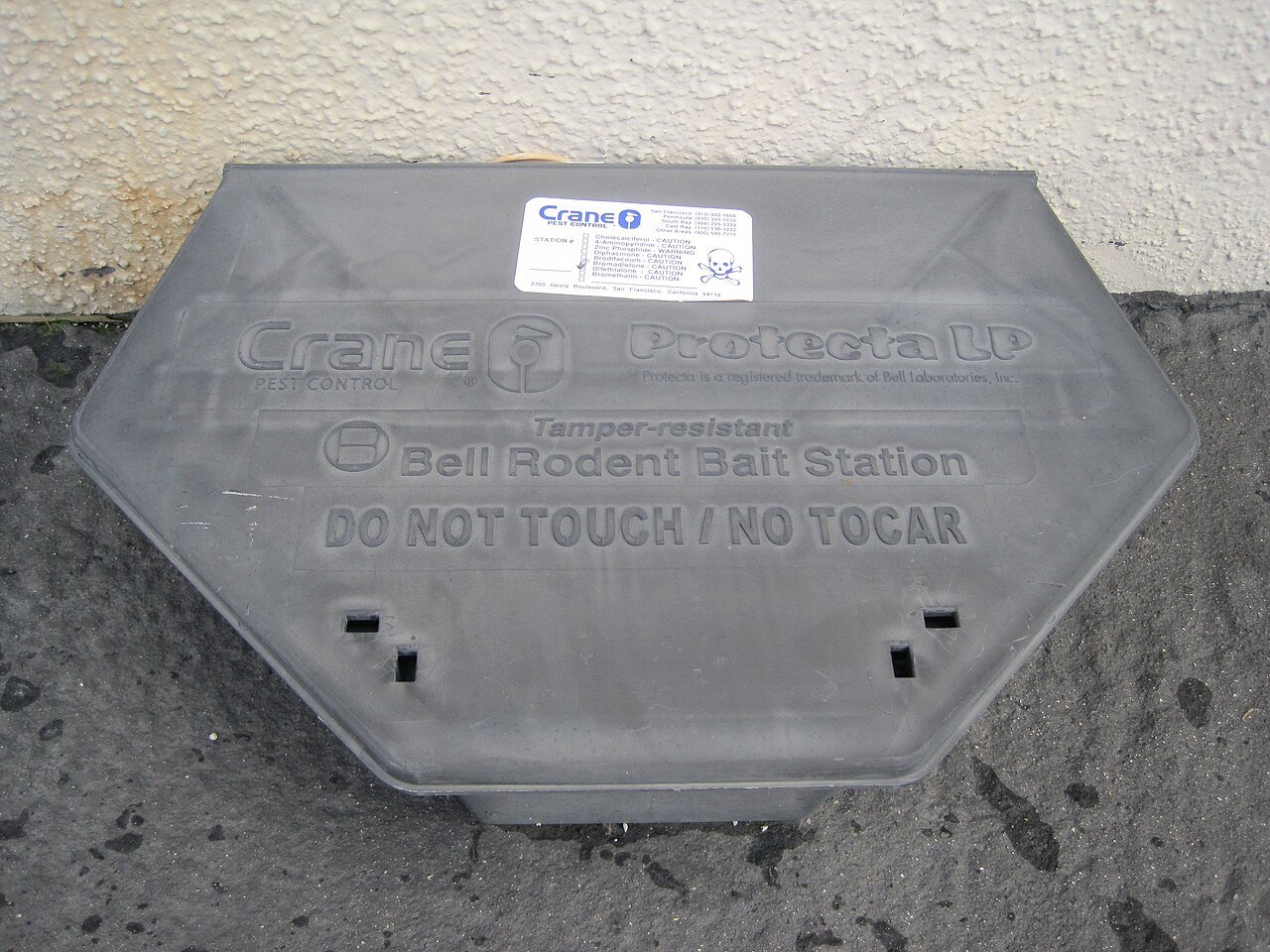
- Monitoring that respects history: stations placed on runways the infrastructure dictates, checked on a schedule, with the trend line reported plainly
The honest asymmetry, stated upfront: the river and the old canal alignment will always carry a background rat population — that’s true of every water town in Ohio, and anyone promising a ratless riverfront is selling weather. What’s winnable is the boundary: burrows treated when they appear on your parcel, the food subsidies closed, the building sealed at its century-old weak points, and the ledger checked on schedule instead of after the scratching starts. Piqua’s full local file lives on our Piqua pest control page.
Balance Your Entry in the Ledger
One inspection reads your foundation’s masonry, your block’s water-line position, and your building’s legacy openings — then the program holds the boundary: exclusion craft, station lines, and the honest word about what a river town keeps.
Frequently asked questions
Does Piqua really have rats, or just mice?
Both files are real here — one of the few towns we serve where that’s true. Norway rats work the river, the old canal alignment, and the storm laterals; mice work the century housing stock. Different maps, different programs, and the inspection says which ledger you’re in.
How are mice getting into my old stone foundation?
Through the mortar, almost always — a hundred joints per wall and they need one that’s stepped back an inch. Look for greasy rub marks at gap edges and droppings along the basement sill line. The fix is mortar-and-mesh craft, not a caulk gun.
I live above a downtown storefront — whose rodent problem is it?
The building’s. Mill-block conversions share basements, chases, and common walls, so unit-by-unit treatment just rotates the pressure. The working answer is whole-structure service arranged with the owner — and we’ll help make that case.
What draws rats out of the riverbank into my block?
Subsidies: overflowing dumpsters, ground-fed birds, pet food, open compost, and broken sewer caps. The embankment population is background; the surfacing is always paid for. Close the subsidy and the boundary usually holds.
Can you get rid of rats along the river for good?
No one can, honestly — a water town carries a background population, and promises otherwise are weather forecasts. What’s winnable: burrows treated on your parcel, subsidies closed, buildings sealed, stations holding the line. Managed is the real word.
What are the signs rats have moved onto my property?
Burrow openings (2–3”, clean-swept) along foundations or under slabs, packed runways in grass, gnaw marks on bin lids, and droppings the size of raisins rather than rice. Any of those is a same-week call — rat timelines run faster than mouse timelines.
Is DIY poison a bad idea in an old basement?
Usually — open bait risks pets and children, and a rodent dying in a stone-foundation wall void is a weeks-long problem you can’t reach. Locked stations on actual runways plus exclusion beat scattered bait on every measure that matters.
What does rodent control cost in Piqua?
Flat-priced residential service with the exclusion assessment included; stone-foundation craft work quoted from a real perimeter crawl; downtown and riverfront accounts on scheduled station programs — priced so the monitoring costs less than the first gnawed wire it prevents.
Piqua’s other pest files run on the same local logic: termite control in Piqua and cockroach control in Piqua.