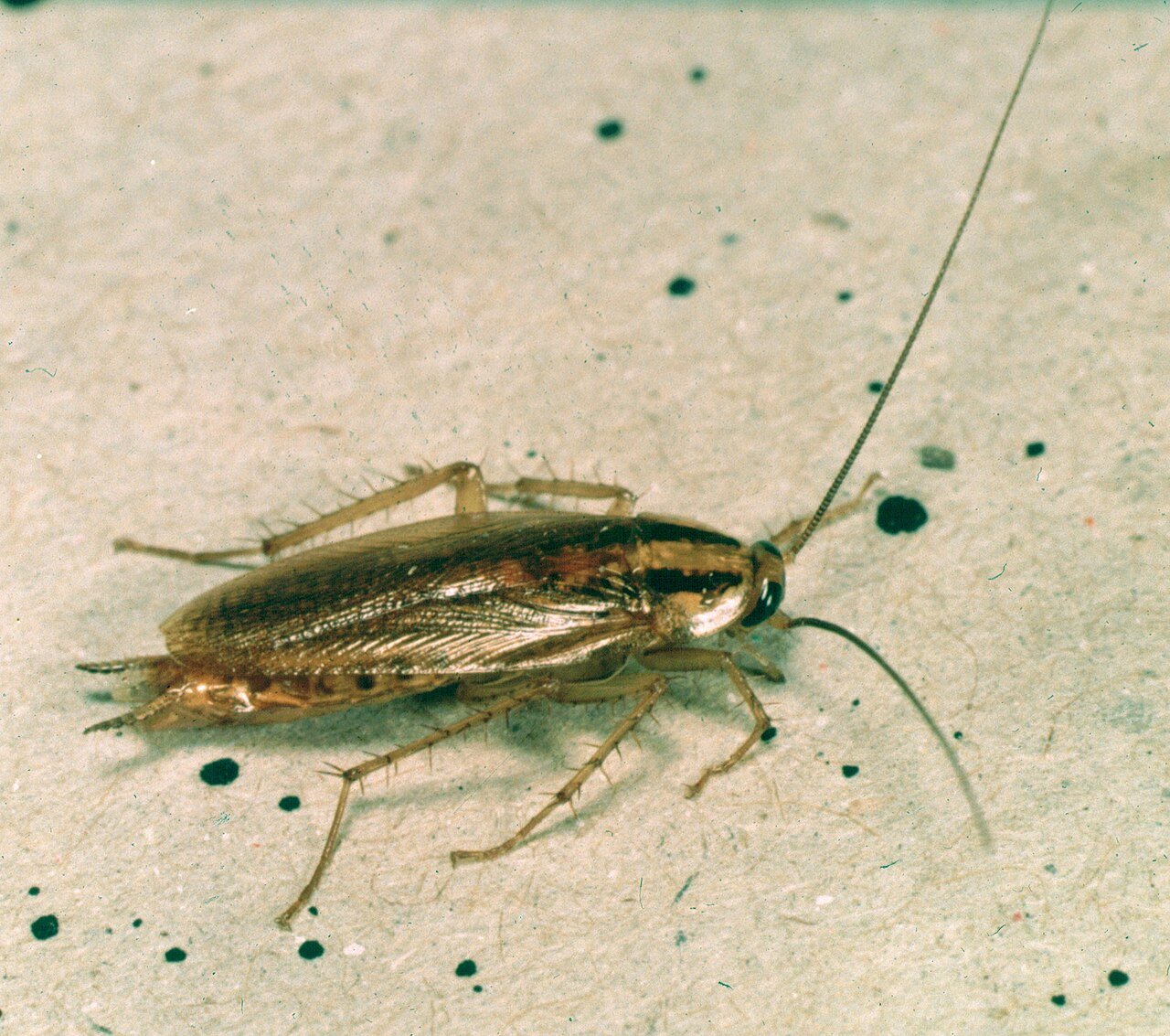
Tipp City’s Main Street looks like a row of separate businesses and is, structurally, one long building. The canal-era blocks were built shoulder to shoulder — shared party walls, continuous cellars, joist pockets that interleave, utility chases threaded through a century and a half of renovations — and that physical truth is the first fact of cockroach control downtown. A German cockroach introduction at any address on a connected block is, biologically, an event for the whole block: the species travels pipe chases and party-wall gaps as readily as hallways, and a population suppressed in one kitchen simply shifts its center of mass next door until pressure eases. We call it the shared-wall ledger — every business on the row holds an account whether they opened one or not — and the towns that beat it are the ones whose blocks act like what they are: one building.
How the Ledger Runs
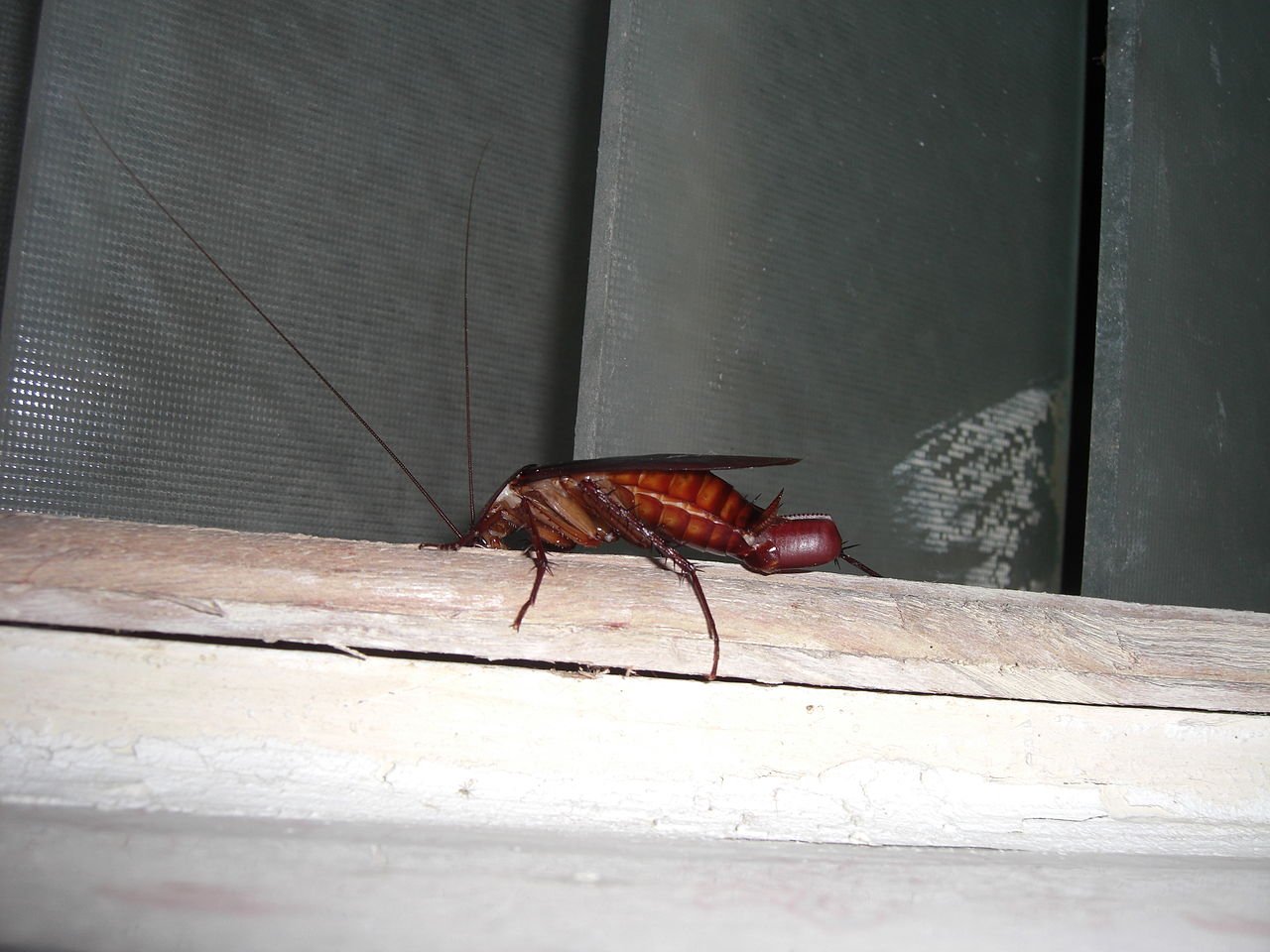
The mechanics are worth seeing plainly. A delivery-borne introduction lands at the block’s one food-service kitchen; bait knocks the visible population down; survivors and egg cases persist in the party-wall voids and travel the joist pockets; three months later the boutique two doors down — a business with no food, no grease, and no idea — finds droppings in a stockroom that shares a chase with the kitchen’s plumbing. Nobody did anything wrong, and the boutique’s own “treatment” would be pointless: its roaches are the kitchen’s roaches, commuting. The connected block has one population with several storefront addresses, and the only program that ends it is the one that maps the block’s actual connections — which cellars join, which chases run through, where the old doorways were bricked over badly — and places monitoring and bait along the real highways instead of inside the imaginary property lines.
The Block Compact
The working arrangement we’ve built on connected retail rows: a shared monitoring program across consenting neighbors — monitor lines in each cellar and stockroom read on one monthly circuit, bait placed at the mapped connection points, and a simple understanding that a trend spike anywhere triggers a look everywhere. It costs each business a fraction of a solo program, it’s the only architecture-honest approach on blocks like these, and it produces the thing every Main Street business actually wants: a quiet ledger, block-wide, that stays quiet. For the food-service anchors, the standard kitchen program layers on top — receiving discipline, cardboard broken down at the door, gel-and-growth-regulator work at the harborage map — because the anchor kitchen’s hygiene sets the whole block’s baseline pressure.
Beyond the Blocks
- Detached-housing verdicts: the residential file runs the standard acquittal-first honesty — June wood roaches off the tree lines ID’d free by photo, carried-in cases cleared in a single course with the import route audited
- The subdivision file: no shared walls east of downtown means no ledger — genuine cases out there are one-kitchen events, treated as such and never sold a subscription
- Festival and vendor season: Tipp’s event calendar brings the concession circuit through, and stored rigs get the off-season strip-down and winter-monitor protocol
- No foggers on the blocks, ever: a total-release can on a connected row is a population redistribution program — the single fastest way to turn one address’s problem into five addresses’ problem
The honest pitch to downtown owners is the same one the architecture makes: your block already shares everything — walls, cellars, chases, fate. Sharing the monitoring is just accounting catching up with the building. One circuit, one map, one quiet ledger — and the rodent program rides the same circuit for the same reason, because the connected block runs both files through the same walls. The town’s full pest picture lives on our Tipp City service page.
Open the Block’s Ledger Honestly
One walkthrough maps your block’s real connections — cellars, chases, party-wall gaps — and prices the shared program that ends the commuting for everyone. Solo storefronts welcome too; we’ll just tell you honestly when your roaches have another address.
Frequently asked questions
My downtown shop has roaches but no food — how?
You’re reading the shared-wall ledger: connected canal-era blocks run one population with several storefront addresses, and your stockroom likely shares a chase or party-wall gap with a kitchen’s plumbing. Treating your unit alone treats the commute, not the colony.
Why did the roaches come back after our neighbor’s restaurant got treated?
Suppression at one address shifts the population’s center of mass along the block until pressure eases, then it drifts back. On connected rows, the only ending is block-mapped work — monitoring and bait on the actual highways: cellars, chases, joist pockets.
What is the shared block program and what does it cost each business?
One monthly circuit reading monitor lines in every consenting cellar and stockroom, bait at the mapped connection points, and a spike-anywhere-look-everywhere understanding. Each account pays a fraction of a solo program for the only architecture-honest coverage that exists.
Can a block really get to zero roaches?
Yes — connected doesn’t mean doomed, it means coordinated. Blocks running the compact hold quiet ledgers for years: introductions still arrive with deliveries, but the monitor trend catches them at insect three and the mapped bait ends them before they tour.
Why are foggers especially bad downtown?
On a connected row a total-release can is a redistribution program — the repellent blast pushes populations through the party walls into every neighboring address. It converts one business’s contained problem into the block’s distributed one in a single afternoon.
Does my subdivision house need this kind of program?
No — and we’ll say so plainly: detached housing east of downtown has no ledger. A confirmed case out there is a one-kitchen event cleared in a single course with the import route audited, and single sightings in June are usually wood roaches acquitted free by photo.
What should the block’s food-service anchors do differently?
Set the baseline: receiving discipline with cardboard broken down at the door, monitor density at the delivery entrance, and the gel-and-growth-regulator program on the kitchen’s harborage map — because the anchor’s hygiene decides the whole row’s background pressure.
What does cockroach control cost in Tipp City?
Block-compact pricing per participating business beats every solo alternative on connected rows; standalone kitchen programs quote by facility; and residential stays simple — free verdicts, flat single-course treatment when a case is real.