
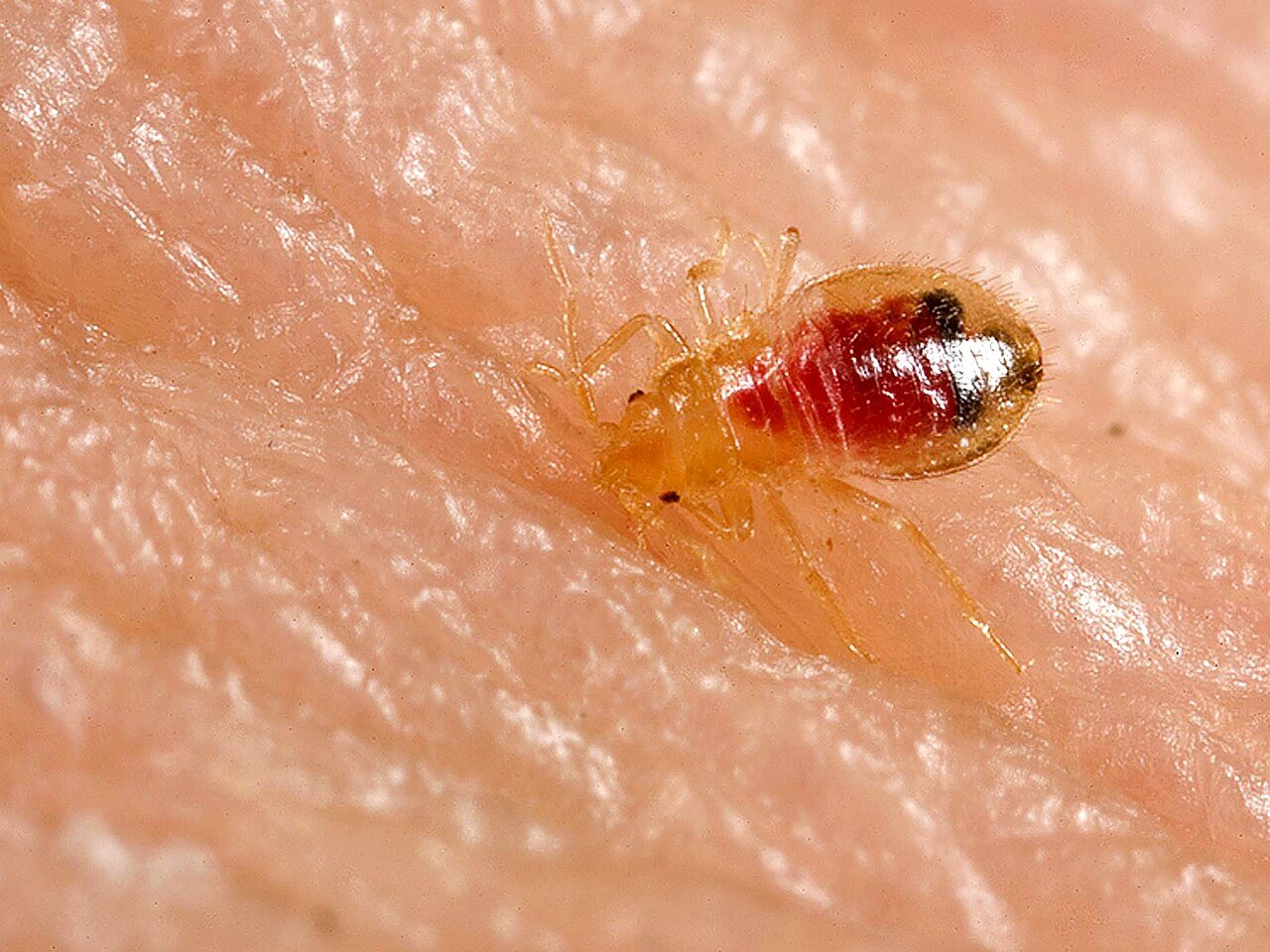
Huber Heights runs one of the region’s most active single-family rental markets — whole streets of the famous brick ranches now cycle tenants the way apartment blocks do elsewhere — and that turnover economy shapes the city’s bed bug story more than any other factor. Bed bugs travel in moves: in the furniture truck, the storage-unit sofa, the boxes that sat in a previous residence. A town where hundreds of households relocate every year runs more introductions than its quieter neighbors, and a detached-house market adds its own twist — the brick ranch’s single-family walls mean infestations don’t spread building-to-building the way apartments suffer, but they also mean every case lands on one household’s decision-making, tenant and landlord negotiating who calls whom. We handle both sides of that call weekly. Here’s the Huber Heights playbook.
How Bed Bugs Reach a Brick Ranch
- The move itself: the number-one route — dormant bugs in stored furniture and boxed goods waking weeks after the truck leaves. Turnover season (summer, lease-cycle) is introduction season, and the “three weeks after we moved in” call is the city’s classic.
- Secondhand furnishing: furnishing a rental fast makes marketplace sofas and curbside dressers tempting — and upholstered secondhand pieces are the highest-risk objects in the entire bed bug economy. The flashlight-at-the-curb inspection is non-negotiable.
- The travel souvenir: the standard hotel-to-home route, running year-round.
- What Huber’s housing spares you: detached brick walls don’t pass bed bugs — unlike apartment party walls, a neighbor’s problem stays theirs. One house, one case, one fix: the containment advantage of a single-family market, and the reason early action here pays off so cleanly.
Tenant, Landlord, and the Question of Who Pays
In a single-family rental market, the first bed bug conversation is usually contractual, not chemical — and we’ve learned to serve both sides of it honestly. Ohio practice generally puts serious infestation response in the habitability conversation, lease terms vary, and the facts of each case (how long occupied, when discovered, what the evidence shows about establishment age) genuinely matter — which is exactly what our written inspection findings document: species confirmed, evidence mapped room by room, and an establishment-age read from the cast-skin sizes and distribution. That documentation has settled more tenant-landlord conversations than any argument — property managers act on findings, tenants get taken seriously with evidence in hand, and the treatment starts weeks earlier than it would have on accusation alone. For owners running Huber rentals at portfolio scale: the turnover inspection — a bed-bug check between tenants, encasements on any furnished units — costs a fraction of one established infestation, and we run exactly that service on turnover schedules. Either way, the biology rewards speed: establishment compounds, and a week-two response is a one-room job while a month-three response is a whole-house campaign.
Verification, Then Treatment Matched to the Map
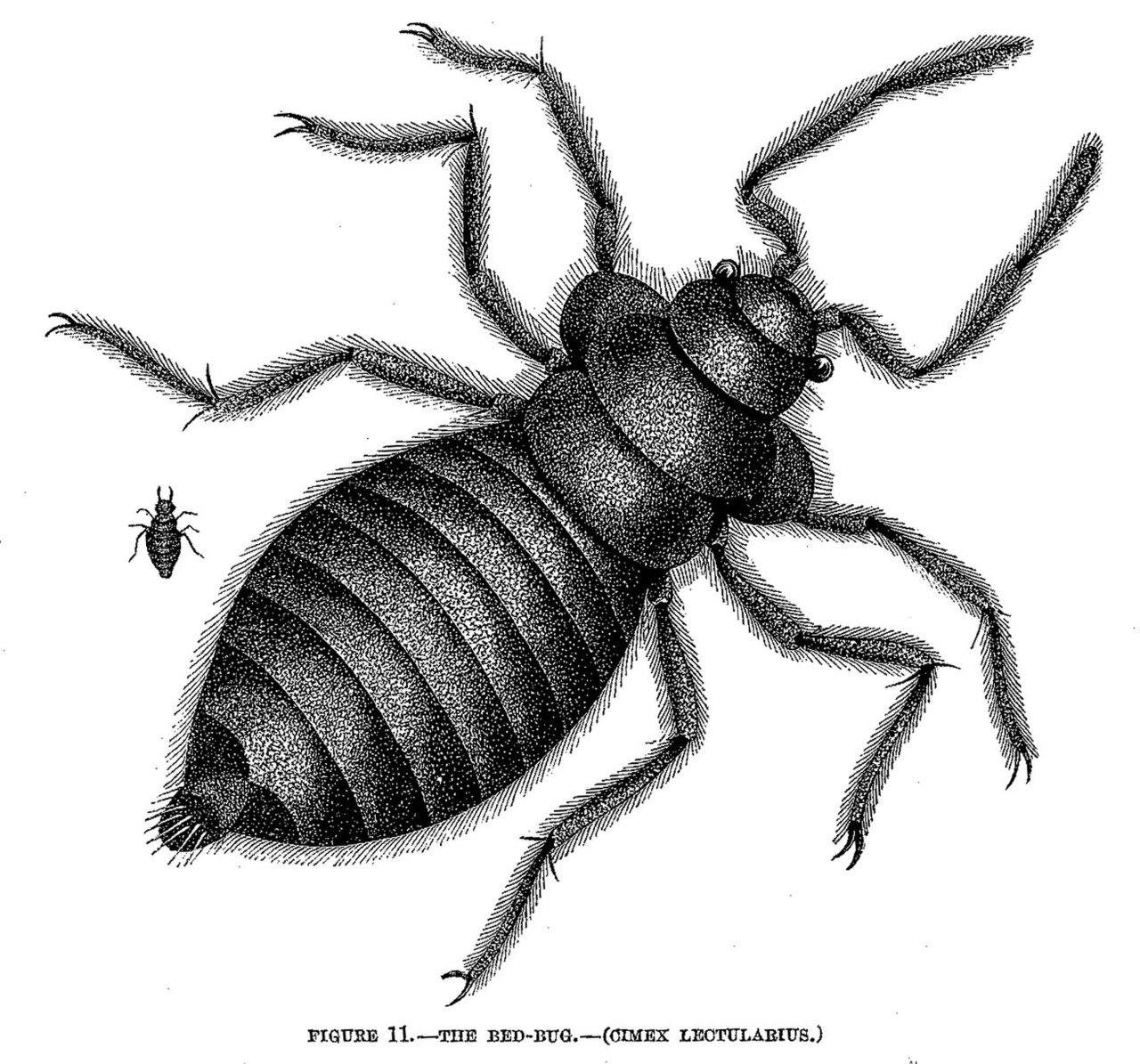
Every Huber case starts with evidence, not assumption — half our calls end with a free “not bed bugs” (the lookalikes: carpet beetle larvae and friends, plus bat bugs in ranches with attic bat history). Confirmed cases get the seam-and-crevice map — which rooms, which furniture, how old — and treatment sized to it: heat for whole-room certainty on established cases, targeted conventional work on contained ones, encasements converting beds into dead ends, and interceptor monitoring proving the curve reaches zero. The ranch layout actually helps: single-story sleeping zones concentrate harborage into a treatable footprint, and the follow-up verification visit — built into every job — closes the file with evidence rather than hope. The things we ask Huber households not to do first: fogging (scatters colonies into the brick’s wall voids — the full case), moving sleepers to the couch (extends the infestation’s range at exactly the wrong moment), and discarding beds before the inspection (evidence leaves with the mattress, and encased beds usually survive treatment fine). Discretion is standard throughout — no signs, no commentary; bed bugs ride with the cleanest households in America.
The Turnover-Town Bottom Line
Huber’s bed bug math favors whoever moves first: introductions are common (turnover), spread between houses is rare (detached walls), and early cases are small (single-story footprints) — so the difference between a contained treatment and a campaign is almost purely response speed. Same-week inspections, free evidence-based verdicts, flat pricing from the map, documentation built for the tenant-landlord conversation, and the guarantee behind all of it: the full method is on our bed bug treatment page, the prevention file at preventing bed bugs — and everything else we do in the brick city, from the roach playbook on, lives at Huber Heights pest control.
Bites After a Move-In — or Between Tenants?
Same-week inspection, free verdict, documentation both sides can act on, and treatment sized to the map — flat-priced, with a 30-day re-treatment window, across Huber Heights.
Frequently asked questions
Why do Huber Heights rentals see so many bed bug cases?
Turnover — bed bugs travel in moves, stored furniture, and secondhand furnishing, and a single-family rental market cycling hundreds of households a year runs more introductions than quieter towns. The upside: detached brick walls keep each case to one house.
Who pays for bed bug treatment in a Huber Heights rental?
It depends on lease terms and case facts — which is why our written findings document species, room-by-room evidence, and establishment age from cast-skin analysis. Documentation settles the tenant-landlord conversation faster than accusation, and treatment starts weeks earlier.
We moved in three weeks ago and now have bites — did we bring them?
Not necessarily — dormant bugs from a previous occupancy wake to new hosts on exactly that timeline, and stored-furniture hitchhikers run the same clock. The establishment-age read in our inspection speaks to precisely this question.
Can bed bugs spread from my neighbor’s house to mine?
Between detached brick ranches, effectively no — bed bugs don’t travel yards or exterior walls. They move in shared items and visits, which keeps Huber cases contained to one household and makes early action decisively effective.
Should I throw away my mattress before you inspect?
No — the evidence leaves with it, encased mattresses usually survive treatment fine, and a discarded bed often just moves the colony’s survivors to the new one. Inspect first, encase second, discard only when the map says so.
Is heat or chemical treatment better for a brick ranch?
The map decides: heat delivers whole-room certainty on established cases, targeted conventional work handles contained ones, and single-story sleeping zones concentrate harborage into an efficient footprint either way — with interceptors proving zero afterward.
Do you offer turnover inspections for rental owners?
Yes — between-tenant bed bug checks with encasements on furnished units, on turnover schedules, at a fraction of one established infestation’s cost. Portfolio owners in Huber run exactly this as routine.
Will the neighbors know you treated our house?
No — no signs, unmarked context on request, and no commentary, ever. Bed bugs ride with the cleanest households in America, and discretion is standard on every job.