
The short answer: bleach kills bed bugs it directly soaks — and it cannot kill a bed bug infestation, while adding hazards that even the failed-remedy category rarely matches. Sodium hypochlorite is genuinely lethal to a bed bug drenched in it; it is also a corrosive oxidizer that ruins mattresses and fabrics, produces respiratory-irritant fumes in the enclosed bedrooms where people deploy it, creates genuinely dangerous gases if it meets ammonia-based cleaners mid-panic, and — like every contact-only remedy — leaves the eggs, the harborages, and the ninety-percent-hidden population untouched to rebuild within weeks. This page is the complete honest answer, companion to our rubbing alcohol examination and built on the same standard: what the chemistry really does, why the strategy fails against this particular insect, the safety file nobody reads until afterward, and the free-tonight action list that actually banks progress — from the team whose guaranteed bed bug service inherits the aftermath of the bleach experiment all over the Miami Valley: (937) 569-3330.
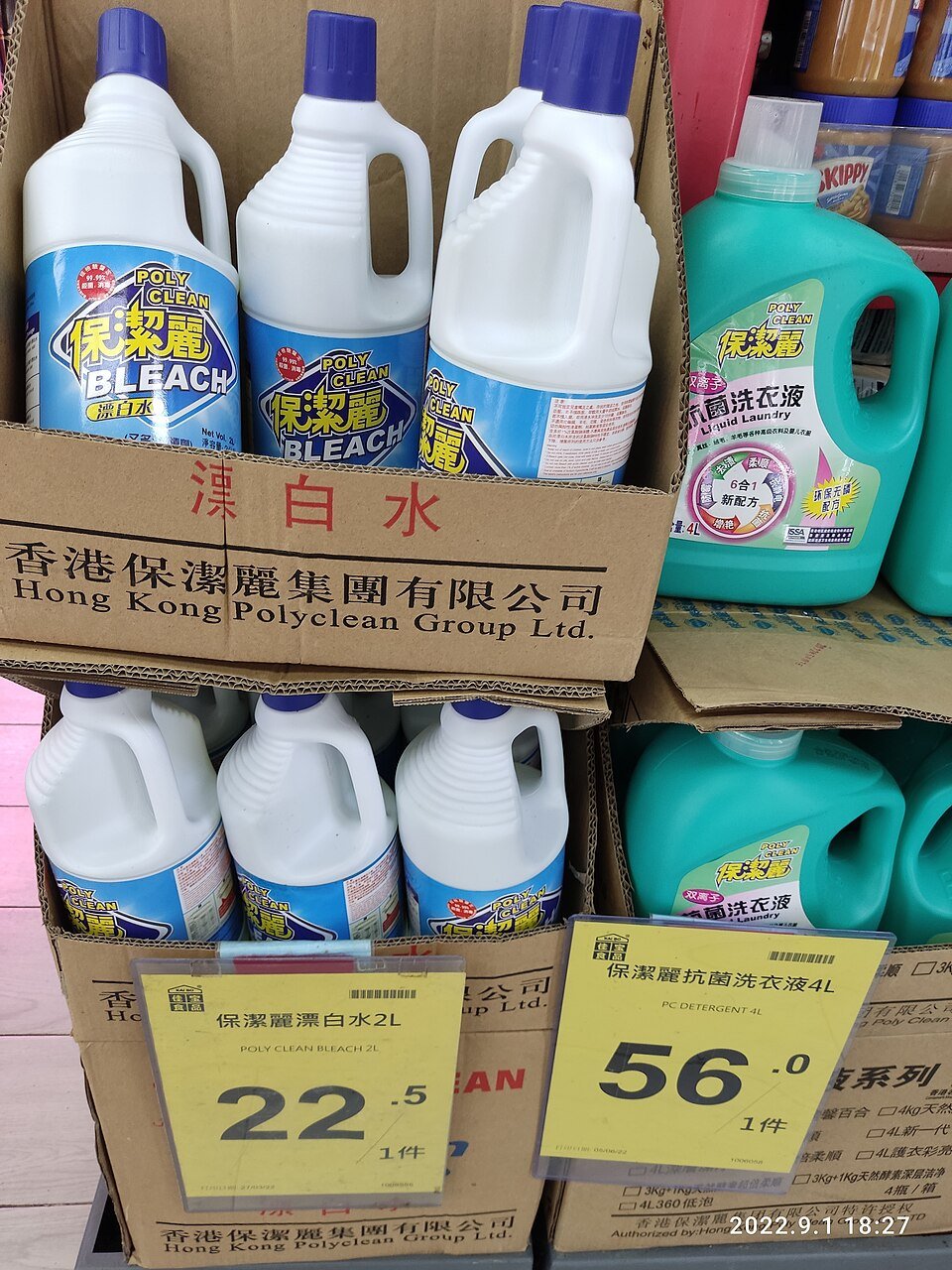
What bleach actually does to a bed bug
Credit where due: sodium hypochlorite is a ferocious oxidizer, and a bed bug soaked in household bleach dies — the solution denatures proteins, disrupts the insect’s cuticle, and finishes the job faster than most contact agents. Some laboratory work has even shown bleach vapor in sealed containers stressing bed bugs over extended exposure. That is the entire good news, and every word of it comes with the same asterisk that governed the alcohol page: “directly soaked” is a condition an infestation never volunteers for. Bed bugs spend their days wedged into harborages — mattress piping, box-spring interiors, headboard joints, baseboard gaps, outlet boxes, screw holes — where liquid cannot follow, and they emerge briefly at night onto surfaces where any bleach applied hours earlier has dried into salt residue with no killing power. Eggs raise the bar further: cemented into crevices with a protective shell, they shrug off wiping-level contact, and the fraction a drenching might reach is a fraction of a population that hides most of itself where drenching would mean soaking your walls in corrosive. The chemistry is real; the geometry defeats it — and geometry, as our whole bed bug guide explains, is the entire game with this insect.
Bleach kills what it lands on and ruins the mattress doing it. The eggs in the frame need bed bug treatment in Dayton.
The failure math, step by step
Walk the standard bleach campaign and count the losses. The household dilutes bleach into a spray bottle (already weakening it) and mists the mattress, frame, and baseboards: the visible bugs caught in the open die satisfyingly — perhaps a tenth of the population on a bad night for the bugs — while the spray beads uselessly on the fabric’s surface tension over the seams where eggs and nymphs actually sit. The mattress is now bleach-damp: fibers weakening, dyes lifting, a chemical smell setting into the place a human sleeps eight hours nightly. Within days the survivors resume feeding (bleach leaves no residual barrier whatsoever — dried hypochlorite is inert against insects); within two weeks the egg bank hatches its scheduled generations; and within a month the household concludes bed bugs are “immune to everything,” not realizing nothing they used addressed the insect’s biology at any point. Meanwhile the real clock ran: females laying one to five eggs daily converted the one-room week-one problem into the multi-room month-two problem, the scattering effect of repeated disturbance pushed harborages deeper and wider, and the eventual professional scope — the one that was always coming — grew with every “cheap” week. It is the same arc as alcohol, foggers, and the rest of the shelf, with bleach’s unique surcharge: the collateral damage started on day one.
The safety file: what bleach does to the bedroom (and the people in it)
- Respiratory exposure: spraying bleach in an enclosed sleeping room aerosolizes an irritant that inflames airways — worst for children, asthmatics, and the elderly, and bed bug households are already sleep-deprived and spending extra hours in exactly that room
- The mixing hazard: bleach plus ammonia-based cleaners (glass sprays prominently) generates chloramine gas, and bleach plus acids generates chlorine — panic-cleaning a bedroom with multiple products is precisely how these emergency-room combinations happen
- Material destruction: mattresses, upholstery, carpets, and clothing take permanent bleach spotting and fiber damage — households routinely destroy more property value with the remedy than the bugs ever threatened
- Skin and eye contact: wiping down a bed frame overhead with corrosive solution is a splash risk the label warns about for bathroom tile, let alone bedroom furniture
- The disposal trap: bleach-soaked mattresses dragged to the curb spread bugs through the house in transit — the same relocation error as every panic purge, now with chemical burns on the mattress as a bonus
- Never on these: electrical outlets and cords (harborages, yes — also conductive corrosion hazards), anything a child or pet sleeps on, and any surface you cannot fully rinse
What the EPA-and-entomology consensus actually recommends instead
No university extension program, EPA guidance document, or professional body lists bleach anywhere in bed bug treatment — and the tools they do list explain why our service protocol looks the way it does. Heat is the reachable household lethal: a hot dryer cycle sterilizes bedding and clothing completely, and professional steam kills every stage including eggs on contact along the very seams bleach beads over. Vacuuming physically removes what sprays merely annoy. Encasements convert the mattress from harborage to sealed monitoring surface — the correct fate for the bed bleach would have ruined. Interceptor cups under legs turn the bed into an island with a census. Professional chemistry — rotated non-repellent residuals bugs carry back into harborages, desiccant dusts that keep killing in voids for months — solves the geometry problem that defeats every soak-on-contact liquid. And scheduled follow-ups beat the egg clock by design rather than by hope. Every element addresses a specific limitation this page documented; nothing on the list is available in the laundry aisle; and the guarantee that wraps it exists precisely because the sequence, run properly, finishes the job — which no quantity of bleach has ever done for anyone.
Bleach and bed bug questions, answered
Can I at least bleach my sheets and bedding?
Launder them, absolutely — but it’s the hot dryer, not the bleach, doing the pest control: thirty-plus minutes of high heat kills every stage regardless of detergent chemistry. Bleach whitens; heat sterilizes. Wash whatever the fabric allows, dry hot, bag the output, and save the bleach for its actual jobs.
What about bleach in a fogger or humidifier to gas the room?
Genuinely dangerous — aerosolized or vaporized bleach at concentrations that would matter to hidden insects is a respiratory hazard to every human and pet in the airspace, corrosive to electronics and finishes, and still ineffective against harborage-protected eggs. This escalation path shows up in real poison-control statistics every year. Please don’t.
I already bleached everything. What now?
Ventilate the room thoroughly, rinse what can be rinsed, launder exposed bedding (hot dryer — see above), and don’t compound with more products. Then run the real sequence: photo-document any bugs or evidence you find, isolate the bed with interceptors, and book the inspection — (937) 569-3330, free, judgment-free, and experienced at picking up exactly this baton. Nothing about the bleach detour disqualifies the room from a normal, successful treatment; it just made the mattress conversation sadder.
Tonight’s list: free, safe, and it all still counts tomorrow
- Hot-dry the textiles: bedding, pajamas, recent laundry — 30+ minutes high heat, then sealed bags; the household’s one truly lethal appliance, already paid for
- Vacuum the visible: crevice tool on seams, tufts, frame joints, and the floor perimeter; empty or bag it outside immediately
- Island the bed: pulled from the wall, no dangling bedding, interceptor cups under the legs — a few dollars each, and they double as the census your inspector will read
- Photograph everything: live bugs, cast skins, the pepper-dot fecal spotting on piping — evidence that speeds identification and rules out the bat bug and carpet beetle plot twists
- Sleep in your own bed: counterintuitive and critical — migrating to the couch seeds new rooms; the interceptors and treatment need you exactly where you are
- Book the inspection: every DIY-only day is a compounding day; the call is free and the schedule prioritizes bed bugs by default
The pattern across the whole panic shelf
Set this page beside its alcohol sibling and the shape of every “does X kill bed bugs” question becomes visible in advance. The answer is almost always yes-on-contact — bed bugs are not hard to kill individually; alcohol, bleach, steam, soap, a firm thumb all suffice — and almost never yes-as-solution, because the infestation was never the individuals you can reach. It is the eggs cemented beyond liquids, the harborages beyond geometry, the resistance beyond consumer chemistry, and the reproductive clock beyond any single intervention. Every viral remedy fails on the same four walls, every failure feeds the “bed bugs are invincible” myth, and every month inside the cycle grows the eventual professional scope. The insects are entirely beatable — our guarantee depends on it — but they are beaten by protocols that answer all four walls at once, verified by monitors, finished by follow-ups. That is the honest shape of the answer, whatever chemical the search bar suggests next — and it’s why the fastest, cheapest, and safest response to tonight’s discovery has been the same throughout this series: the free call, the real plan, and a laundry aisle left to its laundry: (937) 569-3330.
Where the bleach myth came from — and why it refuses to die
The bleach remedy has genuine folk lineage, which is part of its staying power: bleach visibly annihilates small organisms, it’s the household’s strongest-smelling weapon (and the panic brain equates smell with power), it carries generations of “kills everything” kitchen-and-bathroom authority, and — the cruelest part — it produces real short-term wins, because the bugs caught in the open genuinely die and the visible activity dips for a few days while the hidden population regroups. Layer on the modern amplifiers — forum threads where the three-day dip gets reported as victory before the relapse, video content optimized for dramatic spraying rather than boring verification, and the shame economy that keeps households experimenting privately instead of calling — and the myth self-renews faster than any debunking spreads. The counter-programming is exactly what this series does: honor the kernel of truth (yes, on contact), map the failure walls precisely (eggs, geometry, residual, clock), price the detour honestly (weeks and rooms, not just dollars), and keep the professional door explicitly judgment-free — because the household that bleached the mattress wasn’t foolish, it was desperate and misled, and desperation deserves better information than the panic shelf provides. Consider this page that information, positioned where the search bar could find it — and consider the mattress’s successor safe under its encasement, where no bottle will ever need to reach it again.
For renters and landlords: the bleach detour’s legal wrinkle
One audience deserves a specific caution: tenants. Ohio rental practice, as our property management guide covers, generally puts building-level bed bug response on the owner — but that framework works through documentation, and the DIY-bleach detour muddies it two ways. First, weeks of private self-treatment delay the written notice that starts the landlord’s clock, and the infestation’s eventual size gets read against the late report. Second, bleach damage to a furnished unit’s mattress or carpet becomes a deduction conversation entirely separate from the bug question — the tenant ends up owing for the remedy’s damage while the landlord owes for the treatment, an outcome satisfying to no one. The clean sequence for renters: report in writing with photos on discovery day, run only the safe list (dryer, vacuum, interceptors — none of which damage anything), cooperate with prep, and let the professional documentation establish the who-pays facts. For landlords receiving a late report on a bleach-spotted unit: resist the blame reflex — the biology explains the timeline better than negligence does, the priority is stopping the spread through the adjacency protocol, and the deposit arithmetic can wait for the clearance report. Both sides exit fastest through the same door: fast professional response, papered from the first call — which is, not coincidentally, the door this entire page has been holding open: (937) 569-3330.
The one-screen verdict
- Does bleach kill bed bugs? Soaked directly, yes — like nearly everything does; the individuals were never the hard part
- Does it clear infestations? No — zero residual, zero egg penetration, zero reach into the harborages holding 90% of the population
- Unique costs: ruined mattresses and fabrics, respiratory irritation in sleeping rooms, dangerous gas if mixed with ammonia or acids — the panic shelf’s most damaging entry
- The heat truth: your dryer, not your bleach, is the laundry room’s real weapon — 30+ hot minutes sterilizes every stage
- Tonight’s real list: hot-dry textiles, crevice-vacuum, interceptor cups, photos, sleep in your own bed
- The actual fix: inspection → steam + rotated non-repellents + desiccant dusts + encasements → verified follow-ups, guaranteed — the full protocol
- Renters: written notice on day one beats weeks of private chemistry — for the bugs and for the deposit
- The number: (937) 569-3330 — free ID from photos, judgment never included
Save the screenshot, spare the mattress, and let the bleach go back to whitening grout — the one job in this story it was ever going to win.
One more comparison worth thirty seconds: bleach vs. the professional liquids
A fair question follows this whole page: if professionals also spray liquids, what makes ours different from a bottle of bleach with a license? Everything that matters, and the contrast is instructive. Professional bed bug liquids are non-repellent — undetectable to the insect, crossed freely, and carried on the bug’s body back into the harborage to expose the cluster that never left cover; bleach announces itself, damages on contact or not at all, and teaches survivors nothing but avoidance. Professional products are residual by design — engineered to remain lethal on treated surfaces for weeks, converting every nightly foraging trip into an exposure event; dried bleach is inert salt. They are labeled for the use — formulated, dosed, and legally reviewed for application in occupied bedrooms, with re-entry timing and fabric compatibility on record; bleach’s label conspicuously covers none of this because its manufacturer never intended it. And they arrive inside a protocol — placed by inspection, paired with steam and dusts that cover their gaps, verified by monitors, and financed by a guarantee that makes callbacks our cost rather than your gamble. The bottle was never the technology; the biology-shaped system around it is — which is the closing argument of this entire series, and the reason the system’s phone number ends every page: (937) 569-3330.
Frequently asked questions
Does bleach kill bed bugs?
On direct soaking contact, yes — and as a strategy, no: bleach cannot reach seam and void harborage, offers no residual once dry, damages everything it touches en route, and generates fumes that make whole-room application genuinely hazardous. It is a disinfectant being asked to do a pesticide’s job.
Can I bleach my mattress to kill bed bugs?
Please don’t — you would ruin the mattress, breathe chlorine off-gassing at pillow distance for weeks, and still miss the population inside the seams and box spring. The mattress toolkit is vacuum, steam, and certified encasement; bleach appears nowhere on it.
Does washing clothes in bleach kill bed bugs?
The DRYER kills them — high heat for 30+ minutes ends every life stage with or without bleach in the wash. Bleach adds fabric damage, not lethality margin; save it for whites you were bleaching anyway.
What about bleach in a spray bottle for the bed frame?
Diluted spray kills the bugs you directly soak and nothing else — no residual, no egg kill at practical exposure, plus corrosion and stain damage to finishes. Even as a contact spray it underperforms plain steam.
Does bleach kill bed bug eggs?
Not reliably — the cemented, capped eggs resist surface chemistry; sustained heat, slow steam, or physical removal are the proven egg-enders. Egg survival is the relapse engine behind every spray-bottle strategy, bleach included.
Is mixing bleach with other cleaners a stronger bed bug killer?
Dangerous, full stop — bleach plus ammonia or acids produces toxic gases that hospitalize people annually, and no mixture improves the pest performance. This is the one FAQ answer we write in bold: never mix bleach with anything.
Why do people say bleach worked for them?
Small early introductions occasionally die out under ANY aggressive cleaning campaign — the bleach gets credit that belongs to the vacuuming, laundering, and luck. Established infestations tell the truer story: relapse in two to four weeks, every time.
What is bleach actually good for in a bed bug situation?
Post-elimination cleanup of fecal staining on hard, bleach-safe surfaces — its real job, performed after the real treatment. During the infestation it is at best busywork and at worst a fume hazard.
If bleach, alcohol, and Lysol all fail, what works from the store?
The mechanical aisle: a quality steamer used slowly, certified encasements, interceptor cups, and the dryer — plus diatomaceous earth applied thin in dry voids as a supporting player. The spray shelf, whatever the brand, is where DIY campaigns go to relapse.
When should I stop experimenting and call?
At the second week of any DIY campaign without declining interceptor counts — or immediately for multifamily, spread evidence, or heavy reactions. The protocol with the egg-timed follow-up exists because the biology beats household chemistry: (937) 569-3330.