
West Milton still puts food up. The village’s garden culture runs deep — big backyard plots, orchard trees, the canning weekends that follow — and the harvest ends where it has for a century: in the basement. Jars on shelves, squash and potatoes in the cool corners, apples in the old root cellar, bags of storage onions by the stairs — a food inventory most modern households never keep, stored in exactly the stone-foundation spaces mice enter most easily. Rodent control in this village carries that stake specifically: under the one-block rule, every house takes the fall field wave, but the houses with provisioned cellars are the ones where the wave finds a prize. We call it the pantry cellar, and defending it is the village’s oldest pest-control tradition — ours just comes with hardware.
The Stakes on the Shelves
A provisioned cellar concentrates the winter’s food value at rodent height: the squash and potato stores take direct gnawing losses; the onion and apple stocks spoil outward from every sampled item; and the canning itself — safe in glass — still loses when shelf-edge droppings force the wipe-down-everything decision no one enjoys making. The contamination math is the sharper edge: home-preserved food handled around rodent evidence raises the questions commercial recalls exist to answer, and the household that grew, put up, and stored a winter’s food deserves better than wondering. The old solutions knew the problem — root cellars were built tight, crocks got lids, and grandmother’s cellar cat had a job — and the modern version keeps their logic: exclusion at the stone (the mortar-and-mesh craft the village’s foundations need anyway), storage discipline at the shelves, and monitoring that answers the only question that matters by October: is anything in here with the food?
The Put-Up Protocol
The autumn sequence, in harvest order. Before the food comes down: the cellar’s annual once-over — sill lines and mortar joints checked, the bulkhead and window wells sealed, monitor traps set in the quiet corners two weeks ahead of storage so the baseline reads clean. As it comes down: produce in gnaw-proof containers where the stakes warrant — steel cans and lidded totes for grain-adjacent stores, elevated slatted shelving for the squash and potatoes (air circulation and sight lines in one move), nothing in cardboard, ever, because a produce box is bedding and buffet in one. Through the winter: the monthly monitor read — thirty seconds per visit — and the September-set exterior stations meeting the field wave before it reaches the stone. It’s the same interception-then-exclusion order every file runs, tuned to a building whose basement is worth more than its furniture.

The West Milton Ledger, Complete
This page closes the village’s five-file set, and the one-block rule ran through every entry: the ants riding the whole-village edge, the night-shift hornets at the porch lights, the potluck circuit guarded at the door, the handed-down houses verified per generation, and the pantry cellars defended on the harvest calendar. Five files, one village, one honest theme: a town that keeps its traditions keeps them best with the interfaces held — and the whole set lives on our West Milton service page.
- The put-up protocol: pre-storage cellar check, monitor baseline, and the September exterior stations — scheduled to the harvest, not the calendar quarter
- Stone-foundation exclusion: the mortar-and-mesh craft at the sills, bulkheads, and wells — quoted from a real perimeter crawl
- Storage counsel: the container-and-shelving list that protects the inventory, taught free with any cellar visit
- The village standard: garage gaskets, fall-wave timing, and the honest wildlife referral at the boundary, flat-priced
Defend the Winter’s Work
One autumn visit runs the whole protocol — cellar checked, baseline set, stations placed, storage list handed over — and the food that took a season to put up stays exactly as you shelved it. Grandmother had the cat; you’ve got us.
Frequently asked questions
Why is a basement with stored food a bigger rodent risk?
It concentrates winter’s food value at rodent height in the stone-foundation spaces mice enter easiest: squash and potatoes take direct losses, sampled apples and onions spoil outward, and shelf-edge droppings force the wipe-everything decision on food that took a season to put up.
Are my canned jars safe if mice get in?
The glass protects the food, but jars handled around rodent evidence deserve a full wash before opening, and any lid with gnaw or droppings contact warrants the cautious call. The better answer is upstream: the cellar checked and monitored before the wave arrives.
What’s the right way to store produce against mice?
Elevated slatted shelving for squash and potatoes (circulation plus sight lines), steel cans or lidded totes for anything grain-adjacent, and never cardboard — a produce box is bedding and buffet in one. The container list comes free with any cellar visit.
When should the cellar work happen?
Harvest order: the once-over and monitor baseline two weeks before the food comes down, exterior stations by mid-September to meet the field wave at the stone, and the thirty-second monitor read monthly through winter. Schedule to the harvest, not the calendar quarter.
How are mice getting into a stone-foundation basement?
The century’s accumulated gaps: stepped-back mortar joints, bulkhead doors that never latched true, window wells, and sill spaces. The fix is mortar-and-mesh craft quoted from an actual perimeter crawl — masonry work wearing a pest-control name.
Is poison bait safe near stored food?
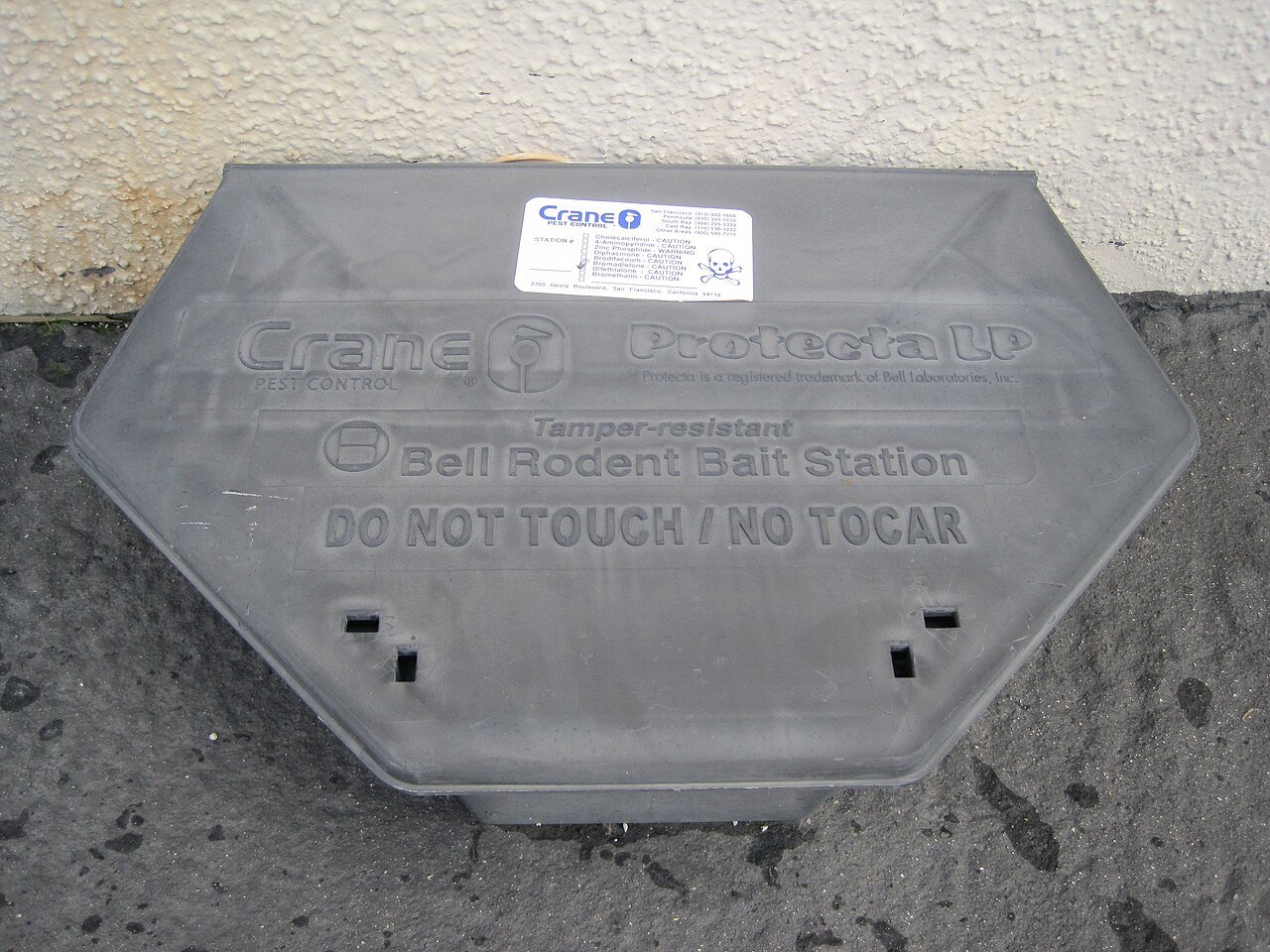
We don’t put it there: cellars get snap-trap boxes and monitors, with locked bait stations outside on the approach routes. Nothing toxic sits in a room where food lives — that’s placement discipline, not caution theater.
Does the root cellar or bulkhead need special attention?
They’re the classic entries: earth-adjacent, cool, and built loose by modern standards. Sealing them tight — and screening their vents — usually closes the cellar’s biggest doors in one visit.
What does rodent control cost in West Milton?
The autumn protocol prices as one visit plus the winter’s station reads; exclusion craft quotes from the crawl; and the storage counsel is free — all of it small against a winter’s food and smaller than wondering.