
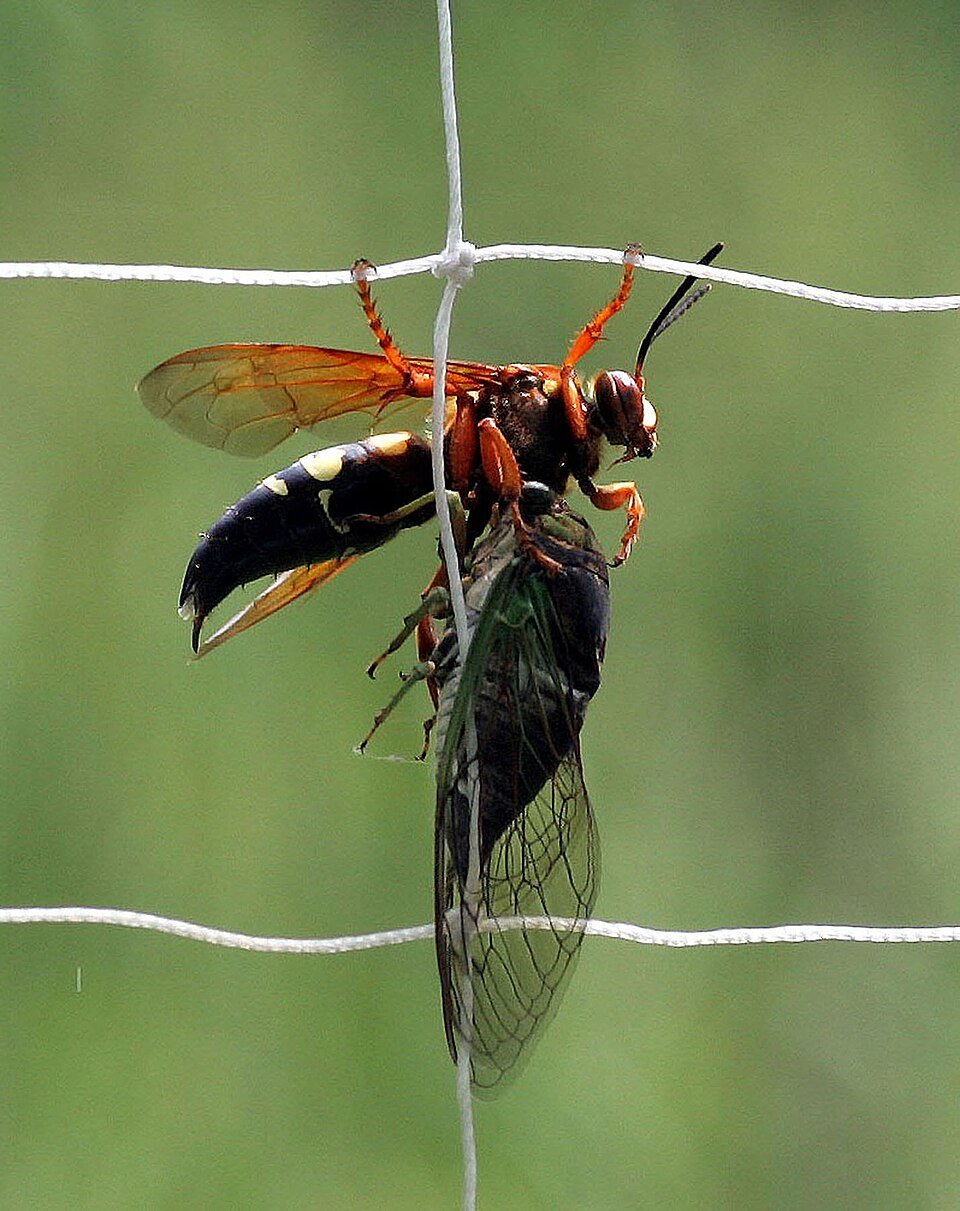
The scariest insect call we get from West Milton arrives after dark: something enormous is banging against the porch light or the kitchen window screen — an inch and a half of amber-and-brown hornet, loud as a model airplane, and the caller has already searched their phone and found the words “murder hornet.” Let’s settle that first: it’s a European hornet, it’s been in Ohio for a century and a half, and it is not the Asian giant hornet of the headlines — which has never been found in Ohio. Wasp and hornet removal in West Milton carries a night shift most towns barely know, because European hornets love exactly what this village and its Stillwater valley offer: big old hollow-limbed trees, older houses with generous wall voids, and dark rural nights where a lit window is the brightest thing for a mile. We call it the night shift, and knowing how it works turns the scariest call of the year into one of the most manageable.
The Night Shift’s Habits
European hornets are the only wasp in Ohio that flies at night, and they hunt and forage toward light — which is why they hammer porch fixtures and lit screens in late summer while every other stinging insect is asleep. The colony behind the visits sits elsewhere: a hollow trunk section in a big maple, a barn wall void, sometimes the boxed eave of an older village house, usually within a few hundred yards. Around the colony they defend seriously; at your porch light they’re foragers, singly annoying rather than dangerous, and swatting panic is the only way most people get stung by one. The other late-season signature is botanical: European hornets girdle lilac and birch twigs to drink sap, and a shrub with neat bark-stripped rings in September is their calling card. The response protocol matches the biology: dim or warm-shift the lights that recruit them, keep screens closed on lit rooms, and if traffic is heavy enough to suggest a nearby colony, we trace the flight line at dusk and treat the source — a void treatment with the entrance sealed only after the colony is confirmed dead, same rule as every void job.
The Day Shift Still Runs
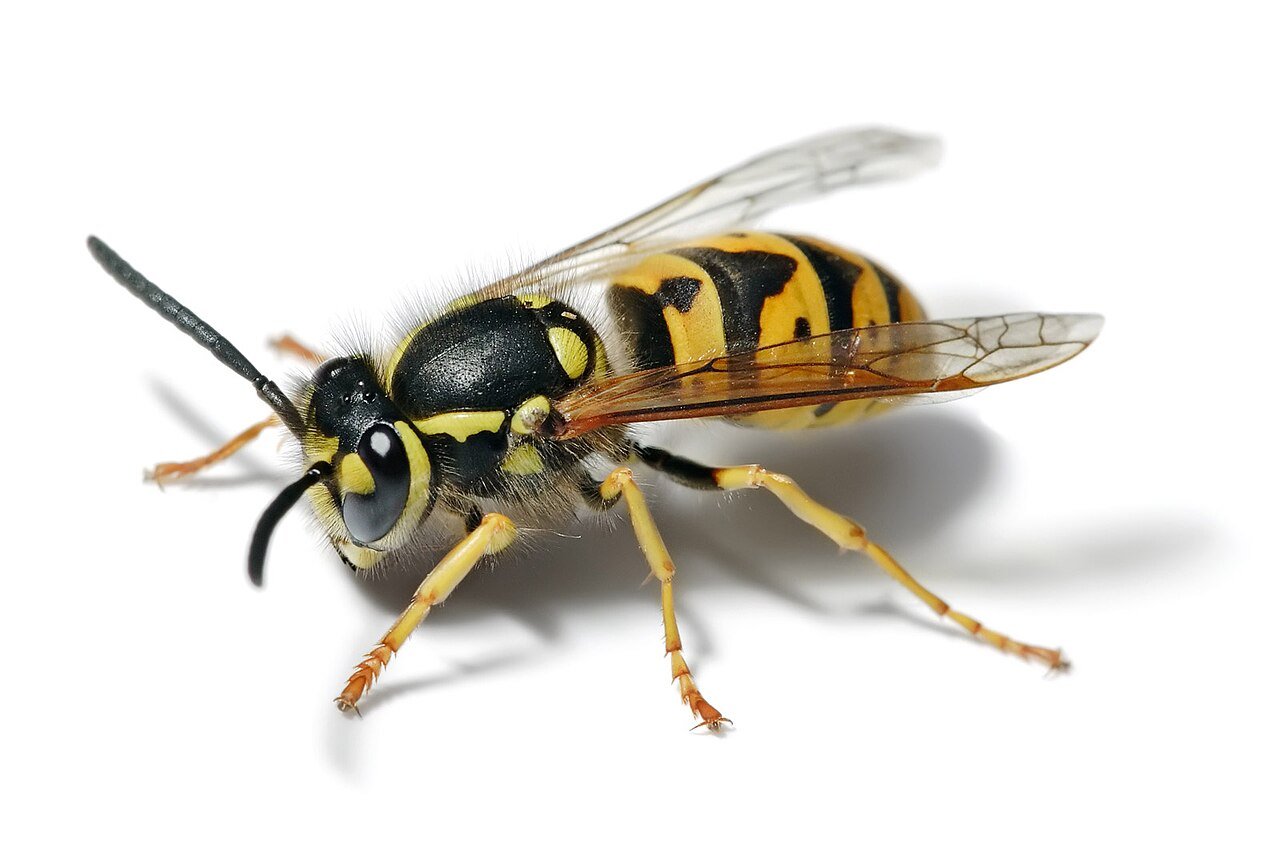
The village’s daylight file is the standard rural-edge roster, run on the one-block rule that governs everything here: paper wasps on the porch ceilings and outbuilding rafters of a town where every lot touches the working landscape; yellowjackets taking over field-margin rodent burrows by September, with the mower-meets-ground-nest emergency that entails; and the occasional bald-faced football in the valley’s big hardwoods. The calendar answer is the same one that works everywhere — April’s founding sweeps beat August’s removals by an order of magnitude — and on village lots with barns and sheds, the pre-use scan before firing up stored equipment is the habit that prevents the season’s worst surprises.
The West Milton Program
- Night-shift response: honest ID first (it’s not a murder hornet — ever, in Ohio), lighting counsel that ends most visits, and dusk flight-line tracing to treat genuine nearby colonies at the source
- Founding sweeps: April–May passes over porch lines, outbuildings, and rafters — the village’s cheapest wasp appointment
- Ground-nest season: field-margin yellowjacket burrows flagged, mowed around, and treated with full protocol in late summer
- Void colonies: wall and eave nests in the older housing stock — dust treatment, confirmed kill, then the seal, with the elevation’s other gaps closed while the ladder’s up
One more piece of night-shift honesty: European hornets are impressive predators that clear moths, flies, and caterpillars all season, and a colony in a hollow tree far from human traffic can genuinely be left alone — we’ll say so when the flight line ends somewhere that doesn’t matter. The removals worth paying for are the conflicts: the void colony in the house wall, the hollow limb over the driveway, the traffic pattern that keeps a family off their own porch in September. That triage — treat the conflict, leave the neighbor — is the standard across our whole stinging-insect file, and the village’s full pest picture lives on our West Milton service page.
Name the Shift, Get the Verdict
Giant hornet at the porch light, hum in the wall, or low traffic over the lawn — one photo or one dusk visit sorts it: which species, which shift, which response. And the “murder hornet” answer is free, tonight, before anyone loses sleep.
Frequently asked questions
A huge hornet keeps hitting my porch light at night — is it a murder hornet?
No — the Asian giant hornet has never been found in Ohio. Your night visitor is a European hornet: an inch and a half of amber-and-brown, resident here for 150 years, and the only Ohio wasp that flies after dark, toward light. Impressive, loud, and far more manageable than the search results suggest.
Are European hornets dangerous?
At their nest, they defend seriously; at your porch light they’re lone foragers, and swat-panic is how most stings happen. Dim or warm-shift the recruiting lights, keep lit screens closed, and the visits mostly end — heavy sustained traffic is the one sign worth a dusk flight-line trace.
Something stripped neat rings of bark off my lilac — what did that?
European hornets girdling twigs to drink sap — their September calling card on lilac and birch. It rarely kills the shrub and it means a colony forages nearby; worth mentioning when you call, because it helps us aim the dusk trace.
Where is the actual hornet nest?
Usually a hollow trunk section, a barn wall void, or a boxed eave within a few hundred yards — they nest in cavities, not open paper footballs. We trace the flight line at dusk when traffic justifies it, and treat at the source with the void protocol.
Can the colony just be left alone?
If the flight line ends in a hollow tree away from human traffic — genuinely yes, and we’ll say so free of charge: they’re serious predators of moths and flies. The removals worth paying for are conflicts: wall voids, the limb over the driveway, traffic that owns your porch.
What’s the daytime wasp situation in West Milton?
The rural-edge standard on the one-block rule: porch and rafter paper wasps (swept cheapest in April), field-margin yellowjacket ground nests by September (flag, mow around, call), and the occasional bald-faced football in the valley hardwoods.
Why can’t I seal the hole where wasps enter my wall?
Sealed colonies dig inward — through old plaster if needed. Day shift or night shift, the void rule never changes: dust treatment at the entrance, colony confirmed dead, then the seal, with the elevation’s other gaps closed while the ladder’s up.
What does hornet and wasp removal cost in West Milton?
Village pricing, flat by job class: founding sweeps cheapest, single-nest removals flat-rate, void and at-height work quoted by access — and the night-shift ID with lighting counsel is free, tonight, by photo.
The rest of the West Milton set: cockroach control in West Milton and rodent control in West Milton.