
Englewood’s termites drink from the same water table that makes the town green. The Stillwater valley’s floodplain, the MetroPark’s wooded acreage, and the high groundwater that comes with dam-adjacent living keep the soil moisture that eastern subterranean colonies require in year-round supply — and the park’s deadfall and stump inventory sustains the natural colony network at preserve density, exactly as it sustains everything else with six legs. The housing side is postwar-and-newer: basement and slab stock from the ’50s onward whose builder-era protections (where they existed at all) expired decades ago. Wet ground, dense natural pressure, aging structures — the Englewood file is the region’s standard termite math with the moisture dial turned up. Here’s how protection works beside a preserve.
The Preserve-Edge Pressure System
- The park’s colony network: a thousand-plus acres of woods maintains natural termite colonies at full density — deadfall, stumps, and moist soil sustaining the population that scouts the adjacent grid annually. The reservoir logic from our Englewood rodent page applies verbatim: permanent source, so the protection lives at the property line.
- The water table: dam-adjacent, floodplain-fed ground holds the moisture subterranean colonies need — low-lying streets and wet-spring years run the steadiest foraging pressure in northern Montgomery County.
- The postwar stock: block-basement and slab housing from the ’50s–’80s, uniformly past any builder-era soil treatment — basements offering the classic visible evidence (tubes on interior walls, sill-line damage), slabs hiding the standard joint-and-penetration routes with indoor-first evidence.
- The landscape ledger: mature shade, wood fences, garden timbers, and firewood economies — the standard contributions, weighted heavier on the park-facing streets where the natural network already runs.
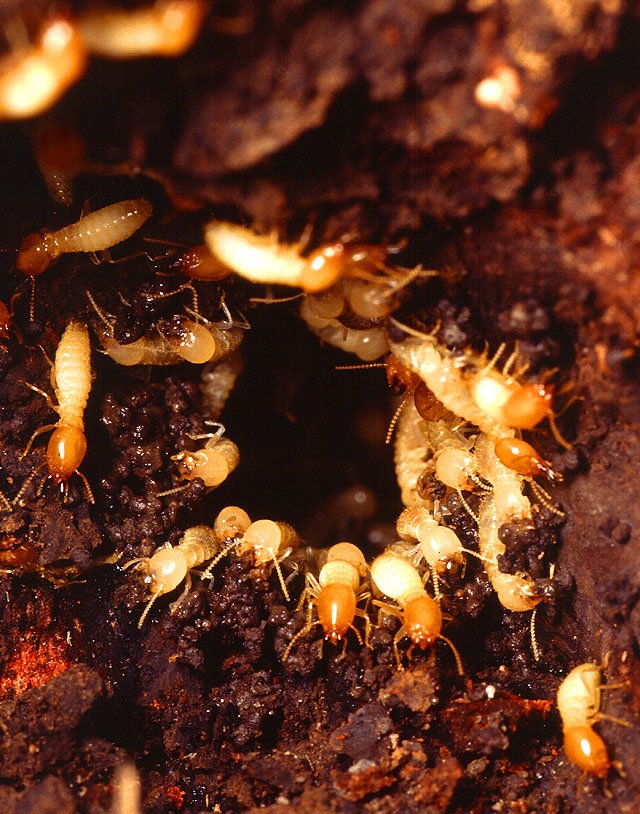
Reading an Englewood House
The inspection rhythm follows the foundation type. Basement homes get the classic protocol: the spring flashlight walk of interior walls and sill lines hunting pencil-width tubes, pier bases and plumbing drops checked, and the wood around any past-leak site probed — block foundations show evidence the way stone does, and an annual walk genuinely protects. Slab homes run the indoor-evidence file: swarmers and shed wings on March-through-May windowsills (the flying-ant check first, always), bubbled baseboard paint, pinholes with soil crumbs, hollow trim, and the garage’s slab joints as the best inspection room. Everyone runs the moisture ledger with extra Englewood weight: gutters and grade matter more where the water table starts high, the four-inch visible-foundation rule at the mulch line is non-negotiable, sump systems that run often are flagging exactly the soil moisture termites read, and firewood stacked against a park-facing wall is an invitation typed in bold. The complete evidence catalog stays at signs of termites.
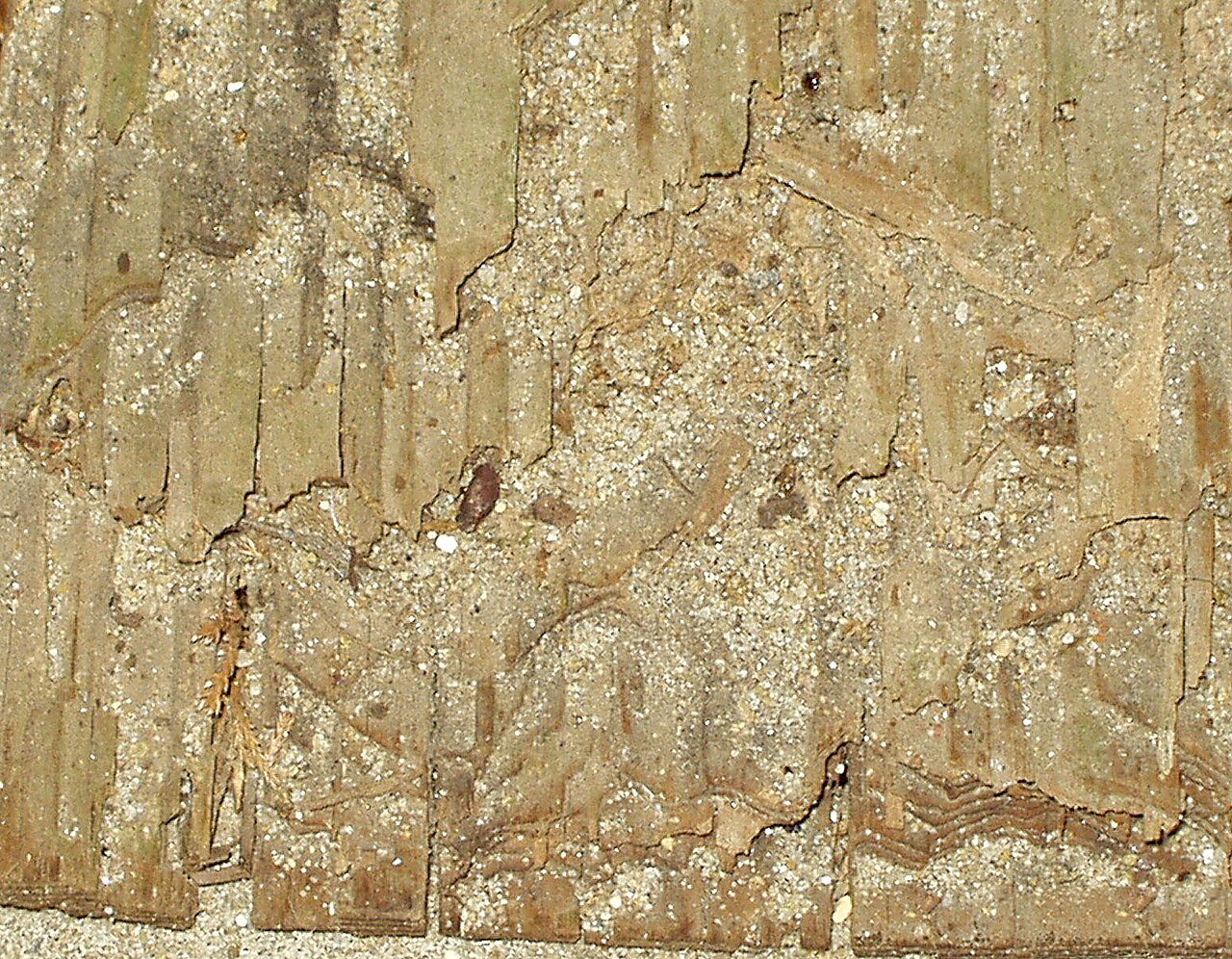
Protection Beside a Preserve
The program leans monitoring-first, because the pressure is permanent. Bait station rings are the Englewood standard — the in-ground perimeter intercepts the park network’s foraging before any climb or joint entry, collapses whichever colony finds a station, and then stands guard indefinitely against the next one; beside a preserve, that standing-guard function isn’t a bonus, it’s the point (the full case). Liquid soil treatment answers confirmed active infestations with the usual non-repellent transfer chemistry, applied to foundation lines and slab penetrations as construction dictates — with the Englewood note that high-water-table properties get placement judgment a dry-soil town never needs. Active damage gets honest scoping via repair guidance; the annual inspection anchors everything; and the standing reassurances hold — termites eat slowly, same-hour contract pressure is sales theater, and no Englewood home will ever need a tent. Flat published pricing on the cost page, transferable documentation at sale.
The Englewood Calendar and Bottom Line
Swarm season, March through May, delivers the discovery calls — heaviest after warm rains, and a beat earlier on the low streets in wet years. Summer feeds silently; fall is bait-installation prime (pre-winter foraging finds stations fast); winter pauses nothing under heated floors while the sump keeps score of the soil moisture. The preserve-edge bottom line mirrors every permanent-pressure file in this town’s ledger: the park isn’t going anywhere, thankfully — so the answer is infrastructure, not campaigns. A monitored ring, an annual inspection, and the moisture discipline the water table demands convert preserve-density termite pressure into a routine line item, and the households that run it that way never accumulate the story. One flat price, the method at termite control — and the town’s whole file, spiders and rodents included, at Englewood pest control.
Wings on a Windowsill by the Park?
Preserve-density pressure meets the standing ring — free identification, honest triage, and monitoring built for permanent neighbors. Flat-priced across Englewood.
Buying or selling in Englewood? What a lender, a VA file, or a listing agent asks for is not a treatment — it is a written report. That is a termite and WDI inspection in Englewood: $99 flat on the lender-ready NPMA-33, next business day, PDF the day we inspect. Treatment only enters the conversation if the report actually finds something.
Frequently asked questions
Is termite pressure really higher near Englewood MetroPark?
Steadier — the park’s deadfall and moist soil sustain natural colonies at preserve density, and the floodplain water table keeps the soil moisture subterranean termites require in year-round supply. The park-facing and low-lying streets run the county’s most consistent foraging pressure.
Do the park’s termites actually attack houses?
The network scouts the adjacent grid annually — that’s what foraging is — and aging postwar structures past their builder-era treatments are the findable food. The bait ring intercepts the scouts before the structure ever enters the conversation.
My sump pump runs constantly — does that matter for termites?
It’s flagging exactly the soil moisture termites read — high-water-table properties carry steadier pressure and deserve the moisture ledger taken seriously: gutters, grade, visible foundation at the mulch line, and monitoring infrastructure in the soil.
What should I check in my Englewood basement each spring?
The flashlight walk: interior block walls and sill lines for pencil-width mud tubes, pier bases, plumbing drops, and the wood around past leaks — plus windowsills for swarmers and shed wings March through May. Fifteen minutes, annually, genuinely protective.
Why do you recommend bait rings so strongly beside the park?
Because the pressure is permanent — the ring’s standing-guard function isn’t a bonus here, it’s the point: intercept, collapse, and keep watching, indefinitely, against a reservoir that never empties. Same logic as every preserve-edge program we run.
Is firewood really a termite risk on park-facing streets?
Stacked against a wall, emphatically — it’s moist wood at soil contact touching your structure, beside a preserve-density colony network. Off the ground, away from the house, carried in as it burns.
When do termites swarm in Englewood?
March through May on warm humid afternoons after rain — a beat earlier on the low streets in wet years. Indoor swarmers or wing piles mean a mature colony in or under the structure and a this-week inspection; outdoor swarms mean the park’s normal spring.
What does termite protection cost in Englewood?
Flat, published pricing — bait ring installation with annual service, or liquid treatment scoped to confirmed activity — with the free inspection first, transferable documentation, and never a tent. High-water-table placement judgment included.