Springboro’s wasps discovered vinyl siding before most of its homeowners did. The city’s construction era — vinyl-and-stone-veneer subdivisions raised from the 1990s onward — created a specific stinging-insect landscape: J-channel gaps and soffit returns that function as prefabricated wasp doorways, shutter backs and gutter returns offering thousands of identical sheltered nest sites per street, and young landscaping that pushes the ground-nesting species into the one mature habitat every subdivision does have — its lawns. The result is a wasp season that runs less on old trees and weathered porches (Troy’s story) and more on siding systems and turf: paper wasps behind the shutters, yellowjackets in the wall voids and the yard, and the annual August discovery that the “few wasps by the gutter” have been a colony inside the soffit since June. Here’s the Springboro playbook.
The Vinyl-Era Nest Map
- J-channel and soffit gaps: the trim system’s designed openings are wasp-scaled, and a queen entering one in May founds a colony you won’t see until traffic gets heavy in late July. Wall-void and soffit colonies are Springboro’s signature call — and the one category where DIY reliably goes wrong.
- Shutter backs and gutter returns: the umbrella-comb paper wasps colonize these identical sheltered pockets street-wide — the reason one cul-de-sac can produce five simultaneous shutter nests in a good year.
- Deck rails and playsets: hollow rail ends, pergola joints, and the underside of every play structure — the family-contact nests that get priority scheduling.
- The lawns: ground-nesting yellowjackets exploit the one mature habitat new subdivisions have — established turf — with colonies peaking exactly when fall soccer and leaf cleanup put feet and mowers over them.
- What Springboro mostly lacks: the big old-tree colonies — aerial footballs and hollow-trunk hornets run lighter here than in the mature-canopy towns, though the historic Main Street district contributes its share.
The Soffit Colony: Springboro’s Signature Problem
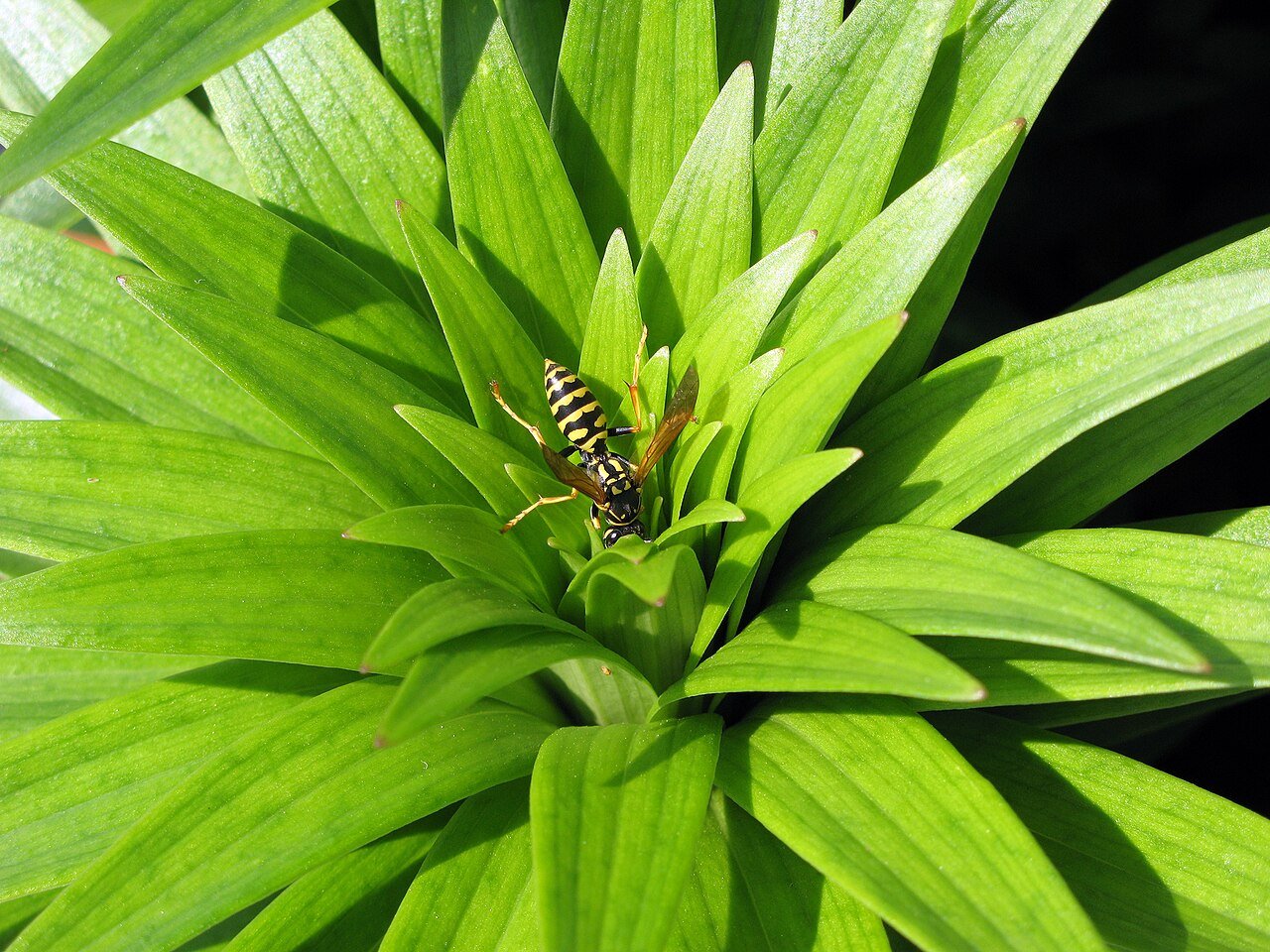
The sequence is so consistent we can narrate it in advance. May: a yellowjacket queen enters a J-channel gap or soffit return. June and July: the colony builds invisibly in the void, its traffic light enough to miss. Late July: someone notices “a few wasps going in and out by the gutter corner.” Mid-August: the traffic is a steady stream, the colony is in the thousands, and — if a can of hardware-store spray has been emptied at the entrance — the workers are now rerouting through the wall cavity, occasionally emerging through bathroom fans and recessed lights into the house. That last chapter is why the void colony is professional work, full stop: the treatment has to reach the comb inside the cavity, which means the right materials, injected at the entrance and along the void, at dusk, in gear, followed by sealing once the colony is dead — never before (sealing a live colony aims it indoors). Our nest removal service exists for exactly this call, and the identification guide plus a photo from the driveway gets you a free verdict on whether your gutter-corner traffic is a soffit colony or just foragers commuting.
Prevention the Construction Actually Allows
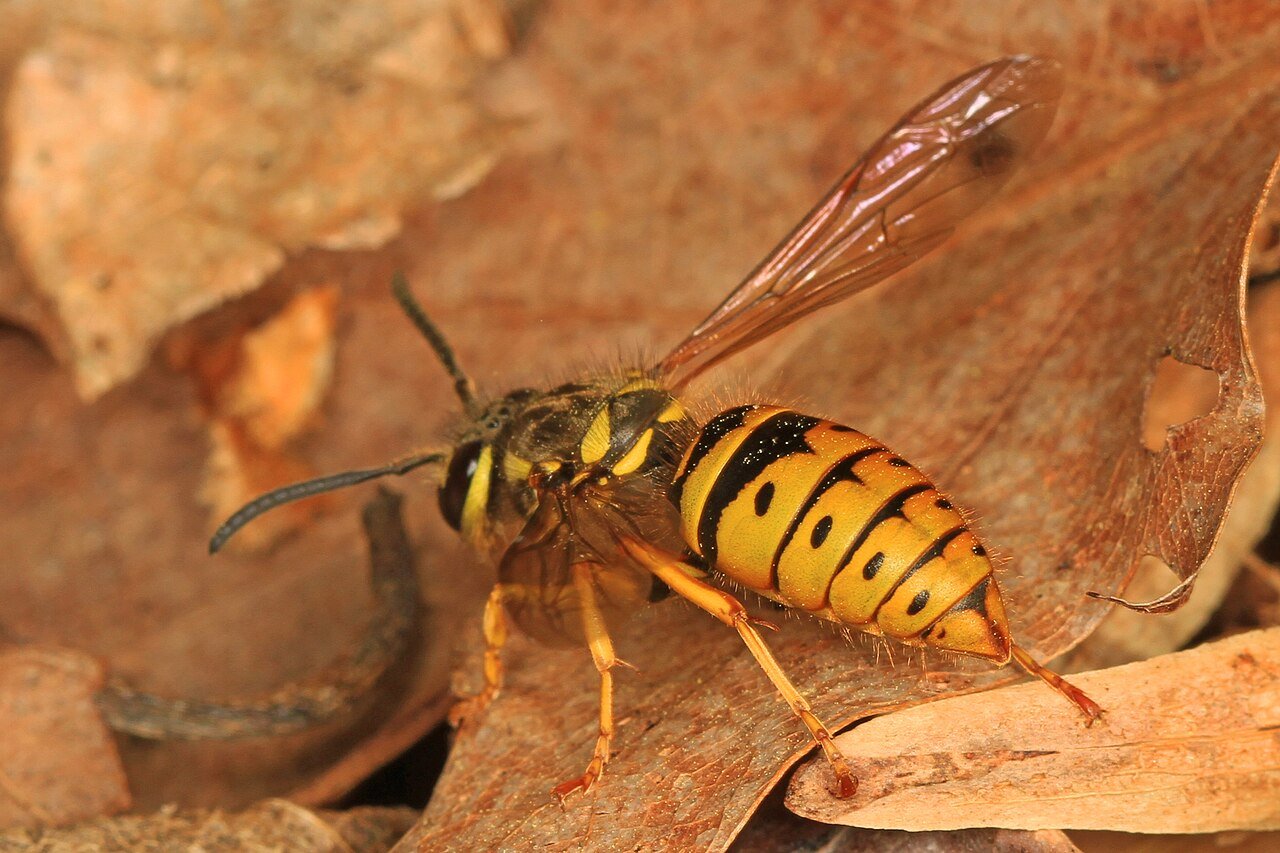
The vinyl era’s weakness is also its strength: the nest sites are standardized, so the prevention is too. The spring patrol — a May and June walk-around checking shutter backs, gutter returns, rail ends, grill, and playset — catches starter nests at the one-queen stage when a broom ends them. The September sealing window is Springboro’s highest-leverage hour: foam-backer and sealant at the J-channel gaps and soffit returns that hosted this year’s traffic, done after frost kills the colonies, cancels next year’s vacancies (queens shop the same real estate annually). Turf awareness covers the ground game — a July walk of the lawn flags yellowjacket entrance holes while colonies are small, and pre-mow glances from August on prevent the classic multi-sting incident. And the cookout rules — covered drinks, prompt cleanup, trash lids — matter most in September, when colonies hit peak size and switch to sugar just as Springboro’s outdoor-event calendar peaks. The DIY-appropriate cases live at getting rid of wasps and wasp prevention; the sting-response protocol at wasp vs. hornet covers the family taxonomy.
Same-Week Response, Flat Price, Honest Triage
Springboro wasp calls get same-week scheduling — same-day for doorway nests and allergy households — with the price quoted before the ladder comes off the truck. The triage stays honest in both directions: remote nests earning a season pass get named as such, harmless giants (the July cicada killers hovering over new sod) get a character reference instead of an invoice, and honey bee swarms get a beekeeper’s number, not a treatment. Everything else we do in town — including the year-three ant story this construction era also writes — is on the Springboro pest control page.
Traffic at the Gutter Corner?
Photo from the driveway for a free verdict — then void-reaching treatment at dusk, post-colony sealing, and a guarantee. Serving Springboro and Clearcreek Township.
Frequently asked questions
Why are wasps going in and out of my Springboro soffit?
A colony is building in the void — typically founded by a queen through a J-channel gap in May and invisible until traffic thickens in late July. It’s Springboro’s signature wasp call, and it needs void-reaching treatment, not a spray can at the entrance.
What happens if I spray the hole where wasps enter my siding?
The entrance dies, the colony doesn’t — workers reroute through the wall cavity and sometimes emerge indoors through fans and recessed lights. Void colonies get treated inside the cavity at dusk, then sealed only after the colony is confirmed dead.
Why do wasps keep nesting behind my shutters?
Shutter backs are the vinyl era’s perfect nest pocket — sheltered, warm, and identical up and down the street. A May–June walk-around catches starter nests at the one-queen stage; sealing the standoff gaps after season ends the tradition.
When should I seal the gaps wasps used this year?
After frost — late October onward — once the colony is dead; sealing live colonies aims them indoors. Fall sealing of this year’s J-channel and soffit entries cancels next spring’s vacancies, since queens shop the same real estate annually.
Are the big wasps hovering over our new sod dangerous?
Almost certainly cicada killers — two-inch solo diggers whose hoverers are stingless males. They’re harmless, we say so for free, and managing the bare sunny soil they like is the only “treatment” that means anything.
How do I avoid mowing over a yellowjacket nest?
A July lawn walk flags entrance holes while colonies are small, and a pre-mow glance from August on — watching for steady in-and-out traffic at one spot — prevents the classic incident. Found holes get professional dusk treatment, never a plugged entrance.
Do wasp colonies come back to the same spot next year?
Colonies die completely at frost and nests are never reused — but the gap that hosted one is a listing next year’s queens revisit. That’s why the fall sealing, not the summer knockdown, is what actually changes the pattern.
How fast can you get to a wasp nest in Springboro?
Same-week standard, same-day for doorway nests and sting-allergy households — flat price quoted before work starts, dusk treatment with proper gear, and re-treatment guaranteed if a treated colony rebounds.