
Do fleas bite humans? Yes — enthusiastically, repeatedly, and almost always around your ankles. But the full answer is more interesting and more useful than the yes, because the follow-up questions are where the real decisions live: Can fleas live on me? Why am I the only one in the house getting bitten? Are these bites actually fleas, or bed bugs, or mosquitoes? Can I get sick from them? And if fleas are biting people, what does that say about how bad the infestation is? That last one matters most, and here’s the preview: fleas biting humans is usually a symptom of scale. You are nobody’s first choice — you’re the overflow seating. This page answers the whole question properly: why fleas bite people but can’t live on us, how to identify a flea bite against its look-alikes, the honest disease file for Ohio, why bites keep happening after the pet is treated, and the point where ankle bites mean the house — not the dog — is the patient.
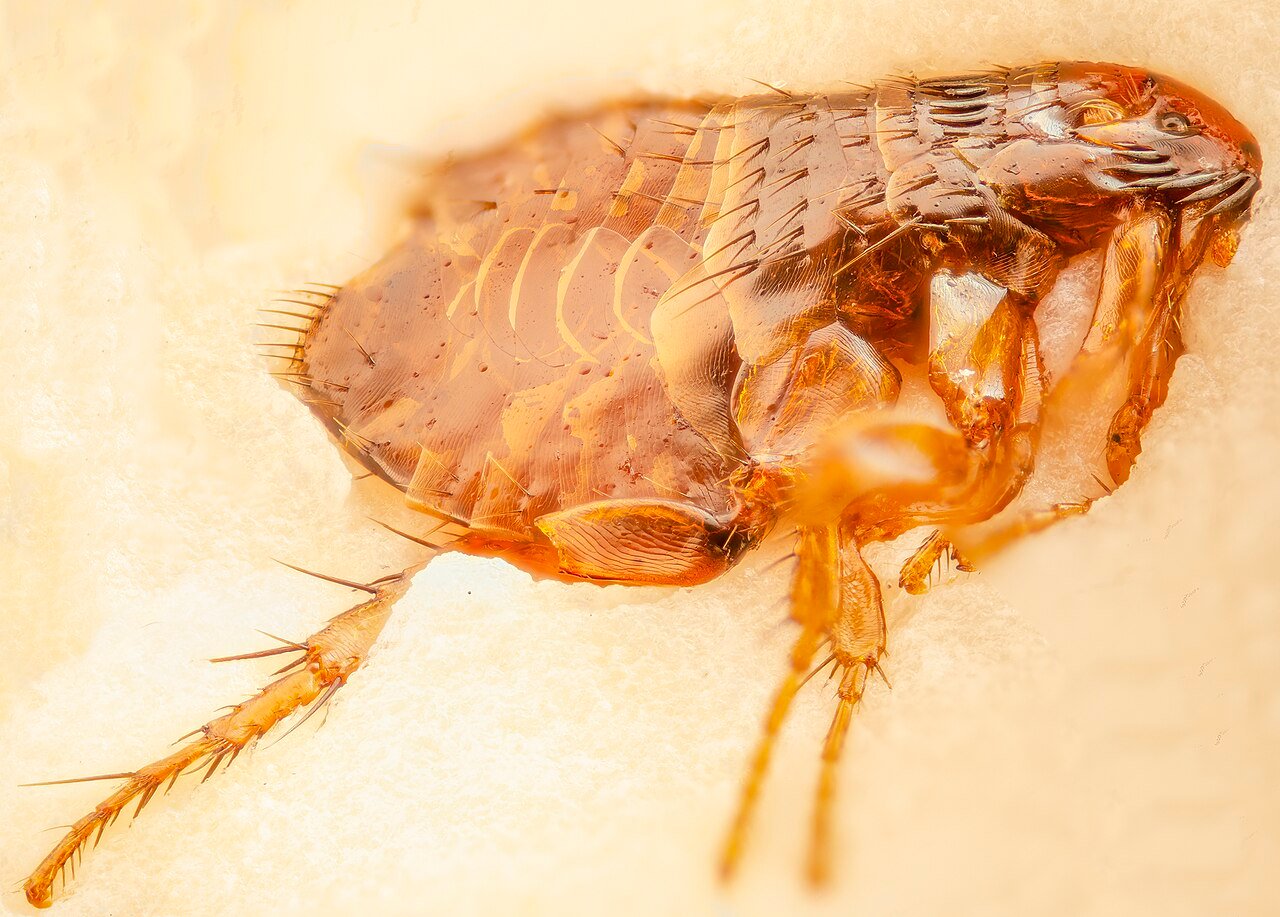
Yes, they bite us — but they can’t live on us
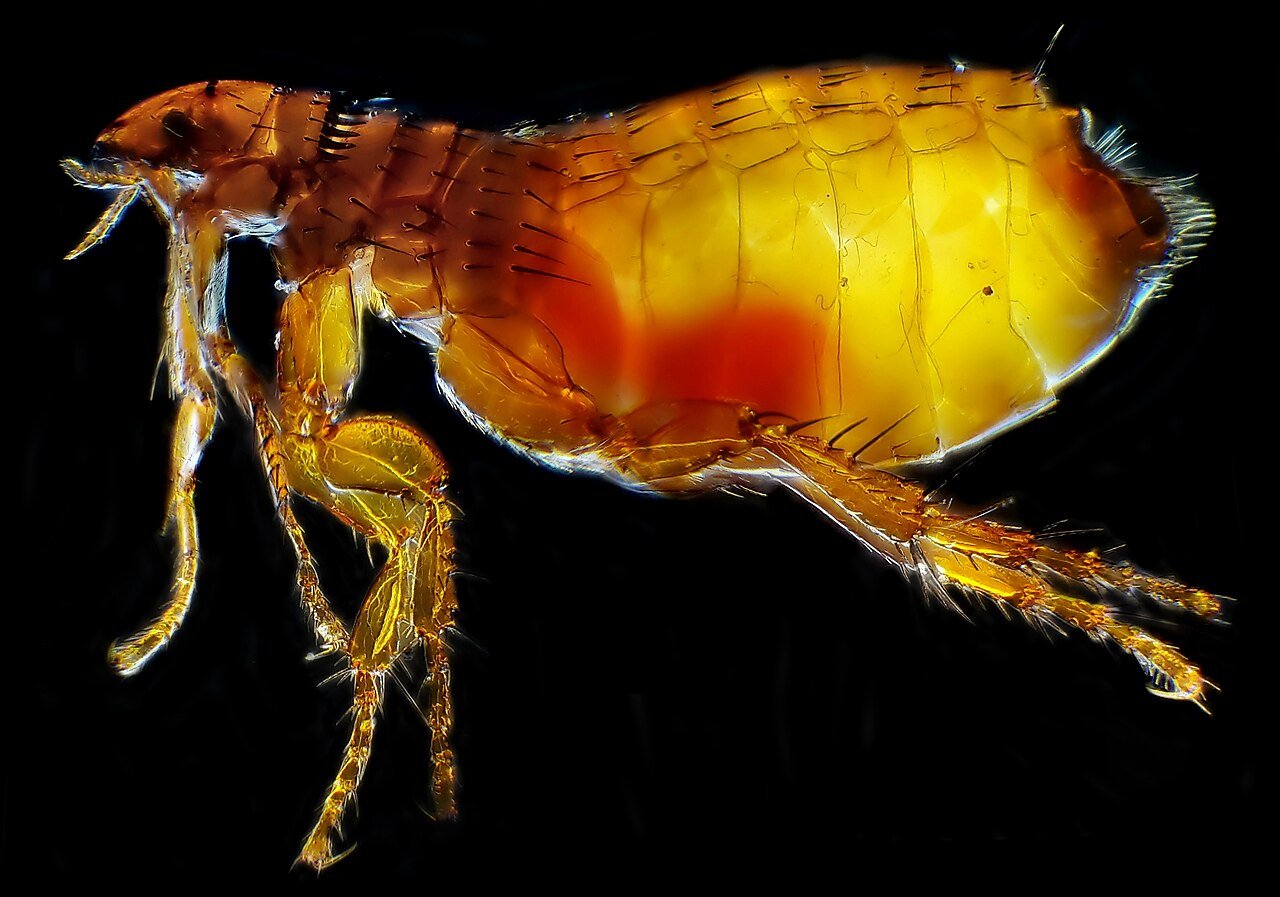
The flea in your house is almost certainly the cat flea (Ctenocephalides felis, which despite the name is also the dog flea of record in Ohio), and its entire body is a fur-specialist’s toolkit: flattened side-to-side to knife between hairs, backward-facing bristles to resist grooming, claws built to grip pelt. Human skin, from a flea’s perspective, is a parking lot — nowhere to anchor, nowhere to hide, and too exposed to survive a slap. So fleas treat people as a meal, not a home: they leap aboard (from carpet, not from the pet — more on that below), bite a few times in a cluster or line, and drop off. They do not live in human hair for more than minutes, they do not lay viable populations on people, and “fleas infesting a person” is essentially a myth outside of severe neglect situations. The practical consequence cuts two ways: comforting — you cannot “catch” a personal flea colony; sobering — every bite on your body came from an environmental population living in your carpet, pet bedding, and couch seams, which means bites on humans are a census report on the house.
Fleas turn to people when their preferred host is gone, which usually means the house is already infested. Clearing it takes flea treatment in Dayton.
Why the ankles — and why it’s you and not your spouse
The ankle signature has a mechanical explanation: adult fleas emerging from carpet-dwelling pupae can leap vertically about six to eight inches — ankle height, exactly. They’re triggered by warmth, vibration, and exhaled carbon dioxide, so the human walking through the infested room is a landing beacon from the shins down. Bites above the knee usually mean contact with infested bedding or furniture (sleeping on the flea-y couch, holding the flea-y cat), not higher-jumping fleas. As for the household favoritism everyone notices — one person eaten alive, another untouched — the bites are frequently equal-opportunity but the reactions aren’t: flea saliva sensitivity varies enormously, so one spouse’s immune system prints itchy welts while the other’s ignores identical punctures. Add real differences in skin chemistry, CO₂ output, and who walks the carpeted hallway barefoot at 6 a.m. (pupae wake with morning vibration), and the “fleas love me” phenomenon is fully explained without any folklore about sweet blood.
Flea bite identification: the field marks, and the look-alike lineup
A flea bite is a small red papule with a distinctive dark center point (the puncture), intensely itchy, often ringed by a pale halo when fresh. The arrangement is the tell: clusters of two to five, or short lines — a feeding flea probes repeatedly (“breakfast, lunch, and dinner,” the dermatology cliché goes) — concentrated on ankles, lower shins, and feet, appearing within minutes to hours of walking through the infested zone. Now the lineup. Bed bug bites also come in lines of three, but the geography flips: they favor skin exposed during sleep — arms, shoulders, neck, face — appear overnight rather than after walking through a room, and come with mattress-seam evidence; our bed bug ID pages carry the full workup. Mosquito bites are bigger, puffier, singly scattered on exposed skin, and tied to outdoor evenings. Chigger bites cluster where clothing binds — sock lines, waistbands — after grass exposure, and arrive as fierce welts a half-day later. Scabies burrows favor finger webs and wrists and don’t come and go with rooms. The single most diagnostic test costs nothing: put on tall white socks and shuffle through the suspect room for ten minutes — emerging fleas show up as moving black specks against the white. Sock test positive, mystery over.
The honest disease file (Ohio edition)
The internet oversells flea-borne disease for clicks; the medical literature and your own risk deserve the calibrated version. In southwest Ohio, the overwhelming consequence of flea bites on humans is itching and secondary infection from scratching — broken skin plus fingernails is the actual medical event in nearly every case, so the practical medicine is anti-itch first: cool compress, calamine or 1% hydrocortisone, oral antihistamine at night, nails trimmed, and a doctor visit for any bite that grows hot, swollen, or crusted. The genuinely documented but genuinely rare list: flea-borne (murine) typhus — a real disease, but concentrated in Gulf Coast and Southern California flea ecologies, vanishingly rare in Ohio; cat-scratch disease — the Bartonella bacterium moves between cats via fleas, and reaches humans mostly through the cat’s claws rather than the flea’s bite — flea control on the cat is the actual prevention; tapeworm — transmissible only by swallowing an infected flea, which is why it’s a toddlers-and-pets file rather than a bite file; and plague — yes, fleas are the historical vector, no, it does not circulate in Ohio’s flea populations, and it belongs in this paragraph only so we can retire it politely. Bottom line: flea bites here are a misery problem and an infestation alarm, not a disease emergency — with the one caveat that people with flea-allergy sensitivity can develop papular urticaria (widespread hive-like reactions) worth a doctor’s look.
The part nobody explains: why you’re still being bitten after treating the pet
This is the most common flea phone call we get, and the answer is the flea life cycle’s famous trap door. At any moment, adult fleas on the pet are about five percent of the real population; the other ninety-five percent lives in the environment as eggs, larvae deep in carpet fibers, and — the villains — pupae in silk cocoons that are effectively immune to every spray, powder, and fogger on the market. Those cocoons hatch on a trigger schedule (warmth, vibration, CO₂) over weeks to months. Treat the dog on Saturday and the carpet keeps dispensing brand-new hungry adults daily — and with the treated pet now a poisoned meal, guess whose ankles inherit the traffic. That’s why bites on humans often spike right after pet treatment, why foggers disappoint (the mist never reaches carpet-base larvae or cocooned pupae), and why the honest fix is a program, not a product: pet on modern vet-grade prevention, daily vacuuming with the bag tossed (vacuum vibration triggers hatch — you’re farming pupae out of hiding on purpose), hot-wash of all bedding, and an insect-growth-regulator treatment for the carpet layer. The complete campaign — timeline, products, and the two-week “pupal window” expectation — lives in our flea elimination guide and the professional version on the flea treatment page.
“We don’t even have pets” — the no-pet flea problem, explained
Flea bites in a petless house sound impossible and aren’t; they have exactly four origin stories, and identifying yours is the fix. The previous tenant’s pets: the classic move-in surprise — pupae wait in the empty carpet for weeks, and the new household’s footsteps are the wake-up call; infestations that “come with the apartment” are this. Wildlife upstream: the most common suburban answer — a raccoon family in the chimney, feral cats denning under the deck or porch, mice inside the walls: their fleas colonize the structure and overflow to the humans. This is why our flea inspections walk the crawlspace and attic before quoting anything, and why a flea problem is sometimes a rodent problem wearing a disguise — another entry for the rodent file. Commuter fleas: carried home on pant cuffs from an infested friend’s house, workplace, or barn — enough to bite, rarely enough to establish without an animal host. The yard: shaded, moist areas trafficked by strays and wildlife can support fleas that meet you at ankle height on the way to the mailbox. No-pet cases are the ones where DIY most often stalls, because the source is structural — you can treat carpet forever while the deck cats keep restocking.
Protecting the humans while the campaign runs
- Socks and shoes indoors during the pupal window — unglamorous, near-total ankle protection.
- DEET or picaridin on ankles works on fleas just as it does on mosquitoes, for high-exposure days like moving furniture in the infested room.
- Bedding hot-washed weekly (and the pet barred from human beds until zero-count) — above-the-knee bites almost always trace to shared soft surfaces.
- Treat the itch, spare the skin: hydrocortisone and antihistamines beat scratching; infected bites are the file’s only common medical bill.
- Skip the folk remedies: garlic, brewer’s yeast, and essential-oil ankle rubs have no credible evidence, and tea tree oil is genuinely toxic to cats — the remedy aisle’s one actively dangerous shelf.
When ankle bites mean “call”
The sock test and a single pet with patchy prevention is a solvable weekend — run the elimination guide and expect the two-week tail. Call (937) 569-3330 instead when: bites continue past three weeks of a properly-run program (the pupal reservoir is outlasting your tools); the sock test stays positive in multiple rooms (population beyond consumer-product scale); there are no pets (the source is structural until proven otherwise, and finding it is the actual job); or anyone in the house is reacting badly — papular urticaria turns a nuisance timeline into a get-it-done-now timeline. Professional flea work pairs an adulticide-plus-growth-regulator application (the layer consumer foggers can’t reach) with the source inspection — wildlife, rodents, crawlspace — and under the Protection Plan, the follow-up visit that catches the pupal-window stragglers is already scheduled. Fleas are one of the most satisfying pests we treat: the biology is completely understood, the program works every time it’s actually run in full, and the difference between misery and quiet is almost always just which half of the iceberg got treated.
The bottom line
Fleas bite humans daily in infested houses — ankle-height clusters with dark centers, itchiest on the sensitized — but they can’t live on us, which means every human bite is overflow from an environmental population and a direct measure of its size. Confirm with the white-sock test, rule out the bed bug look-alike by geography and timing, treat the itch instead of scratching, and read the strategic message correctly: bites on people mean the carpet layer — eggs, larvae, and untouchable pupae — is the patient, and the pet-only treatment that’s “not working” is working fine on the five percent it can reach. Treat the whole iceberg, protect the ankles for the two-week tail, and call in the no-pet and past-three-weeks cases — that’s the entire answer, and it’s more than the question “do fleas bite humans” usually gets.
Flea bite questions from the call log
“Can fleas live in human hair?”
For minutes, not residency. A flea that lands on a head can’t anchor against fingers or a shower and abandons ship quickly; established “head flea” populations essentially don’t happen. Persistent scalp itching with tiny visitors is far more likely lice (which are human specialists) — different parasite, different playbook, school-nurse territory rather than ours.
“How long do flea bites last, and why do mine keep multiplying?”
An individual bite fades over a few days to two weeks depending on your sensitivity — but during an active infestation, new bites arrive faster than old ones heal, which reads as “my bites are spreading” when it’s actually “the carpet is still dispensing.” Track new-bite count per day rather than total welts; it’s the honest progress meter for your treatment campaign, and it should hit zero within about three weeks of a full program.
“Do fleas bite through clothing?”
No — the mouthparts can’t work through fabric, which is why sock lines are borders and why the socks-indoors rule works. They will, however, crawl under loose cuffs and waistbands to reach skin, which explains the occasional calf or waistline bite and keeps the tuck-your-socks advice in circulation for barn and crawlspace work.
“My doctor says the bites are flea bites but I’ve never seen a single flea. Possible?”
Very. Adults are 1–3mm, fast, and spend most of their time at carpet-base level; light infestations are routinely invisible to casual observation while still producing daily ankle bites on the sensitive. The white-sock test and a flea comb through the pet (black pepper-grain droppings that bloom rust-red on a wet paper towel — digested blood) will surface evidence the eyes miss. Seeing zero fleas rules out very little; the bites and the comb are the better witnesses.
That closes the file on the question everyone asks and nobody answers completely: yes, they bite us; no, they can’t keep us; and every itchy ankle in a Dayton living room is the environmental population taking attendance. The sock test tells you the truth, the full-program guide finishes the job, and the phone number above is for the day the truth turns out to be bigger than the vacuum.
The one-card summary for the medicine cabinet
- Bite ID: small red papules, dark center, clusters or short lines, ankles and shins, after walking the room — not overnight on the shoulders (that’s the bed bug file).
- Confirm: white-sock shuffle, ten minutes, infested room. Moving black specks = verdict.
- Treat the skin: cool compress, hydrocortisone, antihistamine, no scratching — infection is the only common complication.
- Read the message: human bites = environmental population = treat the carpet layer and the pet together, then expect the two-week pupal tail.
- Call when: three weeks of full program without zero, multiple sock-positive rooms, a petless house, or a bad reactor in the household.
Five lines, index-card sized, and the whole question settled — because the fastest way through a flea problem has always been knowing which half of it you’re looking at. The welts on your ankles are the visible half. The other ninety-five percent is in the carpet, on a timer, waiting for footsteps — and now you know exactly what to do about both.
And if tonight’s the night you finally run the sock test: good. Ten minutes, one lamp, tall white socks, and the argument that’s been running in your group chat all week gets its verdict — free, definitive, and slightly ridiculous, which is the best kind of pest control there is.
Related: Sand flea bites, which are usually not fleas at all.
Frequently asked questions
Do fleas bite humans or just pets?
Both — enthusiastically. Fleas cannot live on people (no fur to anchor in), but they treat us as meals: leap from carpet, bite in clusters, drop off. Every human bite comes from the environmental population, which makes ankle bites a direct severity gauge for the house.
What do flea bites on humans look like?
Small red papules with a dark center puncture, intensely itchy, arranged in clusters of two to five or short lines, concentrated on ankles, shins, and feet — appearing within hours of walking through the infested room rather than overnight in bed.
Why do fleas bite ankles specifically?
Physics: carpet-emerging fleas leap six to eight vertical inches — ankle height exactly — triggered by your warmth, vibration, and exhaled CO₂. Bites above the knee usually mean infested furniture or bedding contact, not higher-jumping fleas.
Why is only one person in the house getting bitten?
Usually everyone is bitten and only one person reacts — flea-saliva sensitivity varies enormously between people. Add real differences in CO₂ output, skin chemistry, and who walks the carpeted hallway barefoot at dawn, and the “fleas love me” phenomenon is fully explained.
How do I know the bites are fleas and not bed bugs?
Geography and timing: fleas hit ankles after you walk a room by day; bed bugs mark sleep-exposed skin (arms, shoulders, neck) overnight and leave mattress-seam evidence. The white-sock shuffle test settles the flea half in ten minutes, free.
Can fleas live in human hair?
Minutes, not residency — no anchor against fingers or a shower. Persistent scalp company is far more likely lice, a different parasite with a different playbook.
Do flea bites spread disease?
In Ohio, the realistic file is itching and scratch-infection; the dramatic flea diseases (murine typhus, plague) belong to other regions’ flea ecologies. Treat the itch, keep nails short, and spend the worry budget on ending the infestation.
How do I treat flea bites?
Cool compress, calamine or 1% hydrocortisone, an oral antihistamine at night, and no scratching — broken skin plus fingernails is the only common medical event. See a doctor for bites that grow hot, swollen, or crusted, or for widespread hive-like reactions.
How do I stop fleas from biting me right now?
Tall socks and shoes indoors (near-total ankle protection), DEET or picaridin on ankles for heavy-exposure tasks, bedding hot-washed, and the pet barred from human beds until zero-count. Then treat the actual population — the bites end when the carpet layer does.
Why am I still getting bitten after treating my pet?
The pet carries five percent of the population; carpet-dwelling eggs, larvae, and treatment-proof pupae are the rest, hatching for weeks — and a treated pet makes your ankles the best remaining restaurant. The house needs the treatment, not just the animal.
Can fleas bite through clothes?
No — but they crawl under loose cuffs and waistbands, which explains stray calf bites and keeps sock-tucking in the toolkit for crawlspace and barn work.
When do flea bites on humans mean it’s time to call?
When bites persist past three weeks of a full program, multiple rooms test sock-positive, the house has no pets (structural source hunting is the job), or someone is reacting badly. Those cases need the growth-regulator layer and the source inspection: (937) 569-3330.