
Somewhere in every bed bug ordeal comes the encasement moment: a professional (ours included) says “get encasements on the mattress and box spring,” the search results offer forty options from $20 to $200, and nobody explains what the zippered bag actually accomplishes, which corners cut ruin it, or why the box spring — not the mattress — was always the main event. This is the missing manual. Bed bug mattress encasements are one of the few pieces of retail equipment this library endorses without hedging — they’re standard equipment in every professional protocol including ours, the research behind them is solid, and used correctly they do four different jobs at once: trap the bugs already inside the mattress to die, deny new bugs the best harborage in the bedroom, convert the bed into an inspectable surface where nothing hides, and protect a several-hundred-dollar mattress from becoming a casualty. Used incorrectly — the wrong spec, the torn seam, the two-week removal — they accomplish approximately nothing, which is where the reviews claiming “encasements don’t work” come from. What follows: how they work and what they can’t do, the buying spec that separates bed-bug-rated from allergy-fluff, the install-and-inspect protocol, the interceptor cups that complete the system, and where encasements sit honestly inside a full elimination. Greater Dayton Pest & Rodent, free ID on every suspicious speck: (937) 569-3330.
What an encasement actually does (four jobs, one zipper)
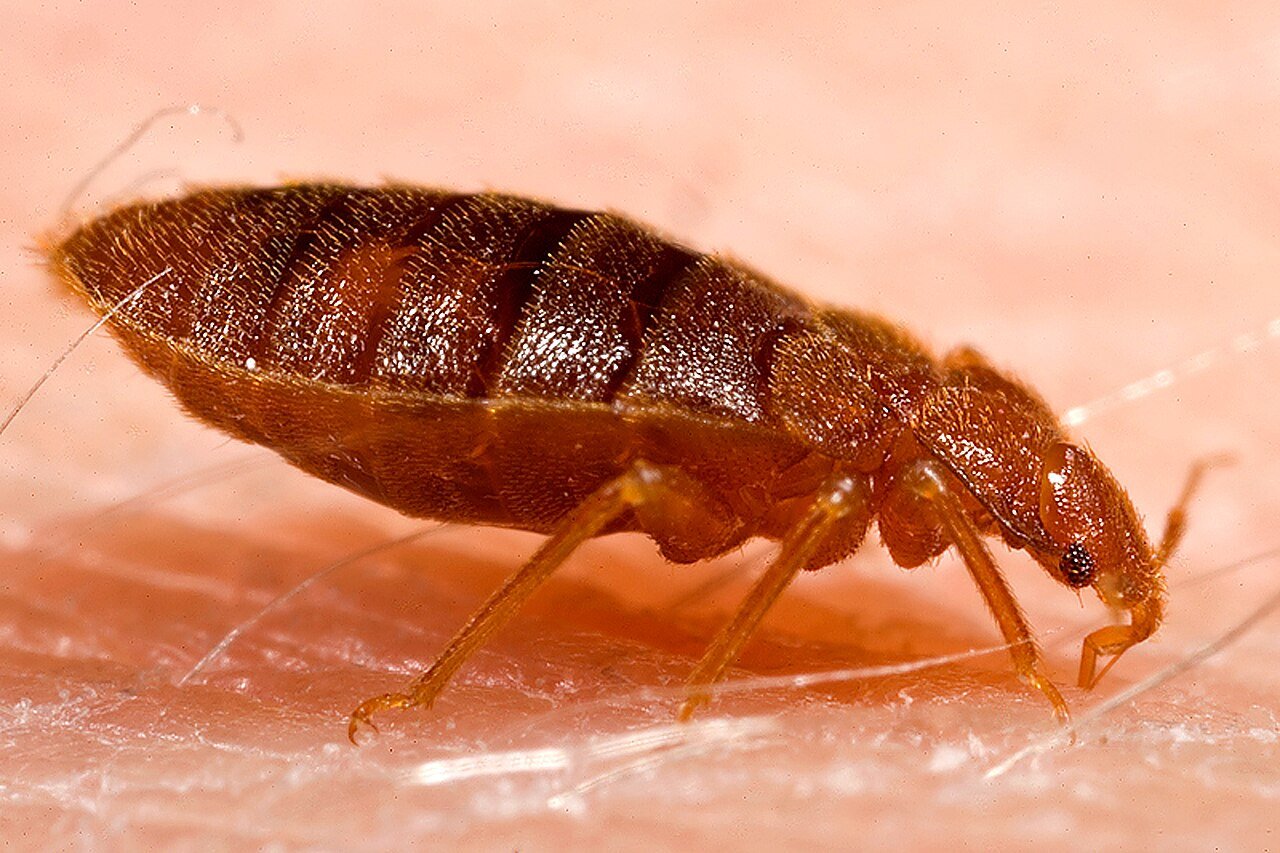
An encasement is a fitted, zippered shell that seals the entire mattress or box spring inside bite-proof, escape-proof fabric — and its value comes from bed bug real-estate preferences: left alone, the overwhelming majority of a bedroom’s population lives within a few feet of the sleeper, and the mattress seams, tufts, tags and — above all — the box spring’s wooden frame and dust-cover underside are the premium addresses. The four jobs, in order of value: Entombment — bugs and eggs already inside the sealed unit are locked in permanently; they cannot bite through the fabric, and while a starved bed bug’s famous patience means the sentence runs a year-plus (they’re record-holding fasters — the encasement stays on for the duration, more below), they are out of the game from zip-day forward. Denial — the survivors elsewhere in the room lose the best harborage in it: a properly encased bed offers no entry to the interior, forcing bugs onto the smooth exterior surface where they’re visible and vulnerable. Inspectability — this is the underrated job: a white, seamless-surfaced encasement turns the impossible inspection (every tuft and fold of a pillow-top) into a thirty-second glance where any bug or fecal spot shows like ink on paper; every follow-up visit in our protocol reads encased beds first because they’re the room’s most honest witnesses. Asset protection — a mattress that would otherwise absorb staining and a stigma that no treatment fully erases stays sealed and salvageable; the $60 encasement routinely saves the $800 mattress, which is the whole false-economy chapter in reverse. What encasements do NOT do — stated as plainly as the sales pages won’t: they treat nothing outside the bed. The nightstand, the baseboard gap, the headboard screw holes and the couch run their own populations, which is why encasements are a component of elimination, never a substitute for it — the same honest role the component-versus-cure distinction gives every good tool in this library.
An encasement traps what is already in the mattress and does nothing about the rest of the room, which is the part bed bug treatment in Dayton handles.
The buying spec: five checkboxes that matter, and the fluff that doesn’t
The encasement aisle mixes genuine bed-bug equipment with allergy bedding in bug-fighting costumes, and the label vocabulary is deliberately fuzzy — so here is the checklist that sorts them. (1) “Bed bug certified” with named lab testing — the real products cite independent entomology-lab escape-and-bite testing; “bed bug proof” as a bare claim costs nothing to print. (2) The zipper spec is the product — this is where cheap encasements fail: bed bugs and especially first-instar nymphs (millimeter-scale, per our ID guide) exploit ordinary zippers two ways — teeth gaps big enough to squeeze through, and end-stops that leave a gap when the slider parks. Certified designs use micro-teeth zippers plus an end-stop seal (a fold-over velcro flap, a locking clip, or a “zip pocket” that buries the slider); if the listing doesn’t photograph its zipper ending, assume it hasn’t solved it. (3) Full six-sided coverage — an encasement encloses; a “mattress protector” (five-sided fitted sheet with better marketing) protects against spills and nothing on this page. (4) Fabric with bite-proof backing — woven or knit face laminated to a polyurethane barrier layer: bite-proof, escape-proof, and breathable enough to sleep on; bargain vinyl versions technically qualify but crackle, sweat, and — the real flaw — tear at the corners within months, and a torn encasement is a decoration. (5) Durability you’ll tolerate for 18 months — because removal ends the entombment early (see the protocol), buy the one you can live with: stretch-knit faces sleep like normal bedding and cost $40–80 per queen mattress from the reputable brands — the professional-supply names our trucks carry and the major certified retail brands are functionally equivalent; the $150-plus tier buys comfort, not more bed-bug-proofness. What the checklist ignores on purpose: thread-count theater, “anti-microbial” and “hypoallergenic” claims (fine features, different problem), and waterproofing beyond the barrier layer that’s already there. Two certified mid-tier encasements — mattress AND box spring — for each affected bed, roughly $80–140 per bed total: the best-value line item in the entire bed bug budget.
The box spring rule and the install protocol
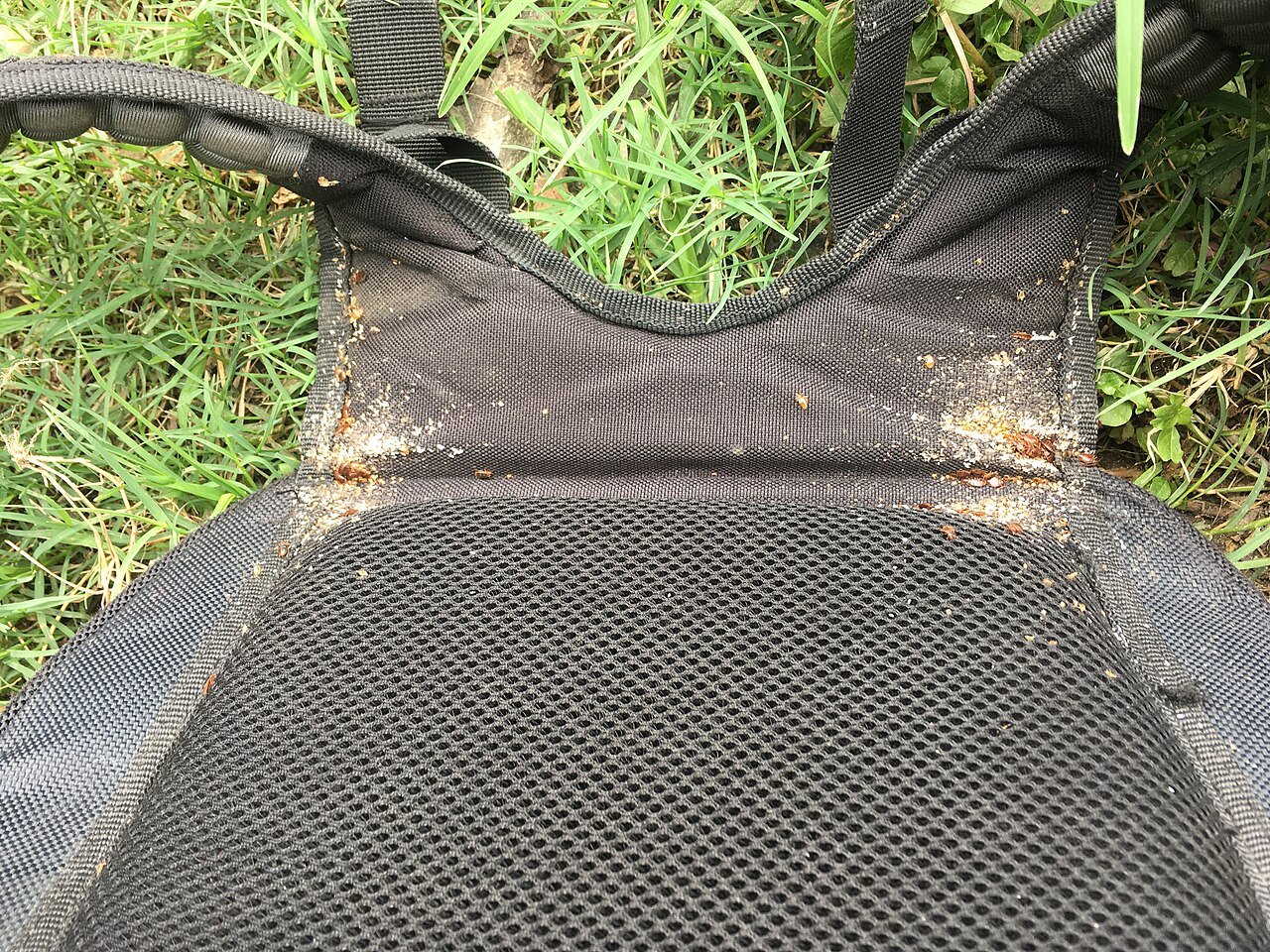
The counterintuitive priority first: if you can only encase one unit, encase the box spring — inspection studies consistently find it the single densest harborage in infested bedrooms (the wooden frame’s staple line, corner blocks, and the gauze dust cover’s underside are bed bug architecture), and it’s the unit nobody can inspect properly by hand. The install protocol, step by step, timed to the treatment calendar: Install AFTER the first treatment, not before — encasing a live bed on day zero locks bugs in helpfully but seals treated surfaces away from the bugs you want contacting them; our protocol encases at the first visit’s end, once the frame and seams have been treated, so the sealed units entomb survivors while the room’s residual chemistry works the perimeter. Vacuum the mattress and box spring seams first (the flea page’s vacuum discipline, redeployed), bag outside. Inspect the encasement before install — run the zipper, check the seams, because a factory defect discovered mid-infestation is a bad night. Two people, corners first, zipper fully seated into its end-seal — then tape a dated note to the underside frame: install date, because… the encasement stays on for at least 12–18 months — the starvation clock for the entombed population plus margin, and in practice we recommend permanence: the inspectability and prevention jobs never expire, replacement mattresses get encased on delivery day in any building with bed bug history, and the $60 shell keeps earning through every future scare as the thirty-second answer to “is it back?” Check monthly at the seams and corners for tears; tape is not a repair — a torn certified encasement is replaced, because the certification died with the fabric.
Interceptors: the $25 upgrade that completes the system
Encasements seal the bed’s interior; interceptor cups seal its perimeter — and together they form the “island bed” configuration that professional protocols, ours included, treat as standard equipment. Interceptors are double-walled cups placed under each bed leg: a bed bug climbing up from the floor gets into the outer moat and cannot scale the slick inner wall; one climbing down from the bed is caught the same way in reverse. Four cups run $20–30 a set, and they do two jobs nothing else does as cheaply. Protection: with encasements on, interceptors under the legs, the bed pulled six inches from the wall, and bedding kept off the floor, the sleeper is on a defended island — the room’s surviving bugs must run the moat to reach a meal, and mostly they drown in the attempt (starving the room’s population while treatment works). Verification: the cups are the best monitoring device in bed bug work, full stop — weekly cup checks give you a caught-count trend line that answers “is the treatment working?” with data: counts falling toward zero over four to six weeks is elimination in progress; any fresh catch after quiet weeks is early-warning worth a call, months before bites would have said so. (The cups also settle the diagnosis question for the anxious: two weeks of empty interceptors under an island bed argues strongly that the mystery bites belong to the differential-diagnosis list, not to bed bugs.) The full island-bed kit — two encasements, four interceptors, six inches of wall clearance — totals about $120 per bed and converts the most vulnerable furniture in the house into its best-defended and best-monitored: no other $120 in this library buys as much.
Encasement questions, answered
Can bed bugs bite me through the encasement fabric?
Not through certified fabric — the barrier lamination is specifically bite-proof, and the lab testing behind the certification includes exactly this. The entombed population can live a long time, but it lives sealed away from you: you are sleeping on the lid of their situation, not in it. (The crinkly budget vinyl also technically blocks bites — until it cracks at the fold lines, which is why the spec section spent its energy on fabric.)
We don’t have bed bugs. Are encasements worth it preventively?
Three household types get an unhedged yes: frequent travelers (the luggage pathway is the modern introduction route), anyone in multifamily housing (shared-wall pressure makes the inspectable-bed advantage permanent), and buyers of secondhand furniture. For everyone else it’s honest insurance-math: $120 a bed against the four-figure cost gap between an early-caught and late-caught infestation, with the encasement’s inspectability doing the catching. We’d rank it behind the free habits (luggage discipline, the ten-minute inspection after trips) and ahead of every gadget in the aisle.
Do I encase the pillows and blankets too?
Pillow encasements exist and are reasonable for heavy infestations (pillows are minor but real harborage); blankets and sheets don’t need sealing — they need the hot dryer, weekly during active treatment, which kills every stage on contact heat. The washable layer is already the easy layer; spend the encasement budget on the units that can’t be laundered.
The encasement showed black spots at the seam a month in. Did it fail?
More likely it succeeded: spots on the OUTSIDE surface mean room bugs visited the sealed bed and left evidence on the one surface where evidence can’t hide — exactly the inspectability job working, and a signal the room population still needs attention (counts, cups, call). Spots visible INSIDE through the fabric are the entombed population’s history, sealed where it belongs. Either way the encasement is doing the reporting a bare mattress never could — read it, don’t unzip it.
The honest role, one more time
Encasements are equipment, not exorcism: they entomb the bed’s population, deny the best harborage, turn the mattress into a witness, and — with the interceptor moat — make the sleeper an island while the actual elimination (the inspection-staged, both-visits-included protocol) clears the room. Buy the certified spec, install after treatment day one, log the date, leave them on, read them monthly. And for everything the zipper can’t solve — the staging inspection, the treatment itself, the multi-unit coordination our landlord program exists for, or the “is this speck what I think it is” photo at 2 AM: (937) 569-3330, Greater Dayton Pest & Rodent, Dayton and all eight counties. The bed is defensible; this page just issued the equipment list.
The hotel-room and moving-day applications
Two situations extend the encasement logic beyond the home bedroom, and both come up weekly on our line. Travel: you can’t encase a hotel bed, but you can read one like an encasement reader — the same white-surface principle says check the mattress seams and box spring corners behind the headboard-side, where housekeeping’s sheets never reach; luggage stays on the rack or the bathroom tile (hard surfaces are bed bug deserts), never on the bed or carpet; and the homecoming protocol — suitcase unpacked at the washer, clothes through the hot dryer, bag stored sealed in the garage — breaks the pathway that starts most residential cases. Travelers who run that loop plus home encasements have converted the highest-risk lifestyle into one of the lowest. Moving: moving day is the other great introduction event — rental trucks and secondhand furniture both carry history — so the protocol for any move into or out of a building with bed bug history: encase the mattress and box spring BEFORE they travel (sealing whatever they carry for the ride), inspect and vacuum furniture at the origin rather than the destination, hot-dry all textiles on arrival, and stand the reassembled beds on fresh interceptors for the first month — a moat plus a count during exactly the window an introduction would surface. Both applications cost almost nothing against the risk they retire, and both run on this page’s one repeated idea: bed bugs are managed by controlling surfaces and pathways, and the encasement — a controlled surface you can buy for sixty dollars — is the idea at its purest.
Where encasements sit in the treatment budget
Closing the loop with the money view, because the encasement decision usually arrives mid-crisis when budget clarity matters most. In our published treatment structure, the island-bed kit is the smallest line on the invoice and the only one that keeps working after the trucks leave: roughly $120 per bed against a first-room protocol in the hundreds — and it multiplies the treatment’s odds rather than merely adding to its cost, because every professional visit works better in a room where the bed is sealed, moated and readable. The false-economy comparison writes itself: the household that skips encasements to save $120 and tosses a $900 mattress two months later (the single most common panic purchase in bed bug history — and almost always unnecessary behind a certified zipper) spent the savings sevenfold on the one item the $60 shell existed to protect. Our protocol builds the kit into the quote by default and sources the certified spec at supply-house pricing precisely so nobody makes that trade — but the equipment is retail-available, the spec section above is brand-agnostic, and a household that walks into treatment day with the island already built has done the professional half of the room prep for us. Either way, the sequence holds: inspect, treat, encase, moat, count, confirm — and sleep, which was the entire point, on the island the sixty-dollar zipper built.
Zip it, moat it, date it, read it — four verbs, one defended bed, and the calmest night’s sleep the subject of bed bugs has ever offered.
Frequently asked questions
Do mattress encasements really work for bed bugs?
For their actual jobs, yes: trapping any bugs inside the mattress to die (months-long lockup), denying the premier seam harborage, and converting a complicated inspection surface into a smooth readable one. What they never do is treat a room — encasements are containment and monitoring, not elimination.
Do I need an encasement on the box spring too?
The box spring is arguably MORE important — its hollow, seam-rich, fabric-wrapped interior is bed bug architecture at its finest, and most infestations we open have their densest harborage there. Encase both or the program leaks.
What makes an encasement “bed bug certified”?
Lab-tested escape-proof and bite-proof construction: full zipper enclosure with a sealed end-stop (the zipper terminus is the classic failure point), bite-impervious fabric, and no folds a nymph can transit. Cheap dust-mite covers fail every one of those tests.
Can bed bugs bite through an encasement?
Certified ones, no — the fabric is a feeding barrier, which is precisely what starves the sealed-in population. Torn or off-brand covers void the whole logic; inspect the zipper line when you change sheets.
How long do I leave the encasement on?
Minimum a year, practically forever — sealed bugs can survive months (see our without-a-host page), and a permanently-encased bed stays inspection-friendly for life. Removing it early releases the survivors; there is no half-term version.
Will an encasement alone fix my bed bug problem?
No — bugs also live in the frame, headboard, nightstand, baseboards, and outlet plates; the encasement seals one address in a neighborhood. It belongs inside the full protocol (treatment plus interceptors plus laundry discipline), where it performs brilliantly.
Should I encase a NEW mattress?
Ideal timing — day-one encasement keeps the new investment permanently uninfestable and permanently easy to inspect, and it is standard advice for attached housing and frequent travelers. Cheap insurance at its most literal.
Do encasements help with anything besides bed bugs?
Dust-mite allergen control is the genuine bonus (the original market for the product class), plus spill protection and easier evidence-reading for any future pest question. No downsides beyond a slightly crinklier feel in budget models.
How do I install one during an active infestation?
Vacuum the mattress and box spring seams first, bag the vacuum debris out, encase both pieces the same day treatment starts, and zip fully to the sealed stop — then leave them on through and beyond the monitoring window. We install them as part of protocol visits routinely.
Which encasements do you recommend?
Certified bite-and-escape-proof models with sealed zipper stops — brand matters less than certification and fit (deep-pocket sizing for pillowtops). Ask at your inspection and we will spec the sizes: (937) 569-3330.
And if you’re pairing encasements with DIY sprays: skip the rubbing alcohol — here’s the honest verdict on why it kills only what it drenches and protects nothing.