
Lebanon’s wasp file splits between its two signatures: the patio tables of a heritage-tourism downtown, and the horse barns of the township roads. They fail differently and they’re guarded differently, and wasp and hornet removal here means running both. Downtown, the stakes are hospitality: a town that seats its visitors outdoors from April to October collides with the yellowjacket’s August sugar shift at every table, and one circling wasp costs a patio more goodwill than a slow kitchen ever will. Out on the farms, the stakes are half a ton of flight animal: a paper wasp nest above a stall door or a ground colony beside the paddock gate is a spook waiting for a vibration, and a spooked horse injures itself, its handler, or both. We call the pairing the stable and the streetside — and the good news is that both run on the same calendar, which means both are beatable in May.
The Streetside File
The downtown’s architecture and calendar conspire pleasantly for wasps: deep 19th-century cornices and awning hardware offer founding sites over every storefront, and the outdoor-dining economy lays sugar on every table just as colonies hit their August workforce surplus. The operational answer is layered. Spring: the founding sweep across cornices, awning frames, and sign brackets — the cheapest month of the program — plus void checks on the row’s known gaps. Summer: trash-station discipline as the real force multiplier — lidded, relocated away from seating, emptied on schedule — because open cans recruit foragers to the block faster than any nest nearby. August and September: rapid response on the colonies that established anyway, treated early-morning before service hours, and the honest counsel that a persistent table problem usually traces to a nest or a trash line within a hundred feet, findable by flight-line watching. For the patio operators, we run it as a standing seasonal account — the same monitor-and-schedule logic as the kitchen program, pointed at the tables.
The Stable File
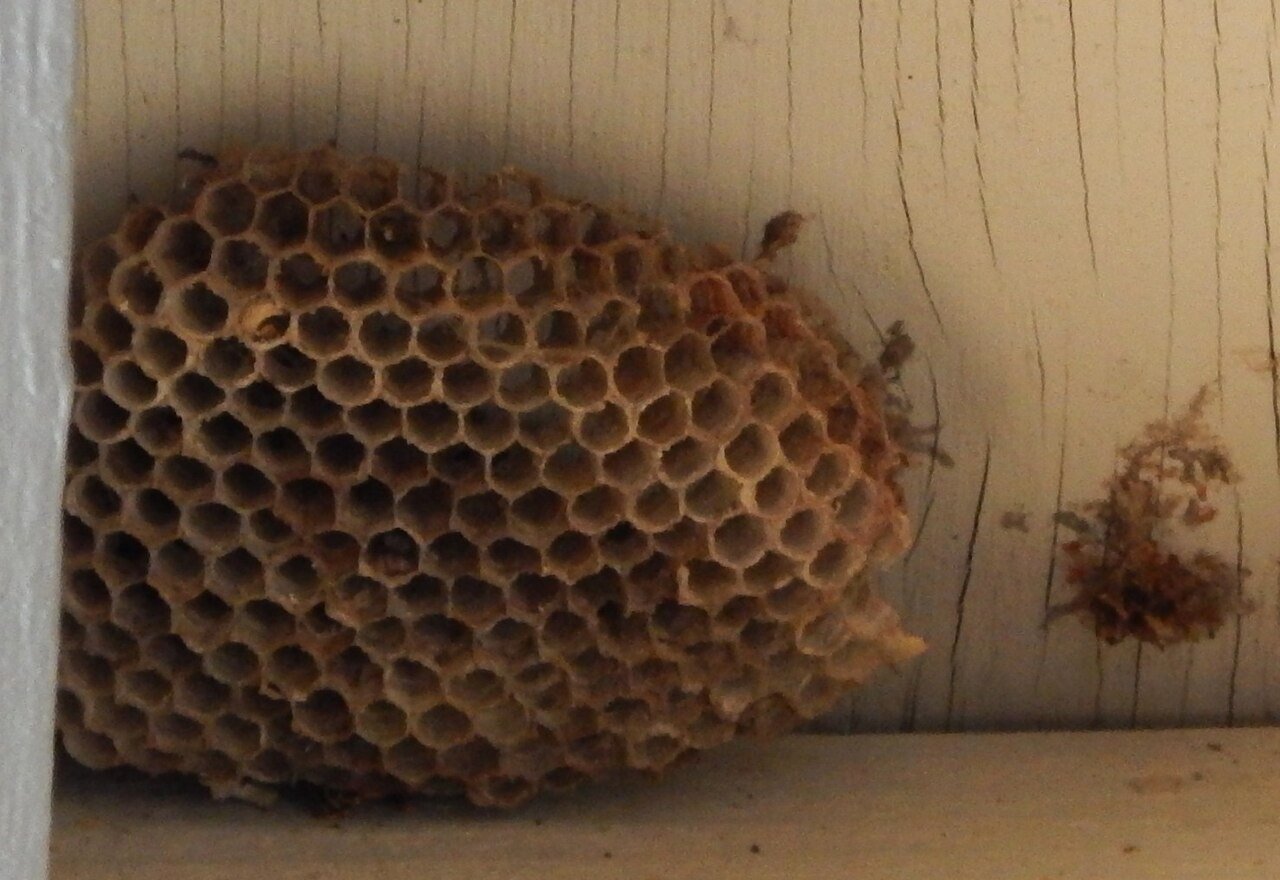
Barn wasp work has one rule above all others: the animals’ flight response sets the protocol. Horses read a sting — or even aggressive circling — as predator contact, and the wreck that follows happens in a confined space full of hard edges. So the stable program runs on prevention-first timing: spring rafter-and-stall-line sweeps before colonies establish (the same pre-use scan logic every outbuilding deserves, with higher stakes), dauber-tube removal in the off-hours, and ground-nest patrols along paddock fence lines and gate areas where yellowjackets colonize old post holes and rodent burrows. Established-colony treatment happens with the animals moved — turned out, stalled elsewhere, or scheduled around — and with products and timing chosen for a building whose occupants lick surfaces and breathe close to the walls. A barn is not a garage with hay in it; treating it like one is how bad outcomes happen.
The Lebanon Program
- Downtown seasonal accounts: spring founding sweeps, summer trash-line counsel, and pre-service-hours response through sugar season — the patio’s goodwill, guarded on schedule
- Stable service: animal-first protocols — spring sweeps, paddock-line ground-nest patrol, and established-colony work timed around turnout, with the flock-and-hoof-safe placement discipline our barn rodent programs already run
- Residential calls: the standard file — eave and porch nests, void colonies (killed first, sealed second, always), and the ground-nest flag-and-treat — on village pricing
- Honest triage everywhere: high hornet footballs over empty pasture corners get left for frost, and we’ll say so free
The shared moral of both files: Lebanon’s wasp problems are calendar problems wearing emergency costumes. The August patio gauntlet and the September stall-door colony were both April founding nests that nobody swept — a broom-stage intervention costing a tenth of the emergency it prevents. Every year we run this town, the accounts that scheduled May stay quiet through September, and the calls that come in hot trace back to a spring nobody walked the line. The town’s full pest picture lives on our Lebanon service page.
Walk the Line in May
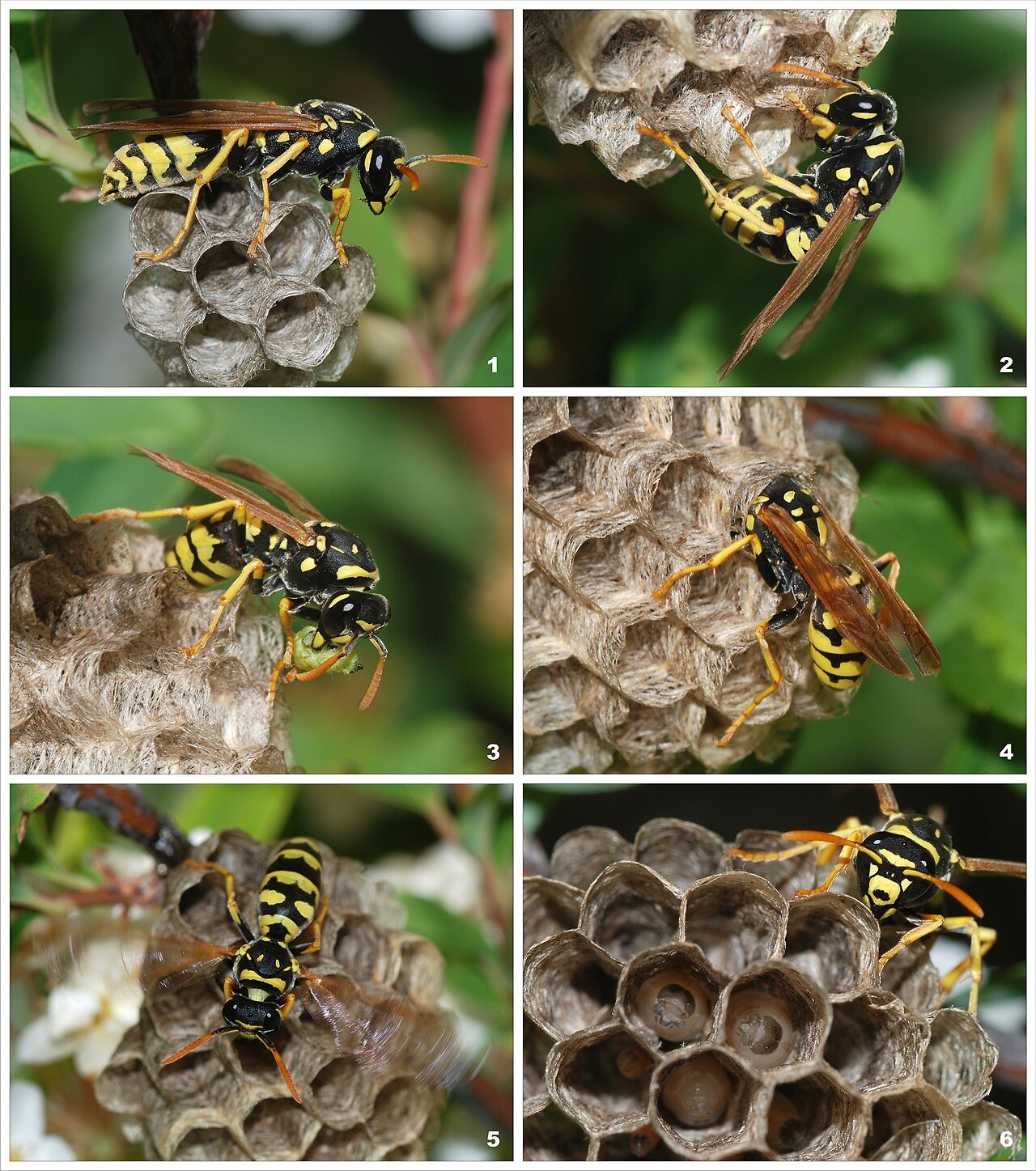
Patio row or paddock fence, the spring sweep is the whole strategy — one visit covers the cornices or the rafters, flags the ground lines, and books the season’s calendar. August emergencies welcome too; we’d just rather sell you the cheap month.
Frequently asked questions
Why are wasps all over our patio tables every August?
The sugar shift: colonies hit peak workforce just as brood-rearing winds down, and thousands of idle foragers switch to sweets — right onto the dining economy’s tables. The fix mostly happened (or didn’t) months earlier: May sweeps and summer trash discipline decide August.
What’s the fastest fix for a wasp-plagued outdoor seating area?
Trash logistics first — lidded stations moved away from seating and emptied on schedule recruit fewer foragers than any spray kills. Then flight-line watching: a persistent table problem usually traces to a nest or trash line within a hundred feet, findable and treatable before service hours.
Are wasps actually dangerous to horses?
The sting is minor; the spook is the injury: horses read stings and aggressive circling as predator contact, and the wreck happens against stall walls and gate hardware. That’s why barn protocol is prevention-first and why established-colony work happens with animals moved.
How do you treat a barn without endangering the animals?
Animal-first rules: work timed around turnout, products and placements chosen for a building whose occupants lick surfaces and breathe against the walls, ground-nest patrol along the paddock lines, and nothing applied where a muzzle can reach. A barn is not a garage with hay in it.
Where do ground nests show up on horse properties?
Old post holes and rodent burrows along fence lines, gate areas, and the untended margins — exactly where hooves and handlers concentrate. Steady low flight to one point in the grass gets flagged, mowed around, and treated with full protocol.
What about the mud tubes all over the stalls?
Mud dauber nests — solitary, sting-averse spider hunters, ugly but nearly harmless. They come down in the off-hours sweep for tidiness, not safety, and they never justify treating a barn like it has a yellowjacket problem.
When should downtown businesses book wasp service?
May — the founding sweep across cornices, awning frames, and sign brackets catches queens at broom stage for a tenth of the emergency price. Seasonal accounts run sweep-to-frost and keep the patio’s goodwill intact through sugar season.
What does wasp removal cost in Lebanon?
Flat single-nest rates residential, seasonal account pricing for the patio row, and stable programs quoted by barn and paddock line — each priced so the May version costs a fraction of the September one, because that’s the honest math of the calendar.