Lebanon keeps horses the way other towns keep lawns, and every barn on its rural edges runs a commodities market the mice discovered first. A feed room is a rodent’s complete economy — grain in fifty-pound bags, sweet feed’s molasses calories, spilled oats under the bins, hay lofts for insulation and nesting, water at the trough, and a building whose doors work all day. Rodent control in Lebanon is shaped by that market more than by anything in town: the estate properties and boarding operations along the township roads carry standing populations that no house-focused service ever touches, and the historic downtown — some of the oldest commercial fabric in Ohio — runs its own file through stone foundations and shared basements. We call the rural half the feed-room economy, and closing it is a management discipline, not a purchase.
The Barn Market’s Rules
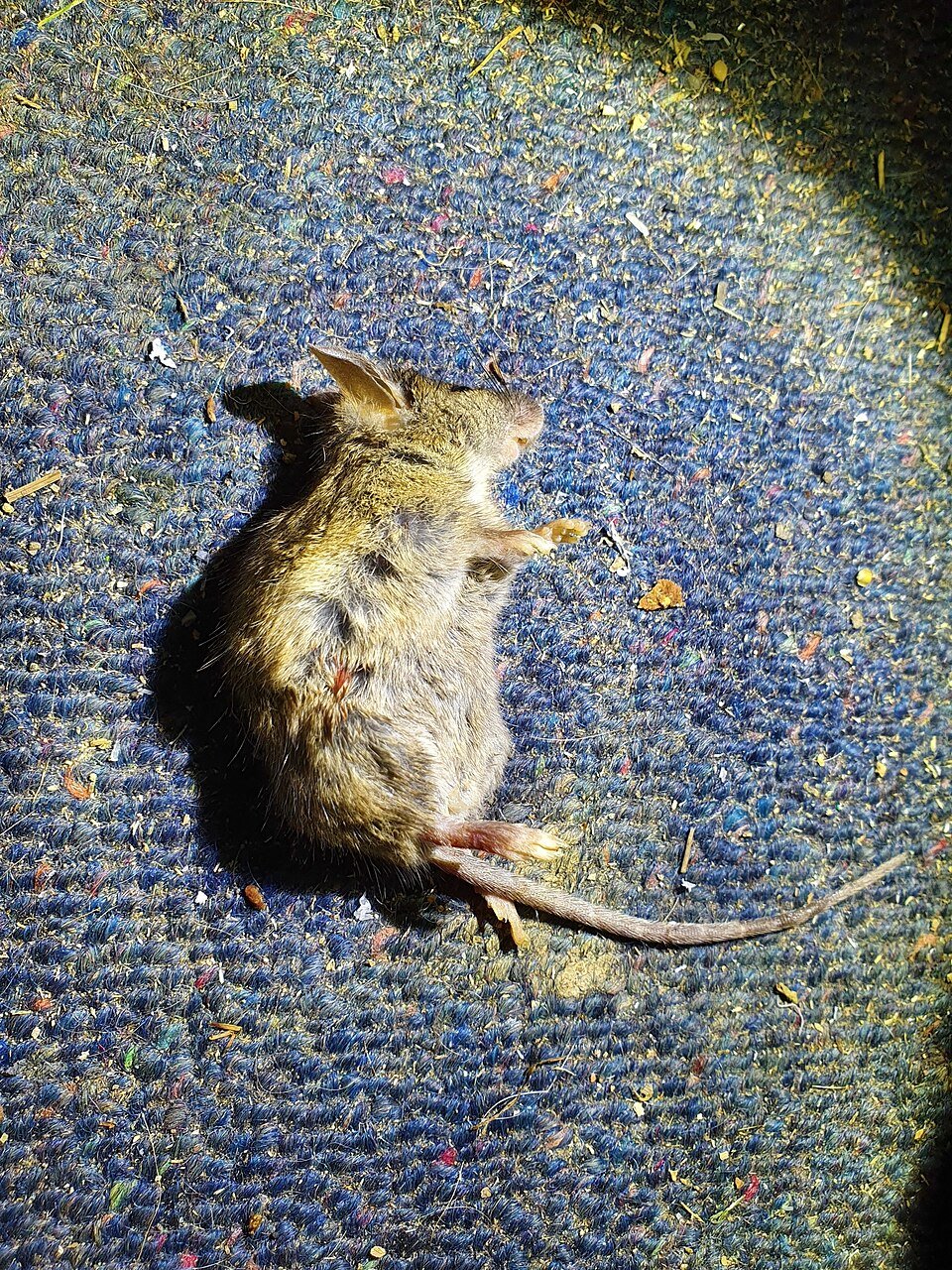
Horse properties amplify rodents through three honest mechanisms. Feed first: grain storage at any scale leaks — a bag’s worth of spillage a month under the bins is a colony’s annual budget, and sweet feed’s sugars recruit harder than anything a house pantry offers. Structure second: barns are built for ventilation, not exclusion — gaps at every grade beam, doors with daylight under them, and a loft whose hay bales stack into a high-rise of nesting voids. Cats third, and this one cuts the other way: barn cats matter, and a good mouser suppresses the visible population — but cats work the floor, not the walls and loft, and a feed room’s carrying capacity outruns any cat’s appetite. The result is the pattern every horse owner knows: chewed bag corners, tunneled sweet-feed fines, droppings on the tack shelf, and a wiring bill when something gnaws the arena lights’ conduit. Mice are the volume file; Norway rats join where feed and water run richest, burrowing under slabs and manure pads.
Husbandry Before Hardware
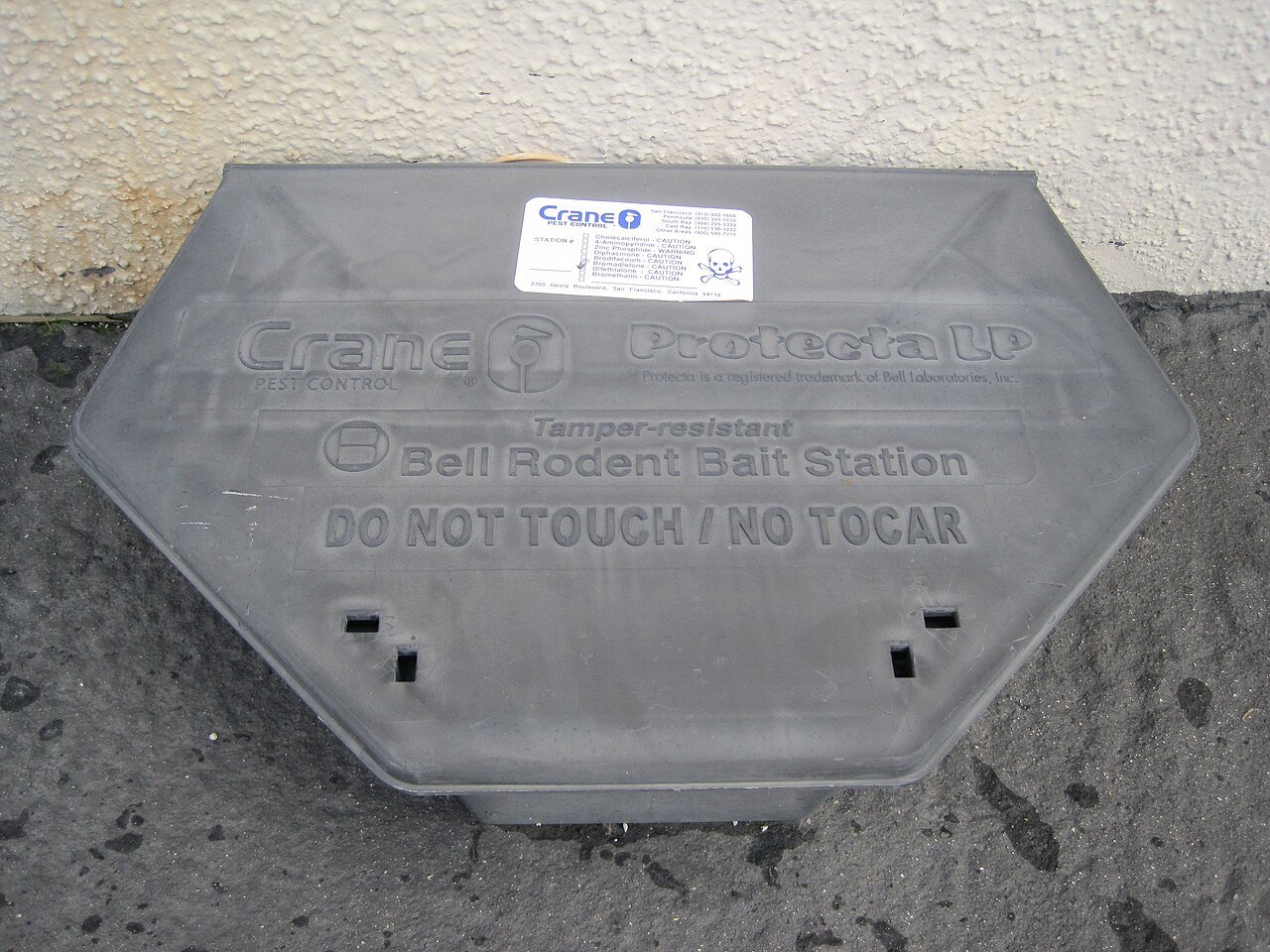
The program that works starts with the feed, because the feed is the market. Galvanized steel cans with tight lids for every opened bag — plastic bins lose to rats in a night and to mice in a week. Spill discipline under and behind the bins on a weekly sweep. Hay stacked on pallets with an inspection aisle, rotated so the oldest bales — and their nests — surface regularly. Tack room sealed tightest of all, because leather takes rodent damage fastest. Then the hardware earns its keep: locked bait stations on the runway lines outside the feed and tack rooms, snap-trap boxes inside where bait shouldn’t sit, burrow treatment where the rat file is active — every placement chosen around the animals, because a barn program that endangers a horse, a dog, or the cat has failed before it starts.
Downtown’s Older File
Lebanon’s historic core runs the town’s other rodent economy: 1800s commercial buildings with stone foundations, interconnected basements, and the restaurant row around the Golden Lamb generating nightly food traffic. The mill-town rules apply — buildings treated as whole structures rather than storefront by storefront, station lines on the alley and dumpster zones, and exclusion work that respects masonry a century and a half old. A downtown account here is a scheduled program with a logbook, because the buildings’ age guarantees the pressure and the food service guarantees the subsidy; what varies is whether the boundary is held.
- Barn and estate programs: feed-room audit, husbandry counsel, animal-safe station and trap placement, and seasonal intensity matched to the fall field-eviction wave
- Downtown accounts: whole-building service, alley-line stations, and masonry-respecting exclusion on the historic fabric
- Residential service: the standard house file — garage gaskets, utility penetrations, sill gaps — for the subdivisions between the two
- The honest boundary: mice and rats only — the groundhog under the shed and the raccoon in the loft are licensed wildlife work, and we’ll name the referral instead of billing the wrong service
The town’s full file lives on our Lebanon service page — and the feed-room economy’s first principle is worth repeating to every horse owner who calls: the mice aren’t in your barn because it’s dirty; they’re there because it’s a grocery. Close the grocery and the hardware finishes what’s left.
Audit the Feed Room
One barn walk prices the market your rodents are trading — feed, spill, hay, and runways — and one program closes it: steel storage, animal-safe placements, and the seasonal schedule that meets the fall wave before it arrives.
Frequently asked questions
Why does my barn have mice when I have barn cats?
Cats work the floor; the economy runs in the walls, bins, and loft. A good mouser suppresses what you see, but a feed room’s carrying capacity outruns any cat’s appetite — the fix is closing the market (steel storage, spill discipline) and letting the cat handle the remainder.
What’s the best way to store horse feed against rodents?
Galvanized steel cans with tight lids, one per opened bag — plastic bins lose to rats overnight and to mice within a week. Add a weekly sweep under and behind the bins: a bag’s worth of monthly spillage is a colony’s annual budget.
Is rodent bait safe to use around horses, dogs, and barn cats?
Only in locked, anchored stations on runway lines the animals can’t work — and inside feed and tack rooms we use snap-trap boxes instead, so no bait sits where a paw or muzzle could reach. Tell us every animal on the property; the placements are designed around them.
Do I have rats or just mice in the barn?
Mice are the volume file everywhere; rats join where feed and water run richest — look for burrow openings (2–3”, clean-swept) under slabs and manure pads, raisin-sized droppings, and gnawing heavy enough to mark lumber. The rat file moves faster and gets same-week treatment.
Why do rodents surge in the barn every fall?
Harvest and first frost evict the field populations, and a barn is the best winter housing in the township — heated by hay, provisioned by grain. September station work on the perimeter meets the wave before it moves in; November work meets it after.
Can mice really damage my barn’s wiring or tack?
It’s where the real money goes: gnawed conduit and junction boxes are the fire risk insurance carriers ask about, and leather tack takes rodent damage faster than any other material in the building. The tack room seals tightest for a reason.
Who handles the groundhog under my run-in shed?
A licensed wildlife operator — anything larger than rats and mice is a different license and trade, and we’ll hand you a referral rather than a bill. Our file is the rodents; we keep the boundary honest.
What does rodent control cost in Lebanon?
Priced by the property, not the house: barn programs quote from the feed-room audit, downtown accounts run scheduled whole-building service, and residential work is flat-priced with exclusion assessed. Every version costs less per year than one gnawed conduit repair.
Related reading from the same streets: wasp & hornet removal in Lebanon and ant control in Lebanon.