Tipp City’s downtown is a working museum — one of the best-preserved canal-era Main Streets in Ohio, storefront after storefront of 1840s–1880s timber doing its third century of load-bearing work. That preservation is the town’s identity and its property-value engine, and it hands termite control here a specific job: protecting irreplaceable wood. A subdivision sill plate is lumber; a hand-hewn joist over a Main Street storefront is history, and the eastern subterranean termite makes no distinction between them. We call the local math the preservation premium — in a town whose value is stored in original timber, termite protection isn’t maintenance, it’s asset management — and it shapes how we work both halves of Tipp City, because the I-75 side’s newer subdivisions run a completely different clock.
The Downtown File: Third-Century Timber
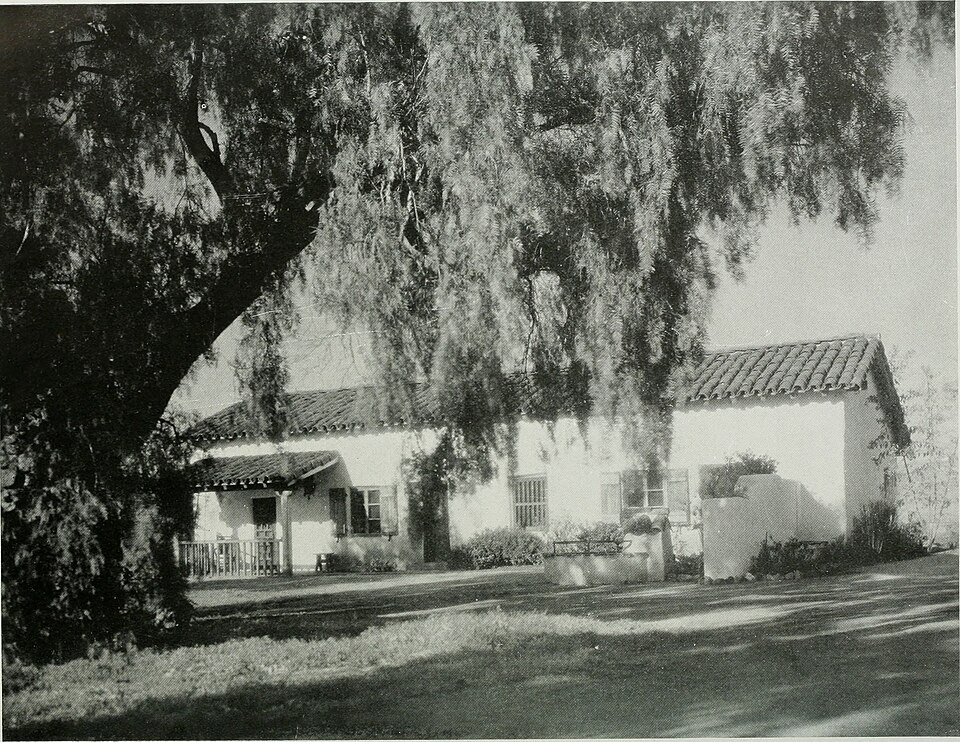
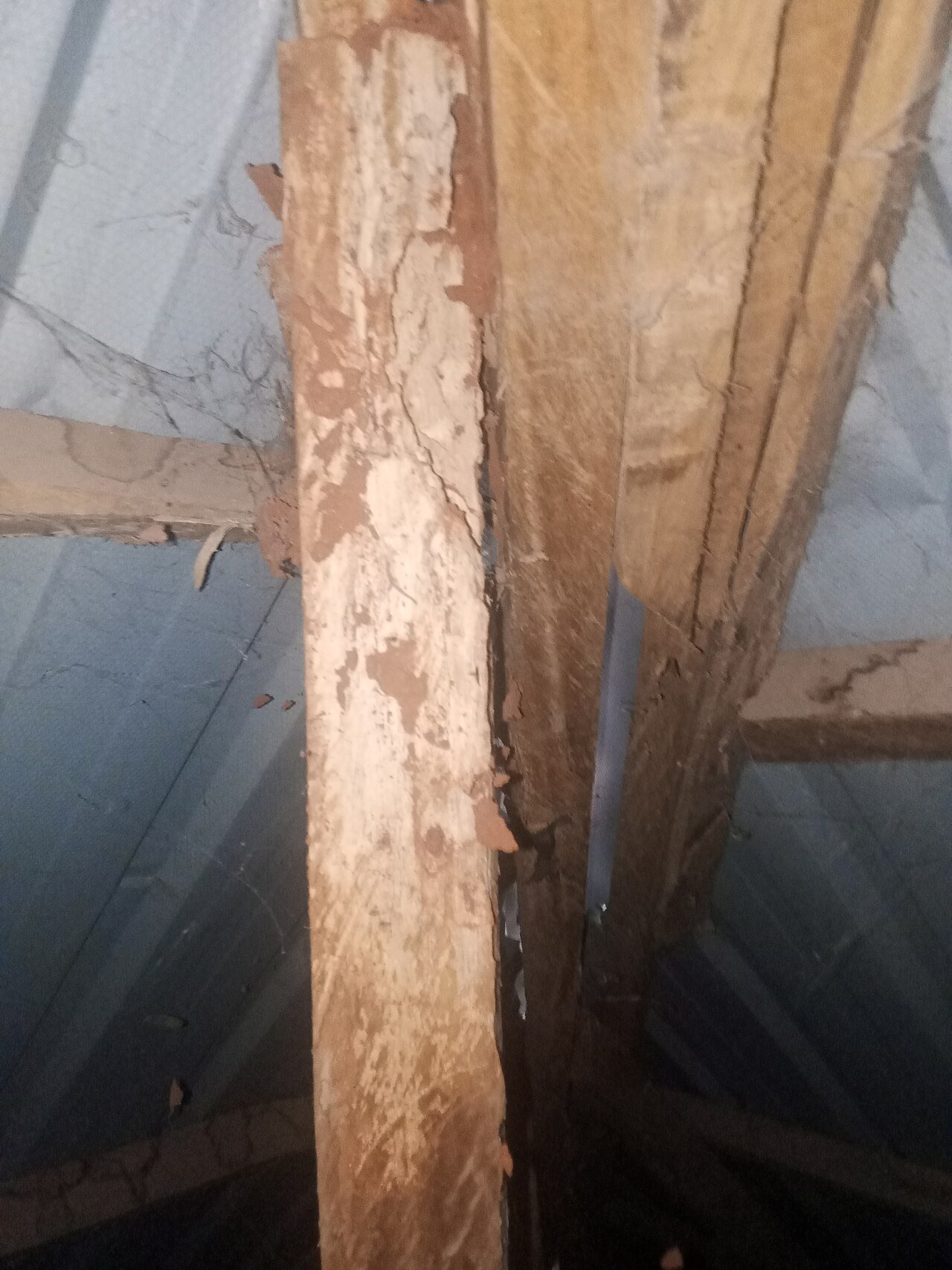
The historic core’s construction is everything termites prefer and inspectors dread: timber sills on stone foundations, dirt-floored crawl sections under rear additions, party walls where two buildings’ framing meets out of sight, and grade that has crept upward for 150 years until soil touches wood somewhere on nearly every parcel. Worse for detection, these buildings hide their evidence — activity runs behind lath and plaster, under layered floors, inside boxed beams — so the visible signs (a spring swarm from a baseboard, mud spotting at a stone joint, a suddenly spongy threshold) usually mean a colony well established. Our downtown inspections are therefore structural archaeology: we date the additions, walk the party-wall lines, probe the sill runs where grade contact is oldest, and separate active colonies from the old scars almost every building this age carries. And the treatment respects the fabric — drilling and injection placed for coverage but planned around original material, monitored bait where trenching would disturb what makes the building worth protecting.
The Disclosure Moment
Historic buildings change hands on their character, and the sale is when termite history surfaces. Two pieces of counsel we give every downtown owner: first, get ahead of it — a current inspection report with a monitoring program in place turns “this building had termites in 2019” from a price negotiation into a maintenance line-item; second, document the archaeology — old, treated, inactive damage that’s photographed and explained sells fine, while the same galleries discovered by a buyer’s inspector two weeks before closing sells poorly. The preservation premium works both directions: protected timber holds value, and provable protection holds it at the table.
The Subdivision File: The Other Clock
East of downtown, Tipp City’s newer neighborhoods run the modern version of the problem: slab and basement homes whose builder-applied soil pretreatment is quietly aging out. Those barriers last years, not decades — a 2005 build is long past its coverage, a 2015 build is at the edge — and nothing announces the expiry. The new-side program is the standard modern kit: perimeter inspection on a schedule, liquid barrier renewal or monitored bait stations depending on the foundation, and the April–May swarmer triage (straight antennae and equal wings mean termite; elbowed and unequal mean ant — the free photo ID settles it in minutes). Different architecture, same conclusion: on both sides of town, the cheap intervention is the one made before evidence appears.
- Historic-fabric inspections: archaeology-grade, with active-vs-historical stated plainly and photographed
- Preservation-minded treatment: coverage planned around original material; bait where trenching would cost character
- Pre-sale packages: current report + monitoring documentation that protects the price, not just the timber
- Subdivision programs: pretreatment-expiry assessment and barrier renewal on the modern stock
Protect the Premium
Downtown storefront or subdivision slab, the play is the same: inspect before evidence, document what’s history, protect what’s irreplaceable. One call books the archaeology — and the honest verdict.
Buying or selling in Tipp City? What a lender, a VA file, or a listing agent asks for is not a treatment — it is a written report. That is a termite and WDI inspection in Tipp City: $99 flat on the lender-ready NPMA-33, next business day, PDF the day we inspect. Treatment only enters the conversation if the report actually finds something.
Frequently asked questions
Are historic downtown buildings in Tipp City at higher termite risk?
Meaningfully — timber sills on stone, dirt-floored crawl sections, party-wall framing, and 150 years of grade creep put wood and soil in contact somewhere on nearly every parcel, while lath-and-plaster construction hides the evidence until colonies are established. Scheduled inspection is the counterweight.
Can you treat a historic building without damaging it?
Yes — that’s the preservation-minded half of the craft: injection placed for coverage but planned around original material, and monitored bait systems where trenching or drilling would cost the building its character. The treatment plan is designed to the fabric, not despite it.
I found old termite damage during renovation — do I have termites?
Maybe not — buildings this age almost all carry archaeology from colonies long dead. Active means fresh mud, live workers, or new wings; dry empty galleries are usually history. We state which plainly and photograph it, because documented history sells fine and surprise history doesn’t.
How does termite history affect selling a historic property?
It surfaces at disclosure either way — the question is whether you control the story. A current inspection report plus an active monitoring program turns past damage into a maintenance line-item; the same galleries found by the buyer’s inspector become a price negotiation.
My subdivision house was built in the 2000s — am I still protected?
Almost certainly not. Builder soil pretreatments last years, not decades, and nothing announces the expiry — a 2005 barrier is long gone, a 2015 one is at the edge. The new-side program starts with an expiry assessment and renews protection before evidence appears.
What are the first signs of termites I should watch for?
Spring swarmers indoors (April–May), pencil-wide mud tubes at foundation or stone joints, blistered paint, hollow trim, and suddenly spongy thresholds. Downtown, any of these usually means an established colony — same-week call, not someday.
How do I tell termite swarmers from flying ants?
Straight antennae, two equal wing pairs, thick waist = termite. Elbowed antennae, unequal wings, pinched waist = ant. The distinction changes everything about treatment, and the photo ID is free and takes minutes.
What does termite control cost in Tipp City?
Quoted from the inspection — footage and construction drive it. Downtown monitoring programs and subdivision barrier renewals both price as small fractions of what one hidden colony does to original timber or an uninsured sill repair, and insurance almost never covers either.
The neighboring Tipp City files complete the map: wasp & hornet removal in Tipp City and ant control in Tipp City — all anchored from the Tipp City service page.