Count what crosses a Tipp City storefront threshold on a summer Saturday: hundreds of shoppers, a stroller wheel’s worth of dropped cone, the ice cream shop’s drips, the café’s crumbs, the propped-open door’s standing invitation — and, reading all of it from the brick sidewalk’s expansion joints, the pavement ant colonies that have worked this block since the pavers went down. Ant control in Tipp City concentrates where the town does: the historic retail row, where a tourist-scale food economy meets 19th-century hardscape at exactly ankle height. The downtown’s ant pressure isn’t a failure of anyone’s housekeeping — it’s arithmetic: joint-dwelling colonies plus daily sugar deliveries plus doorways that stand open all season. We call it the threshold file, and for the businesses on the row it’s the difference between an occasional scout and a June trail across the sales floor.
The Row’s Arithmetic
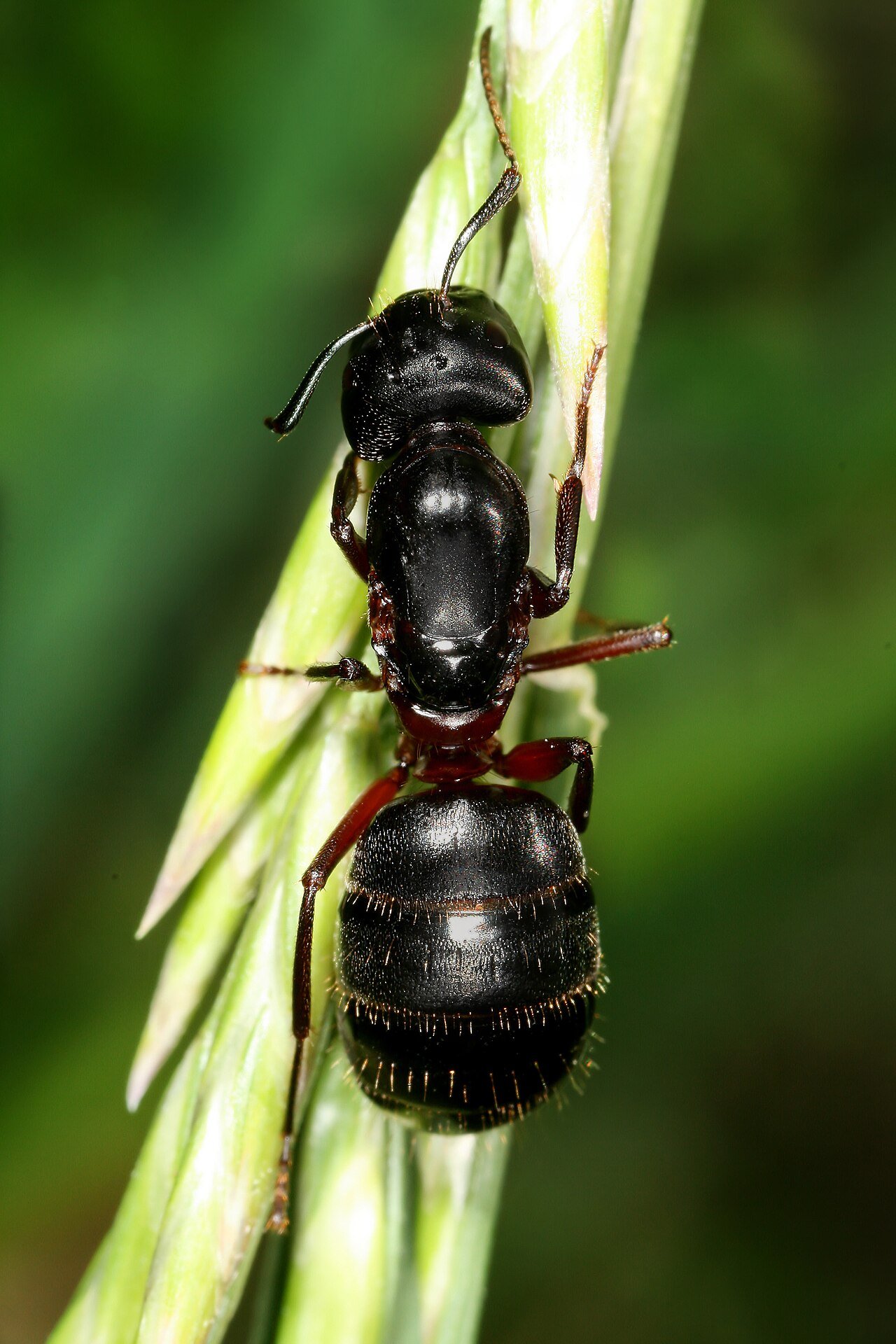
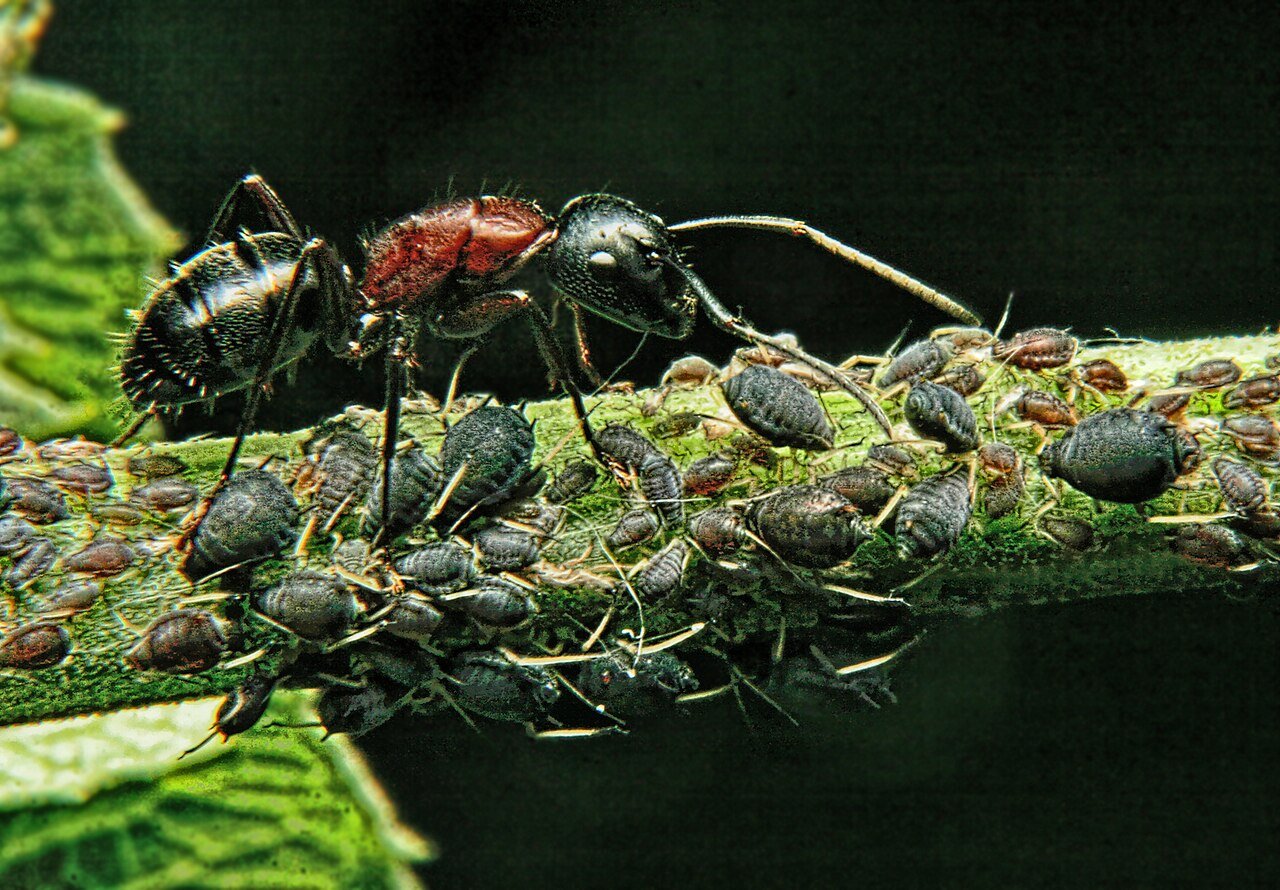
The colonies live in the infrastructure: brick sidewalk joints, curb seams, tree-well margins, and the planter beds whose irrigation keeps the root zones — and the nests beneath them — comfortable through August. The food arrives on schedule: every festival weekend, every ice-cream evening, every sidewalk-sale Saturday lays a sugar film across the block that forager scouts map by Sunday. And the thresholds connect the two: door sweeps worn by traffic, the quarter-inch gap under a century door, the propped-open afternoon — each a highway ramp from joint to sales floor. The storefront program that works is built on that map: exterior granular baiting across the joints and tree wells on the summer calendar, non-repellent treatment at the threshold line itself, planter-bed attention where irrigation subsidizes nests, and the housekeeping partnership — end-of-day sugar-zone wipe-downs at the counter and cone station — that cuts the delivery schedule the colonies depend on. What never works: the repellent spray at the door, which splits colonies into satellites and moves the trail from the front threshold to the side wall.
The Residential Two-Sides
The town’s houses run the two files its architecture predicts. The older streets around downtown carry the stone-foundation standard — odorous house ant surges after wet weeks, satellite nests in generous wall voids, moisture-first treatment with the mortar-gap honesty — while the newer east-side subdivisions run the engineered-lot pattern: pavement ants in the fresh flatwork joints, bed-moisture ants arriving with the landscaping’s maturity, and the utility-trench emergence points at the slab penetrations. Same species list as the row, different arithmetic — and the free photo ID sorts every kitchen’s case before anyone buys anything.
The Tipp City Program
- Retail-row accounts: joint-and-tree-well baiting on the summer calendar, threshold-line treatment, planter counsel, and the sugar-zone housekeeping partnership — run on the same visit rhythm as the row’s shared-wall roach program
- Festival-week timing: the pre-event exterior pass that meets the season’s biggest sugar deliveries with baited joints instead of mapped ones
- Old-street residential: moisture-first protocols and void baiting for the stone-foundation blocks
- Subdivision service: the engineered-lot calendar — joints, beds, and slab penetrations, three passes a season
The through-line the whole town teaches: Tipp City’s ant pressure maps to its prosperity — the row’s foot traffic, the festivals, the irrigated streetscape that makes downtown worth visiting all feed the same six-legged economy, and none of them are going anywhere. The win condition is the usual honest one: colonies taxed at the infrastructure, thresholds held at the door, and sales floors that stay off the trail map all season. The full local picture lives on our Tipp City service page.
Hold the Threshold
One walk of the row reads your block’s joints, wells, planters, and door lines — then the account holds them on the summer calendar, festival weeks included. Houses on either side of town get the file their foundation predicts, sorted free from a photo.
Frequently asked questions
Why does our downtown shop get ant trails every June?
Arithmetic, not housekeeping: joint-dwelling pavement ant colonies in the brick sidewalks, a tourist-scale sugar economy delivering food weekly, and thresholds — worn sweeps, century door gaps, propped afternoons — ramping the two together. The row’s program taxes all three.
What actually stops ants at a storefront door?
Non-repellent treatment at the threshold line plus exterior baiting across the joints and tree wells feeding it — and a fresh door sweep, which outperforms any chemical at the gap itself. The repellent spray at the door is the one move that reliably makes it worse.
Why did spraying the doorway move the ants to the side wall?
Budding: repellent pressure splits colonies into satellites, and the trail re-routes instead of ending. Baits the workers carry home are the chemistry that closes the account; sprays just relocate it.
Do the sidewalk planters and tree wells matter?
They’re the subsidized housing: irrigated root zones keep nests comfortable through August droughts that would otherwise throttle them. Planter-bed attention and watering discipline are quiet halves of the row’s program.
When should a business schedule ant service downtown?
On the summer calendar with a pre-festival pass — baited joints before the season’s biggest sugar weekends beat mapped ones after. Accounts run on the same visit rhythm as the row’s roach monitoring, one stop covering both.
My older house near downtown gets ants after every rain — same problem?
Different file: that’s the stone-foundation standard — moisture-following odorous house ants surging on wet weeks, treated moisture-first with void baiting and the mortar-gap honesty. The photo ID sorts your kitchen’s case free before anything gets bought.
And the new east-side subdivisions?
The engineered-lot calendar: pavement ants finding fresh flatwork joints, bed ants arriving as landscaping matures, and slab-penetration emergences on the utility-trench map — three timed passes a season, honestly priced.
What does ant control cost in Tipp City?
Row accounts price by storefront on the seasonal calendar; residential programs run flat-rate by file; and the standing honesty applies everywhere — when a $30 door sweep or a moved drip line is the best treatment, that’s the quote you’ll get.
The Propped-Door Season
One operational note worth its own heading, because it decides more storefront ant outcomes than any treatment: the propped-open door. On the row, a door that stands open through a warm afternoon isn’t just climate control — it’s a six-hour suspension of the threshold entirely, and forager scouts that wander in on Saturday recruit trails by Wednesday. The businesses that hold the line without losing the welcome run one of two plays: a screen-door retrofit sized to the historic frame (the period-appropriate versions exist and look right), or a fan curtain at the opening — moving air that shoppers barely notice and walking insects won’t cross. Either one costs less than a season of chasing trails across a sales floor, and both keep the open-door hospitality the row’s whole economy runs on. Ask us which fits your frontage; the recommendation is free with any account visit.