
Tipp City’s mice work two entirely different buildings, and the town’s rodent control splits cleanly along the same line as everything else here: the canal-era downtown and the I-75 subdivisions. Downtown, the file runs through cellars — the stone-walled, low-ceilinged, sometimes dirt-floored basements under the 19th-century storefronts, connected to their neighbors by a century and a half of shared walls and abandoned openings. Out east, the file runs through a single door — because a modern sealed-envelope build has essentially one honest mouse entry left, and it’s the one you drive through. One town, two doors: the cellar and the garage. Which one your building has determines everything about how the work goes.
The Cellar File
The downtown blocks are a connected below-grade world. Stone foundations with opened mortar joints, party walls breached by old utility runs, coal-chute scars, and the dirt-floored rear sections under later additions — a mouse population established anywhere on a block has standing access to much of it, which is why the storefront-by-storefront approach fails here the way it fails in every historic commercial district: treat one cellar and the neighbors restock it. The retail mix raises the stakes — antique dealers and boutiques stocking fabric, paper, and upholstered goods are storing exactly what mice shred for nesting, and the restaurant end of the strip supplies the calories. The program that works is the block-logic one: whole-building service coordinated with owners, station lines in the cellars and along the alley, exclusion at the masonry’s worst openings, and the documented logbook that keeps every tenant’s health and insurance conversations boring.
The Garage-Door File
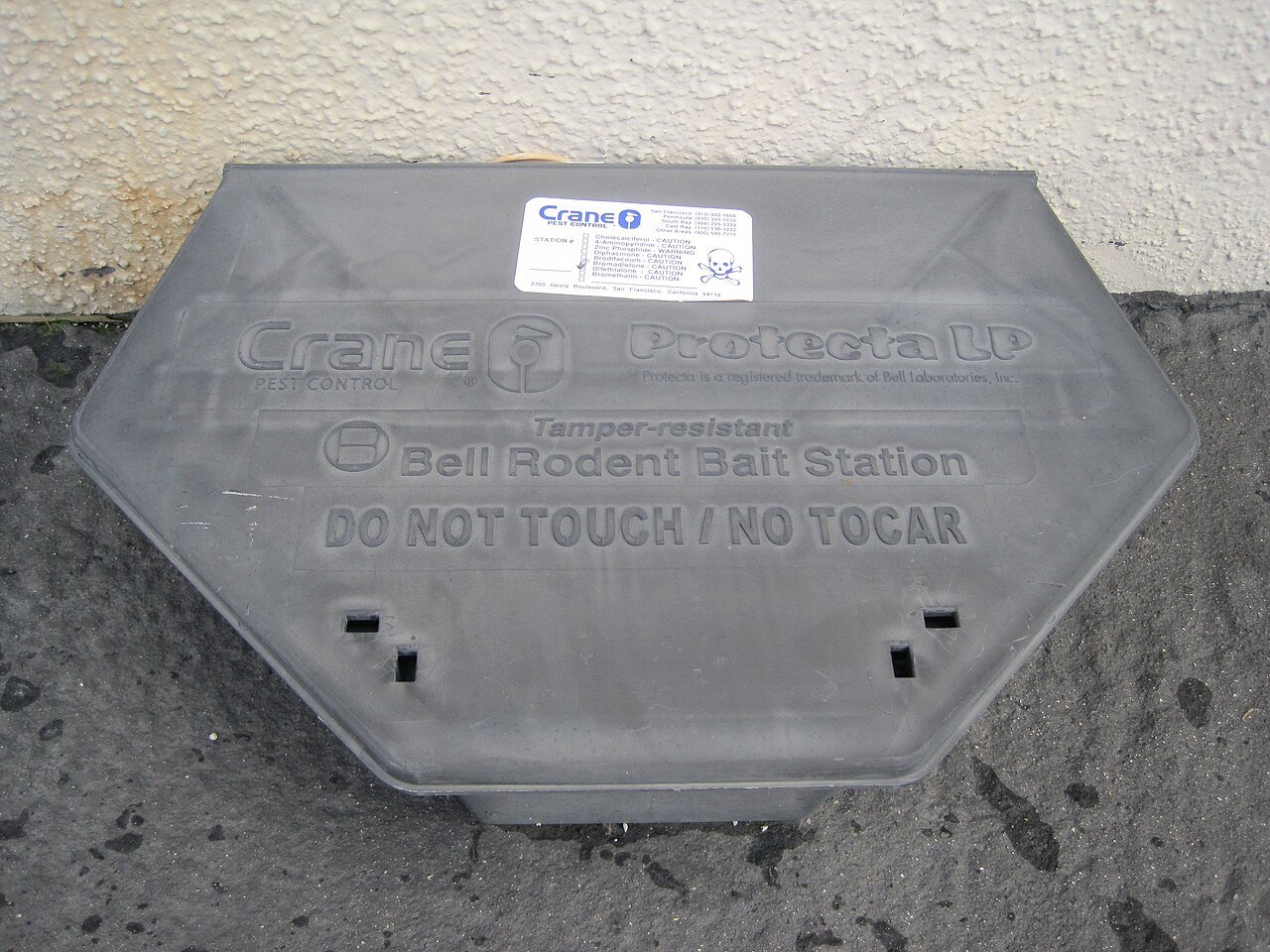
The subdivisions run the opposite problem: construction so tight that the classic entry points barely exist. No stone joints, sealed sills, capped penetrations — and one giant exception. A garage door’s bottom gasket wears into a mouse-sized arch at each corner within a few years, the door stands open through every autumn evening of leaf duty and bike retrieval, and the garage interior — bird seed, pet food, grass seed, the second fridge — is provisioned like a way station. October’s field-eviction wave off the surrounding Miami County crop ground finds that one door with complete reliability. The subdivision protocol is correspondingly narrow and effective: rodent-rated gasket corners, the garage-to-house door swept and sealed, provisions into steel or glass, and a monitor station in the garage corner as the early-warning system. Done once, done right, it closes the entire file for most new-side households.
Both Doors, One Calendar
- Downtown accounts: whole-building cellar service, alley station lines, masonry exclusion, and the shared-block coordination that makes any of it stick
- Subdivision service: the garage-door protocol plus a perimeter check — usually one visit and a hardware list, priced honestly as such
- The September pass: pre-harvest station and exclusion work timed to beat the eviction wave off the crop ground — the highest-leverage appointment on both sides of town
- The referral boundary: rats and mice only — anything larger on the river corridor is licensed wildlife work, named plainly
The two files meet in one statistic worth knowing: nearly every Tipp City mouse call we run traces to one of the two doors within the first ten minutes of inspection. That predictability is the town’s gift to its own pest control — a downtown cellar wants a program, a subdivision garage wants a protocol, and neither wants the generic spray-and-pray subscription that treats both like the same building. The full local file lives on our Tipp City service page, alongside the termite file the same two-era architecture writes.

Name Your Door
Cellar or garage — ten minutes of inspection says which file you’re in, and the fix is matched to the building instead of the brochure: block-logic programs downtown, the one-visit protocol out east, and the September pass on both.
Frequently asked questions
Why does my downtown Tipp City shop keep getting mice after treatments?
Because the cellars restock each other — the 19th-century blocks share a connected below-grade world of breached party walls and old utility runs, so storefront-by-storefront treatment just rotates the population. Block-logic service — whole buildings, alley station lines, coordinated owners — is what sticks.
How are mice getting into my newer subdivision house?
Through the garage, almost certainly — the bottom gasket wears into a mouse-sized arch at each corner, the door stands open all autumn, and the garage is provisioned with bird seed and pet food. New-build envelopes are tight everywhere else; that one door is the whole file.
What’s the fix for the garage route?
A short hardware list done once: rodent-rated gasket corners, a swept and sealed garage-to-house door, provisions moved into steel or glass, and a monitor station in the corner as early warning. For most new-side households that closes the entire file — and we price it as the one visit it is.
Why do mice show up every October?
Harvest eviction: the crop ground surrounding town empties its field population at combine time, and buildings are the best remaining winter housing. The September pass — stations and exclusion placed before the wave — is the highest-leverage appointment on both sides of town.
Do mice really damage antique and boutique inventory?
Fabric, paper, and upholstery are exactly what mice shred for nesting, and one winter’s nest in a stock room outcosts years of prevention. The documented cellar program is inventory insurance as much as pest control.
Are there rats in Tipp City?
The background pressure runs along the river and rail corridors, but the volume file is mice. Burrow openings, raisin-sized droppings, or gnawing heavy enough to mark lumber get same-week response — and anything larger than rats is licensed wildlife work we’ll refer honestly.
Is bait safe with kids and dogs in the garage?
Stations are locked and anchored, and in garages we often run snap-trap boxes instead so no bait sits where a paw can reach. Placement design starts with who and what uses the space — tell us, and the program is built around it.
What does rodent control cost in Tipp City?
Two honest price shapes: downtown cellar programs quoted per building with the logbook included, and the subdivision garage protocol priced as a single visit plus hardware — because a one-door problem shouldn’t be sold a whole-house subscription.