
The roach bomb is the most cinematic product in the pest aisle — set off the canister, close the door, come back to victory — and its actual performance record is the widest gap between theater and results that we know of. University testing has found total-release foggers reduce German cockroach populations barely at all, while the same studies’ bait comparisons quietly clear kitchens. This page is the complete honest file on roach bombs and foggers: what the canister actually does, the crevice problem and the egg-case problem that doom it, the scatter effect that can leave you worse off than before, the genuine fire and health hazards on the label nobody reads — and the boring $15 alternative with the spectacular track record.
What a Fogger Actually Does (Watch the Physics)
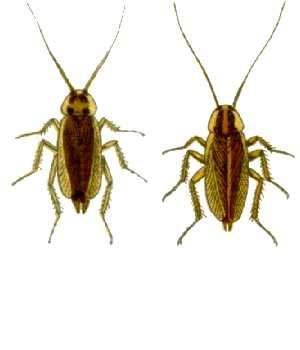
A total-release fogger aerosolizes a pyrethroid insecticide upward in a fine mist that then settles — on countertops, floors, dishes, toys, and every horizontal surface in the room. Note what’s missing from that flight path: the inside of anything. The mist does not meaningfully penetrate the crevice behind the cabinet, the void under the dishwasher, the hinge gap of the stove, the wall behind the outlet — which is to say, the actual address of every roach you’re bombing. German cockroaches spend upward of 75% of their lives packed into exactly those harborages, and a pyrethroid landing on the counter three inches away might as well have landed in another zip code. What the fog does reach: the handful of roaches caught in the open (they die, satisfyingly and irrelevantly) and your kitchen’s every food-contact surface (which now needs the washing the label commands and few perform). The core design mismatch is total: a surface-settling product versus a crevice-dwelling insect.
A fogger drives roaches deeper into voids and leaves the egg cases untouched, which is why it sets you back. The alternative is cockroach control in Dayton.
The Two Immunities: Crevices and Egg Cases
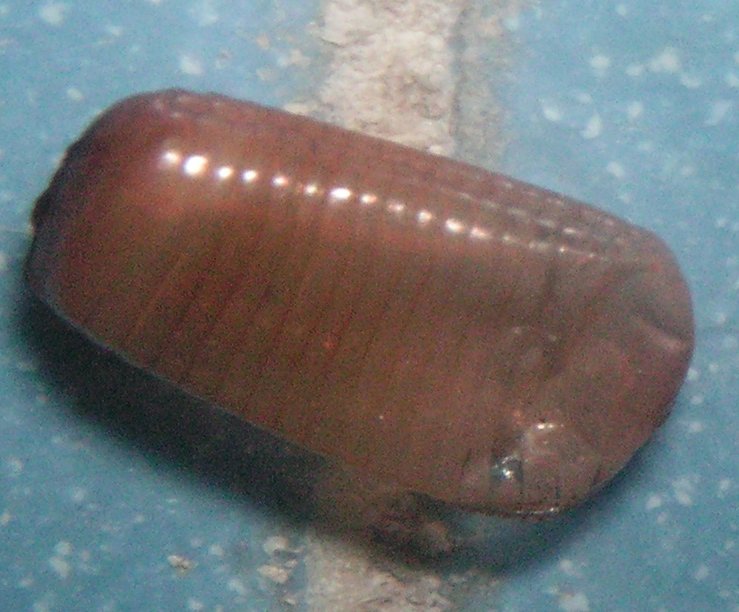
Even if fog reached a harborage, the population math holds two more trump cards. First, the ootheca — the leathery egg case each female German cockroach carries, holding 30–40 developing nymphs, sealed against anything airborne; no fogger formulation touches the eggs, so the generation in the pipeline hatches on schedule into your freshly bombed kitchen one to four weeks later (the full nursery story is on our baby cockroach page). Second, inherited resistance: decades of pyrethroid exposure have bred German cockroach populations that shrug off the fogger’s active ingredient at the doses that settle out of the air — the same resistance story that’s quietly degraded most consumer roach sprays. Between the crevice, the ootheca, and the resistance, the bomb’s effective kill is a fraction of the population — and the survivors get a lesson.
The Scatter Effect: How a Bomb Makes It Worse
Pyrethroids are repellent — roaches detect and avoid them — and a sub-lethal fog is functionally an eviction notice posted on the kitchen harborages. The documented result: populations disperse, out of the original concentration behind the dishwasher and into the walls, down the plumbing chases into the bathroom, through shared walls into the next apartment (ask any property manager about the post-bombing unit-to-unit wave), and into rooms that never had roaches. Where a contained kitchen problem was baitable in two weeks, a scattered building problem is a campaign. This is the cruelest part of the fogger story: the product doesn’t just underperform — it actively converts easy infestations into hard ones, while the debris field it leaves contaminates the very surfaces where bait would have worked (roaches won’t cross old pyrethroid residue to reach a bait placement). Every professional who’s inherited a post-bomb job knows the pattern; our own roach playbook opens with undoing it.
The Hazards on the Label Nobody Reads
Foggers carry real, documented risks that have nothing to do with roaches. Fire and explosion: the propellant is flammable, and pilot lights, sparking thermostats, and refrigerator compressors have ignited fogger clouds often enough that “fogger explosion” is a genre of local news story — the label’s extinguish-all-flames instruction is written in past incidents. Overapplication: the “more cans = more dead roaches” instinct (wrong on both counts) drives most fogger poisonings; one can treats a room, and people deploy six for an apartment. Exposure: re-entering early, skipping the airing-out, or failing to wash food-contact surfaces delivers pyrethroid exposure to the humans and pets the roaches survived — poison-control fogger calls dwarf any measurable benefit the products deliver. None of this makes foggers uniquely deadly; it makes them a real hazard purchased in exchange for near-zero pest benefit, which is the worst trade in the aisle.
The Boring $15 Alternative With the Spectacular Record
The same university studies that embarrass foggers consistently crown gel baits — the unglamorous syringes of bait placed in pea-sized dots exactly where roaches live. The logic mirrors everything the bomb gets wrong: bait goes into the crevices and hinge-gaps (no penetration problem), roaches carry it home and poison each other through droppings and secretions (a domino kill that reaches nymphs the fog never would), non-repellent formulations attract rather than scatter, and modern actives sidestep the pyrethroid-resistance story. Pair the gel with sticky-trap monitors to map the harborages, a caulk gun to erase them, and the sanitation discipline that makes bait the best food in the kitchen, and you have the professional protocol in miniature — the full version, placements and all, is on the get-rid-of-roaches page. Where the DIY version hits its ceiling — heavy infestations, multi-unit buildings, German cockroach populations that have beaten a bait cycle or two — the professional version adds insect growth regulators, rotated bait chemistries, vacuum removal of harborages, and the unit-to-unit coordination that apartment roaches actually require. What it never adds, in our trucks or anyone’s who knows this literature: a fogger.
Kitchen roaches outlasting your third bomb? That’s the expected result, not bad luck. Get a quote for the protocol that works — no theater, all dominoes. Serving Dayton and all of Montgomery, Greene, Miami, Clark, Warren, Butler, Preble, and Darke counties.
If You’ve Already Bombed: the Recovery Sequence
No shame — the marketing is persuasive and the reviews are novelty-window artifacts — but the cleanup order matters. First, decontaminate for humans: air the space thoroughly, wash every food-contact surface, run exposed dishes through the dishwasher, launder exposed fabrics, and mop the settled residue. Second, decontaminate for bait: the wipe-down does double duty, because gel placements near pyrethroid residue get avoided; degrease and clean the cabinet interiors, hinge areas, and appliance surrounds where placements will go. Third, wait and map: give the scatter a week to re-settle into harborages — sticky-trap monitors in cabinet corners, under sinks, and behind appliances will show you the new map, which post-bomb often includes rooms the roaches didn’t previously occupy. Fourth, bait the map — placements at every monitor that catches, refreshed weekly. Expect the recovery timeline to run a couple of weeks longer than a never-bombed job would have; that’s the fogger’s true cost accounting. If the monitors reveal a multi-room or multi-unit scatter, skip to the phone — coordinated placement across the whole footprint is the one thing DIY genuinely can’t replicate.
Why This Product Still Sells: a Two-Minute Autopsy
The fogger’s immortality is a psychology case study. It delivers visible ceremony — evacuation, countdown, the closed door — which feels proportionate to the disgust roaches provoke in a way that squeezing quiet dots of gel never will. It produces immediate bodies: the open-roaming roaches die on the floor, photographable proof of function, while the harborage population watches from the crevices. And its failure arrives on a delay — the ootheca hatch and the scatter surface weeks later, easily blamed on “new roaches” rather than the method. Ceremony, bodies, deniability: it’s the same novelty-window trap as the rodent repellent aisle, dressed in more drama. The gel bait syringe offers no ceremony, no immediate bodies, and total responsibility — and clears the kitchen. Choosing boring over cinematic is, in roach control more than almost anywhere, the entire skill.
The Renter’s Chapter: Bombs, Buildings, and Who Should Actually Act
A disproportionate share of fogger purchases happen in apartments, so this chapter earns its space. In multi-unit buildings the fogger’s scatter effect isn’t a side effect — it’s the main event: bombing unit 2B reliably donates the population to 2A, 2C, and 3B via plumbing chases and shared walls, after which the roaches rotate back once the residue fades. This is why experienced property managers ban foggers outright in lease language, and why Ohio landlord-tenant law makes structural pest problems in multi-unit buildings the landlord’s to treat — document the roaches (photos, dated sticky traps), report in writing, and push for coordinated professional treatment of adjacent units in the same week, which is the only version that works. A tenant’s $8 bomb doesn’t just fail; it can spread a problem that was legally someone else’s job into a building-wide argument about blame. If you’re the landlord reading this: unit-by-unit tenant DIY is the single biggest reason apartment roach problems become permanent, and the coordinated sweep — our property management program exists for exactly this — is cheaper than the churn it prevents.
The one-sentence version of this entire page, suitable for forwarding to whoever in your life is holding a fogger right now: the roaches live inside things, the fog lands on top of things, the eggs are fireproof either way, and the survivors move in with the neighbors — put down the canister and pick up the gel. Every study, every inherited post-bomb job, and every quietly cleared kitchen in our service history says the same thing.
(A scope note: everything above concerns total-release foggers. Professional ULV fogging — different equipment, different formulations, targeted use in commercial and vehicle contexts — is a separate tool with legitimate niches; the drugstore canister borrowed its imagery without inheriting its engineering.)
Frequently Asked Questions
Do roach bombs actually work?
Barely — university field studies found total-release foggers reduce German cockroach populations by little to nothing. The fog settles on surfaces while roaches spend 75%+ of their lives inside crevices it never penetrates, egg cases are immune outright, and decades of pyrethroid resistance blunt what contact does occur.
Can a roach bomb make an infestation worse?
Yes, in two documented ways: the repellent fog scatters concentrated populations into walls, bathrooms, and neighboring units — converting a baitable kitchen problem into a building problem — and its residue contaminates the surfaces where gel bait would otherwise work, since roaches avoid crossing old pyrethroid deposits.
Why are there still roaches after I bombed twice?
The bomb killed the few caught in the open and missed the harborages and every ootheca — each egg case releases 30–40 nymphs one to four weeks later, right on schedule. Serial bombing repeats the same miss while adding scatter and residue. The population isn’t stubborn; the method is mismatched.
Are roach foggers dangerous?
The documented hazards are real: flammable propellant ignited by pilot lights and compressors (fogger explosions are a recurring news genre), pyrethroid exposure from early re-entry or unwashed food surfaces, and routine overapplication — people deploy six cans where the label says one. Real hazard, near-zero pest benefit: the aisle’s worst trade.
What kills roaches better than a bomb?
Gel bait — the consistent winner in the same studies foggers fail. Pea-sized placements inside crevices where roaches actually live, a domino kill that spreads through the population, no scatter, no resistance shortcut. Add monitors, caulk, and sanitation and you’ve got the professional protocol’s core for about $15.
Do I need to wash everything after using a fogger?
Yes — the label requires washing food-contact surfaces, and the mist settled on all of them: counters, dishes, cutting boards, toys. It’s among the most-skipped label instructions in consumer pest control, and the main route of family exposure.
When is it time to call a professional for roaches?
Heavy infestations (roaches visible by day = saturated harborages), any multi-unit building (roaches move unit-to-unit through shared walls — coordination beats heroics), German cockroach populations that survived two well-run bait cycles, or a post-bombing scatter. The pro version rotates bait chemistries, adds growth regulators, and treats the building as the unit it is.
Are foggers good for anything?
For roaches, honestly: no scenario where they beat bait. Their broader record — fleas, bed bugs (catastrophically counterproductive — see our bed bug pages), spiders — runs the same surface-vs-hiding-place mismatch. The format is the flaw; the species barely matters.