Huber Heights is fenced-yard dog country — the brick ranches’ standard-issue chain-link and privacy fencing made this one of the region’s great backyard-dog towns — and the flea cycle here runs on exactly that geography. A fenced yard concentrates one dog’s entire outdoor life into a quarter acre: the shaded patio corner, the fence-line patrol route, the favorite digging spot under the shrubs — every one a flea nursery seeded and re-seeded by its own resident. Add the rabbit traffic that slips every fence in town, the slab construction that puts pet living at grade, and the single-family rental turnover that hands yards from one dog to the next, and the brick city’s flea file writes itself. Here’s the fenced-yard version of the program.
The Fenced-Yard Flea Machine
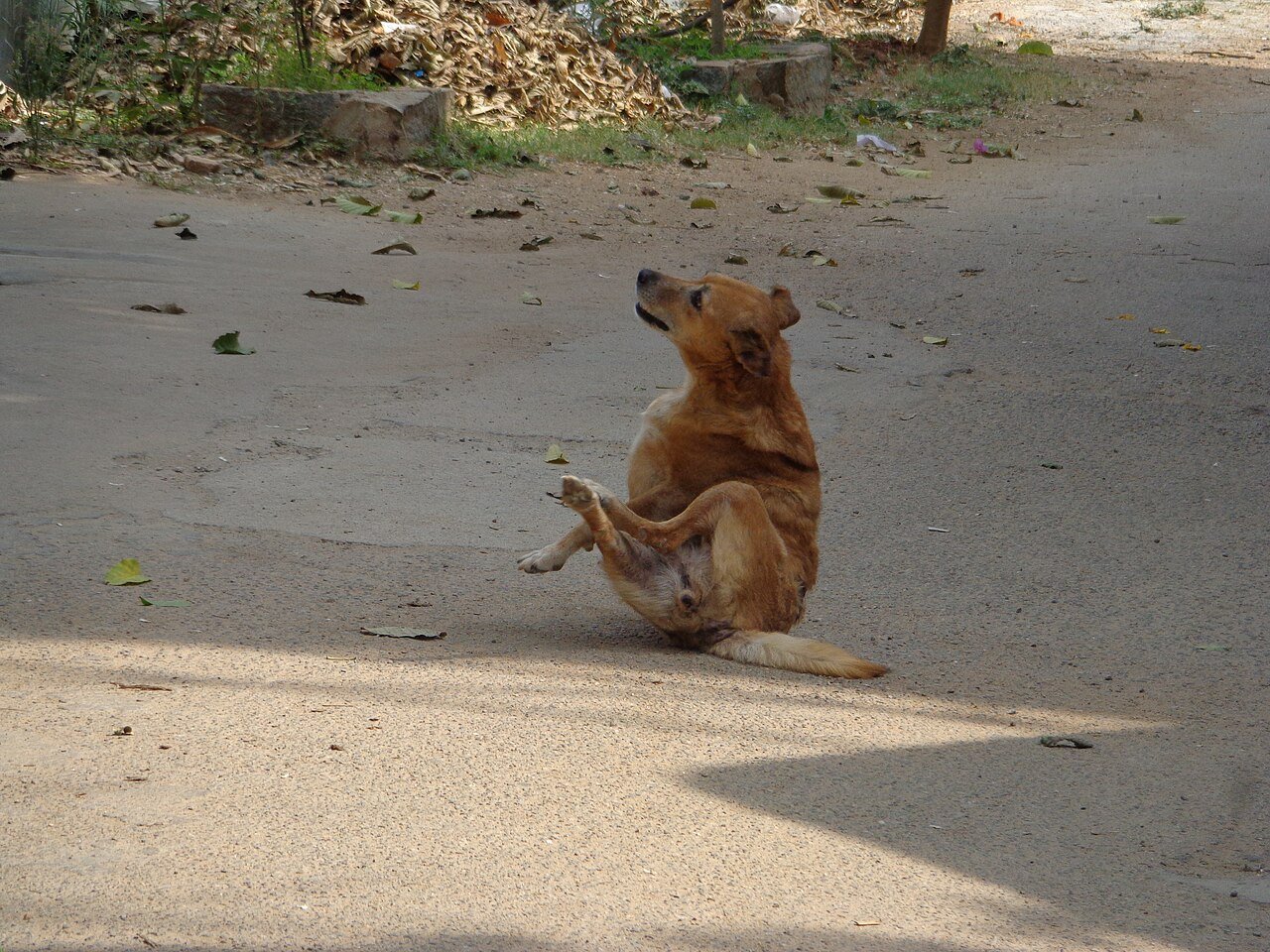
- The concentration effect: a fenced dog seeds its own quarter acre continuously — eggs rolling off along the patrol route, larvae maturing in the shaded margins — so the yard’s flea density runs far higher than any free-range equivalent. The dog is both the seeder and the harvest.
- The patrol-route nurseries: the fence-line track, the patio’s shade, under the deck stairs, and the dig spots — the humid, shaded, dog-frequented zones where larvae actually survive. Sunny lawn center: nearly sterile. The margins: production floor.
- The rabbit subsidy: chain-link stops dogs, not rabbits — the nightly traffic re-seeds even single-pet yards, and the under-shed and under-deck voids where rabbits shelter are the cross-contamination points.
- The turnover handoff: Huber’s single-family rental market passes yards dog-to-dog — and dormant pupae from the previous tenant’s pet wake for the new one (or the new family’s ankles) weeks after move-in. The premises history follows the house, not the household.
The Two-Front Program, Fenced-Yard Edition
The constants hold everywhere: every pet on veterinary preventives (modern orals and spot-ons kill boarding fleas in hours, and one untreated animal — the indoor cat, classically — sustains the whole cycle solo), and the premises treated simultaneously (interior adulticide plus insect growth regulator across the carpet zones, pet routes, and the car, with the honest two-to-four-week pupal-window briefing and the follow-up visit landing inside it). The fenced-yard tuning is where Huber jobs are won: the yard treatment maps the dog’s own geography — growth regulator on the patrol route, the patio and deck shadows, the dig zones, and the fence line, skipping the sunny center that never sustains larvae anyway — and the counsel closes the rabbit file: skirt or screen the under-deck and under-shed voids, and the cross-contamination points close with them. Slab construction helps, for once: no crawl space means one less reservoir, and grade-level pet doors and patios concentrate the treatment surface where the flashlight can see it. The full campaign lives at how to get rid of fleas, evidence checks at signs of fleas, and the ankle-bite overflow pattern at do fleas bite humans.
The Rental Handoff (Both Sides of the Lease)
The turnover market earns its own file. Tenants: the move-in flea eruption — bites and sock-test leapers two to three weeks after the lease starts, no pet required — is dormant-pupae premises history, our written findings document it, and the landlord-funded premises treatment is the correct fix under the same habitability logic as every other inherited infestation. Owners and managers: the between-tenant premises treatment on any unit that housed pets — growth-regulator application while the unit sits empty, the cheapest window that will ever exist — converts the handoff problem into a checklist item, and we run it on turnover schedules alongside the bed bug turnover inspections the same portfolio typically books. Either way the biology is indifferent to the lease: pupae wait months, wake to footsteps, and bill whoever’s standing there — the paperwork just decides who pays for the fix.
The Huber Heights Calendar and Bottom Line
The season builds from May, peaks through the humid stretch of July into September — when the patrol-route nurseries hit full production — and persists indoors all winter wherever autumn seeding met the furnace. The windows: spring preventives on every animal before the wave; summer yard treatment mapped to the dog’s geography; fall premises knockdowns for households that fought through August; and turnover treatments in every between-tenant gap. One flat price covering both fronts and the yard mapping, vet coordination on the animal side, rental documentation where the lease requires it, and the guarantee behind all of it: the service at flea treatment — and the brick city’s whole file at Huber Heights pest control.
The Dog’s Yard Fighting Back?
We treat the patrol route, close the rabbit file, and sterilize the indoor pipeline — coordinated with your vet, flat-priced, and guaranteed across Huber Heights.
Frequently asked questions
Why does my fenced Huber Heights yard have such a bad flea problem?
The concentration effect: a fenced dog seeds its own quarter acre continuously along the patrol route, patio shade, and dig zones — flea density runs far higher than any free-range equivalent, with rabbit traffic re-seeding through the fence nightly.
Where should flea treatment actually go in a fenced yard?
The dog’s own geography: the fence-line patrol track, patio and deck shadows, dig spots, and under-structure voids — the humid shaded zones where larvae survive. The sunny lawn center is nearly sterile and doesn’t need a drop.
Do rabbits really get through the fence and bring fleas?
Nightly — chain-link stops dogs, not rabbits, and the same flea species runs both animals. Skirting or screening the under-deck and under-shed voids closes the cross-contamination points.
We moved into a Huber rental and got fleas with no pet — how?
Dormant pupae from the previous tenant’s dog waking to new footsteps two to three weeks in — the premises history follows the house. Our written findings document it, and landlord-funded premises treatment is the correct fix.
The dog is on a preventive — why do we still see fleas?
The environment’s 95 percent — eggs, larvae, and pupae in the yard’s nurseries and the carpet — conveys doomed new fleas onto the treated dog for weeks. The premises front closes what the preventive can’t, and the pupal-window stragglers are the program finishing.
Does slab construction change flea treatment?
It helps: no crawl space means one less reservoir, and grade-level pet living concentrates the treatment surface where it can be seen and covered. The brick ranch is among the easier flea houses in the region — the yard is where the work is.
Should rental owners treat for fleas between tenants?
Any unit that housed pets, yes — a growth-regulator premises pass while the unit sits empty is the cheapest window that will ever exist, and it converts the dog-to-dog yard handoff into a checklist item. We run it on turnover schedules.
What does flea treatment cost in Huber Heights?
One flat price covering the interior program, the yard mapped to the dog’s geography, and the written rabbit-and-void counsel — follow-up visit included, vet coordination on the animal side, and rental documentation where the lease requires it.