Trotwood’s rebuilt streets run an ant experiment nobody designed. Where the 2019 tornado took homes, the replacements sit on regraded, resodded lots — disturbed ground with its insect ecology reset to zero — but unlike a new subdivision, each of those lots sits directly beside yards that kept their 1960s soil, their mature colonies, and their sixty-year-old ant networks intact. Ant control in Trotwood is shaped by that adjacency: a fresh lot bordered by established colonies doesn’t get the slow multi-year colonization a big new subdivision sees — it gets annexed, fast, by neighbors with a head start. We call it the patchwork street, and it explains the calls that puzzle rebuilt-home owners every spring: a two-year-old house with a ten-year-old ant problem, inherited across the property line.
How Annexation Works
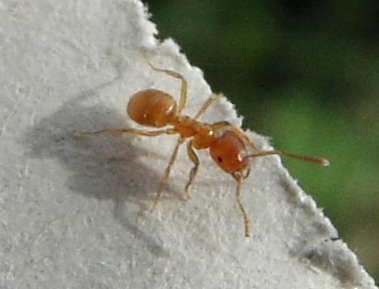
Established odorous house ant networks — and the patchwork’s old lots carry them in quantity — expand by budding: satellite nests planted outward from the parent wherever moisture and habitat allow. A regraded lot next door is prime expansion territory precisely because it’s empty: no competing colonies, fresh mulch beds holding irrigation moisture, and a new foundation whose settling cracks and utility penetrations haven’t been discovered by anything yet — a vacuum with amenities. The annexation typically lands in year one or two, not year three: foragers cross the line the first wet spring, satellites follow into the new beds by summer, and by the second season the rebuilt lot is a full district of the old network. Pavement ants run the same expansion along the new flatwork — fresh expansion joints beside colonized old driveways get found within a season. The upshot inverts the usual new-construction advice: on a patchwork street, the new house needs its perimeter defense early, because the neighborhood’s ant infrastructure never went anywhere.
Reading a Patchwork Lot
Diagnosis here starts at the property lines. Trails on a rebuilt lot almost always trace to a source across a boundary — the established mulch beds next door, the old lot’s foundation line, the fencerow that survived the storm — and treatment that ignores the source is mowing the lawn of a problem that regrows from the roots. Our patchwork protocol pairs the two halves: non-repellent baiting along the shared boundary and trail corridors (chemistry the network carries back to parents we can’t see and weren’t hired to find), plus the new lot’s own perimeter and bed treatment to make the annexed territory unprofitable. Where neighbors cooperate — and on streets that went through the storm together, they usually do — treating both sides of the line at once ends in one season what one-sided work chases for three.
The Trotwood Program
- Boundary-first treatment: non-repellent bait lines along the shared property edges and trail corridors — aimed at the network, not just the visitors
- New-lot defense: perimeter treatment, bed-moisture counsel, and early door-sweep-and-seal work on foundations whose gaps are still being discovered
- Neighbor-pair service: both-sides-of-the-line treatment where owners cooperate — the patchwork’s cheapest permanent fix, priced to encourage it
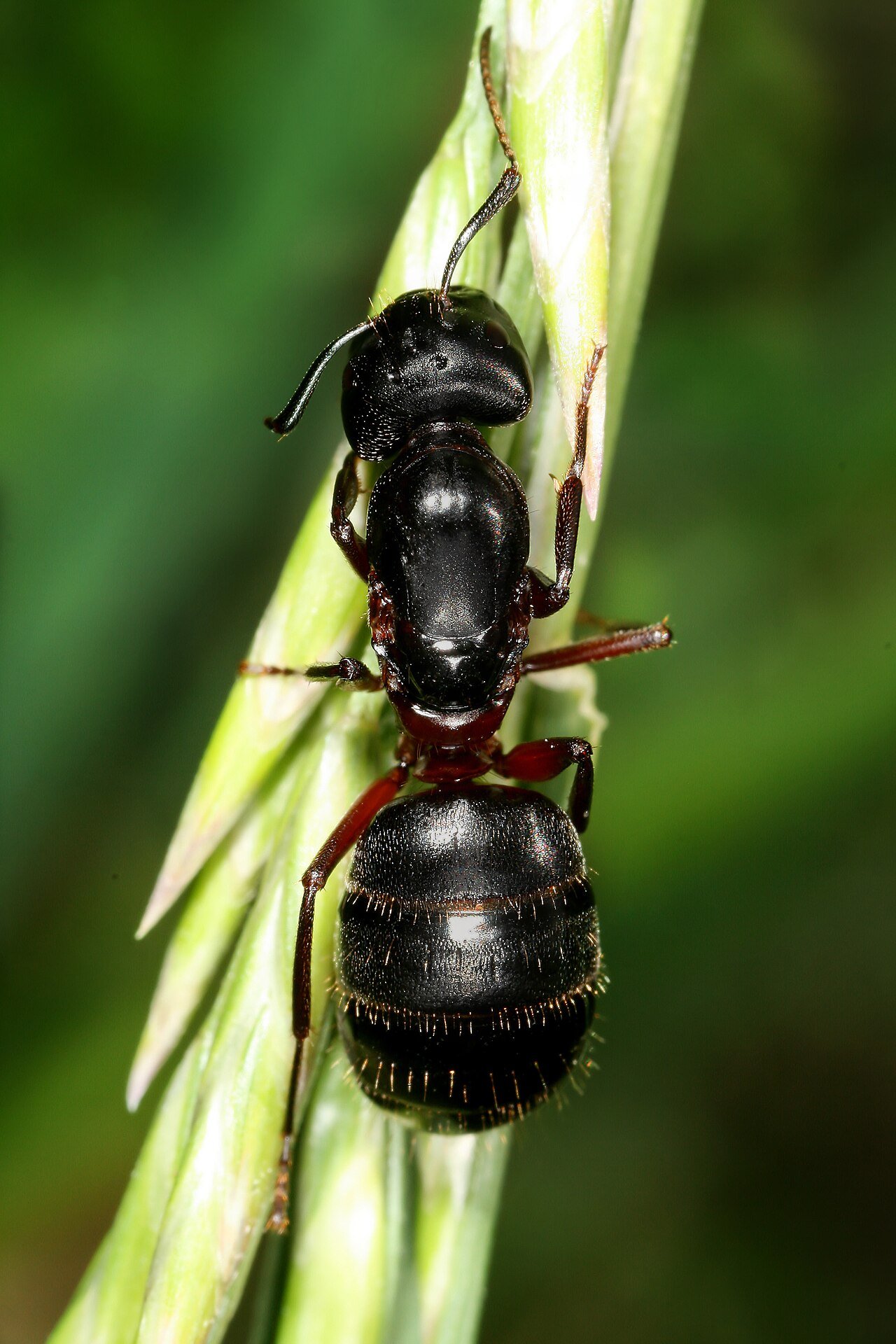
- The rural west file: the big parcels run the field-margin calendar — spring surges, post-harvest tightening, and the carpenter ant check along the old fencerows
The patchwork logic runs through every file on these streets — the same adjacency that annexes ant territory drives the wasp reservoir and shapes the split protection map — and the honest through-line is the same everywhere: on a street where old biology borders new construction, the property line is a fiction the insects never signed. Programs that treat the street’s actual ecology beat programs that treat the deed map, every season. The town’s full file lives on our Trotwood service page.
Treat the Street’s Real Map
One visit reads your lot’s boundaries, traces the trails to their actual sources, and sets the protocol that fits the patchwork — including the neighbor-pair pricing that ends annexation in one season instead of chasing it for three.
Frequently asked questions
Why does my two-year-old rebuilt house already have a serious ant problem?
Because you inherited the street’s: a regraded lot beside established yards gets annexed by sixty-year-old ant networks, not colonized slowly from scratch. Foragers cross the first wet spring, satellites follow into the new mulch, and by season two your lot is a district of the old network.
The trails come from my neighbor’s yard — can anything actually be done?
Yes — non-repellent bait along the boundary and trail corridors travels home to the parent colony wherever it sits. And where neighbors treat both sides of the line together, the patchwork’s problem ends in one season instead of being chased for three; we price the pair visit to encourage it.
Should I spray the trail crossing my patio?
No — repellent sprays split budding species into more satellites, and on a patchwork street they push the network deeper into both properties. Baits the workers carry home are the chemistry that ends networks; sprays are the chemistry that multiplies them.
Why did ants find my brand-new driveway joints so fast?
Adjacency again: pavement ants from colonized old flatwork next door discover fresh expansion joints within a season — the new concrete is empty real estate one lot away from a full city. Granular baiting across the joint season keeps the annexation unprofitable.
What should rebuilt-home owners do differently from new-subdivision owners?
Start defense early instead of waiting for year three: perimeter treatment, bed-moisture discipline, and sealing work in years one and two — because unlike a mass-graded subdivision, your seed sources are twenty feet away with a head start.
Are the ants on the rural west side the same problem?
Different file: the big parcels run the field-margin calendar — wet-spring surges, post-harvest tightening, and carpenter ants working the surviving fencerows. Same honest tools, different map, and the free photo ID sorts any species question first.
Do big black ants near the old fencerows mean house damage?
Only if they’re residents: a trail in from the fencerow is foraging — bait and exclusion; frass piles or rustling in a wall void mean a satellite moved into moist wood, which is the structural conversation. The night test and the inspection settle it honestly.
What does ant control cost in Trotwood?
Flat-priced programs with the boundary-first protocol built in, neighbor-pair rates that beat two solo treatments, and the standing honesty that on a patchwork street the deed map isn’t the treatment map — we quote to the ecology, not the parcel lines.