
West Manchester anchors its corner of northern Preble County the way grid villages always have — a crossroads cluster of homes, church, and township hall with the sections running to the horizon on every side. It shares the north county’s pest file with Eldorado and the Lewisburg country: old frame stock on cellar-era foundations, outbuildings behind the lots, and the rural calendar delivered at full strength by the surrounding ground. Greater Dayton Pest & Rodent covers West Manchester and its township lanes on the northern Preble route days — every service on this site, no mileage lines, the guarantee in writing.
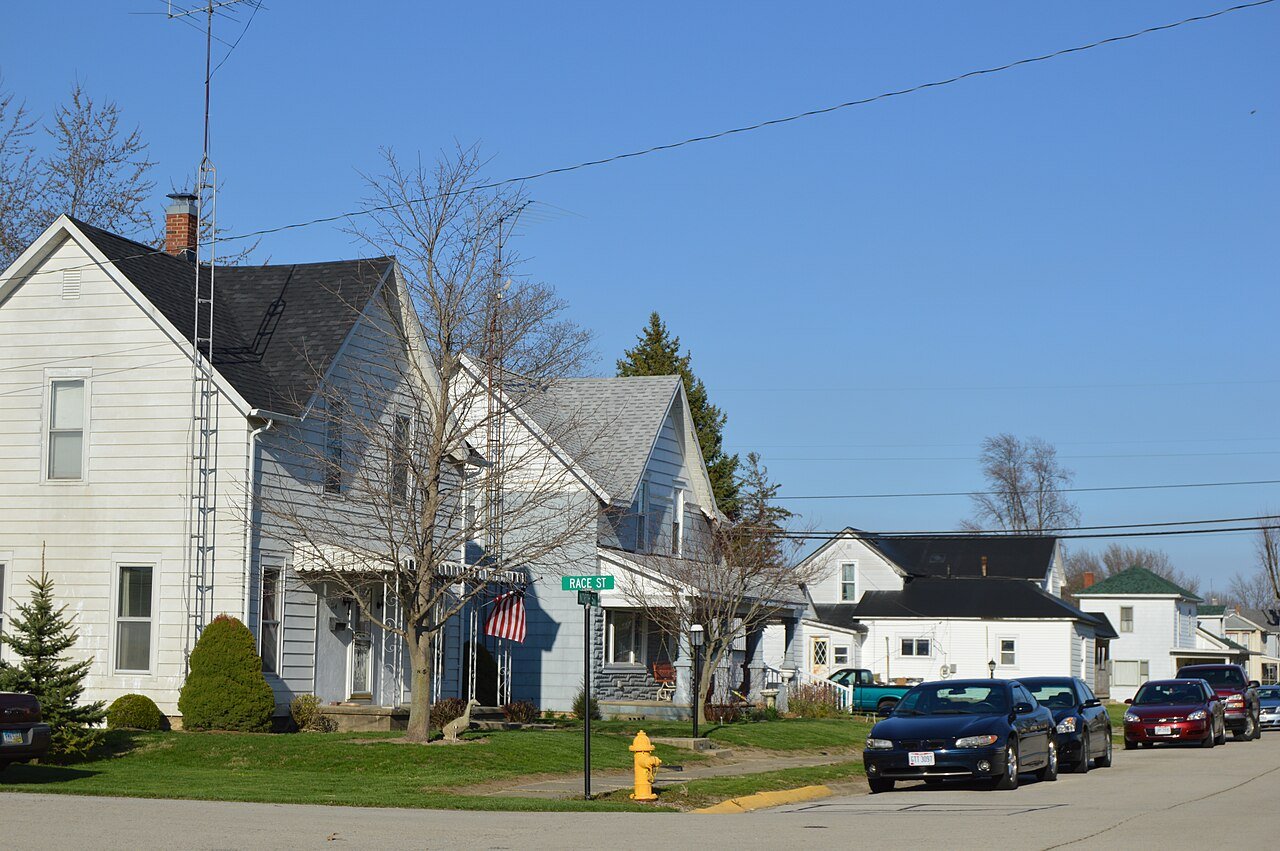
The crossroads file
The village’s pest chapters read like the county hub’s in miniature. Old-stock exclusion: the frame houses’ stone and early-block cellars meet the fall mouse push with a century of softened mortar, and the mortar-mesh-steel craftsmanship that fixes them permanently is the highest-value work we do on these streets. The concentrated-pressure paradox: as the Eldorado page lays out, grid-village houses take the sections’ full attention undiluted — the harvest push, the lady beetle and cluster-fly flights onto sunny siding, the barn wasp economy thirty feet from the kitchen — which makes the September barrier-and-exclusion visit the strategic anchor of the village year. And the campus reading: most lots carry outbuildings, and every quote scopes the property rather than the front door, feed and shop rooms hardened first wherever animals or grain are part of the picture.
The West Manchester playbook
- September first — the pre-harvest barrier visit; the village’s one essential appointment
- Old-stock exclusion — permanent work on the cellar-era foundations
- Campus scoping — house plus outbuildings on every quote
- Photo-first diagnostics — the free ID line keeps north-county visits to one trip
- Neighbor route days — the village, the church, and the lanes coordinated onto shared schedules
A West Manchester seasonal calendar
- March–May: village ants wake; termite swarm season in the frame stock — winged insects photographed same-day; cluster flies exit the attics
- June–August: outbuilding wasps scale; carpenter bees drill the boards; the grid’s insect economy webs the porch lights
- September–October: harvest mice and the invader flights arrive on the same calendar; the September visit meets the wave
- November–February: interior mouse season; sunny-day cluster flies; exclusion carpentry weather
West Manchester questions we hear
Same question as our neighbors: will you actually keep coming this far north?
Same answer, kept in writing: West Manchester rides the scheduled northern route days with Lewisburg and Eldorado — trucks already working the corridor, jobs booking a day or two out, follow-ups and guarantees on the same rhythm, zero mileage lines. The north county’s history with distant vendors is exactly why the route system exists, and the county page spells out the whole commitment. Calendars beat promises; ours is printed.
The church and township hall need service too. Do institutions this small get programs?
Sized honestly, yes — small institutional buildings get scheduled programs matched to their actual pressure (often quarterly, sometimes just the September-and-spring pair), documentation written for boards, treatments timed around services and meetings, and the family-safety placement standards as default. Village institutions are village anchors, their old structures carry the same cellar-and-belfry realities as every crossroads in the county, and one coordinated route day can cover the sanctuary, the hall, and half the street besides. Committees welcome; we quote in writing they can file.
Preble coverage: county hub · Eldorado · Lewisburg · New Paris · full service area.
The multigenerational-house chapter
The north county keeps its houses in families — the same farmhouse holding three or four generations is normal around West Manchester — and inherited houses carry inherited pest histories worth reading deliberately. The pattern we meet: each generation manages the problems it noticed and normalizes the ones it grew up with, so the fall mice become “just what the house does,” the January cluster flies become weather, and the porch wasps become tradition — while the underlying entries and moisture patterns compound quietly for decades. The inheritance moment (a house passing to the next generation, or a family deciding the old place deserves investment) is the natural reset: one thorough campus inspection producing the complete written map — every entry, every moisture flag, every normalized problem named as fixable — and a prioritized plan the family works through at its own pace, permanent items first. We run these generational resets across the county and they are among the most satisfying work we do: fifty years of “just what the house does” converted into a two-page checklist and a quiet house, usually for less than the family expected. The old places out here have earned their keepers; the reset is how the next fifty years start right. (937) 569-3330 — the walk and the map are free.
The bottom line for West Manchester
Crossroads villages built the county, and this one gets the county’s full service: scheduled northern route days, September defense timed to the sections, permanent exclusion on the old stock, campus reads on every lot, and the written guarantee that does not shrink with the population sign. Free quotes, free photo identification, Saturdays by appointment — the north county is on the map, name by name, and West Manchester’s is printed right where it belongs.
What pests actually top the call list in a village like this?
Ranked from our north-county route logs: mice first and by a distance — the old cellars plus the harvest push make rodent work the village staple, answered exclusion-first every time; wasps second — porch and outbuilding colonies at the scale open country grows them; the fall invader trio third — cluster flies, lady beetles, and stink bugs on the sunny walls, all answered by the same September barrier; ants fourth — the kitchen species in the village stock, bait-led always; and termites fifth in frequency but first in stakes, the old-frame risk that keeps annual inspection on the older houses’ calendars and WDI reports in every property transfer. The whole list shares one property: every item is cheapest the week it is noticed, which is why the free photo line is the most-used service this page offers.
Who actually turns up in West Manchester: Greater Dayton Pest & Rodent is owned and operated by Bryan Camden, licensed by the Ohio Department of Agriculture — firm #115079, commercial applicator #170858, categories 10A, 10B and 12. When you call, you talk to the person who does the work. No call center, no rotating crews, and the same technician on every visit.
Frequently asked questions
Do you provide pest control in West Manchester?
Yes — the small northern Preble village rides the western rotation; full program throughout.
What pests are most common in West Manchester?
Belt standards: harvest surges, older-core mice, farmstead wasps, stored-grain files, September flights, deer-mouse outbuildings.
How much is pest control in West Manchester?
County formula: most homes $39–$55/month quarterly; campuses walked; free: (937) 569-3330.
What drives the annual fall mouse wave?
The belt equation — harvest displacement plus frost through older doors; September masonry-grade sealing answers it.
Do you treat the surrounding operations?
Campus model — systems quotes, harvest calendars, grain protocols.
How fast can you reach West Manchester?
Weekly rotation — days typically, no travel charges.
Do you serve village businesses?
Yes — the local spots and ag operations, matched programs, documentation.
What about barn wasps and globes?
The farmstead file: eave combs on patrol, globes triaged honestly — frost verdicts for remote, protocol for traffic.
Is the Protection Plan right here?
Farm-adjacent majority, yes; first-call triage honest for the rest.
How do I start service in West Manchester?
Instant quote, free photo ID, or (937) 569-3330 — free estimates, route days weekly.