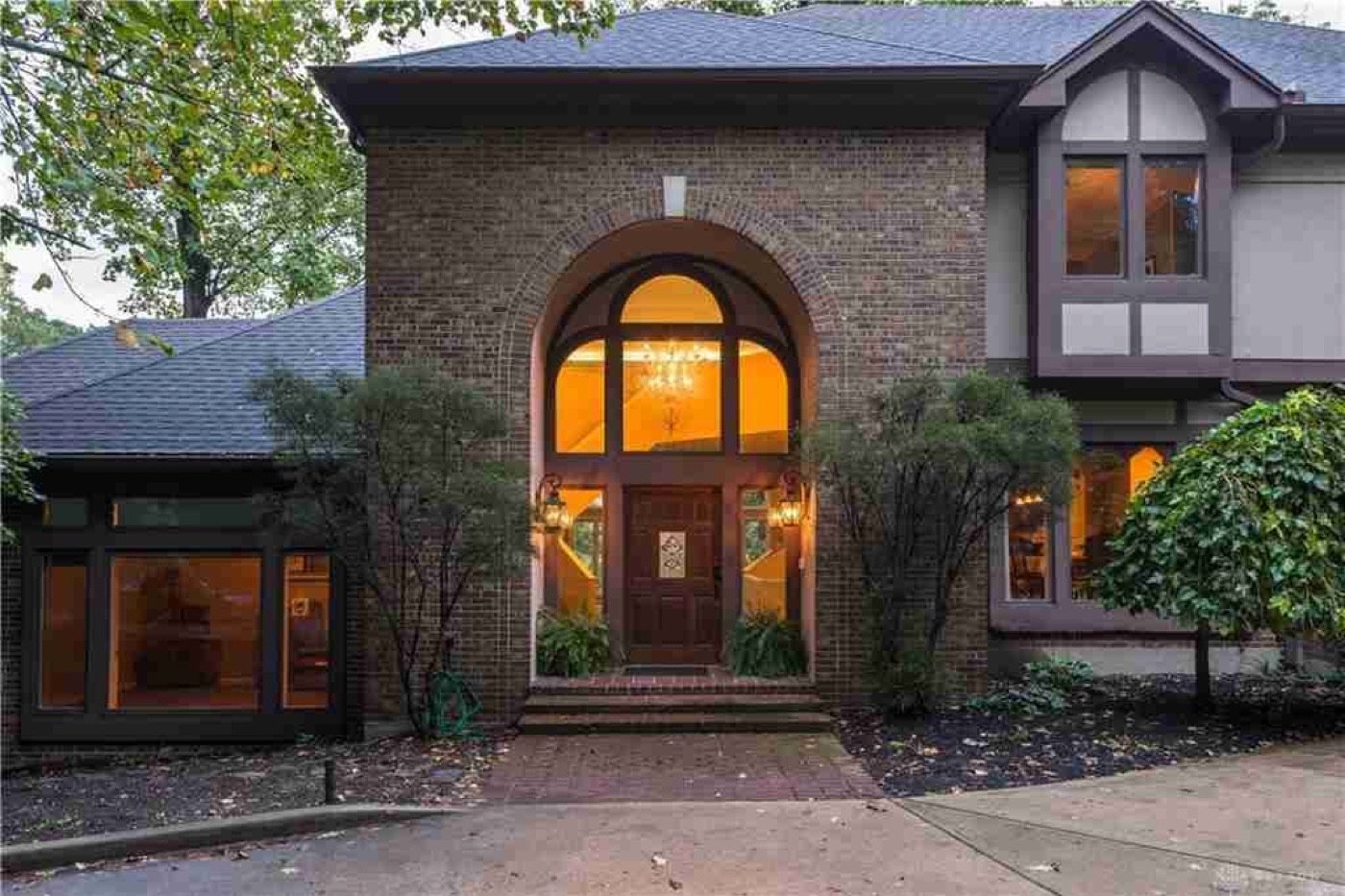
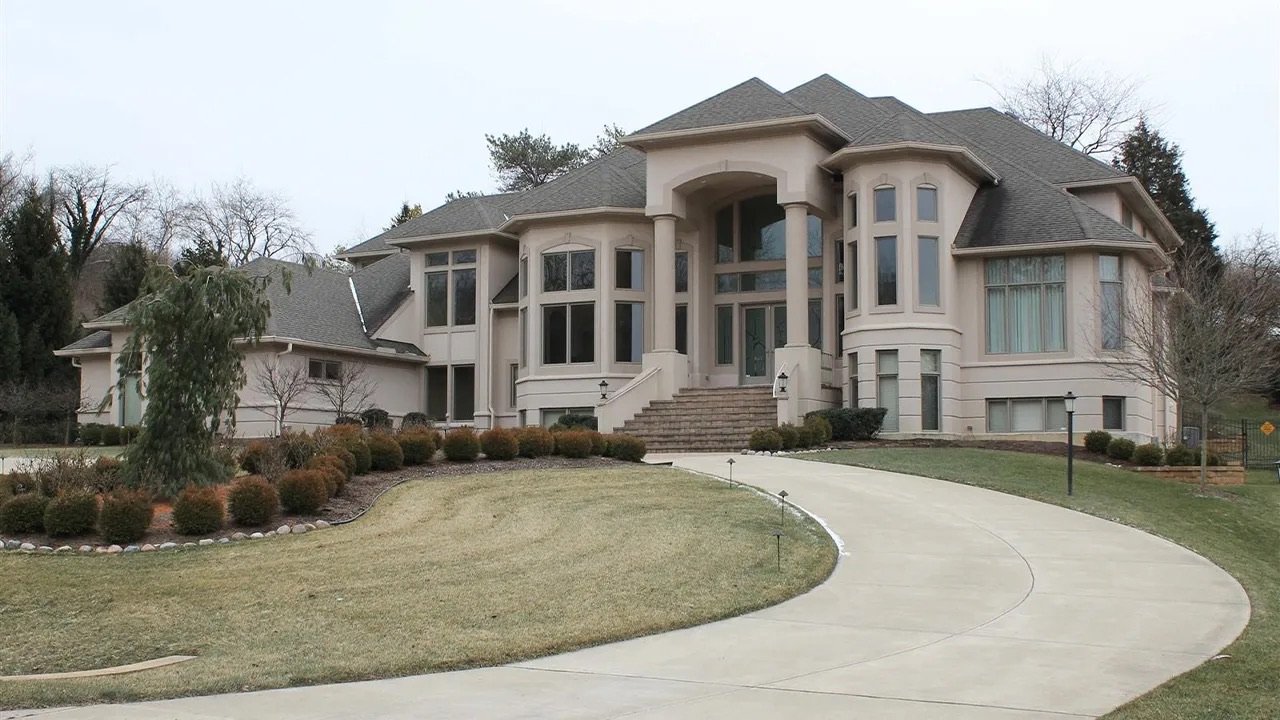
Washington Township and Centerville hold some of the largest and best-built homes in the Miami Valley — brick and stone estates on generous wooded lots, executive homes backing to preserved green space, and custom builds with the square footage, rooflines, and landscaping to match. Pest control at this scale is a different job than treating a starter ranch, and companies that pretend otherwise miss things. Bigger envelopes have more penetrations. Estate lots border more habitat. Finished lower levels, outdoor kitchens, irrigation systems, and three-car garages each add their own pressure points. We service these neighborhoods constantly, and this page is the honest field guide: what larger homes here actually face, and how we protect them.
Why square footage changes the pest math
Every home is a sealed envelope with holes in it; a large home simply has more of both. Twice the foundation perimeter means twice the mortar joints, weep holes, and utility penetrations. Complex rooflines multiply the valleys, dormers, and eave returns where wasps nest and where flashing ages into attic access. Multiple HVAC zones mean multiple line-set penetrations; whole-house generators, irrigation controllers, landscape lighting, security conduit, and pool equipment each add their own drilled hole through the wall, and almost none of them were sealed with pests in mind. Meanwhile the interior offers something smaller homes cannot: distance. A mouse in a 5,500-square-foot home can live for months in a guest wing, a storage room, or above a theater ceiling without crossing paths with the family. Problems here are not more common — they are quieter, and quiet problems grow.
The practical consequence: inspection density matters more than product. Our first visit to a larger home is methodical — the full perimeter at the foundation line behind the plantings, every roofline face with optics, every mechanical penetration, the garage bays, the lower-level walkout seams, the crawl or slab transitions under additions and sunrooms — because on a big envelope, the entry is always specific and almost never where the sighting was.
The estate-lot effect: rural edges and wooded borders
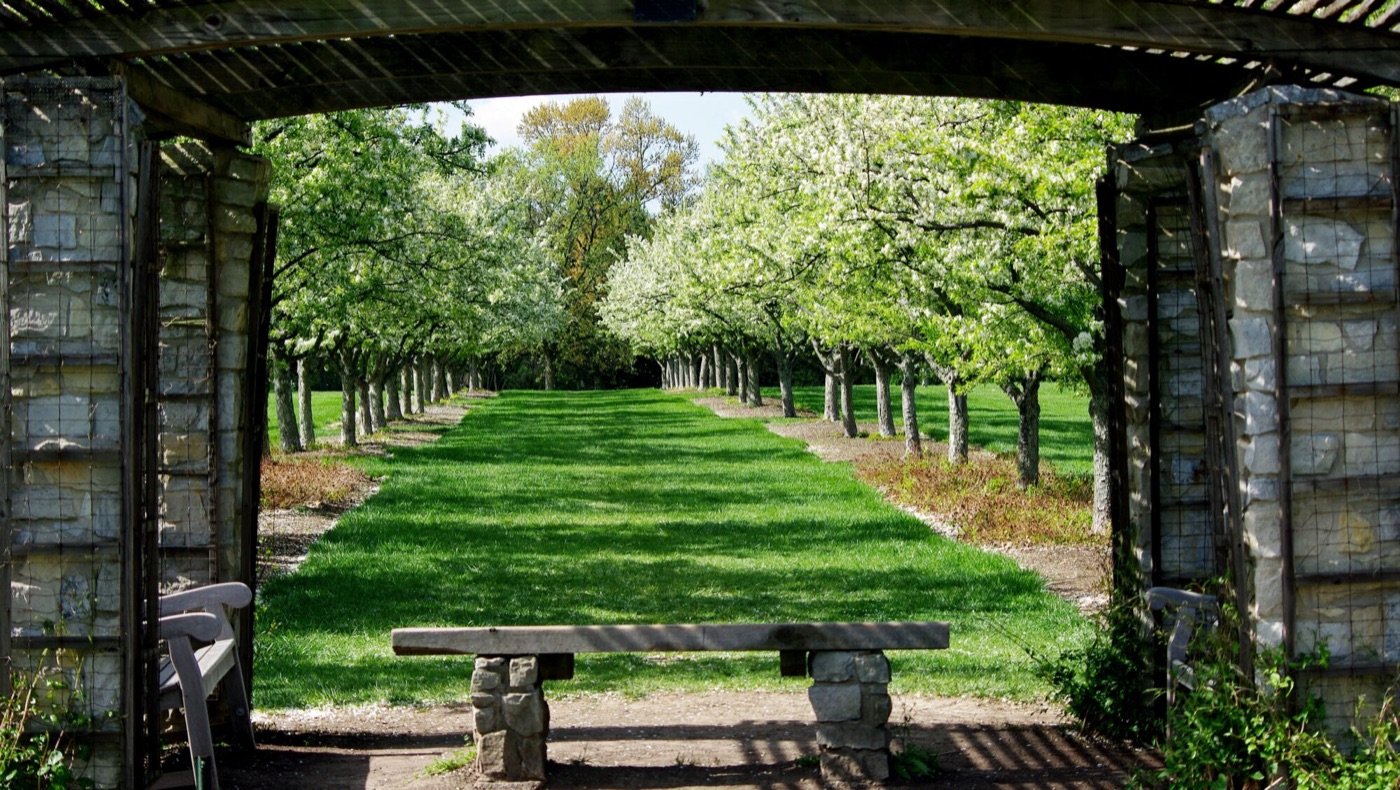
The setting that makes these neighborhoods desirable — wooded lots, creek corridors, the preserved land around Grant Park, Bill Yeck Park, and Cox Arboretum, the open field edges toward Sugarcreek — is sustained pest habitat, and the rural seam is why spider pressure runs famously high across Washington Township and Centerville. Field and deer mice populations in the wood lines push into structures every fall. Healthy insect life keeps orb weavers, wolf spiders, and cellar spiders working every exterior light and walkout well. Moles run the irrigated lawns from the surrounding turf. Ticks ride deer through every unfenced treeline. None of this is a defect of the neighborhood; it is the price of the view, and it is entirely manageable with a defended perimeter on a schedule that respects how permanent the pressure is.
Luxury-home features and what each one invites
- Stone and brick veneer — weep holes at the base courses are working drainage and open doorways; we screen them with stainless inserts that keep the drainage and lose the mice and wasps
- Finished lower levels and walkouts — the walkout seam where poured wall meets framed wall is a favorite ant and mouse route; theater rooms and wine cellars are dark, quiet, and rarely disturbed — exactly what spiders and camel crickets want
- Outdoor kitchens and entertainment areas — grease, crumbs, and water in one place: yellowjacket magnets in late summer, ant trails all season, and mouse harborage under built-in cabinetry each winter
- Pools and water features — every wasp and hornet colony within range uses them as a water source; equipment vaults and slide voids shelter rodents and spiders
- Irrigation systems — consistent moisture grows the earthworm and grub buffet that moles follow, and keeps mulch beds damp against the foundation
- Extensive landscape beds — deep mulch against stone hides the foundation line, holds moisture, and highways ants; we ask for a visible reveal strip, every time
- Three-car garages — three overhead doors, twelve seal corners; the most common rodent entry on any large home, luxury or not
- Cedar, deck structures, and pergolas — carpenter bee territory every May and June (carpenter bee service)
The lineup, ranked by what these homes actually call about
- Spiders — the signature complaint of the rural seam; lights, walkout wells, garage corners, and lower levels (spider control)
- Mice — the fall push off the wood lines; quiet wings and storage rooms let populations establish unheard (rodent control)
- Moles and voles — irrigated estate turf bordering fields and woods is the perfect storm (mole control)
- Wasps, hornets, and yellowjackets — complex rooflines, pools, and outdoor kitchens (wasp & hornet removal)
- Ants — odorous house ants off the mulch beds; carpenter ants off the wooded edges (ant control)
- Ticks — treeline yards with deer traffic; managed with margin treatments and habitat edges
- Mosquitoes — creek corridors and irrigated shade (mosquito control)
- Termites — see below; at these home values, the one to take most seriously (termite control)
Protecting a high-value asset from termites
A termite colony does not know what the house is worth, but the repair bill does. Larger homes carry specific termite exposures: long foundation perimeters with landscape grading that has crept up the wall, slab porches and patios poured against the structure, wood elements meeting hardscape, crawl transitions under additions, and the moisture that irrigation and mature shade hold at the soil line. Subterranean termites in Ohio work invisibly from soil to sill; on an estate home the smart posture is monitoring before evidence, not response after it. We are Ohio 10B licensed for treatment and Category 12 licensed for wood-destroying-insect inspections — the same NPMA-33 reports lenders require — and we build annual inspection into every larger-home program we write. It is the cheapest line item on the page and protects the largest number.
Service that fits the household
Larger homes come with fuller calendars, and often with the people who keep them running — cleaners, landscapers, nannies, contractors mid-project. Our service model is built to slot in quietly: scheduled windows you can actually plan around, technicians who work gate codes and side entrances without being walked through them twice, coordination with your landscaper on mulch lines and irrigation timing when the treatment plan calls for it, and communication the way you prefer it — text updates to the homeowner, or reports to the house manager, or both. Discretion is default: unbranded conversation at the door, treatments staged so pool parties and dinner guests never know we were there, and product placements that assume children, dogs, and a vegetable garden until told otherwise.
For families who travel — snowbirds, second homes, long summers away — we run vacant-home monitoring: scheduled visits with monitoring devices inside, a walk of the envelope outside, and a photo report each time. An empty house is a quiet house, and quiet is when rodent and wasp problems establish. Coming home to a report history beats coming home to a surprise.
A Washington Township & Centerville seasonal calendar
- March–May: mole ridges follow the thaw across irrigated turf; ant trails reach kitchens off the warming mulch beds; wasp queens scout rooflines and pergolas; carpenter bees drill cedar in May; termite swarm season — free ID on any winged insect indoors
- June–August: spider season builds toward its peak; yellowjackets discover the outdoor kitchen and the pool; mosquitoes hold the shaded, irrigated corners at dusk; hornet colonies at the treelines reach full size
- September–October: the fall mouse push off the wood lines — the single most important month for exclusion on estate lots; fall invaders mass on sunny stone; final mole surge; spider egg sacs go into every protected corner
- November–February: interior activity surfaces in the quiet wings; the best season for exclusion carpentry, attic checks, and vacant-home monitoring
Questions we hear from larger-home owners
We seem to have more spiders than anyone we know. Why?
Location and lighting. The rural seam keeps the insect food supply high, and larger homes carry more exterior lighting than any other housing type — every fixture is a nightly buffet that spiders web by morning. The fix is a scheduled perimeter and eave treatment (which removes the webs and the builders), plus a lighting tweak: warm-temperature LEDs draw measurably fewer insects. Township homes on our quarterly program see the difference in the first cycle.
Can you treat without disturbing the landscaping investment?
Yes — carefully and by design. Applications go to the foundation line, entries, and specific harborage, not across ornamental beds; pollinator plantings get stand-off buffers; and where the plan needs a change (mulch pulled back from stone, a limb off the roofline), we flag it for your landscaper rather than improvising with a pruner. The landscape is part of the property value; treating it as an obstacle would be malpractice.
Is a quarterly program worth it on a home like this?
Usually, and here is the honest reasoning: the pressure on an estate lot is permanent, the envelope is large, and the cost of quiet problems — a mouse population in a guest wing, termites behind a buried grade line — scales with the home. A quarterly exterior defense plus annual termite inspection is modest insurance against expensive surprises. That said, if you call us for one wasp nest, we will treat one wasp nest; nobody here is paid to oversell.
The unused-wing problem, in detail
Because it is the most distinctive failure mode of larger homes, it deserves its own section. Pest detection in a normal house is accidental and fast: the kitchen is thirty feet from everything, so droppings, sounds, and sightings surface in days. A larger home breaks that alarm system. Guest suites used twice a year, bonus rooms over garages, storage wings, mechanical rooms nobody enters between filter changes — these are low-traffic, food-adjacent-enough, climate-controlled habitats where a mouse family can run three generations before anyone hears a thing. By the time evidence reaches the lived-in rooms, the population is established and the cleanup is bigger than it needed to be.
The counter is deliberate surveillance: monitoring devices placed in the quiet zones and checked on a schedule, seasonal walk-throughs of the wings that daily life skips, and attention to the attic and mechanical spaces above them. It is fifteen minutes per visit that replaces the alarm system square footage took away — and it is standard in every larger-home program we write, because we have opened too many pristine bonus rooms to find a winter’s worth of activity above the theater ceiling.
Why neighbors here choose us
There are bigger names, and there is the local company whose owner answers the phone. We are Ohio licensed (Pesticide Business License #115079; applicator #170858 — categories 10A, 10B, and 12), insured, and genuinely local: office on Salem Ave, routes through Centerville and the Township every week, and a habit of photographing our service neighborhoods ourselves — the estate home and the Cox Arboretum shot on this page are ours. Quotes are free and delivered before work is scheduled. Recommendations are honest, including the occasional “this is a one-visit fix, not a contract.” And everything carries plan-grade protection — see the re-treatment guarantee: for Protection Plan members, if covered pests come back between visits, so do we, at no charge.
If your home is larger than average, wooded at the edges, and quietly collecting spiders at every light fixture — or if something in a wing you rarely visit has finally made itself heard — call (937) 569-3330 or text a photo for a free identification. Same-week scheduling, Monday through Friday 8–6, Saturdays by appointment.
Nearby coverage: Centerville · Springboro · Bellbrook · Oakwood · full service area list.
New construction and custom builds: start sealed
Washington Township and Centerville still build — infill customs, new sections pushing toward the township edges, additions and outdoor-living projects on established lots. If that is you, the cheapest pest control you will ever buy happens before move-in. Construction is when soil pre-treatment for termites costs a fraction of post-construction remediation, when utility penetrations can be sealed properly while the trades are still on site, when the garage slab-to-frame gap gets closed with steel instead of discovered by mice in year three, and when landscape design can keep irrigation heads and mulch depth honest at the foundation line from day one. We consult on new builds and major renovations for exactly these decisions — a one-hour walk with your builder at the right phase prevents a decade of callbacks. And if your home is newly finished, a first-year baseline inspection catches what construction left open while the punch-list energy is still alive.
The bottom line for the Township’s larger homes
Estate lots and executive homes here face a predictable set: spiders off the rural seam, mice off the wood lines every fall, moles under the irrigated turf, wasps on the complex rooflines, ants off the mulch beds, ticks along the treelines, and a termite exposure that scales with the square footage. Every one of them is manageable — quietly, discreetly, and on a schedule that respects both the property and the household running inside it. That is the service we built: locally owned, fully licensed, guaranteed in writing, and already driving these streets every week. The house in the photo at the top of this page has a story like yours; when you are ready, so are we.
What does pest control cost for a larger home?
More perimeter means more time, so quotes here run above the regional average — but less than most owners expect, because pricing follows labor and materials, not home value. What moves the number: linear feet of foundation, roofline complexity and ladder time, the number of outbuildings and structures (pool houses, detached garages, pergolas), whether exclusion carpentry is in scope, and program cadence. What does not move the number: your zip code. Every quote is free, itemized, and delivered before scheduling — and for quarterly programs we quote the year so there are no seasonal surprises. Most owners are pleasantly surprised; the ones who are not usually have a genuinely big envelope, and they are exactly the homes where the program pays for itself in prevented problems.
Do you work with home watch services and house managers?
Routinely. We coordinate schedules with home watch visits, copy managers on every report, and fold our vacant-home monitoring into whatever oversight rhythm the property already runs. For households with staff, one point of contact on your side is all we need — we will handle the rest, and the homeowner sees exactly as much or as little of the process as they want. The goal is a property that simply never has a pest story to tell, and a paper trail proving why.
Greater Dayton Pest & Rodent — 733 Salem Ave, Dayton, Ohio. Serving Washington Township, Centerville, and the whole Miami Valley with free quotes, licensed expertise, and a guarantee that means what it says: on our Protection Plan, if covered pests come back between visits, so do we. (937) 569-3330.
Who actually turns up in Washington Township: Greater Dayton Pest & Rodent is owned and operated by Bryan Camden, licensed by the Ohio Department of Agriculture — firm #115079, commercial applicator #170858, categories 10A, 10B and 12. When you call, you talk to the person who does the work. No call center, no rotating crews, and the same technician on every visit.
Washington Township Pest Control, Service by Service
Deep-dive guides to how each service plays out in Washington Township specifically — the housing stock, the seasonal pattern, and the local pressure behind each pest:
- Termite inspection in Washington Township — what an inspection actually covers, what it costs, and why a sale here rarely forces one.
Frequently asked questions
Do you provide pest control in Washington Township?
Yes — the township’s estate neighborhoods, preserve-adjacent lots, and the Centerville-adjacent corridors all run on our south-Montgomery routes.
What pests are most common in Washington Township?
Estate-lot files: woodline yellowjackets and paper wasps at the preserve edges, mature-landscape ant networks on the big lawns, deer-mouse pressure along Sugarcreek MetroPark, carpenter ant flags in the older canopy, and the fall flights on large sunny facades.
How much is pest control in Washington Township?
Published formula — the township’s larger footprints and perimeters read honestly: most homes $39–$55/month quarterly; one-time flat. Free: (937) 569-3330.
Does MetroPark adjacency mean more pests?
More edge pressure, manageable kind — preserve borders raise the wasp, deer-mouse, tick, and mosquito baselines; the edge-lot program (exclusion emphasis, transition-zone work, sentries) is built for exactly these streets.
Why do the big lawns here get so many ant colonies?
Estate-landscape economics — decades of mulch beds, irrigation, and stacked-stone features fund multi-queen networks; the perimeter-and-dairy program at township-lot scale is the standing answer.
How fast can you reach Washington Township?
South-Montgomery routes run daily — days typically, priority faster, no travel charges.
Do you serve township businesses and HOAs?
Yes — the corridor offices and retail, plus HOA common-area programs with the documentation communities expect; portfolio pricing scales.
What about ticks near the preserves?
Real transition-zone pressure — the mowed-margin, barrier-band program plus household permethrin discipline; preserve-adjacent yards are the tick page’s core audience.
Is termite monitoring standard for estate lots?
Mature landscaping over big perimeters says yes for most — conducive conditions accumulate exactly this way, and the computed-perimeter quote matters at this scale. Free annual inspections regardless.
How do I start service in Washington Township?
Instant quote from your address, free photo ID, or (937) 569-3330 — free estimates, first visits typically within days.