
The cartoon answer is cheese, the panicked answer is “everything in my pantry,” and the useful answer is neither. What mice eat — and, just as important, how they eat — explains where they nest in your house, why they picked your house at all, what bait actually works in a trap, and why the crumbs under a toddler’s chair are a bigger rodent subsidy than anything in your cabinets. This is the complete menu: the wild diet, the indoor diet, the myths, the feeding behavior that trapping exploits, and the food-control checklist that makes a house boring enough for mice to skip.
The Real Mouse Diet: Seeds First, Everything Second
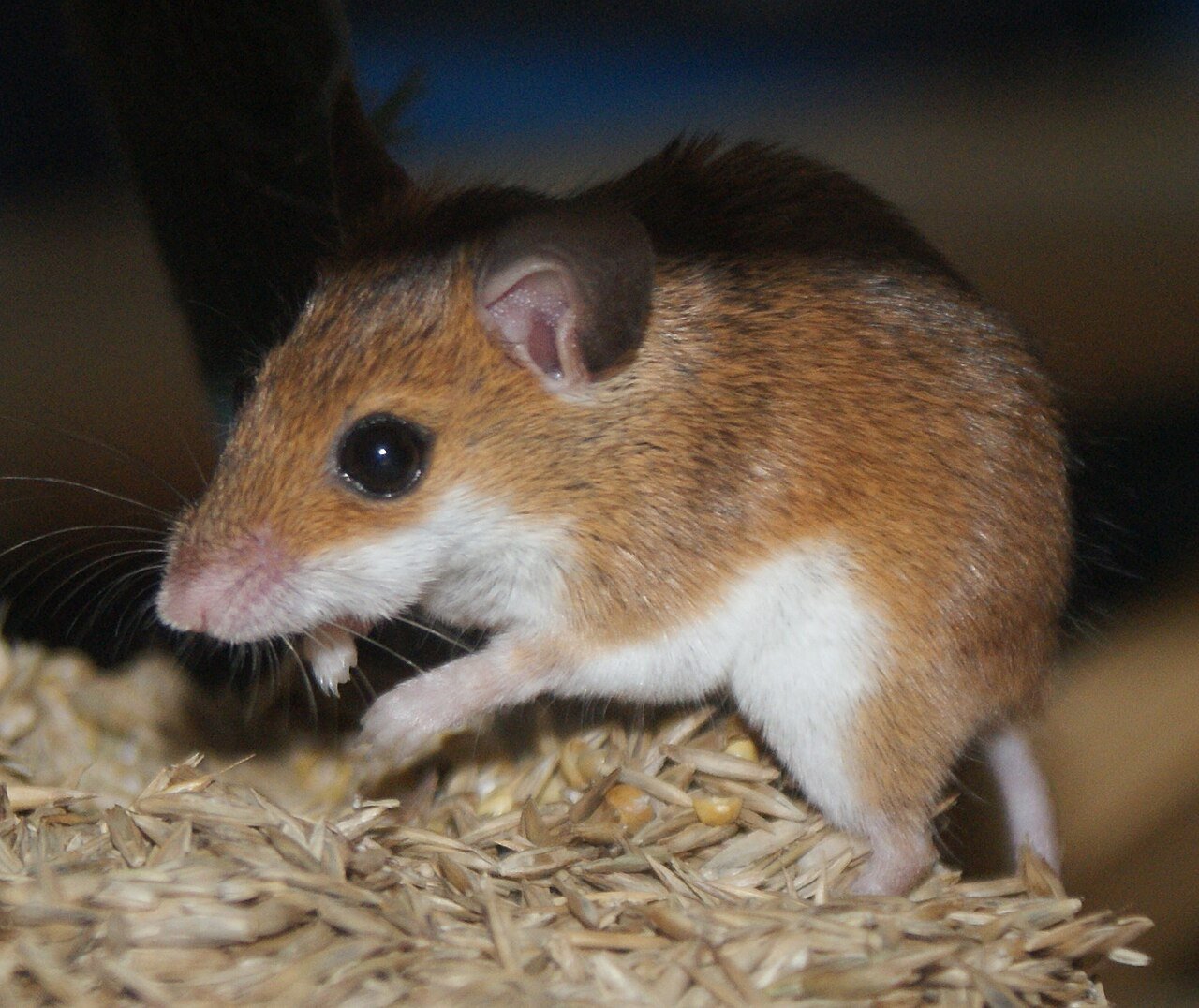
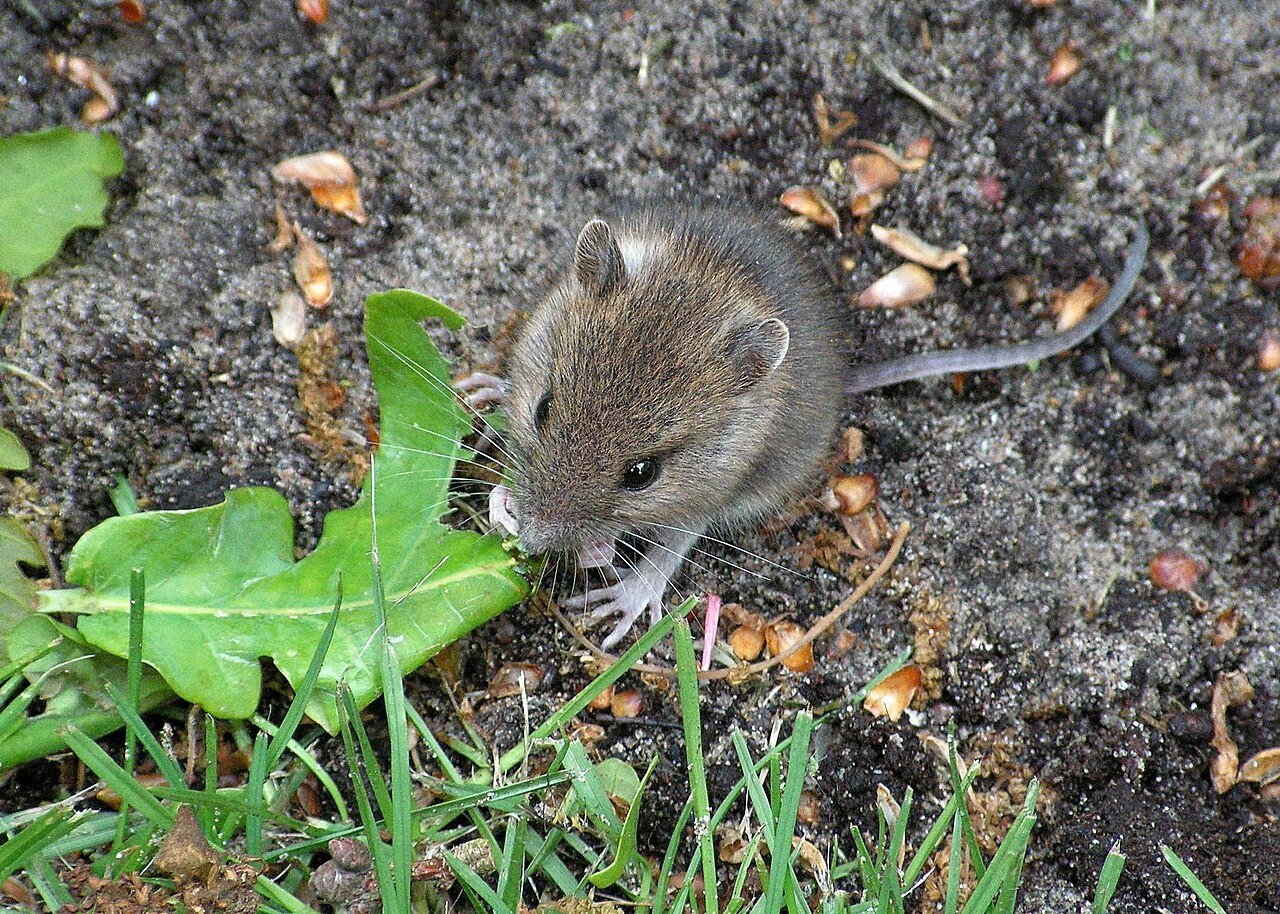
House mice are seed-and-grain specialists by ancestry — the species followed human agriculture around the planet precisely because our staple crops are its staple foods. Outdoors, an Ohio mouse eats grass and weed seeds, waste grain, tree nuts and their fragments, berries and fruit as available, and a steady side of insects — crickets, beetle larvae, caterpillars — for protein, especially in breeding season. They’re opportunistic omnivores with a clear preference ranking: calorie-dense, high-fat, high-carb items first. Given free choice, a mouse takes sunflower seeds, nut meats, and grain over almost anything else on the table.
Your house qualifies as food and shelter both, which is why tidying alone never settles it. Sealing does, and that is rodent control in Dayton.
That ranking survives the move indoors intact. The indoor hit list, in rough order of enthusiasm we see on inspections: bird seed (the single biggest residential mouse subsidy in the suburbs — a garage bag of black-oil sunflower is a strategic grain reserve), pet food (kibble is engineered calorie density, and the bowl refills itself nightly), nuts and nut butters, cereal, oats, rice, and flour, crackers, chips, and snack debris, chocolate and sweets (genuine favorites — a mouse will take chocolate over cheese every time it’s offered), grease and meat scraps around ranges and grills, and garden produce in season. What they conspicuously don’t need: much of it. A house mouse thrives on three to five grams of food a day — a single dropped Cheerio is breakfast — which is why “but my kitchen is clean” and “the mice are thriving” are so often both true.
The Cheese Myth and Other Menu Folklore
Cheese ranks middling-to-low on actual mouse preference tests — strong-smelling aged cheese can work in a trap, but it dries out fast, falls off easily, and loses head-to-head against peanut butter so consistently that no professional baits with it. The cartoon association seems to trace to pre-refrigeration pantries, where cheese was the accessible food left in the open while grain sat in bins — mice ate what was reachable, and the folklore stuck. Two more corrections while we’re at it: mice don’t “drink milk” in any meaningful sense (adult rodents are largely lactose-intolerant, like most mammals), and they don’t need standing water — they extract most moisture from food, which is why fixing a dripping trap under the sink helps but doesn’t solve anything on its own.
How Mice Eat: the Behavior That Trapping Exploits
A mouse is a nibbler on a circuit. In a single night it makes twenty to thirty feeding visits across its territory, taking a fraction of a gram here and there, favoring stops within ten to thirty feet of the nest and hugging walls the whole way. It also hoards: seeds and kibble get carried off and cached in wall voids, drawer backs, and nest margins — which is why homeowners find mysterious mounds of dog food in the basement ceiling, and why “the bag is going down but I see no mice” is a classic early sign. This behavior profile writes the trapping manual for you: many small bait points beat one big one, placement on the wall-hugging runways beats placement in room centers, and a smear of peanut butter (calorie-dense, aromatic, impossible to steal without triggering) beats a chunk of anything. The full setup lives in the mouse playbook.
What Mouse Diet Tells You About Your Mouse Problem
Diet evidence reads like a map. Gnawed packaging low in cabinets and pantry corners puts the runway inside the kitchen — look for the rice-grain droppings along the same line. A bird seed or pet food bag with a chewed corner in the garage usually marks the true headquarters; garages with food storage are the most common nest zone we open all winter. Caches of seed or kibble in odd places — a boot, a drawer back, an engine bay — mean an established population provisioning for winter, not a passing scout. Damage without food theft (chewed wires, shredded paper) points to nesting activity rather than feeding, and moves the search from pantries toward voids and clutter. Every service call starts with this reading, because where the food evidence is tells us where the traps go — and where the mice came in, which the entry-point guide then closes.
The Food-Control Checklist: Making a House Boring
- Bird seed: into a galvanized metal can with a tight lid, tonight — plastic bins get chewed. Sweep spill under feeders weekly, or move feeders well off the house.
- Pet food: metal or heavy sealed containers, bowls picked up overnight (the mouse shift starts when the house goes quiet), and no garage kibble storage in original bags.
- Pantry: grains, cereal, and flour into glass or heavy plastic; a mouse chews cardboard and thin film without slowing down. This also shuts down pantry moths and weevils in the same move.
- Floors and furniture: the under-couch and under-highchair crumb layer is a nightly buffet; a weekly vacuum pass under furniture outperforms any repellent ever sold (see the repellent report card for that comparison).
- Garbage: lidded cans indoors, sealed bags out, grill grease trays emptied — grease is a favorite that gets forgotten because it isn’t “food.”
- Garden and yard: fallen fruit picked up, compost enclosed, garden harvest not stored in the garage in open boxes.
Food control alone rarely ends an active infestation — an established population just ranges harder — but it decides everything at the margins: whether scouts stay, whether traps out-compete the pantry, and whether the house gets recolonized after we clear and seal it. Starve the subsidy, trap the residents, close the doors: that’s the whole doctrine in six words.
Mice treating your kitchen like a supply depot? Get a quote — we’ll find the subsidy, empty the house, and seal it. Serving Dayton and all of Montgomery, Greene, Miami, Clark, Warren, Butler, Preble, and Darke counties.
The Seasonal Menu: Why October Changes Everything
A mouse’s diet has a calendar, and it’s the calendar that delivers them to your foundation. Spring through summer, outdoor eating is easy — fresh seeds, insects everywhere, garden produce coming on — and house pressure drops; this is when homeowners conclude a winter problem “went away” (it moved outside to breed, which is worse news than it sounds, given the reproduction math). Late September, the seed crop matures and drops, insects die back, and every mouse in the yard begins provisioning — this is peak hoarding season, when caches appear in garages and engine bays. First sustained frost, the outdoor pantry closes, and the entire neighborhood population starts pressure-testing warm buildings that smell like calories. The practical read: food-control and sealing work done in September pays all winter, and a bird-seed bag left open in an Ohio garage in October is functionally an invitation with a date on it.
That provisioning instinct does not stop at the foundation. A car left on the driveway overnight is a heated shelter stocked with soft nesting material, and the same October pressure that packs a wall void fills an air filter box with acorns — mice in a car are running this same seasonal playbook, on a considerably worse repair bill.
Winter indoors, the diet narrows to whatever the house offers — which is why winter infestations concentrate so tightly on kitchens, pet-feeding stations, and stored seed, and why winter trapping along those supply lines works so fast when the competing food is locked down first.
What Mice Eating Habits Mean for Baiting (Field Notes)
Three service-truck details worth stealing. Pre-bait when trapping is slow: a mouse wary of new objects will take free peanut butter off an unset trap for a night or two; once it’s a trusted feeding station, set it — the circuit habit does the rest. Match the local menu: in a garage full of bird seed, a sunflower seed pressed into peanut butter outfishes plain peanut butter, because you’re advertising the flavor already trusted. Move with the evidence, not the theory: if droppings and gnawing say the action is behind the range, a perfect trap line along the far wall catches nothing — placement on the active runway beats bait choice every time. Bait gets the credit; geography does the work.
Do Mice Eat Insects, Meat — or Each Other?
The corners of the menu people don’t expect: yes, mice are enthusiastic insect predators — crickets, roach nymphs, beetle grubs, and moth larvae all get taken, especially by breeding females who need the protein — which produces the strange occasional service call where a mouse population is quietly suppressing a roach problem (solving one infestation by hosting another is not a strategy we endorse). Meat scraps and grease are readily taken; carrion in small amounts, too. And under crowding or food stress, mice will cannibalize dead nestmates — grim, but it explains why wall-void die-offs from poison programs don’t always produce the smell people expect, and it’s one more entry in the long list of reasons poison sits at the bottom of our methods list. Omnivory this complete means no single food removal ever starves them out — which is why the checklist above aims at making the house boring, not barren, and pairs with trapping rather than replacing it.
One more measurement worth having: a mouse’s daily three-to-five grams scales brutally with population. A modest family of ten mice clears a pound of food roughly every two weeks — and contaminates far more than it eats, since mice dribble urine and droppings continuously along every foraging route. The consumption is a nuisance; the contamination is the actual health case for treating a “minor” mouse problem seriously, and it’s why food-handling businesses run on zero-tolerance standards rather than live-and-let-live.
And if the diet question brought you here because something is eating your food but you haven’t seen the eater: gnaw marks with paired incisor grooves, rice-grain droppings, and greasy rub marks along baseboards make the identification without a sighting — walk the evidence through our droppings guide, then work the playbook. The menu on this page tells you it will end quickly once the traps out-compete the pantry.
Frequently Asked Questions
What do mice like to eat the most?
Calorie-dense seeds, grains, and nuts — sunflower seed and nut meats top real preference tests, with peanut butter, kibble, cereal, and chocolate close behind. Cheese ranks middling at best; the cartoon lied.
Do mice really eat cheese?
They’ll take it if it’s what’s available, but it loses to peanut butter, seeds, and chocolate in every head-to-head. The association dates to pre-refrigeration pantries where cheese sat in the open. No professional baits traps with cheese.
What is the best bait for a mouse trap?
A small smear of peanut butter — aromatic, calorie-dense, and impossible to steal without triggering the trap. Chocolate spread and a pressed sunflower seed work too. Amount matters: a pea-sized smear beats a glob a mouse can lift off.
How much do mice eat per day?
Three to five grams — a dropped Cheerio is a meal. They compensate with frequency: twenty to thirty feeding visits a night across their territory, mostly within thirty feet of the nest, always along walls.
Do mice need water?
Barely — they extract most moisture from food and can survive on almost no free water. Fixing drips helps the overall picture but never solves a mouse problem alone.
Why do I find pet food in strange places?
Hoarding — mice cache seeds and kibble in wall voids, drawers, boots, and engine bays as winter provisions. Mystery caches mean an established, provisioning population, not a passing visitor.
Does bird seed attract mice?
It’s the single biggest residential mouse subsidy we see — a garage bag of sunflower seed is a strategic grain reserve, and spill under feeders runs a 24-hour buffet. Metal cans with tight lids, and feeders away from the house, change the whole equation.
Will cleaning up food get rid of mice?
It makes the house boring — which decides whether scouts stay and whether the place gets recolonized — but an established population needs trapping and entry-sealing too. Starve the subsidy, trap the residents, close the doors: all three, in that order.
What do mice eat in the wild?
Grass and weed seeds, waste grain, nuts, berries, and a protein side of insects. Ohio’s outdoor mice live well on exactly what suburban yards produce — which is why the population pressing on your foundation every October is never zero.