
Somewhere between the trap aisle and the poison aisle, somebody told you the real answer to mice is a $4 bag of steel wool — and for once, the folk remedy is mostly right. Mice genuinely cannot chew through steel wool, and stuffing it into entry gaps is a legitimate, professional-grade exclusion technique that we use on jobs every week. But there’s a right grade, a right technique, several wrong ones that fail within a month, and an honest limit to what a stuffed gap can accomplish while three other holes stay open. This is the complete steel wool file: why it works, how to do it exactly, where it belongs in the bigger eviction plan, and the upgrades worth knowing about.
Why Steel Wool Works When Everything Else Gets Chewed
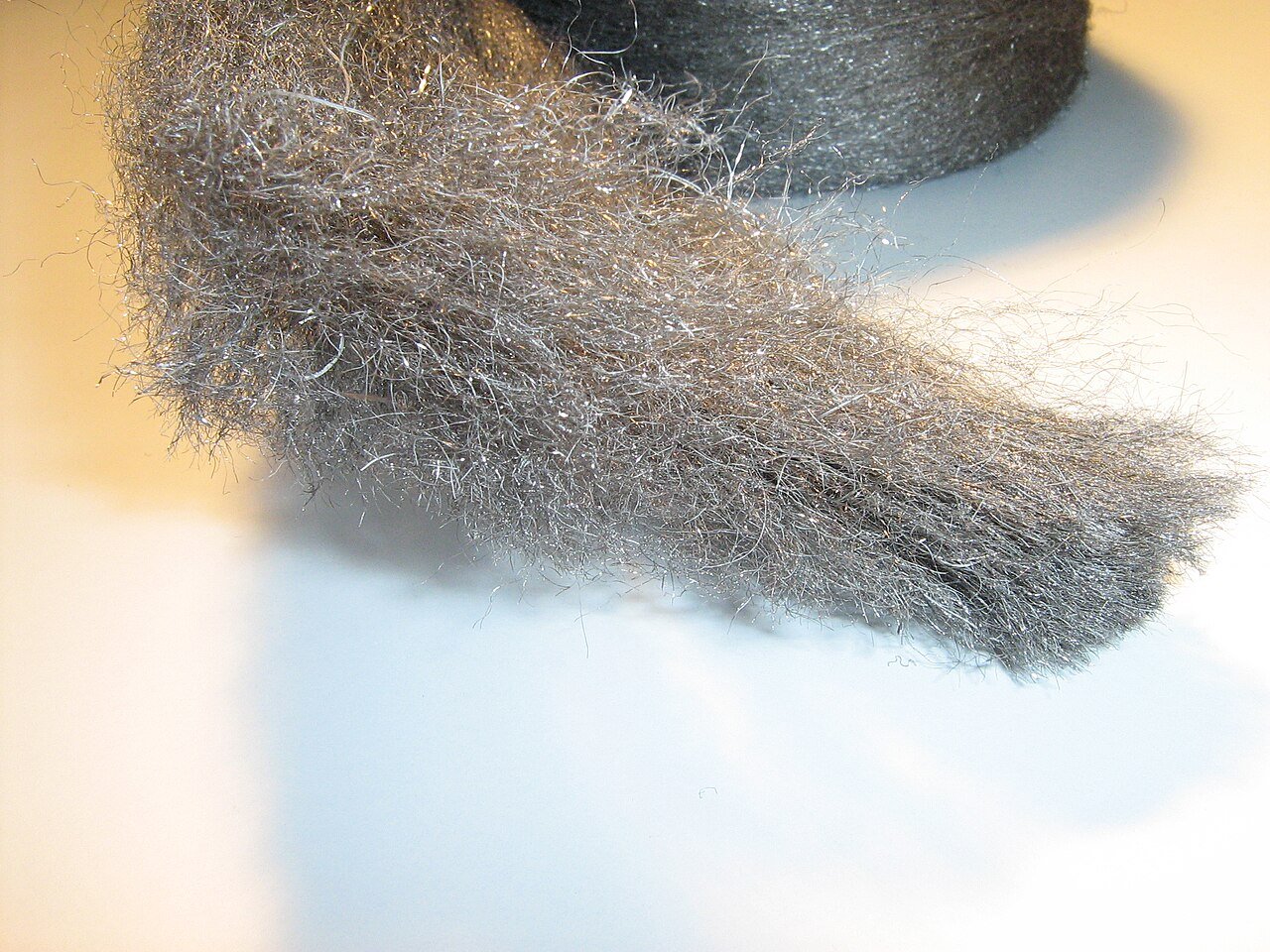
A mouse’s incisors are engineering marvels — they grow continuously, stay chisel-sharp, and handle wood, drywall, vinyl siding, foam insulation, and even soft aluminum without complaint. That’s why our entry-point guide reads the way it does: most materials in a wall assembly are merely a delay. Steel wool defeats them differently. It isn’t harder than their teeth so much as it’s miserable — a dense tangle of sharp steel filaments that shreds into painful splinters against gums and paws the moment gnawing starts. Mice don’t heroically tunnel through it; they try once, hate it, and go looking for a softer option. In material terms it’s less a wall than a very effective deterrent that happens to also physically fill the hole.
Steel wool works when it is packed properly and sealed over, and fails when it is not. Doing it across a whole house is rodent control in Dayton.
That distinction matters, because it explains both the successes and the failures. Steel wool packed tight in a dime-sized gap ends that gap’s career. Steel wool wadded loosely into a two-inch void gets pulled out like a party streamer — mice are excellent miners, and loose material is just nesting supply delivered to the door. Technique is everything, and the technique is simple once you’ve seen it done right.
The Right Way to Do It (the Whole Method)
- Buy coarse: grade #3 or #4 steel wool, or better yet copper mesh (more on that below). The fine #0000 wool sold for wood finishing compresses too easily and rusts fast — wrong tool.
- Find the real gaps: mice need only a dime-width (about 1/4 inch) — check where pipes, cables, and AC lines enter, dryer vents, the garage door’s corner gaskets, sill-plate gaps, and the gap under exterior doors. Do the flashlight-at-night test from inside: light leaking in means mice can too. Our entry-point tour maps all the usual suspects.
- Pack it tight: fold the wool into a plug slightly larger than the hole and drive it in firmly with a screwdriver until it resists pushing. A properly packed plug can’t be pulled out by hand from either side.
- Cap it: for a permanent job, seal over the packed wool with caulk or expanding foam. The wool stops the teeth; the sealant locks the wool in place, blocks air movement (mice follow warm air currents to find gaps), and keeps moisture off the steel.
- Log every plug: sounds fussy, pays off — a dated list of what you sealed tells you exactly where to look if evidence returns, and turns round two from a full re-inspection into a ten-minute check.
Two cautions from the field. Don’t use steel wool alone inside dryer-vent ducts or anywhere airflow matters — block the gap around the duct, and fit the vent itself with a proper rodent-rated cover so lint keeps moving. And wear gloves; the same splinter behavior that stops mice is unkind to fingertips.
Steel Wool vs. Copper Mesh vs. Foam: an Honest Materials Review
Steel wool is cheap, everywhere, and effective — its one flaw is rust. Damp locations (sill plates, exterior penetrations, anywhere splash reaches) rust a steel plug into a crumbly stain within a couple of years, and a rusted plug is a failed plug plus a cosmetic problem. Copper mesh — sold as rodent-exclusion mesh in rolls — costs a few dollars more, never rusts, packs beautifully, and is what rides in our own service vehicles; for exterior work it’s the professional default and the upgrade we’d steer you to for anything permanent. Expanding foam alone is the great impostor: it looks like a seal, air-seals admirably, and a motivated mouse chews a tunnel through it in a night — foam belongs over metal mesh, never instead of it. Caulk alone works only for gaps too small for mice anyway. Hardware cloth (1/4-inch galvanized screen) is the right answer for the big openings — vents, chimney gaps, under-deck access — where wool and mesh don’t scale.
The Honest Limit: Exclusion Is a System, Not a Plug
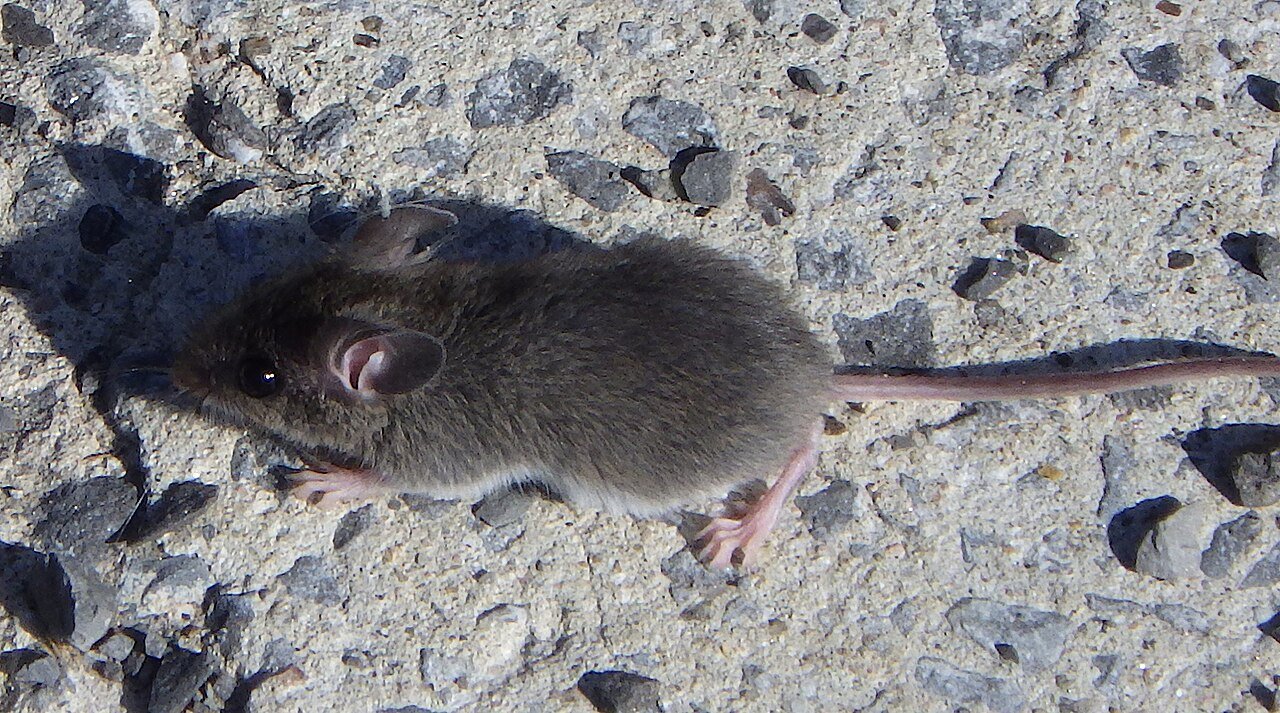
Here’s where we keep the folk remedy honest. Steel wool answers exactly one question — “how do I close this hole?” — and a mouse problem is never one hole. The average older Dayton-area home we inspect has six to a dozen viable rodent entries, and mice inside the walls right now don’t leave because you sealed the front door they used in March. A steel-wool-only campaign fails in two classic ways: the whack-a-mole (seal three gaps, mice shift to the fourth, repeat all winter) and the far worse lock-in — sealing every gap with an active population inside, which converts an entry problem into mice dying in wall voids, chewing new exits, and concentrating activity in your kitchen. Order of operations is the whole game: knock the population down first (trapping done right — see the full mouse playbook, and why poison backfires in walls), then seal systematically, coarse-to-fine, biggest gaps first, and verify with a couple of monitored traps that inside activity has actually ended.
That sequence — eliminate, exclude, verify — is precisely what our rodent service sells, and steel wool or copper mesh is genuinely in the truck for step two. The $4 bag isn’t a competitor to professional rodent work; it’s one honest component of it, and we’d rather teach you the whole system than have you discover the lock-in problem the hard way in February.
Where Mice Get In: the Priority Checklist
Work these in order of frequency-found, from a few hundred local inspections: the gap where the AC line set enters (almost always oversized and soft-sealed), garage door corner gaskets (then mice enter the house through the garage’s interior door frame and sill), dryer and bath vents with broken or missing flappers, sill plate gaps atop the foundation in older homes, utility penetrations for gas, water, and cable, crawl space vents and doors with torn screening (our crawl space guide covers this junction), chimney and roofline gaps for the climbers (yes, mice climb walls), and under-door gaps where weatherstripping surrendered years ago. Every one of these takes mesh, wool, hardware cloth, or a proper vent cover — and the full sweep, done once and done right, is the difference between owning a mouse-resistant house and renting one winter at a time.
Want the sweep done professionally — population out, every entry sealed, verified clear? That’s the core of our rodent program. Get a quote and we’ll bring the copper mesh. Serving Dayton and all of Montgomery, Greene, Miami, Clark, Warren, Butler, Preble, and Darke counties.
Frequently Botched: the Five Steel Wool Mistakes We Get Called After
A tour of the failure modes, since we see the same five on service calls all winter. The loose wad: wool stuffed by hand without packing — excavated by mice within the week, sometimes visibly incorporated into the nest we later remove. The fine-grade swap: #0000 finishing wool because it was already in the garage; compresses like cotton candy, rusts by spring. The foam-only shortcut: a beautiful cream-colored seal with a neat quarter-inch tunnel through it by Thanksgiving. The one-hole victory: the visible gap by the hose bib gets sealed, the five invisible ones keep working nights, and the homeowner concludes steel wool “doesn’t work.” The lock-in: every gap sealed in one ambitious Saturday with the family of mice still inside — the service call two weeks later starts with “something died in the wall and now they’re in the pantry.” Every failure traces to technique or sequence, never to the material. The material is fine. The material is, honestly, great.
One more borderline case worth naming: rats. Steel wool stops mice reliably; a determined Norway rat is a different animal — bigger jaw, more persistence, and known to defeat marginal wool plugs. Rat exclusion runs on hardware cloth, sheet metal, and mortar, sized to a half-inch standard instead of a quarter. If the droppings are more raisin than rice grain (our droppings guide shows the difference) or you’re seeing roof rat evidence, skip the wool aisle and call — the materials list and the stakes both change.
The Winter Clock: When to Do This Work
Exclusion has a season, and it’s earlier than most people act. Mouse pressure on Ohio homes surges with the first sustained cold snap — typically October — when outdoor populations that spent all summer breeding go hunting for heated winter quarters, following warm air currents leaking from exactly the gaps this page teaches you to close. Seal in September and you’re closing doors before the crowd arrives; seal in January and you’re usually locking the building after the guests checked in, which is how the lock-in mistake happens to well-intentioned people. Our own exclusion calendar reflects it: fall sweeps are prevention, winter calls are eviction-plus-exclusion, and the September homeowner gets the same result for less money and no wall-void drama. Wherever the calendar catches you, the order of operations holds — but if you’re reading this in a cold month with active evidence, start with the traps and the phone, not the wool.
A last word on cost, because it frames the whole decision: a full professional exclusion sweep on a typical home runs a few hundred dollars and permanently retires a problem whose DIY alternative — traps, poison cycles, and a fresh skirmish every fall — quietly costs more than that every few years while never actually ending. Steel wool is the cheapest material in the entire pest control world, and used inside the right system, it buys the most permanent result. That combination is why this humble $4 product gets a 2,500-word page on our website and a permanent spot in our service vehicles.
Frequently Asked Questions
Does steel wool really stop mice?
Yes — it’s one of the few folk remedies professionals actually use. Mice can’t chew it: the filaments splinter painfully against their gums and paws, so they quit and look elsewhere. It works only when coarse-grade wool is packed tight and ideally capped with sealant.
What grade of steel wool stops mice?
Coarse — #3 or #4. The fine #0000 finishing wool compresses too easily and rusts quickly. Better still is copper rodent mesh, which packs the same way and never rusts; it’s what we use on exterior jobs.
Can mice pull steel wool out of a hole?
Loosely wadded wool, yes — they mine it out and use it for nesting. A properly packed plug, driven in tight with a screwdriver and capped with caulk or foam, can’t be pulled from either side. Packing pressure is the whole technique.
Is expanding foam alone enough to keep mice out?
No — mice chew tunnels through foam in a night. Foam is an air-seal, not a rodent barrier. The right combination is metal (steel wool, copper mesh, or hardware cloth) for the teeth, foam or caulk over it for air and moisture.
How small a gap can a mouse fit through?
About a quarter inch — the width of a dime. If a pencil slides under a door or a flashlight beam leaks through a penetration, a mouse can follow. That standard is why DIY sweeps miss so many entries; they’re looking for mouse-sized holes.
Should I seal all the holes if mice are already inside?
Not yet — that’s the lock-in mistake, and it moves the dying into your wall voids and the activity into your kitchen. Knock the population down with traps first, then seal systematically, then verify with monitored traps that inside activity has ended. Eliminate, exclude, verify — in that order.
Does steel wool rust?
Yes, and a rusted plug eventually crumbles and stains. Fine for dry interior spots; for exterior and damp locations use copper mesh, which never rusts, or cap steel wool thoroughly with sealant to keep moisture off it.
Where do mice usually get into a house?
The repeat offenders from our inspections: the AC line-set penetration, garage door corner gaskets, dryer and bath vents with broken flappers, sill-plate gaps, utility penetrations, torn crawl space screening, roofline gaps, and under-door gaps. The average older home has six to a dozen viable entries — which is why one plug never ends the story.