
West Milton passes its houses down. In a village this settled, homes move between generations more often than between strangers — the farmhouse deeded to a daughter, grandma’s house on Miami Street kept in the family, the place bought from a neighbor who owned it forty years — and that continuity, one of the best things about the town, creates the specific blind spot termite control here keeps meeting: nobody inspects a house they’ve always known. A stranger’s purchase triggers inspections, disclosures, and a lender’s checklist; a handed-down house triggers a key exchange. The result is a village housing stock where termite history runs on memory — “Dad treated it sometime in the eighties” — and memory, in this file, is worth exactly nothing. We call it the handed-down house, and its whole problem dissolves with one honest inspection that most family transfers skip.
Why Familiarity Fails
The mechanics are human, not structural. A house that’s been in the family carries a presumption of soundness — it raised two generations, it survived every storm anyone remembers, and its quirks are furniture: the basement’s spring damp, the porch step that’s always been soft, the wing where the door sticks. But the village’s housing stock is precisely the inventory where those quirks warrant reading: century frames on stone foundations, sills near grade after decades of soil creep, additions stitched on in every era, and — the wet-ground reality of the Stillwater valley — soil that keeps colonies working and old treatments aging fast. That treatment Dad remembers from the eighties expired before the millennium; the soft porch step has a cause; and the damp basement is reporting conditions the species reads as an invitation. None of it means the house is compromised — most aren’t — but all of it means the presumption of soundness deserves one afternoon of verification per generation.
The Generational Inspection
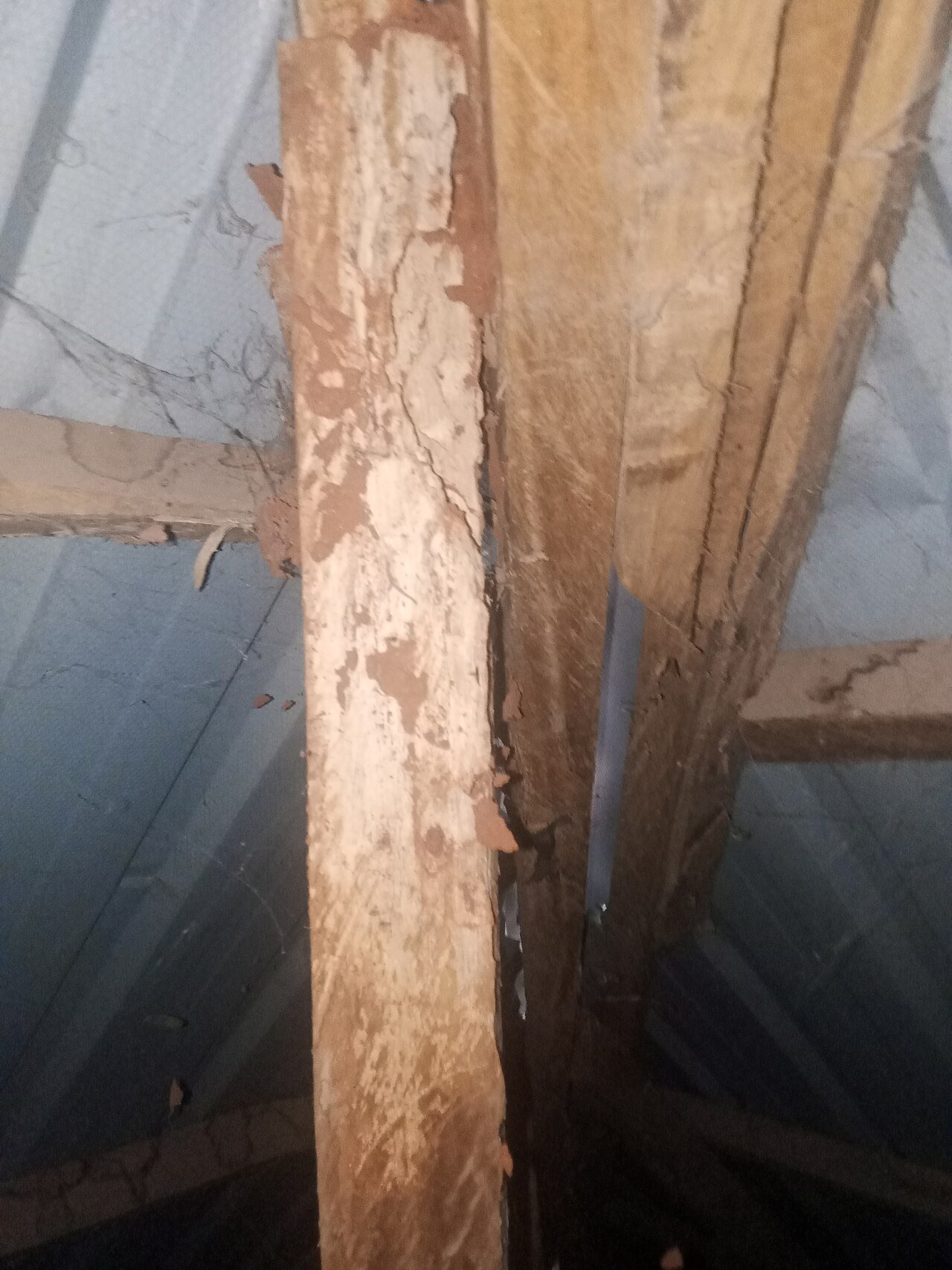
The protocol for a family transfer is the same one a sale would have forced, minus the deadline pressure: the full walk — cellar sills probed, additions’ seams read, perimeter and outbuildings covered — with the verdict documented in photos and plain language. Three outcomes, all of them wins: clean (the presumption verified, the baseline recorded for the next transfer); archaeology (old damage from colonies long dead — labeled, photographed, and permanently distinguished from anything future inspections find); or active (caught at inspection instead of at renovation, which is the cheap version of that discovery by thousands of dollars). The documentation is the underrated half: a handed-down house with a dated inspection record converts the next generation’s “I think it was treated once” into a file — and if the house ever does sell outside the family, that file is worth real money at the disclosure table.
The West Milton Program
- Transfer inspections: the full-walk verdict for any family handover — clean, archaeology, or active, documented either way
- The village standard: annual-cadence perimeter checks for the wet-ground stock, with treatment matched to foundation and access — barrier where trenching reaches, monitored bait where the valley’s moisture argues for verifiable protection
- The working-lot walk: outbuildings, wood piles, and grade-contact structures read on the same visit, because the one-block rule applies below grade too
- Swarm triage: April–May winged emergences ID’d free from a photo — straight antennae and equal wings is a same-week call, in anyone’s house, however long they’ve known it
The close that fits the town: keeping houses in the family is the village’s quiet strength, and the generational inspection is just stewardship catching up with sentiment — the same care that repaints the porch and keeps the garden, pointed at the one threat that works where nobody looks. One afternoon per generation, documented, and the house the family trusts becomes the house the file verifies. The town’s full pest picture lives on our West Milton service page.
Verify What You Inherited
One inspection converts memory into a file: sills probed, seams read, verdict documented in photos and plain language. Clean, archaeology, or active — every outcome beats not knowing, and the next generation gets a baseline instead of a guess.
Buying or selling in West Milton? What a lender, a VA file, or a listing agent asks for is not a treatment — it is a written report. That is a termite and WDI inspection in West Milton: $99 flat on the lender-ready NPMA-33, next business day, PDF the day we inspect. Treatment only enters the conversation if the report actually finds something.
Frequently asked questions
We inherited the family house — does it really need a termite inspection?
That’s exactly the house that does: family transfers skip the inspections a sale would force, so termite history runs on memory — and “Dad treated it in the eighties” describes a barrier that expired before the millennium. One documented afternoon per generation converts the presumption into a file.
The basement’s always been damp and the porch step always soft — isn’t that just the house?
Those quirks are data wearing familiarity: valley moisture keeps soil workable for colonies, and a chronically soft step has a cause worth naming. Most turn out fine — but “always been that way” is an observation, not an inspection.
What does the transfer inspection cover?
The full walk: cellar sills probed, addition seams read, perimeter and outbuildings covered, moisture noted — with the verdict in photos and plain language. Three outcomes, all wins: clean (baseline recorded), archaeology (old damage labeled forever), or active (caught at the cheap stage).
What’s the difference between old damage and an active problem?
Fresh mud, live workers, or new wings mean active; dry, empty galleries are archaeology from a colony long dead — and century houses almost all carry some. Documenting which is which permanently separates history from anything a future inspection finds.
Is the old treatment from decades ago still protecting the house?
No — liquid barriers last years, not decades, and the valley’s wet, biologically active soil runs them out at the fast end of the range. Any protection older than its warranty is history; the honest status is “unprotected until inspected.”
Why does documentation matter if we’re never selling?
It compounds: the next generation inherits a baseline instead of a guess, every future inspection has a comparison point, and if the house ever does leave the family, a dated file is worth real money at the disclosure table — provable beats remembered.
Do the outbuildings need checking too?
Same visit: barns, sheds, and ground-contact wood piles stage colonies before the house ever sees a swarmer, and the village’s working lots run the full parcel logic. The one-block rule applies below grade too.
What does termite control cost in West Milton?
The transfer inspection prices as the afternoon it is; annual-cadence programs and treatment — barrier or monitored bait, matched to the foundation — quote from the walk; and every number lands small against a sill repair no insurance covers.