
Miamisburg’s spiders complete the river town’s ledger on its founding theme: the Great Miami feeds everything, and the hill line sorts it. The river’s insect engine — the hatch clouds that stock Troy’s storefront looms upstream — runs the valley’s web economy at the same municipal scale: orb weavers rigging the historic district’s cornices and porch brackets, funnel weavers sheeting the stone foundations’ window wells, and the dauber population (the clay capital’s other artisans) hunting the same inventory the webs display. Up the hill, the newer stock runs the suburban standard — deck-and-window-well files, fall wanderers, porch-light rings — at ordinary pressure. Two elevations, one loom: the valley’s final file.
The Valley Loom
- The riverside supply: hatch season stocks every lit surface — the historic district’s lamps, porches, and storefront faces harvest the drift nightly, and the web rings follow the fixtures on the standing pattern: the supply is the river’s health certificate, and the management is light-and-schedule, never eradication.
- The stone-and-cornice anchorage: the Victorian architecture’s brackets, hoods, and lime-mortar coursing offer the anchor density every heritage district runs — the soft-tool de-webbing discipline (nothing pressure-washed, painted trim respected) with the egg-sac harvest doing its hundred-per-sac arithmetic.
- The cellar dynasties: the valley’s stone basements run the standing census-equals-humidity rule — dehumidification thins the winter workforce, and the corners cleared stay cleared where the air dries.
- The hill standard: window-well screens, walkout sweeps, and the fall wanderer traffic on the regional clock — with the thin serious file (garage-storage widows, the gloves rule) and free verdicts throughout (the sober rankings).

The Program, River-Town Edition
The method runs the heritage-and-hill split the town’s whole ledger established: valley work leads with the scheduled de-webbing route (cornices, brackets, porch ceilings, storefront faces — with the district’s business fronts on the Troy-style storefront program: light strategy, festival-week timing, and the clean-face economics of a town that trades on its charm), the cellar moisture counsel, and the crevice placements the stone coursing takes; hill work runs the standard suburban program — quarterly de-webbing with egg-sac removal, well screens and sweeps, perimeter banding at the planting margins, and the light strategy that moves the porch rings. The philosophy holds towns-wide — spiders starve out, not spray out (the reasoning) — and the dauber footnote earns its cross-reference: heavy gallery construction under the valley eaves reads the same supply the webs do, and both artisans’ density is the river reporting its strength. Identifications stay free, with the who’s-who at common spiders in Ohio and the winter reset explaining every October.
The Miamisburg Bottom Line — and the Completed Ledger
The spider file closes the river town’s ledger where every file in it began: read the river, respect the hill line, and manage the interface on a schedule. Eight services now stand complete — the flood-year rodent clock, the two-elevation roach playbook, the antique-route bed bugs, the dauber-capital wasps, the flood-line ants, the valley termites, the corridor fleas, and now the loom — and the through-line is the gauge: Miamisburg’s pest calendar is a hydrology report, elevation by elevation, and the crew that reads it whole schedules everything from one river. One flat price, storefront agreements for the district, the service at spider control — and the complete eight-service ledger at Miamisburg pest control.
Webs on the Victorian Brackets — or the Hilltop Wells?
Heritage-safe routes below, the suburban standard above, and the river read throughout — flat-priced and guaranteed across Miamisburg.
Frequently asked questions
Why does downtown Miamisburg get so many spider webs?
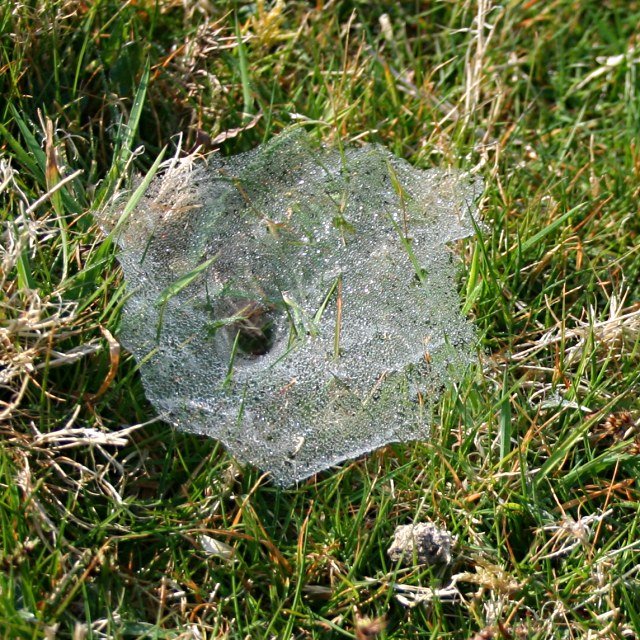
The valley loom: the river’s hatch engine stocks every lit surface nightly, and the Victorian architecture’s brackets and cornices offer the anchor density to harvest it. The supply is the river’s health certificate; the management is light-and-schedule.
Can you clear webs from the historic district’s trim safely?
That’s the standard: soft tools, no pressure washing on painted gingerbread, and the egg-sac harvest riding every route — the same heritage discipline the district’s wasp work runs, applied to the loom.
Do the storefront webs come back after cleaning?
Days, without the schedule — the river restocks nightly and the loom re-staffs. The storefront program (scheduled routes, light strategy, festival-week timing) holds the clean face the district trades on.
Why is my stone cellar full of cobwebs every winter?
The dynasty census reads the humidity: stone walls breathe, the cellar-insect economy feeds, and the webs follow. Dehumidify below 50 percent and the winter workforce thins to a fraction — the cleared corners stay cleared.
What do the mud dauber nests say about my spider situation?
They read the same supply: daubers hunt the spiders the webs display, and heavy gallery construction under the valley eaves means both artisans are prospering on the river’s output. Two health certificates, one engine.
What about the hilltop neighborhoods?
The suburban standard: window-well screens, walkout sweeps, quarterly de-webbing with egg-sac removal, and the light strategy at the porch rings — ordinary pressure, ordinary program, September peak included.
Are there dangerous spiders in Miamisburg?
The thin standing file: occasional widows in undisturbed garage and cellar storage (gloves before deep shelves), near-zero verified recluses, and free photo verdicts for every jar — usually returning “harmless staff.”
What does spider control cost in Miamisburg?
One flat price residential — heritage-safe valley routes or the hill standard as the address dictates — with storefront agreements for the district and the egg-sac harvest riding every visit.
The River Town, Read Whole
Eight files, one gauge: Miamisburg’s completed ledger is the library’s cleanest demonstration that geography writes the pest calendar and elevation assigns the vocabulary. The valley’s stone holds the tenancies — ant, spider, and roach alike — while its river sets every schedule; the hill runs the suburban standards a generation younger; and the flood years shuffle whichever deck they reach. The practical payoff of the whole-town read is compounding: the technician de-webbing a Victorian bracket has already logged its cornice’s wasp umbrella and its cellar’s humidity number, the storefront program’s festival-week timing serves three files at once, and the September audit that seals the hilltop’s walkout serves four. One river, two elevations, eight services, one crew — flat-priced, guaranteed, and scheduled by the gauge. The river town’s ledger, complete.
And the loom’s own closing word: every web on a Miamisburg bracket is the river’s bookkeeping made visible — the hatch counted, the harvest displayed, the health of the water written in silk under the eaves. Manage the display, thank the engine, and let the valley keep its accountants working where they belong: out of the doorways, on the payroll, invoicing no one. That’s the river town’s way, in its final file as in its first.
Free identifications always; the September route books first. Welcome to the completed ledger.
From the gauge to the gingerbread: one call covers the whole valley, and the hill above it.