Dayton’s termite file is the region’s oldest — a century-plus of wood-framed housing standing on stone and early block, fed by urban shade and the accumulated moisture history of ten thousand roofs, and inspected against a backdrop no suburb has: evidence archaeology. The city’s basements carry generations of termite history — abandoned tubes from battles fought in the Truman administration, treated soil from the chlordane era, patched sills from repairs nobody documented — and the first skill of urban termite work is telling that history from an active present. The second is the housing itself: balloon framing that runs soil-adjacent wood straight up two stories, porch additions bridging grade to structure, and connected blocks where one building’s colony forages a shared foundation line. Here’s the century file, and how we read it.
The Archaeology Problem: Old Evidence Everywhere
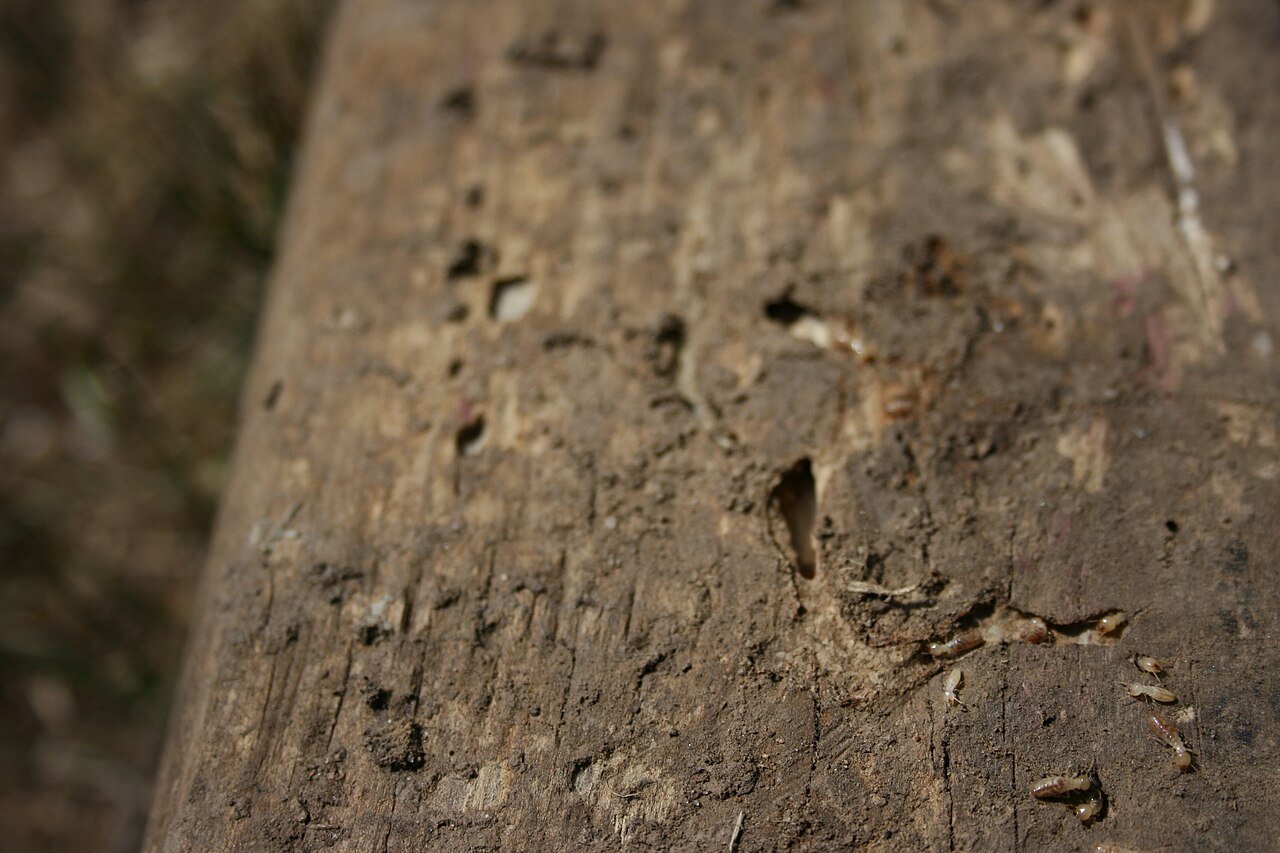
Walk any pre-war Dayton basement with a flashlight and you’ll likely find termite evidence — the question is whose decade. Abandoned tubes outlast their colonies by generations; old galleries in a sill patched forty years ago read as damage forever; and the chlordane-era treatments that protected mid-century Dayton (astonishingly durable chemistry, since banned) still influence which blocks show history versus activity. The discipline is the break test and the follow-up: a breached tube an active colony repairs within days, with fresh, darker mortar; archaeology stays broken forever. We run that verification on every ambiguous find — and it changes the bill dramatically, because a house with historic evidence and no activity needs monitoring, not treatment, and we say so in writing. The reverse discipline matters equally: old evidence proves susceptibility. A basement wearing 1960s tubes is a basement colonies have found before and can find again, which is the standing argument for the monitoring ring on any evidence-bearing property, active or not. The full evidence kit lives at signs of termites, with the tube forensics at the mud tube guide.
What the Century Housing Offers Termites
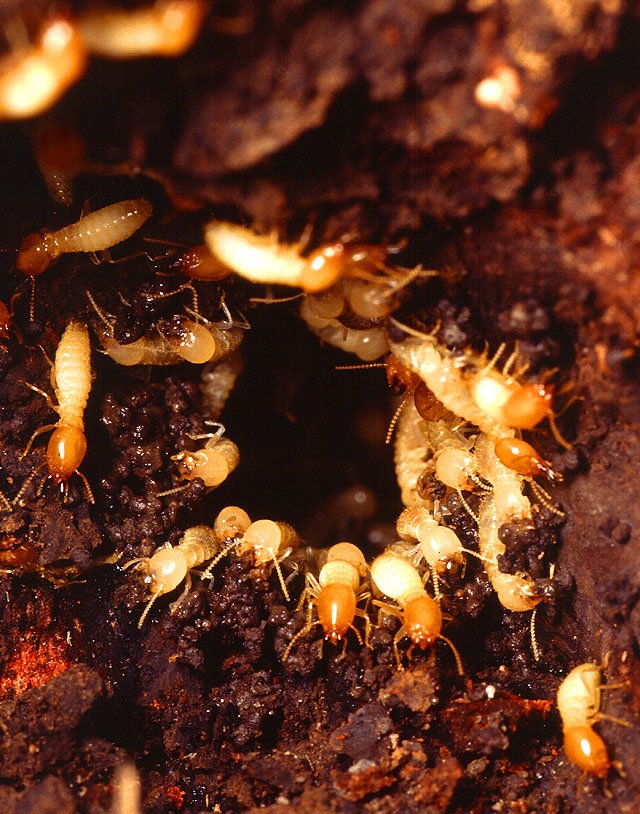
- Balloon framing: the pre-1930 construction that runs continuous stud bays from sill to attic — a colony entering at the foundation can work vertically through uninterrupted wood, which is why urban damage occasionally surprises at second-story window frames.
- The porch-and-addition bridges: a century of enclosed porches, added baths, and grade-level modifications created soil-to-wood contacts the original builders avoided — the addition seam is the urban inspector’s first stop.
- The moisture ledger at city scale: aging roofs, hundred-year gutters, shaded lots, and stone foundations that wick — the same accumulated dampness feeding the city’s carpenter ant file feeds this one.
- The connected-block factor: row-adjacent housing and shared foundation lines let a colony forage multiple structures — the duplex where one side treats and the other doesn’t runs the same leaky-fix math as every connected-building file in the city’s ledger, and the documented case for coordinated treatment travels the same path.
- The visibility advantage: the compensation for all of it — basements show evidence slabs hide, and an annual flashlight walk genuinely protects a pre-war house in a way no slab suburb can match.
Protection, Urban Edition
The program leans on the old stock’s strengths: annual inspections carry more weight here than anywhere (the visibility advantage compounds — a trained flashlight walk catches urban activity early, reliably), bait station rings handle the tight urban lots without trenching against stone (and stand guard on the evidence-bearing properties where history proves susceptibility), and liquid soil treatment answers confirmed activity with modern non-repellent chemistry — applied with the placement judgment stone foundations and shared lines require. Renovation-window inspections earn special mention in a city perpetually rehabbing: any project opening walls near grade deserves a termite eye before closing, and the rehab-era discoveries (historic damage in a wall opened for wiring) get the archaeology-versus-activity read before anyone panics a budget. Repairs get honest scoping via repair guidance, transferable documentation serves the city’s investor-and-flip market, pricing stays flat and published at the cost page — and the standing reassurances hold at full volume downtown: termites eat slowly, same-hour contract pressure is theater, and no Dayton building needs a tent.
The Dayton Calendar and Bottom Line
Swarm season, March through May, runs citywide — warm-rain afternoons producing the year’s discovery calls, heaviest in the shaded older neighborhoods — with the ant-or-termite check fielding the lookalikes a carpenter-ant city generates in parallel. Fall is ring-installation prime; winter pauses nothing under heated floors; and the rehab calendar runs year-round, each opened wall an inspection opportunity. The century file’s bottom line: Dayton’s termite pressure is old, documented, and completely manageable — the archaeology read prevents the panic purchases, the visibility advantage rewards the annual walk, and the ring-plus-inspection standard converts the region’s oldest housing into some of its best-protected. One flat price, coordinated programs where the blocks connect, the method at termite control — and the city’s whole ledger at Dayton pest control.
Tubes in a Pre-War Basement — Whose Decade?
The break test tells activity from archaeology before any dollar moves — free identification, honest verdicts, and century-house protection flat-priced citywide.
Buying or selling in Dayton? What a lender, a VA file, or a listing agent asks for is not a treatment — it is a written report. That is a termite and WDI inspection in Dayton: $99 flat on the lender-ready NPMA-33, next business day, PDF the day we inspect. Treatment only enters the conversation if the report actually finds something.
Frequently asked questions
I found mud tubes in my old Dayton basement — is the house infested?
Maybe decades ago — the city’s basements carry generations of evidence, and abandoned tubes outlast their colonies forever. The break test settles it: an active colony repairs a breached tube within days with fresh mortar; archaeology stays broken. The verdict changes the bill dramatically.
Does old termite evidence mean I’m safe or at risk?
Both, honestly: no activity means no treatment needed now — but old evidence proves colonies have found the property before and can again, which is the standing case for a monitoring ring on any evidence-bearing basement.
Why do old Dayton houses get second-story termite damage?
Balloon framing — pre-1930 construction runs continuous stud bays from sill to attic, giving a foundation-entering colony an uninterrupted vertical highway. It’s the century stock’s one structural surprise, caught by the same annual basement walk.
What should a rehab or flip check for termites?
Every wall opened near grade — mid-project inspection costs a phone call and catches what no routine walk can see, with the archaeology-versus-activity read preventing budget panic over historic damage. The city’s investor market runs on exactly this documentation.
Can termites spread between connected Dayton buildings?
Colonies forage shared foundation lines — the duplex where one side treats and the other doesn’t runs leaky-fix math. Coordinated treatment, documented for both owners, is the version that holds on connected blocks.
Are the spring swarms in my neighborhood termites or ants?
A carpenter-ant city generates both in parallel — straight antennae, thick waist, equal wings mean termite; elbowed and pinched means ant. Indoor emergence of either earns a same-week look, and photo verdicts are free.
Is the old chlordane treatment under my house still working?
Possibly influencing, no longer reliable — the banned-era chemistry was famously durable but is decades past service, and no modern inspection treats it as protection. Its real legacy is the archaeology it left in the evidence record.
What does termite protection cost in Dayton?
Flat, published pricing — monitoring rings suited to tight urban lots, liquid treatment scoped to confirmed activity, and annual inspections that leverage the basement visibility advantage — with transferable documentation and never, ever a tent.