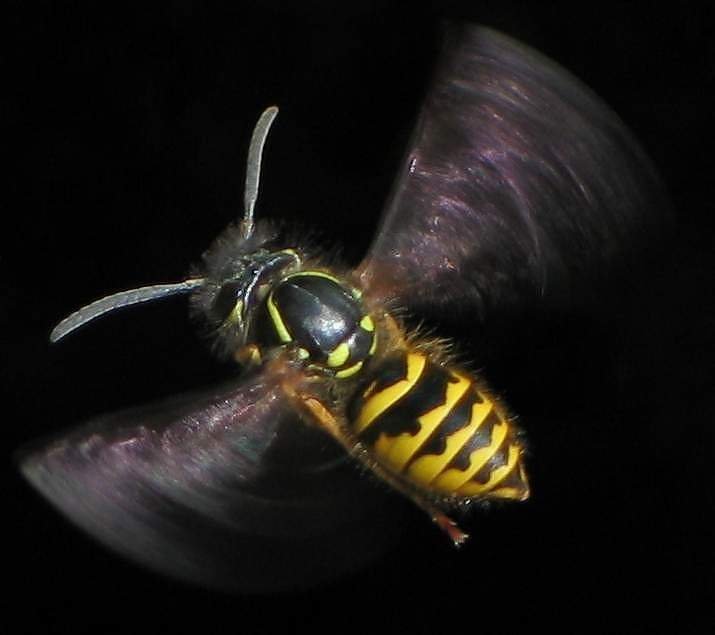
The brick city’s wasps found the same secret passage its termites did: the veneer cavity. The designed air gap between brick and frame — and the weep holes that ventilate it at grade — give yellowjacket queens a fortress most towns can’t offer: weatherproof, thermal-massed, entered through openings that must stay open, and utterly invisible from outside. The wall-cavity colony is Huber Heights’ signature wasp call — traffic at a weep hole or a mortar gap that reads as “a few wasps” in July and reveals a colony of thousands inside the veneer by September — and it comes with the same hard rule as every void nest, amplified by masonry: never spray the opening, never plug the hole, and treat the cavity itself or don’t bother. Behind the signature call runs the standard slab-ranch file. Here’s the whole brick-city map.
The Veneer-Cavity Colony
The sequence runs like the soffit story with a masonry accent. A queen enters a weep hole or an aged mortar gap in May; the colony builds in the cavity’s protected vertical space through summer, its light traffic lost against the brick; and by late August the steady stream at one course of the wall announces a nest at full garrison — sometimes with the interior tell that separates brick jobs from all others: a faint papery rustle audible at the drywall on quiet evenings, and occasionally scouts emerging indoors at outlets and window frames where the cavity meets the interior wall. The DIY failure modes are absolute here. Spraying the weep hole kills doorkeepers while the colony reroutes through the cavity network — frequently indoors. Plugging the hole is worse twice over: it aims the colony at the interior and blocks the drainage the wall requires (the same never-plug rule as the city’s termite and spider files — the weep holes are load-bearing openings in every sense). The professional protocol: dusk treatment with materials placed into the cavity at the active entries and carried through the void network by the workers themselves, interior monitoring at the outlet-and-frame points, verification that the wall goes quiet — and only then the optional stainless weep-hole vents that keep future queens out while preserving the drainage, the one permanent fix the brick allows.
The Rest of the Brick-City File
- The slab-ranch standards: paper wasp umbrellas under eave lines, shutter backs, and rail ends — the April-through-June broom-stage patrol, and dusk treatment for the established traffic-zone nests.
- The ground game: yellowjacket colonies in the fenced yards’ old burrows, peaking with September’s mowing — the July lawn walk and pre-mow glance discipline, doubled on the field-adjacent northern streets.
- The garage-and-shed inventory: the storage-heavy brick city’s equipment nests — grills, mowers, and stored fixtures checked before first seasonal use.
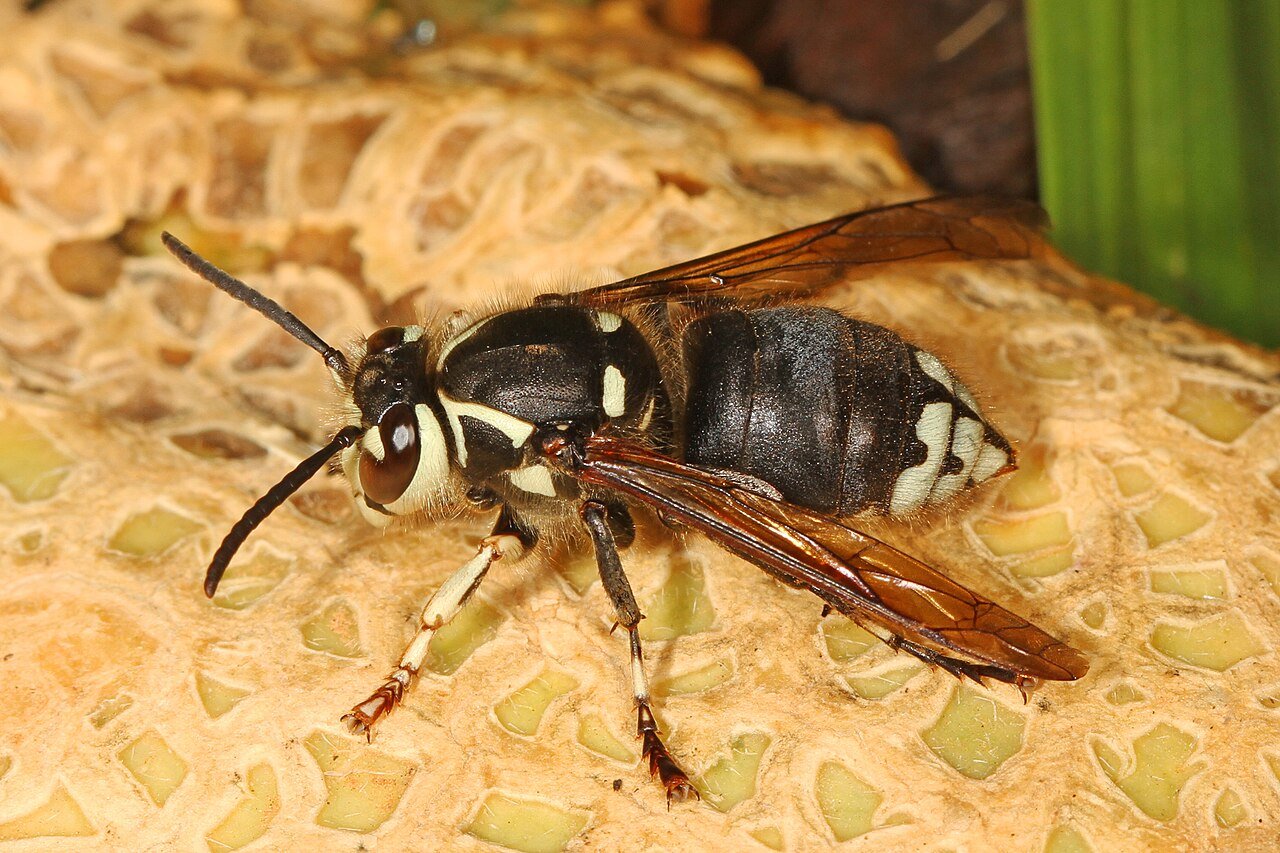
- The harmless giants: July’s cicada killers over the sunny lawns — the standing free acquittal, and the fall’s canopy footballs triaged by altitude and traffic like everywhere else.
The Huber Heights Calendar and Bottom Line
May: queen season — weep-hole and mortar-gap entries happen now, invisibly, which is why the stainless-vent retrofit belongs on spring project lists. June–July: cavity colonies build; the eave-and-shutter patrol catches the visible file at broom stage. August–September: discovery season — the wall streams announce themselves at full garrison, the ground nests meet the mowers, and the call volume peaks. October: frost ends the colonies; vents and sealing close the year — cavity real estate stays attractive until it’s screened. Same-week response, same-day for doorway nests, allergy households, and any colony showing interior emergence — that last one jumps every queue — at one flat price quoted first: the service at professional wasp nest removal, the taxonomy at wasp vs. hornet and the yellowjacket file — and the brick city’s whole ledger at Huber Heights pest control.
Wasps Working a Weep Hole — or a Rustle in the Wall?
The cavity specialists: dusk treatment in the void, interior monitoring, verified quiet, and the stainless vents after — flat-priced and guaranteed across Huber Heights.
Frequently asked questions
Wasps are going in and out of the little holes in my brick — what are they?
Weep holes — the veneer’s designed drainage openings — hosting a yellowjacket colony in the wall cavity behind the brick. It’s Huber Heights’ signature wasp call, and it needs cavity treatment at dusk, never a spray at the opening.
Can I plug the weep holes to keep wasps out?
Never with sealant — the holes drain and ventilate the wall by design, and plugging aims the colony indoors while trapping moisture. The permanent fix is stainless weep-hole vents, installed after the colony is verified dead: bugs out, drainage preserved.
I hear a papery rustle in the wall on quiet evenings — wasps?
Possibly a cavity colony at work — the brick city’s distinctive interior tell, sometimes joined by scouts emerging at outlets and window frames. Interior emergence jumps every queue; call the same day.
What happens if I spray the hole where they enter?
Doorkeepers die and the colony reroutes through the cavity network — frequently into the house through outlet and frame gaps. Void colonies are treated inside the cavity with worker-carried materials, or the treatment isn’t one.
When do queens get into the brick?
May — invisibly, through weep holes and aged mortar gaps, with colonies building silently until August’s traffic announces them. The stainless-vent retrofit on a spring project list cancels the whole storyline.
Are the ground wasps in my fenced yard related?
Different colony, same season: yellowjackets in the yard’s old burrows peak with September mowing. The July lawn walk and the pre-mow glance are the discipline; found holes get dusk treatment, never a plug.
What about the huge wasps hovering over the lawn in July?
Cicada killers — the standing free acquittal: two-inch solitary diggers whose hoverers can’t sting. No treatment sold for the summer’s most dramatic harmless insect.
How fast can you reach a Huber Heights wasp problem?
Same-week standard; same-day for doorway nests, sting-allergy households, and any interior emergence — flat price quoted first, dusk cavity treatment with verification, and the vent retrofit offered after.
Why the Brick City Gets the Cavity Version of Everything
Step back and the pattern across Huber’s whole pest ledger comes into focus: the veneer cavity is the city’s recurring character. Termites climb it unseen, spiders staff its weep-hole doors, and yellowjackets fortress inside it — three unrelated species, one architectural feature, and one consistent professional principle: the openings that make brick veneer work (drain, ventilate, breathe) can never be sealed shut, so every cavity problem is solved through the openings rather than by closing them — worker-carried treatments, soil-level interception, screened-not-plugged vents. It’s also why the brick city rewards a single company knowing its walls across every service: the tech who treated your veneer’s wasp colony in September is reading the same cavity your termite ring monitors and your spider program de-webs, and the stainless vents that end the wasp story also close the spider story’s favorite retreat. One wall, one map, every service — the brick city’s version of the only philosophy this whole library sells: understand the structure, and the pests explain themselves.