
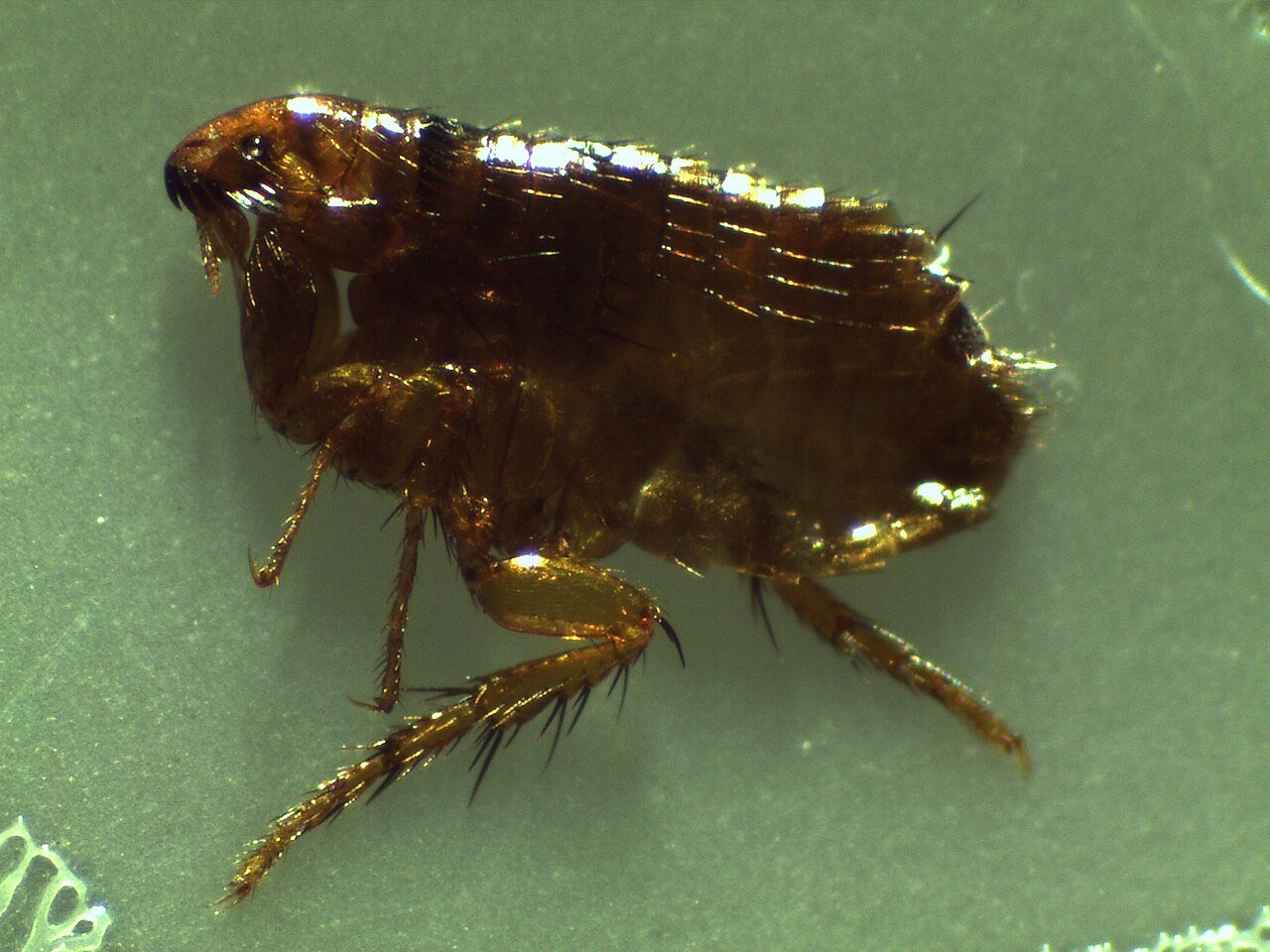
Dayton’s flea cycle runs on the city’s animal economy — and the city’s animal economy runs deeper than its pet registry. The stray and community-cat population working the alleys, the urban wildlife threading the fence lines, the porch colonies fed by soft-hearted blocks, and the connected yards of dense residential streets together maintain a flea reservoir that no single household’s vet appointment can touch. Add the housing side — shaded postage-stamp yards, shared porches, basement apartments, and rental turnover that inherits previous pets’ dormant pupae — and the city’s flea math explains itself: introductions from every direction, incubation in every shaded margin, and the two-front fix needing a third, distinctly urban front. Here’s the Dayton version of the program.
The Urban Reservoir
- The community-cat economy: alley and porch cats cycle flea eggs through every block they patrol — and the same streets that feed them inherit the seeding. It’s a kindness with a side effect, and the management answer is habitat and porch discipline, not blame.
- The connected-yard effect: dense residential blocks share fence lines, shaded margins, and under-porch voids — one block’s reservoir refills every yard on it, which is why the same streets in South Park, DeWeese, and the older east side produce flea calls in clusters.
- The rental-turnover pupae: the classic Dayton move-in surprise — dormant pupae from a previous tenant’s pet waking to new footsteps two or three weeks after the lease starts. No pet required, and the premises treatment is the landlord conversation our documentation supports.
- The under-porch nursery: the city’s deep porches and crawl-adjacent voids offer exactly the humid shade flea larvae need — the urban equivalent of the suburban deck shadow, and the first place we treat on most Dayton jobs.
The Three-Front Urban Program
The standard two fronts hold — every pet on veterinary preventives (one untreated animal sustains the household cycle solo) and the premises treated (adulticide plus insect growth regulator across carpets, cracks, pet routes, and the car, with the honest two-to-four-week pupal-window briefing) — and Dayton adds the third: the reservoir margin. That means the under-porch and crawl-adjacent voids treated and skirted, the shaded yard margins and fence-line runs handled with growth regulator, porch-feeding moved off the ground and onto managed schedules where community cats are part of the block’s life, and the wildlife routes (trash discipline, gap-closed crawl spaces) tightened so the nightly commute stops re-seeding what the treatment just cleared. Renters get the documentation angle: move-in flea eruptions trace to premises history, our written findings support the habitability conversation, and the landlord-funded premises treatment is the correct fix — not a tenant’s endless bug-bomb cycle, which fails on biology anyway (foggers don’t reach pupae). The full self-serve campaign lives at how to get rid of fleas, with the evidence checks at signs of fleas and the ankle-bite pattern at do fleas bite humans.
Reading a Dayton Flea Problem
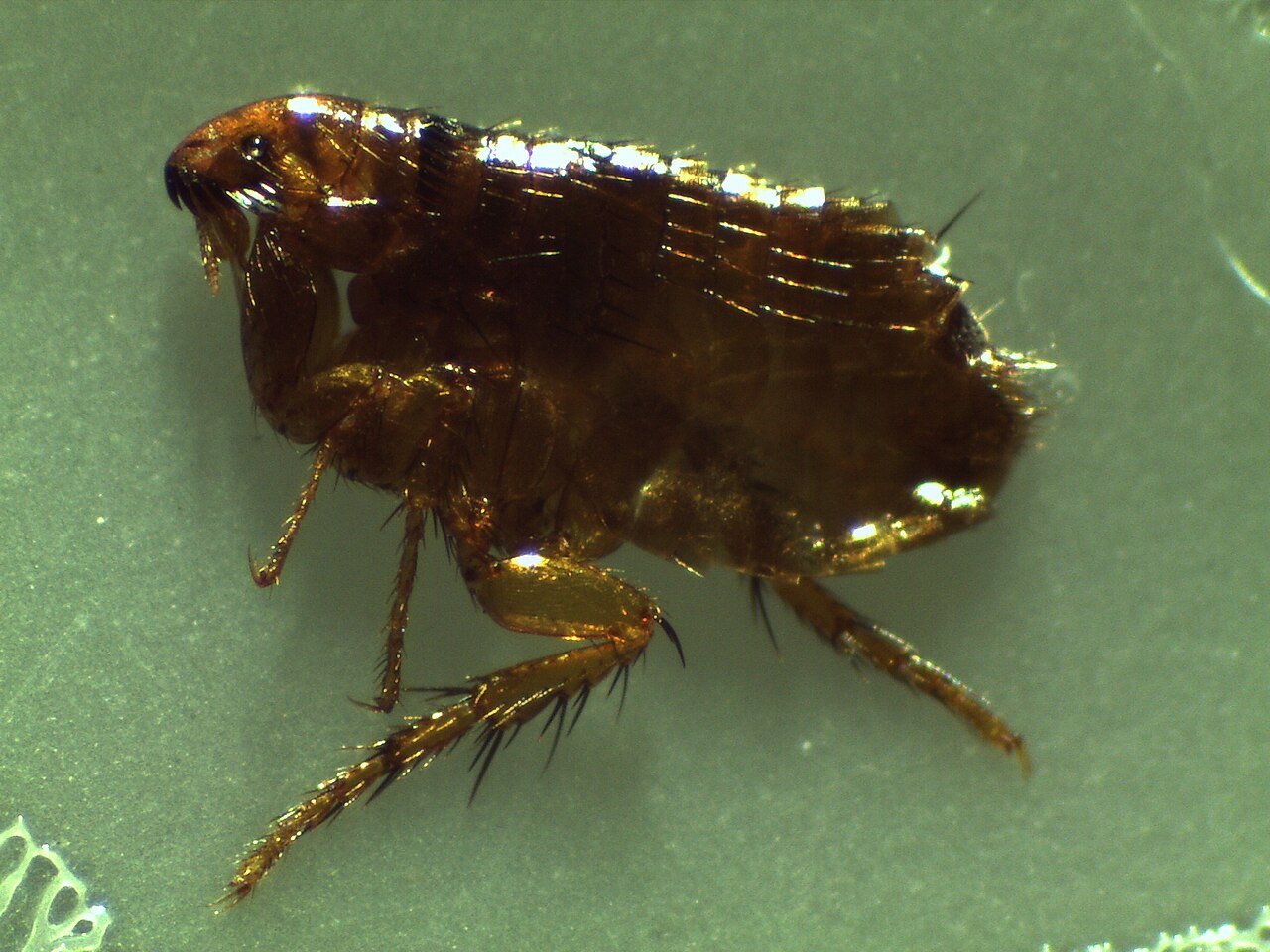
The diagnostic sequence sorts the source in an evening. The white-sock walk through carpeted rooms and the yard’s shaded margins maps where the population actually lives — indoor-heavy points to premises history or the household’s own pets; yard-heavy points to the reservoir margin. The pet check — flea-comb over wet paper towel, rust-blooming specks — confirms the animal front. The timeline test separates move-in eruptions (dormant pupae, two-to-three-week lag, landlord conversation) from mid-summer builds (active seeding, reservoir conversation). And the block context — porch cats, neighbor pets, the fence-line wildlife run — predicts whether a one-household fix will hold or whether the margin front has to carry the job. That last honesty matters here more than anywhere: on the densest blocks, a premises-only treatment without the margin work buys a quiet month, not a quiet year, and we say so on the estimate rather than after the callback.
The Dayton Calendar and Bottom Line
The season builds from May, peaks through the humid stretch of July into September — when the urban heat island runs Dayton’s hatch a beat ahead of the suburbs — and persists indoors all winter wherever autumn seeding met a furnace. The strategic windows: spring preventives on every animal before the wave; summer margin treatment where the sock test says; fall premises knockdowns for any household that fought through August; and move-in vigilance (plus documentation) for every lease that starts in pupae season. One flat price covering all three fronts with the follow-up visit built in, coordination with your vet on the animal side, and the guarantee behind it: the service is at flea treatment — and the city’s whole file, rodents and roaches included, at Dayton pest control.
Fleas on a Dayton Block That Never Quite Clears?
Because the reservoir margin is re-seeding it — we treat all three fronts, document the rental cases, and coordinate the vet side. One flat price, guaranteed, citywide.
Frequently asked questions
Why do fleas keep coming back on my Dayton block?
The urban reservoir — community cats, wildlife fence-runs, and connected shaded yards — re-seeds treated properties from next door. Premises treatment alone buys a month on dense blocks; adding the margin front (under-porch voids, fence lines, feeding discipline) buys the year.
We moved into a Dayton rental and got fleas with no pet — how?
Dormant pupae from a previous tenant’s animal wake to new footsteps two to three weeks after move-in — the classic eruption. It’s premises history, our written findings document it, and landlord-funded premises treatment is the correct fix.
Do the porch cats cause flea problems?
They cycle eggs through every block they patrol — a kindness with a side effect. The management answer is discipline, not blame: feeding off the ground on managed schedules, skirted porches, and margin treatment where the colony rests.
Where do fleas actually live in a city yard?
The humid shade: under porches, crawl-adjacent voids, fence-line runs, and the shaded margins of postage-stamp yards — not open sunny grass. The white-sock walk maps it in ten minutes, and that map is where treatment goes.
Why don’t flea bombs work in apartments?
Foggers can’t reach the sealed pupae that carry the infestation, they contaminate surfaces, and in connected buildings they scatter nothing useful anywhere. Growth-regulator premises treatment plus the pet front is what actually breaks the cycle.
Which Dayton neighborhoods see the most flea pressure?
The dense older blocks with deep porches and connected yards — South Park, DeWeese, and the east side’s porch-cat corridors cluster the calls. The urban heat island also runs the city’s hatch a beat ahead of the suburbs each summer.
Do fleas in Dayton carry anything serious?
The standard file: flea allergy dermatitis in pets, tapeworm from swallowed fleas, anemia risk in heavily infested kittens — plus ankle-line bites on people when populations overflow. Worth ending properly, especially where strays keep the reservoir stocked.
What does flea treatment cost in Dayton?
One flat price covering all three fronts — interior program with growth regulator, the reservoir-margin work, and the written counsel — with the follow-up visit built in, vet coordination on the animal side, and rental-case documentation included.