
Miamisburg gives termites the two things they prize most — moisture and vintage wood — and has for a century and a half. The town’s historic core is river-valley real estate: wood-frame housing from the 1800s onward standing on stone and early-block foundations in Great Miami floodplain soil that holds dampness the way subterranean termites need it held. Climb the hill into the newer neighborhoods and the story shifts to the standard slab-era questions, but the downtown blocks, the older streets around the Mound, and every frame Victorian near the river run the classic version of Ohio termite risk: moist soil, old sills, and colonies that have worked this valley since before the houses had numbers. Here’s how we protect both Miamisburgs — and how the river changes the math.
The River Valley Risk Profile
- Floodplain moisture: subterranean colonies live or die by soil dampness, and valley soil delivers it year-round — Miamisburg’s riverside blocks carry some of the steadiest background termite pressure in Montgomery County, wet springs amplifying it further.
- Vintage frame housing: the 1800s-and-early-1900s stock pairs original sills and joists with stone foundations whose mortar lines offer entry — and a century-plus of past leaks, additions, and porch repairs has left most of these houses with at least one historic soft spot a colony can find.
- The stone-foundation window: the same old basements that create risk also reveal it — mud tubes climbing interior stone walls are visible evidence, and an annual flashlight walk of the perimeter genuinely protects these houses in a way slab construction never allows.
- The hilltop slab stock: the newer neighborhoods run the hidden-entry file — expansion joints, plumbing penetrations, bath traps — with evidence surfacing indoors at baseboards and window sills rather than on a wall you can walk past.
- The landscape contributions: mature shade, old fence lines, garden timbers, and the wooded river corridor keeping natural colonies dense — the standard Ohio ledger, running a notch heavier in the valley.
Reading a Vintage Miamisburg House
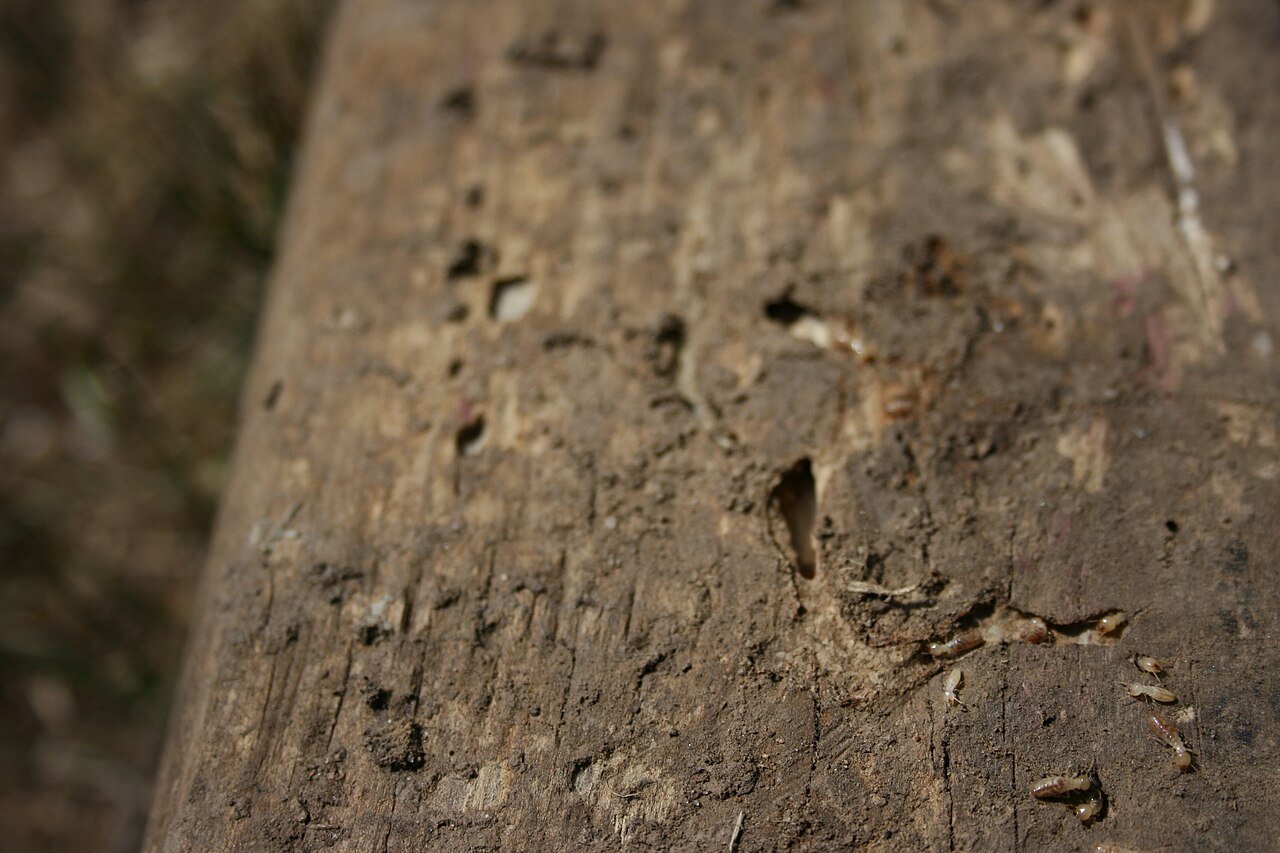
The old-stock inspection rhythm is wonderfully concrete. Spring, basement, flashlight low: rake light along the stone walls and sill line hunting the pencil-width tubes, check pier bases and anywhere plumbing drops through, and probe the wood around every historic leak site — termite-softened framing yields where sound wood resists, and damage runs with the grain in mud-packed galleries (the full evidence kit). March through May, windowsills: swarm season — dark, equal-winged insects or shed-wing piles indoors mean a mature colony in or under the structure, after the flying-ant check clears the lookalike. Year-round, the moisture ledger: gutters, grade, and the four-inch visible-foundation rule at the mulch line — because in valley soil, every moisture improvement is a termite deterrent with a second job. And a specific vintage-housing note: renovation is inspection opportunity — any Miamisburg remodel that opens walls or floors near grade deserves a termite eye on what’s exposed before it closes again; catching historic damage mid-project costs a phone call, while finding it two years later costs the project twice.
Protection for Both Miamisburgs
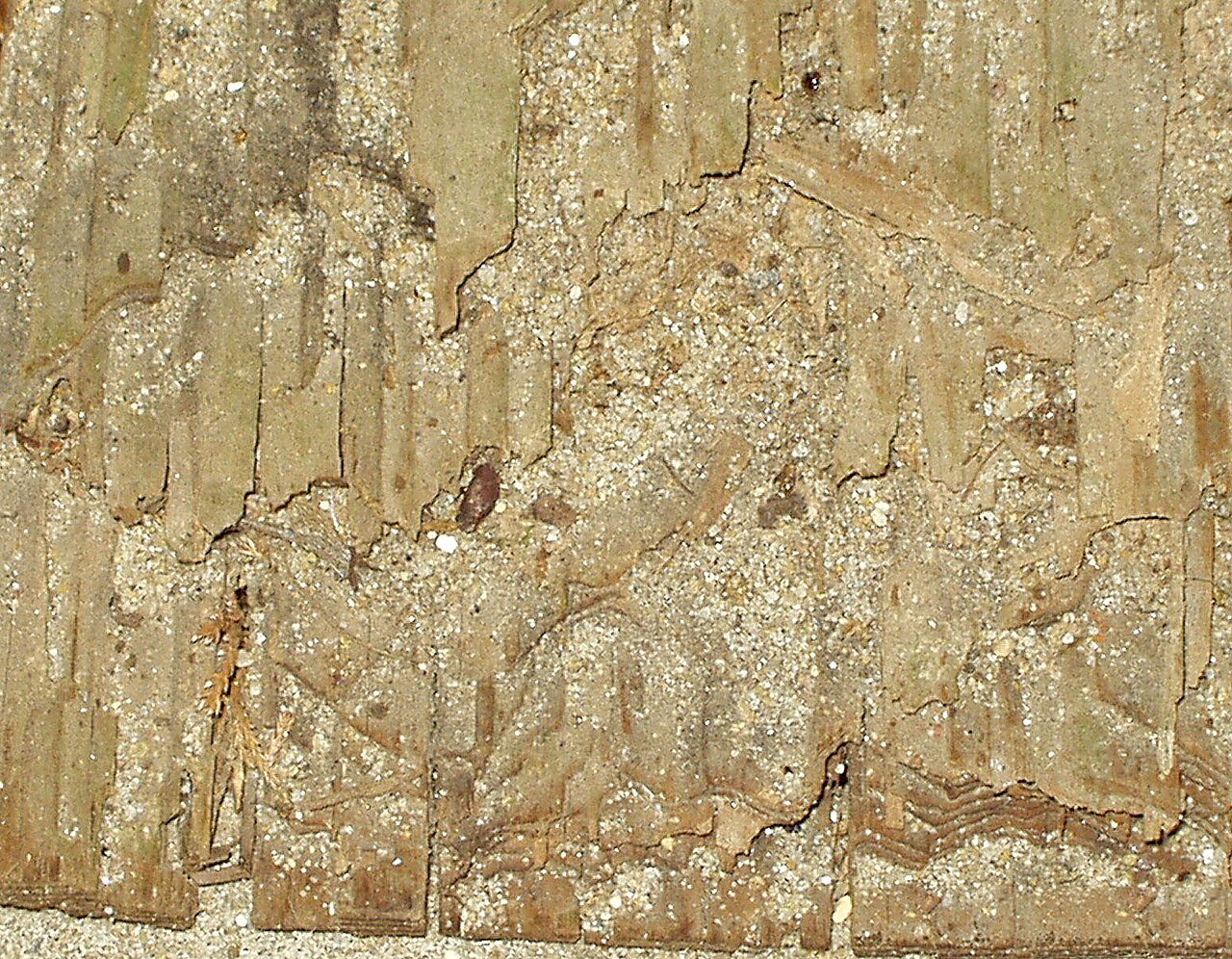
The program follows the housing. Bait station rings are the standard for both eras — intercepting foragers in the soil before stone-wall climbs or slab-joint entries, collapsing the colony through shared bait, and standing permanent guard — and they suit the historic district particularly well, since trenching liquid barriers against rubble-stone foundations and mature streetscapes is invasive where an in-ground ring is not (the full case). Liquid soil treatment answers confirmed active infestations needing faster knockdown, applied to the foundation line and through slab penetrations as construction dictates. Active-damage findings get honest scoping with repair guidance — and the calibration the vintage stock deserves: century-old houses often carry old, dead evidence (abandoned tubes, historic galleries) from battles previous owners already won; distinguishing archaeology from activity is precisely what the break-test and follow-up protocols exist for, and it changes the bill considerably. Annual inspections anchor everything, transferable documentation serves the sales that valley Victorians are always heading toward, pricing stays flat and published on the cost page — and no house in this valley will ever need a tent, whatever a scare-quote inspector implies.
The Miamisburg Calendar and Bottom Line
Swarm season, March through May, fills the discovery file; summer feeds silently; fall is bait-installation prime time (pre-winter foraging finds stations fast); winter pauses nothing under heated floors. The valley’s bottom line matches the region’s with the pressure turned up a notch: eastern subterranean termites are the most solved major pest in Ohio, and a monitored ring plus an annual inspection converts riverside vintage-housing risk into a routine line item — the households that treat it that way never accumulate a termite story worth telling. One flat price, a licensed applicator who knows stone foundations from slab joints, the method at termite control — and the rest of the town’s file, fleas included, at Miamisburg pest control.
Tubes on the Stone — or Wings on a Valley Windowsill?
Free identification, activity-versus-archaeology honesty, and protection matched to the house’s era — flat-priced and guaranteed across Miamisburg.
Buying or selling in Miamisburg? What a lender, a VA file, or a listing agent asks for is not a treatment — it is a written report. That is a termite and WDI inspection in Miamisburg: $99 flat on the lender-ready NPMA-33, next business day, PDF the day we inspect. Treatment only enters the conversation if the report actually finds something.
Frequently asked questions
Is termite risk really higher near the river in Miamisburg?
Steadier, yes — subterranean colonies depend on soil moisture, and floodplain ground delivers it year-round, keeping background pressure on the riverside blocks among Montgomery County’s most consistent. Monitoring rings matter a notch more in the valley.
My old Miamisburg basement has mud tubes — is the house infested?
Possibly historically — century-old houses often carry abandoned tubes and dead galleries from battles previous owners won. The break test settles it: an active colony repairs a breached tube within days; archaeology stays broken. The distinction changes the bill considerably.
What should I check in a vintage frame house for termites?
Spring basement walk with a low flashlight: stone walls and sill line for pencil-width tubes, pier bases, plumbing drops, and the wood around every historic leak site. Add windowsills in March–May for swarmers and shed wings.
Should a Miamisburg remodel get a termite inspection?
Absolutely — any project opening walls or floors near grade exposes what no routine inspection can see, and a termite eye before closing costs a phone call. Finding historic damage mid-project beats finding it two years later, twice over.
Do you trench chemical barriers around historic stone foundations?
Rarely — bait station rings protect vintage houses without trenching rubble stone or tearing mature streetscapes, intercepting colonies in the soil before the wall climb. Liquid treatment stays in the kit for confirmed active infestations needing fast knockdown.
When do termites swarm in Miamisburg?
March through May, on warm humid afternoons after rain — indoor swarmers or wing piles mean a mature colony in or under the structure and a this-week inspection. Fall is the smart bait-installation window; colonies find stations fast before winter.
Does termite protection transfer when selling a valley Victorian?
Ours does — transferable documentation and current inspection records read as diligence to buyers and lenders, and the vintage stock heads to market often enough that the paperwork regularly earns its keep at closing.
What does termite control cost in Miamisburg?
Flat, published pricing — bait ring installation with annual service, or liquid treatment scoped to the structure — with a free inspection first and the activity-versus-archaeology honesty built in. No Ohio house ever needs tenting.