
The cloud of tiny flies has colonized your kitchen, your home office, or the airspace over every houseplant you own, and the internet has already sold you three traps that didn’t work. Deep breath: gnat elimination is a source problem wearing a fly costume, and the households that win do one thing differently — they stop fighting the adults (short-lived, replaceable, infinite) and cut off the nursery (singular, findable, mortal). This is the complete how-to: first the two-minute identification that routes everything (because “gnats” is four different insects with four different nurseries), then the full elimination protocol for each — fungus gnats in the plant pots, fruit flies at the produce, drain flies in the pipes, and the outdoor swarms with their own physics — plus the trap recipes that actually pull their weight, the timeline that keeps you from declaring failure on day four, and the honest line where a professional inspection beats another weekend of guessing. Greater Dayton Pest & Rodent, free photo ID as standard: (937) 569-3330.
Step zero: which gnat? (two minutes, routes everything)
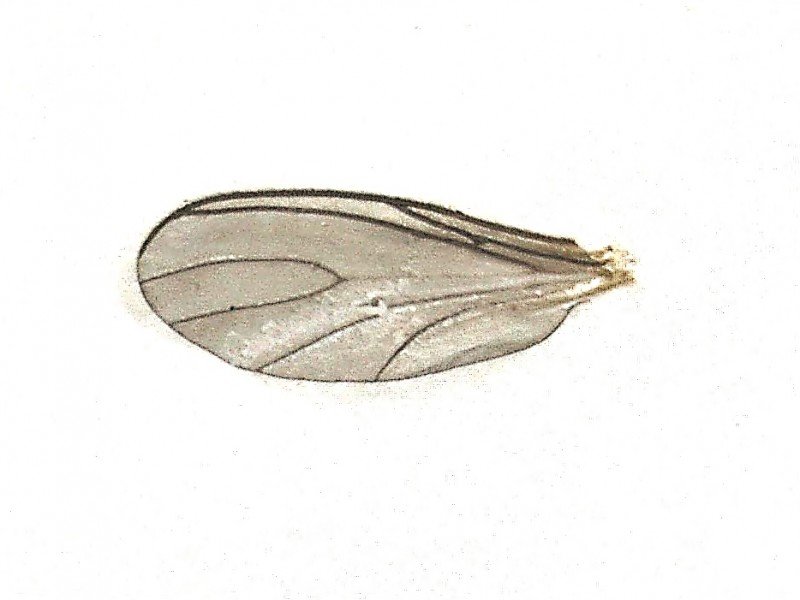
Wrong ID is the number-one cause of gnat-fight failure, so spend the two minutes. Hovering around plants and windows, delicate and mosquito-shaped: fungus gnats — nursery is damp potting soil; this page’s main event. Orbiting fruit, trash, recycling or the coffee maker, stocky tan flier with red eyes: fruit flies — nursery is something fermenting; the breeding-site method runs that case. Fuzzy moth-shaped sitters on bathroom and kitchen walls: drain flies — nursery is pipe biofilm; the tape-test-and-brush protocol ends it. Outdoors, at dusk, and they BITE: midges — different physics entirely, covered with the rest of the biters in do gnats bite. Can’t tell? A yellow sticky card near the activity for 24 hours produces a specimen census, and a photo of the card to our line produces a verdict. Two minutes, then fight the right war.
Fungus gnats: the overwatering tax, repealed
Fungus gnats (the dark-winged Sciaridae of houseplant fame) run their entire economy on one resource: constantly moist organic potting media. Adults live a week, bumble around, and lay up to 200 eggs in damp soil; larvae — tiny translucent threads with black heads — spend two weeks eating fungus, algae and root hairs in the top two inches of the pot; and the conveyor repeats every three to four weeks indoors, indifferent to season. Which means the entire infestation stands on a single decision you control: how wet the top two inches of your pots stay. The cure is cultural, and it’s nearly absolute: let the soil dry. Water only when the top one to two inches are dry to a probing finger (most houseplants prefer this anyway — fungus gnats are frequently the first symptom of chronic overwatering that was quietly hurting the plants too), water from the bottom where practical so the surface layer stays dry, empty saucers after watering, and fix the drainage on any pot that holds swamp. For the impatient or the heavily infested, stack the accelerators: BTI (Bacillus thuringiensis israelensis — mosquito dunks or bits) crumbled into the watering can kills larvae biologically with zero risk to plants, pets or people; yellow sticky cards horizontal at soil level census the adults and cut egg-laying; a half-inch top-dress of coarse sand or fine gravel denies females the damp organic surface they need for laying; and hydrogen peroxide drenches (one part 3% to four parts water) kill larvae on contact in stubborn pots, fizzing harmlessly. Quarantine every new plant for two weeks (nursery soil is the import route), skip the outdoor soil-scooping economy, and the conveyor stops inside a month.
The trap bench: what earns its counter space
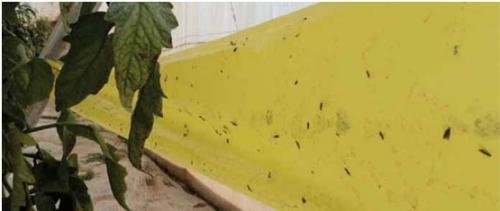
Traps kill adults, and adults were always the disposable half of the problem — but the right traps do two jobs the spray can can’t: they measure (a trap line trending toward zero is the only honest victory certificate) and they suppress egg-laying while your source-fix starves the nursery. The bench, graded: yellow sticky cards — the workhorse; gnats are hardwired toward yellow, cards laid flat at soil level catch fungus gnat adults by the dozen, and the count-per-day is your progress bar; cheap, non-toxic, undefeated. Apple cider vinegar + drop of dish soap in a ramekin — the fruit fly classic (the soap breaks surface tension; the ferment does the marketing); works modestly on fungus gnats, brilliantly on fruit flies; the recipe refinements live in the fruit fly guide. Red wine dregs, overripe banana under cling wrap with fork holes — same principle, kitchen-sourced. The carnivorous option: a sundew or butterwort on the plant shelf eats fungus gnats continuously and delights children; genuinely effective at small scale, and the only pest control product that photosynthesizes. What doesn’t earn space: bug zappers indoors (they miss gnats and shower the counter with particulate — the research is grim), plug-in “UV traps” against soil-breeding species (they intercept a fraction of adults and touch zero larvae), ozone gadgets, and any aerosol “flying insect killer” — a mist that kills the six adults present while two hundred larvae mature untouched, the exact fogger fallacy in miniature. Traps measure and shave; sources decide. Budget accordingly.
The 14-day protocol, day by day
- Day 1 — Census and route: sticky cards at every activity zone (plant shelf, fruit bowl, bathroom, kitchen sink); 24 hours later the card locations and catch counts tell you which nursery (or nurseries — multi-source households are the norm, not the exception) you’re actually fighting.
- Day 1–2 — Kill the nurseries: fungus gnat route — watering stops until soil dries two inches down, BTI in the next watering, saucers emptied, sand top-dress on the worst pots. Fruit fly route — the fermentation hunt (fruit, recycling, drain margins, the forgotten potato). Drain fly route — tape test, then brush and gel. All routes — trash cans washed, disposal run with ice and citrus, compost pail sealed.
- Days 3–7 — Hold the line: adults persist (they were already alive; no method un-hatches them). Traps keep shaving the population; your job is watering discipline and not declaring failure. The classic quitting point is day 4–5 — the flies visible then are the last cohort, not evidence the method failed.
- Days 8–14 — The cliff: with no new larvae maturing, the adult population falls off its actuarial cliff; card counts drop toward zero. Any pot, drain or bowl still producing fresh catches is a missed source — re-run the census on that zone specifically.
- Day 14+ — Verify and keep the habits: one fresh card for 48 hours = the certificate. The maintenance doses: finger-test watering forever, weekly hot-water drain flush, produce in the fridge during peak season, quarantine for new plants. Total program cost: under $20 and one changed habit.
When the gnats are a message, not a nuisance
A persistent gnat cloud that survives an honest 14-day protocol has graduated from annoyance to messenger, and the message is always the same: there is damp organic matter somewhere you haven’t looked. The professional finds, from our eight-county case files: fungus gnats breeding in the wet soil of a crawlspace with a failed vapor barrier (the flies upstairs were the only visible symptom); a slow refrigerator-line leak feeding a colony under the kitchen cabinet kickplate; chronically wet fill dirt in an atrium planter the size of a bathtub; drain flies from a cracked sewer lateral under the slab — the plumbing-messenger scenarios in full; and the saddest regular: a houseplant collection watered devotedly by a well-meaning relative every single day, re-flooding the nursery each morning while the household ran the protocol each night. When the cards keep filling and the sources keep checking out clean, that’s the moment the inspection earns its fee: moisture meter, crawlspace eyes, drain scoping referrals, and the source-first doctrine applied by people who’ve seen where gnats hide their factories. Flies are cheap; undiscovered moisture never is — the gnats, like the silverfish, are frequently the least expensive part of what they’re telling you.
Getting rid of gnats outside: the honest version
The outdoor half of the search deserves its own expectations, because “get rid of” means something different in open air. What works: drainage discipline — the gnat clouds hovering over lawns and mulch beds breed in chronic wet spots (clogged gutters’ drip lines, downspout swamps, compacted low corners, overwatered mulch), and regrading or re-aiming water shrinks the airspace fleet within weeks; mulch moderation — a two-to-three-inch layer breathes, while the six-inch volcano against the foundation is a fungus-gnat and ant subsidy in one; evening fans and warm-toned lighting for the patio (the same feeble-flier physics and bulb-swap from our biting-gnat guide); and for the swarms that are actually midges off a pond margin, the fine-mesh screening and the yard program’s wet-margin management — two species, one habitat, one fix. What doesn’t: fogging the yard (kills the evening’s shift and the pollinators, changes nothing by Thursday), gnat “repellent granules” broadcast on lawns, and treating the neighbor’s pond by wishing. Outdoors you don’t eliminate gnats — you stop hosting their nurseries and stop standing in their flight paths, which for one household’s actual outdoor spaces turns out to be enough.
Gnat elimination questions, answered
I don’t have plants, fruit OR visible drain flies. Where are they coming from?
Run the hidden-source checklist in order of hit rate: the recycling bin’s syrup residue, the potato-and-onion bag’s bottom layer (the single most common “no source” answer — one liquefying potato runs a fruit fly colony for a month), the rarely used guest bathroom’s dry trap, the disposal splash guard’s underside, the compost pail, the humidifier tank, and the Christmas-cactus-in-the-corner someone waters on autopilot. Still nothing? Sticky cards by zone, then the inspection — a true no-source gnat cloud doesn’t exist, only an unfound one.
Will pouring bleach down drains get rid of gnats?
No — for drain flies it slides past the biofilm (the full explanation), for every other gnat the drain was never the nursery, and the pipes pay the corrosion bill either way. The bleach aisle keeps earning its spot in our myth series; the brush and the enzyme gel keep winning the actual fight.
Are gnats harmful to my plants, or just annoying?
Adults, harmless. Larvae, honestly: in ordinary numbers they eat fungus and debris; in heavy infestations they graze root hairs enough to stunt seedlings, cuttings and stressed plants (mature houseplants shrug it off). If a plant is declining in chronically wet soil with gnats present, the overwatering is usually the disease and the larvae the accomplice — the dry-down cure treats both at once.
How do restaurants and offices handle this?
Same doctrine, institutional scale: our commercial program runs scheduled drain bio-gel on every floor drain, produce-rotation and bar-mat sanitation standards, sticky-trap monitoring with logged counts for the health inspector, and moisture audits of the back-of-house — because a fruit fly cloud over a bar or a gnat drift through an office atrium is a reviews-and-morale problem long before it’s an entomology one. The protocol on this page IS the commercial protocol; the difference is documentation and someone paid to never skip a week.
The cloud, dispersed for good
Every gnat cloud in every kitchen is a nursery with an address, and now you have the address book: soil, ferment, film, or wet margin — dried, found, brushed, or drained. Run the census, kill the source, hold the line through the day-five wobble, and let the cards certify the win. And when the cards won’t zero out, or the source hunt needs a moisture meter and a crawlspace flashlight, Greater Dayton Pest & Rodent picks up where the protocol leaves off — free photo triage, source-first inspections, and the same promise that runs this whole library: we treat what needs treating and teach the rest. (937) 569-3330, serving Dayton and all eight counties. The fruit bowl is worth reclaiming.
The seasonal gnat forecast for the Miami Valley
Indoor gnat pressure runs a predictable local calendar, worth knowing so you can pre-empt rather than chase. January–March: fungus gnat prime time — houseplants come in for winter, windows stay shut, well-meaning watering schedules ignore the fact that indoor plants drink less in low winter light, and by February the plant shelf hums; the finger-test watering rule prevents the whole season. April–May: transition — repotting season imports nursery-soil populations (quarantine!), and the first outdoor drainage problems wake up. June–August: fruit fly ascendancy — farm-market hauls, counter-ripened tomatoes, and every fermentation opportunity peak together; fridge discipline and same-day recycling rinse carry the summer, and the festival-season produce economy keeps our commercial drain routes busy. September–October: the drain fly reveal — heating season’s first weeks expose every dry trap in the county (the furnace-airflow effect from the drain guide), and basement floor drains headline the call log. November–December: quiet, unless the Thanksgiving potato bag or the poinsettia’s soggy foil wrapper writes its annual chapter. Rotate the four source-disciplines with the calendar — watering in winter, produce in summer, drains in fall — and a Miami Valley household can genuinely run gnat-free year-round on habits that total minutes a month. That’s the whole ambition of this page: not a victory, a routine.
The five-minute Friday audit
For maintenance mode, steal the checklist our technicians run in commercial kitchens, shrunk to household size — five minutes, ideally Friday (so weekend produce and watering start clean): 1) finger-test every plant pot; water only the dry ones, empty every saucer. 2) fruit bowl triage — anything past firm goes to fridge, freezer or compost pail (sealed). 3) recycling rinse-and-out; bin gets a sniff test and a wipe if it fails. 4) sixty seconds of hottest tap water down the kitchen and most-used bathroom drains; monthly, a bucket down the basement floor drain and any guest bath. 5) one glance at the standing sticky card on the plant shelf — a card that stays clean is the cheapest all-clear in pest control; a card that doesn’t is a two-week head start on the problem. Households that run this loop simply don’t call us about gnats — and the loop costs less attention than the cloud it prevents. That trade — minutes of habit for weeks of annoyance — is the best deal in this entire library, and it’s yours with a rubber band around the calendar.
Census taken, sources dried, habits set: the airspace is yours again. The photo line stands by for the stragglers and the mysteries — and the fruit bowl, at long last, is just a fruit bowl.
Four nurseries, one doctrine, fourteen days — the cloud never stood a chance once you stopped swatting and started finding. That pivot, from adults to sources, is the entire secret of this page and most of this profession: the fly you see is history already written; the nursery you find is the future you get to edit.
Frequently asked questions
How do I get rid of gnats in my house?
Identify which “gnat” first — the word covers three different insects with three different sources: fungus gnats (overwatered houseplant soil), fruit flies (fermenting produce), and drain flies (drain film). Match the fix to the fly and each clears in about a week; mismatch and the spray-and-hope cycle never ends.
What causes gnats in the house all of a sudden?
A source hitting maturity: a houseplant kept too wet for a few weeks, produce past its window, or a neglected drain. The sudden cloud is one insect generation emerging at once — count backward a week or two and the cause usually names itself.
How do I get rid of fungus gnats in houseplants?
Let the soil dry — the top two inches bone-dry between waterings kills the larvae that live on damp-soil fungus. Add yellow sticky cards for adults and, for stubborn pots, a bottom-watering regime or a BTI soil drench. Overwatering is the entire disease; dryness is the entire cure.
Does the vinegar trap work on gnats?
On fruit flies, brilliantly; on fungus gnats, poorly (they want fungus, not ferment); on drain flies, not at all. The trap is actually a diagnostic: a full trap says fruit flies; an ignored trap says check the plants and drains.
Do gnats bite people?
The household trio — fungus gnats, fruit flies, drain flies — cannot bite. The outdoor biters people call gnats (black flies, biting midges, buffalo gnats) are a different summer file covered on our do-gnats-bite page.
Why are gnats around my drains?
Drain flies breeding in the gel film inside the pipe — fuzzy, moth-like, terrible flyers found resting on nearby walls. Brush plus enzyme cleaner beats bleach (which pours past the film); the tape-over-the-drain overnight test convicts the right drain first.
How do I get rid of gnats in the kitchen?
Run the three-source sweep: produce to the fridge and the vinegar trap out (fruit flies), any plants onto a drying schedule (fungus gnats), drains brushed and enzyme-treated (drain flies). One evening of triage beats a month of swatting.
Are gnats harmful to plants?
Fungus gnat larvae chew roots at high density — seedlings and delicate plants can genuinely suffer; established houseplants mostly shrug. The dry-out cure protects the plants either way, and yellow cards monitor the win.
Why do gnats fly at my face?
CO₂ and moisture — exhaled breath and the moisture of eyes read as targets to several small flies. Ceiling fans and moving air disperse the cue; it is annoyance biology, not aggression.
When do gnats warrant professional help?
When the source hunt fails after the three-sweep week, when “gnats” turn out to be phorid flies (the humpbacked plumbing-leak flag — a genuinely important catch), or in commercial kitchens under health-code pressure: (937) 569-3330.
The Homemade Gnat Trap, Perfected (and Its Limits)
The internet’s favorite recipe works — if it matches your gnat. The build: a small jar with an inch of apple cider vinegar, one drop of dish soap (breaks surface tension so landers sink), covered with plastic wrap punched with three or four pencil-tip holes; set it beside the fruit bowl or wherever the cloud is thickest, refresh every two days. It reliably harvests fruit flies, which hunt fermentation. Its limits are species: fungus gnats (from potted plants) mostly ignore vinegar — for them, yellow sticky cards at soil level plus letting the top inch of soil dry beats any jar — and drain flies ignore it completely, since their world is the pipe. A trap that catches nothing in 48 hours isn’t failing; it’s telling you which species you have, which is exactly the diagnosis this page’s sections are organized around. And as always: the trap harvests adults while the source — overripe fruit, wet soil, drain film — keeps producing. Jar plus source removal ends it in a week; jar alone runs forever.