
Maineville is two housing markets wearing one ZIP code. There is the old village along Montgomery Road — 19th-century frame houses, stone foundations, additions layered on across a century and a half — and then there is everything 45039 has become, the subdivisions spreading through Hamilton Township toward Kings Mills and Landen, most of it built since 2000. The WDI inspection looks different in each, and the price does not: $99 flat on the lender-ready NPMA-33, next business day, PDF the day we inspect, pay at booking or on the settlement statement.
What Inspections Actually Find in Maineville
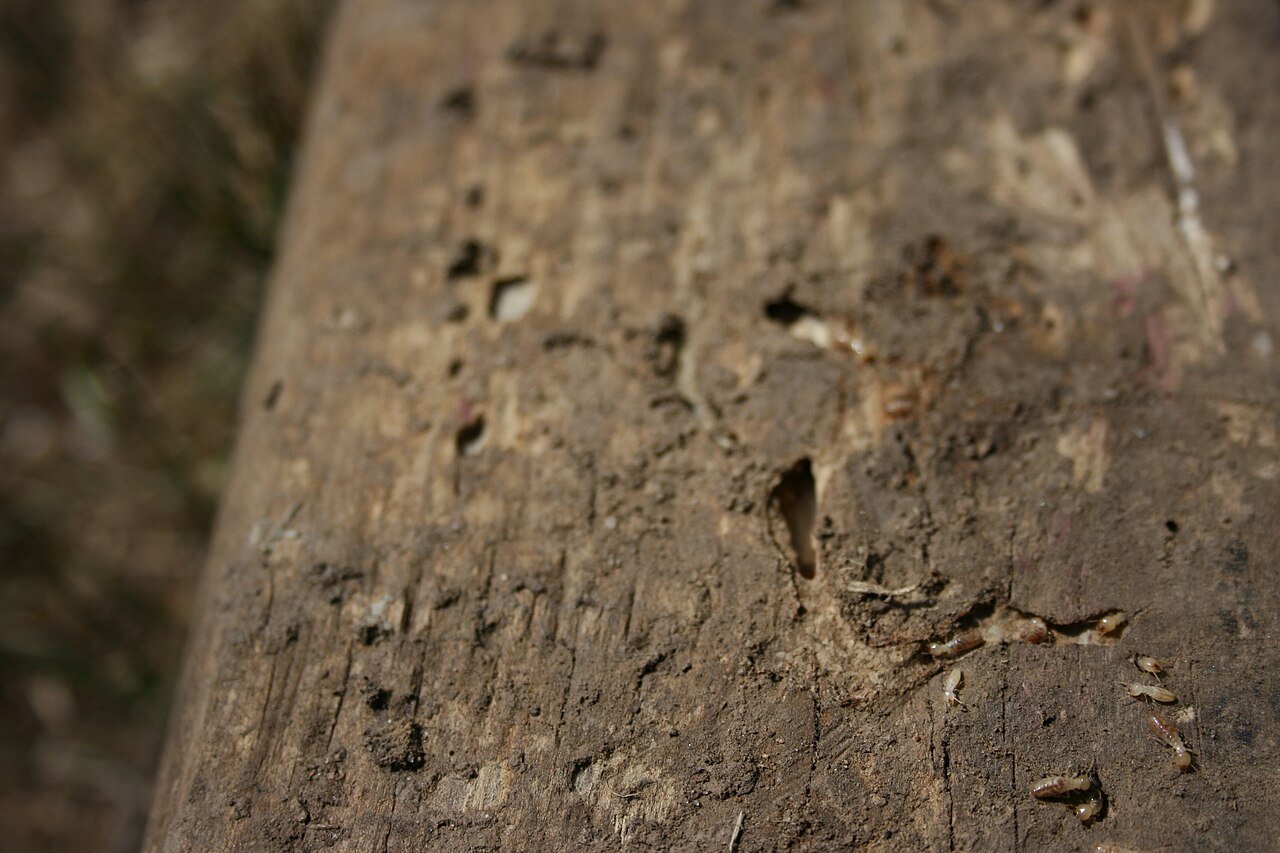
One termite species matters for an Ohio real estate file: the eastern subterranean termite. It lives in soil, it needs moisture, and it reaches wood through mud tubes it builds itself. That makes the Little Miami corridor a genuinely relevant detail rather than scenery. River-valley ground holds water, the terrace soils above it drain unevenly, and the wooded ravines that make these lots desirable also keep the ground damp and shaded well into summer.
In the village core, the recurring finding is the foundation itself. Stone and early block walls were never built to shed water the way a modern footing does, and many have a crawl space with a dirt floor under at least one part of the house. Add a porch that was enclosed in the 1950s, a kitchen bumped out in the 1980s, and a mud room framed on at some point by somebody’s brother-in-law, and you get four different foundation types on one property — each with its own soil-to-wood contact and its own history.
The newer side of 45039 has the opposite profile and it surprises people. A house built in 2006 can absolutely have termites, and the reason is usually construction-era rather than age: builder-grade landscape beds pressed against the siding, downspouts discharging at the corner instead of away from it, and a treated soil barrier that was installed once at construction and has been quietly expiring ever since. Add a deck ledger, a stoop poured tight to the foundation, and a stretch of buried siding where the final grade came in too high, and a twenty-year-old house has every entry point a hundred-year-old one has.
The Village House With Four Foundations
An 1880s house on the old grid is not a harder inspection because it is old. It is harder because it is really several buildings that agreed to share a roof. The original block sits on stone. The rear ell may sit on brick. The 1950s porch enclosure is on piers. The 1980s addition is on a modern footing with a poured wall. Four eras, four ways the wood meets the ground, and no single crawl hatch that gets you to all of them.
So the inspection is a circuit rather than a walkthrough: every crawl access opened, sill plates probed where they are reachable, the joint lines between old and new checked specifically, and the exterior walked at the soil line all the way around, including the side nobody has looked at since the fence went in. Old evidence is common in a house like this and it is not a deal-killer — but the report has to distinguish clearly between what happened decades ago and what is happening now, because a buyer’s lender will read those two findings very differently.
Built for the Transaction Timeline
Nobody orders a WDI report for fun. It gets ordered because a lender asked, a VA file requires it, or a listing agent wants the question closed before the first showing. So it is built not to be the reason a closing slips: $99 flat, scheduled next business day in most weeks, signed NPMA-33 delivered as a PDF the same day we inspect. Pay at booking, or bill it on the settlement statement.
- The form lenders want. NPMA-33 is the national standard; it is what underwriters, VA files, and relocation companies look for.
- A licensed applicator does the inspection. Ohio-licensed in the categories covering wood-destroying insects — not a general home inspector adding a checkbox.
- Every foundation type gets its own note. On a village house with additions, the report says which section was inspected and which was inaccessible, rather than averaging the house into one line.
- No treatment quoted unless warranted. If the report is clean, it is clean. We are not hunting for a reason to sell a job.
One ZIP, Two Townships, A Lot of Confusion
The 45039 line is one of the most misread addresses in Warren County. A great many homes that say Maineville on the mail are physically in Hamilton Township, and residents routinely describe themselves as living in Mason, Landen, or Kings Mills depending on which sign they pass first. For scheduling and pricing it is irrelevant — it is one route and one flat rate — but for a WDI report it matters, because the report names the property, and title work does not forgive a guess.
Same-corridor WDI inspections: Mason to the southwest, Lebanon north up the 48 corridor, Waynesville further up the Little Miami, and Franklin and Carlisle to the northwest. General pest work in the village is on the Maineville pest control page.
The River Corridor File
Properties near the Little Miami and its feeder ravines carry conditions that inspectors in flatter parts of the county rarely write up. Crawl spaces run humid most of the year. Vapor barriers, where they exist at all, were often installed once and never re-lapped after a plumber crawled through. Wooded lots drop leaf litter against the foundation that composts into a damp band right at the sill line, and a deck or screened porch over that band keeps sun off it permanently.
None of it means an infestation, and none of it should scare a buyer off a lot that is genuinely one of the nicer places to live in Warren County. It means the conducive-conditions section of the report will not be blank, and that is the section worth reading closely. Most items on it are cheap: extend the downspouts, pull the leaf litter and mulch back off the siding, re-lap the vapor barrier, and open the crawl vents that got closed one winter and never reopened.
Order It Before the Sign Goes In
Sellers in the village core get the most out of ordering early. A hundred-and-forty-year-old house is going to have a history, and the difference between a manageable disclosure and a renegotiation is almost entirely about when the history surfaces. Old, inactive evidence found in March is a paragraph. The same finding surfaced by the buyer’s inspector eleven days before closing is a number.
On the subdivision side, the argument is different but points the same way: buyers of a 2005 house do not expect a termite finding, so an unexpected one late in the deal tends to get treated as a much bigger problem than it is. A clean NPMA-33 in the listing file just removes the topic.
Frequently Asked Questions
How much is a termite inspection in Maineville?
$99 flat — lender-ready NPMA-33, next business day in most weeks, PDF the day we inspect. Pay at booking or on the settlement statement. Same price for the village and for Hamilton Township addresses in 45039.
My house is from the 1800s with a stone foundation. Is that a problem?
It is a longer inspection, not a worse one. Village-core houses often have three or four foundation types from different eras, each with its own soil-to-wood contact. We open every crawl access we can reach and note which sections were inspected and which were inaccessible, rather than averaging the whole house into one line.
My house was built in 2006. Do I really need this?
If a lender or a VA file asks for it, yes. And newer is not immune — the treated soil barrier installed at construction does not last forever, and builder landscaping pressed against the siding plus corner downspouts creates the same conditions a century-old house has.
Is a WDI report required for a VA loan?
VA purchases in Ohio require a wood-destroying insect report. FHA and conventional files order it case by case, usually when the lender, appraiser, or buyer’s agent asks. If you are unsure, order it — $99 is cheaper than a delayed closing.
Does being near the Little Miami make termites more likely?
It makes conducive conditions more likely. River-corridor lots run humid crawl spaces, damp shaded foundations, and leaf litter composting at the sill line. That shows up in the conducive-conditions section of the report, which is not the same as an active finding.
My address says Maineville but I think I am in Hamilton Township. Which is it?
Very common in 45039, and it changes nothing about scheduling or price. It does matter on the report itself, which names the property as titled — so we go by the deed, not the mailbox.
What if you find termites?
A written verdict with location and extent, and treatment quoted only when it is actually warranted. Old evidence with no live activity gets reported plainly as old evidence, because a lender reads that very differently than an active infestation.
How do agents book?
greaterdaytonpest.com/realtor — one minute on a phone, and bookmarkable. Or call (937) 569-3330.