
A Kettering closing has a distinctive relationship with its termite inspection, and the agents who work this market know why: almost nothing here is still the original floor plan. The mid-century ranches that fill this city have had seventy years of additions — sunrooms onto patios, family rooms onto garages, baths into breezeways — and every one of those building campaigns created the cold joints and buried sills where subterranean termite evidence actually turns up. When we walk a WDI inspection in Kettering, we’re reading a house’s remodel history as much as its foundation — and the NPMA-33 that comes out of it is $99 flat, lender-ready, delivered as a PDF the day we inspect, with your choice of paying at booking or on the settlement statement.
What Inspections Actually Find in Kettering
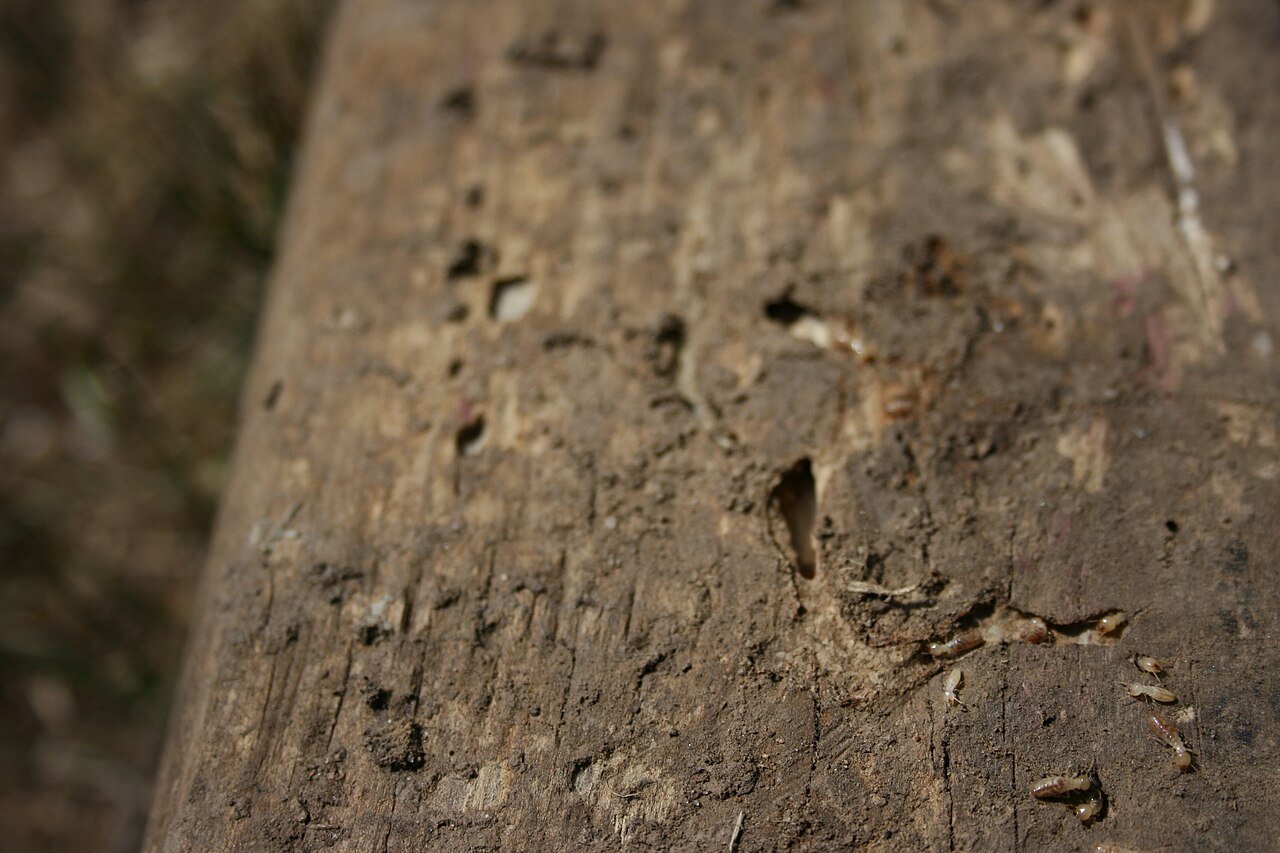
The honest local pattern, from working this housing stock: most Kettering reports come back with something in Section II — and most of that something is history, not emergency. Houses this age carry the drill-hole rows of 1970s–90s treatments in their slab perimeters and the dry, empty galleries of colonies those treatments killed. The skill a transaction needs is an inspector who can tell that archaeology from live activity — fresh mud at an addition seam, moisture-tracked evidence at a bath trap — and say which is which plainly, because the difference is a documented footnote versus a renegotiation. Buyers of estate properties should expect this doubly: a house held fifty years by one family often carries fifty years of termite history and zero paperwork, and the $99 inspection converts that unknown into a lender-ready document.
The Addition-Seam Walk
Our Kettering inspections give specific attention to the junctions between building eras: the enclosed porch’s sill line, the family-room addition’s cold joint, the garage conversion’s grade contact. Those seams are where soil meets wood out of sight — and where a generic four-corner walk misses what a lender’s underwriter would very much like known. It’s the same construction literacy behind our Kettering termite treatment work, pointed at a closing deadline.

Built for the Transaction Timeline
- $99 flat — the NPMA-33 on the 7/1/19 form lenders and VA underwriters accept
- Next business day in Kettering, often same-day when a contingency is burning
- Report the day we inspect — PDF to you, your client, and the lender or title contact you name
- Pay now or at closing — on the settlement statement with the title company, so nobody fronts anything
- Findings? A straight verdict — active versus historical stated in writing, a treatment quote only if one is genuinely warranted, and the re-inspection handled on the same file
Agents: the one-minute booking form takes the address, the closing date, your client’s details, and the payment choice in a single pass — bookmark it and the whole transaction side of termites becomes a tap. The full agent rundown lives on our realtor page.
The Question Behind Every Kettering Report
When a Section II finding does appear, the conversation that follows is usually calmer than buyers expect. Old galleries from a treated colony are as common in this housing stock as crystal doorknobs — documented and explained, they close loans every week. What matters is that the documenting happens before the week of closing: an inspection booked at contract signing leaves room for the rare active finding to be treated and re-inspected without moving the date, while one booked in the final week turns any finding into a fire drill. The $99 price removes the reason anyone waits.
Buying closer to the city? We also schedule termite inspections in Dayton, Ohio — same $99 NPMA-33 report, same next-business-day turnaround for realtors, from our office at 733 Salem Ave.
Frequently Asked Questions
How much does a termite inspection cost in Kettering?
$99 flat for the full WDI inspection with the NPMA-33 report lenders accept — payable at booking or on the settlement statement at closing. Homeowners who just suspect activity (no transaction involved) get a free inspection instead; the $99 is the transaction product with the lender-ready paperwork.
How fast can you inspect before a Kettering closing?
Next business day for most of the city, often same-day when a contingency deadline is tight. Tell us the real drop-dead date when you book and we’ll say immediately whether we can hit it — the report itself goes out as a PDF the day we inspect.
The report found old termite damage — is the deal in trouble?
Usually not, and in Kettering’s remodeled mid-century stock it’s the most common finding there is: dry galleries and old treatment drill holes from colonies killed decades ago. The report separates historical evidence from active infestation plainly — documented history closes loans every week; it’s the undocumented unknown that spooks underwriters.
What does the NPMA-33 actually cover?
The accessible areas of the structure — foundation, crawl or basement, garage, attic access — documented for evidence of termites and other wood-destroying insects, live activity, previous treatment, and damage, with obstructed areas noted. It’s the standardized 7/1/19 form VA, FHA, and conventional lenders accept.
Do VA loans in Kettering require a termite inspection?
VA purchases in Ohio require a WDI inspection, and the NPMA-33 is the document that satisfies it. FHA and conventional lenders order them case-by-case — typically whenever the appraisal notes possible evidence. Either way it’s the same $99 inspection with the same-day report.
What happens if you find active termites?
A straight verdict in writing, a treatment quote only if treatment is genuinely warranted, and the re-inspection handled on the same file once work is done. Booked early in the contingency period, even an active finding usually resolves without moving the closing date.
Who pays for the termite inspection?
Negotiable like everything in a contract — commonly the buyer orders it, though VA transactions shift costs by rule and sellers sometimes pre-inspect to market a clean report. The pay-at-closing option puts the $99 on the settlement statement so whoever’s responsible pays at the table.
Can my client book this themselves, or do agents book it?
Either — the one-minute booking form takes agent and client details in one pass, and plenty of buyers book directly. Agents who work Kettering keep the link bookmarked: greaterdaytonpest.com/realtor.