
“How long do flies live?” sounds like trivia until you’re on day nine of a kitchen fly problem and starting to suspect the answer is “forever.” The real numbers cut both ways: an adult house fly lives just two to four weeks — but in that window one female lays about five hundred eggs, and in Ohio summer heat those eggs become breeding adults in as little as seven to ten days. The lifespan isn’t the story; the turnover is. This page runs the honest clocks for every fly you’re likely to fight indoors — house flies, fruit flies, drain flies, gnats, cluster flies, blow flies — the 24-hour myth and where it actually comes from, why “waiting them out” works for exactly one species on the list, and how the lifespan math tells you where to aim.
The House Fly Clock: Two Weeks of Adult, 500 Eggs of Consequence
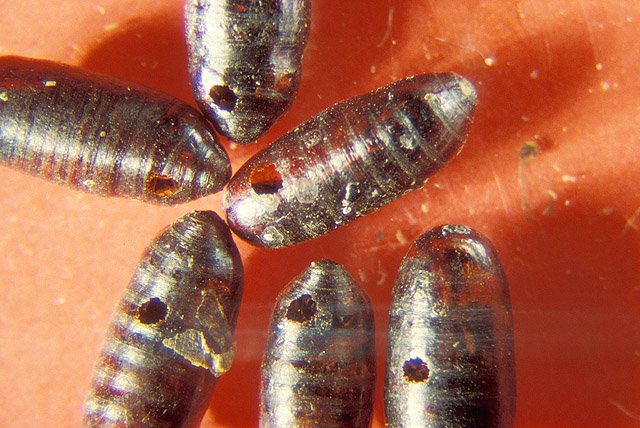
The standard house fly (Musca domestica) lives 15 to 30 days as an adult — a bit less in high heat (metabolism runs faster), a bit more in cool weather, up to two months in ideal lab conditions nobody’s kitchen provides. But adult lifespan is the last chapter of a four-stage book: eggs hatch in under a day in warm conditions; maggots feed for three to five days in whatever organic material the eggs were laid in (garbage, compost, pet waste, that thing in the bottom of the trash can); pupation runs another three to six days; and the emerging adult is laying eggs of her own within two days of her first flight. Egg to egg-laying adult: seven to fourteen summer days. Do the compounding: one gravid female through your June window screen is five hundred eggs across her month, half of them daughters at five hundred each — which is why a “few flies” becomes a fog over a missed garbage day, and why every serious fly strategy on our get-rid-of-flies page aims at the breeding material, not the airborne adults. Killing a flying adult removes one bug with three weeks left; removing the wet garbage removes the next thousand.
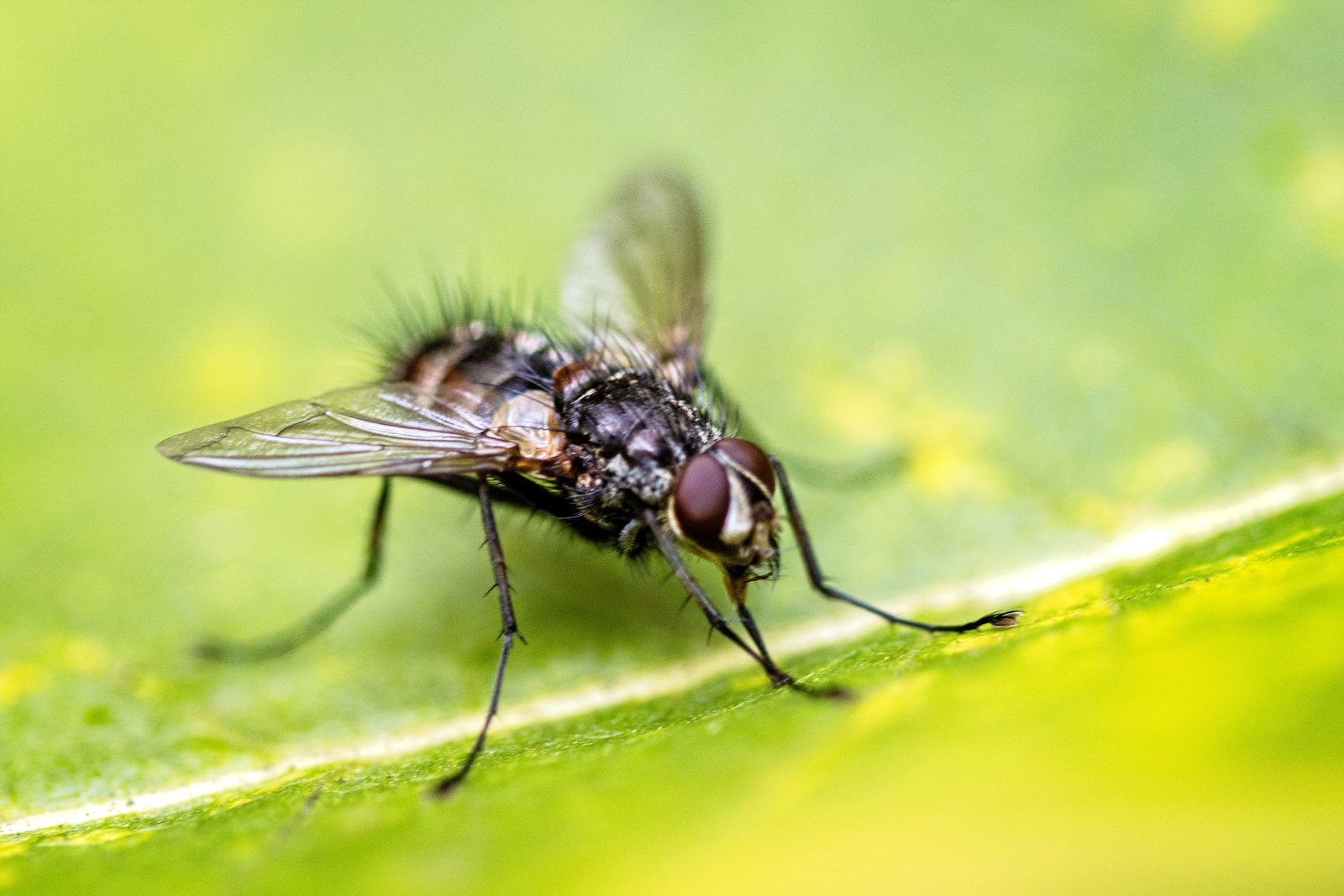
A fly’s short life matters far less than where it is breeding. When the source turns out to be inside the building, our pest control in Dayton is how it gets found.
The 24-Hour Myth (and the Mayfly Behind It)
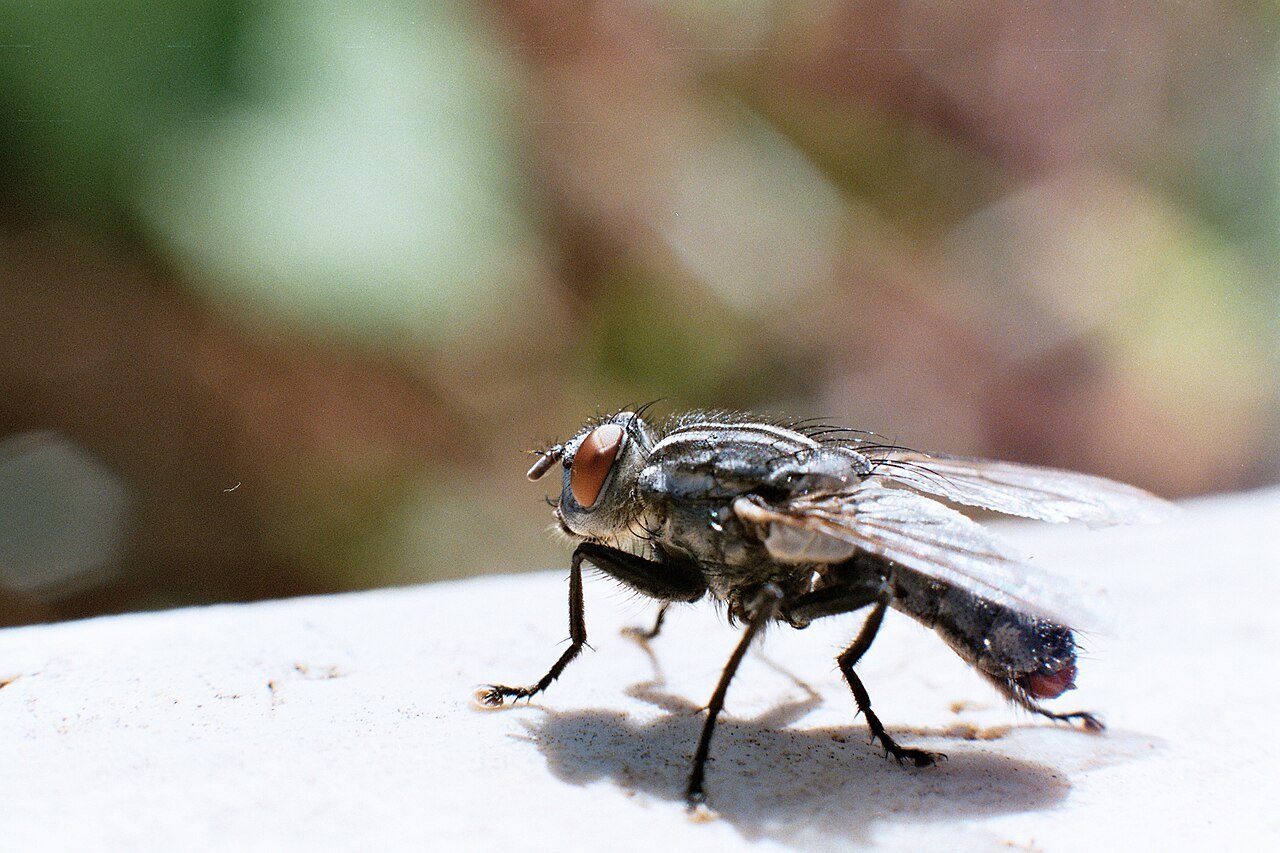
The “flies live for a day” factoid is real biology attached to the wrong insect. It belongs to mayflies — the aquatic-born swarming insects of Ohio’s river towns — whose adult stage genuinely runs from about ninety minutes to a couple of days, because adult mayflies have no working mouthparts and exist purely to mate. (They’re also completely harmless, which is a story our lake-and-river readers already know.) House flies took over the factoid by being the fly everyone sees. There is a kernel worth keeping though: for every fly species, the adult you’re swatting is the shortest, most disposable stage of the animal — the durable, numerous, consequential stages are the ones you can’t see, developing in the breeding material. The myth gets the species wrong but accidentally teaches the right lesson.
The Full Lineup: Lifespan and What It Means for the Fight
- House fly — adult 2–4 weeks, egg-to-adult 1–2 weeks. Verdict: never wait them out; kill the breeding site (garbage, pet waste, compost) and the population collapses in days.
- Fruit fly — adult 2–4 weeks, egg-to-adult as fast as 8 days. The kitchen’s compounding champion: 50–100 eggs a day into anything fermenting. The banana bowl is the nursery; the vinegar trap is cleanup, not strategy.
- Drain fly — adult about 2 weeks, breeding continuously in drain-gunk biofilm. The adults die on schedule and the drain replaces them on schedule; only scrubbing out the film ends the cycle — the full method is on our drain fly page.
- Fungus gnats — adult about 1 week, breeding in damp potting soil. Shortest adult clock in the kitchen lineup, fully explained on the gnat lifespan page — let the soil dry and the week works for you.
- Blow/bottle flies — adult 2–6 weeks, arriving in sudden numbers. A burst of fat metallic-green or blue flies indoors usually announces something dead in a wall or chimney — lifespan is irrelevant; finding the source is everything.
- Cluster flies — adult up to 9–10 MONTHS. The list’s great exception: they breed in earthworms outdoors (not in your house), overwinter as adults in wall voids, and emerge on warm winter days. The long lifespan is why they reappear at windows from October to April — and why they’re the one fly you genuinely can vacuum up and wait out.
What Shortens (and Stretches) a Fly’s Life
Temperature runs the clock both directions: heat accelerates everything — faster breeding, faster aging, faster generations — which is why Ohio’s fly pressure crests in July and August and why a warm kitchen runs faster fly math than a cool garage. Cold does the opposite: below about 45°F house flies go torpid and development stalls, which kills off most outdoor populations by November (cluster flies and wall-void survivors excepted). Food access matters more than people expect — an adult fly needs to feed every couple of days, and a genuinely clean, dry room starves its residents on a schedule. And predation quietly does the rest: spiders, house centipedes, and parasitoid wasps take a steady percentage — one argument among several for not carpet-bombing the basement food web over a fly problem. The practical lever in every case is the same: you can’t meaningfully shorten adult lifespan, but you can always shorten the population’s lifespan by closing the nursery.
“Can I Just Wait Them Out?” — the Species-by-Species Verdict
Cluster flies: yes. They can’t breed indoors; vacuum the window-sill gatherings and let winter attrition do the rest (prevention is a fall exclusion job). A single house fly or blow fly that got in: sure — swat it or open a window; no breeding site, no problem. Everything else: no. Fruit flies, drain flies, fungus gnats, and any house fly presence with a source in the building are self-renewing systems — the adults you see die on schedule and are replaced ahead of schedule, indefinitely. The test that sorts “visitor” from “system” costs nothing: note the count for three consecutive days. Falling toward zero means visitors aging out — wait away. Steady or rising means a nursery in the building, and every day of waiting adds a generation. Persistent flies with no findable source have their own page-worth of dark-horse causes — a dead animal in a void, a dry floor drain in the basement, a forgotten potato bag — and that hunt is honestly where a professional eye earns its fee fastest; it’s a favorite party trick of our same-week service.
Flies outlasting your patience and your swatter? Tell us what you’re seeing — species, room, and how long — and we’ll find the nursery. Serving Dayton and all of Montgomery, Greene, Miami, Clark, Warren, Butler, Preble, and Darke counties.
The Generation Game: Turning Fly Math to Your Advantage
The same compounding that makes flies terrifying makes them fragile, because every stage of the pipeline has a non-negotiable requirement you can deny. Eggs and maggots need wet organic material — not crumbs, not dust; wet — which is why the entire house fly war is won at the garbage can (tight lid, bag tied, can rinsed), the compost bin (sealed or turned), the pet-waste zone (daily pickup in fly season), and the drain (where the biofilm method applies). Pupae need a few undisturbed days — routine cleaning of the floors and corners near breeding sites interrupts them mechanically. Adults need daily liquid food and access — screens in repair, doors that close, fruit refrigerated, counters dry overnight. Deny any single stage completely and the generation chain breaks; deny two and it breaks fast. A fly population is a wheel that must keep turning — seven-day generations mean seven-day vulnerability, and a source-focused week of denial beats a summer of swatting by three orders of magnitude.
That’s also the honest frame for professional fly work: our value isn’t a better spray — it’s a faster, more experienced answer to “where is the wheel turning?” In commercial kitchens we back it with monitoring and exclusion programs, because in food service the fly math never sleeps and neither does the health inspector’s checklist.
One Ohio Calendar Note: the Two Fly Seasons
Around Dayton the fly year has two distinct peaks worth planning for. The July–August surge is pure generation math — heat compressing house fly and fruit fly life cycles to their minimums, every garbage day skipped costing double. The October window rush is different: cluster flies and a few lookalikes staging into south-facing walls for winter, which is an exclusion story (seal the gaps by late September) rather than a sanitation one. Homeowners who know which season they’re in aim at the right target automatically — wet organic sources in summer, entry gaps in fall — and the ones who don’t tend to spend October scrubbing an already-clean kitchen while the wall voids fill behind them. Two seasons, two fights, one calendar.
And for the reader who arrived here mid-crisis wanting one actionable sentence: identify which fly you have (size, color, where it hovers), find what it’s breeding in (wet, organic, within fifty feet), and remove that — the lifespans on this page guarantee the visible problem resolves within two weeks of the source going away, every time, for every species except the wall-void winter guests. That guarantee is the entire practical value of knowing how long flies live.
Frequently Asked Questions
How long does a house fly live?
15 to 30 days as an adult — but she’s laying within two days of emerging and produces around 500 eggs across her month. Egg to egg-laying adult runs 7–14 summer days, which is why the population math matters infinitely more than the individual lifespan.
Do flies really live only 24 hours?
No — that factoid belongs to mayflies, whose mouthless adults live hours to a couple of days. House flies live weeks. The myth’s accidental lesson is still sound: the adult is the shortest, least important stage of any fly’s life.
How long do fruit flies live?
Two to four weeks as adults, with egg-to-adult as fast as eight days and 50–100 eggs laid daily into anything fermenting. A fruit fly problem is never aging out on its own while the source (ripe fruit, drain gunk, a forgotten juice spill) remains.
Can I wait for flies to die on their own?
Only for cluster flies (they can’t breed indoors — vacuum and wait) and the odd single fly that wandered in. Fruit flies, drain flies, gnats, and sourced house flies are self-renewing: adults die on schedule and are replaced early. Three days of counts sorts it — falling means wait, steady means find the nursery.
Why do flies keep coming back no matter how many I kill?
Because you’re harvesting the adult 10% while the egg-maggot-pupa pipeline replaces them from breeding material somewhere — garbage, drains, potting soil, pet waste, or something dead in a void. Kill the source and the flies stop; kill the flies and the source doesn’t care.
How long can a fly live without food?
Only two or three days — adults must feed regularly on liquids and dissolved sugars. A genuinely clean, dry, sealed room starves its fly population on a faster schedule than most sprays achieve.
What are the big slow flies in my house in winter?
Cluster flies — the lineup’s longevity champions at up to 9–10 months, overwintering as adults in your wall voids and emerging at windows on warm days October through April. They breed in earthworms outdoors, never in the house; the fix is fall exclusion, and the winter remedy is a vacuum.
A swarm of shiny green flies appeared indoors overnight — why?
Blow flies hatching in numbers mean a carcass in a wall, attic, or chimney — a mouse or bird that died in a void. Their lifespan is beside the point; the source needs finding and removing, and the burst ends with it.
Does killing flies with a swatter actually help?
Marginally and satisfyingly — each kill removes weeks of future egg-laying — but it’s cleanup, not control. The honest hierarchy: source removal first, screens and exclusion second, traps third, the swatter for morale.