
Brookville’s roach file lives at its exit. The town itself runs the low-pressure profile of every detached-housing village — no apartment blocks, no shared-wall highways, a housing stock the species can’t colonize by walking — but the I-70 interchange runs a different economy: fuel-station food service, convenience kitchens, and drive-through operations fed by regional distribution trucks and visited by traveler traffic from every state on the map. Cockroach control in a highway town splits accordingly: the exit’s commercial corridor carries genuine standing pressure — delivery-borne introductions arriving on the same trucks that stock every interstate exit in America — while the village behind it stays quiet, touched only by what individual households carry home. We call it the exit-ramp file, and its geometry is the good news: the pressure concentrates where the programs can watch it, and the town’s kitchens sit comfortably upstream.
The Corridor’s Standing File
Interstate-exit food service runs the highest introduction rate in the roach economy for structural reasons: restock deliveries arrive daily from warehouse networks (cardboard, the egg case’s vehicle of choice, by the pallet), the kitchens run warm and wet around the clock, and the format’s staffing and turnover make monitoring discipline the difference between an intercepted introduction and an established population. The corridor program is the commercial standard tuned for the format: monitor density at receiving and the drink-station plumbing (the two arrival-and-harborage poles of a convenience kitchen), cardboard broken down at the door as policy, gel-and-growth-regulator work on the harborage map, and the monthly logbook that keeps corporate audits and health inspections boring. For the operators, the honest sell is uptime: an exit kitchen’s reputation is its traffic, and the monitor trend line that catches an introduction at insect three is the cheapest insurance the format can buy.
The Village Upstream
Behind the exit, Brookville’s residential file runs the village standard with the usual local color: June’s wood roaches off the Wolf Creek tree lines blundering to porch lights (outdoor species, can’t infest, acquitted free by photo), the occasional basement “water bug” commuting through the older core’s laterals, and genuine German cases arriving the only way they arrive in detached housing — carried, in moving boxes, secondhand appliances, and storage totes. The working-parcel note: outbuilding storage runs the same cardboard logic as everywhere — box lots wintered in the barn come back inside through the garage with a flashlight check, not straight to the kitchen. Confirmed cases clear in the single-course standard, import route audited, no subscription attached, because a village kitchen with no shared walls doesn’t reinfest — it re-imports, and the audit closes that door.
The Brookville Program
- Corridor accounts: the convenience-format program — receiving-zone monitors, cardboard policy, harborage-mapped baiting, and the logbook that keeps audits boring
- Village verdicts: free photo ID first — the June acquittal is the most common outcome in town, and only confirmed cases get quoted
- The single-course standard: detached-housing cases cleared in one gel-bait course with follow-up, import route audited
- The storage-tote rule: barn-wintered box lots checked in the garage — the working parcel’s one genuine roach habit
The honest close: Brookville’s two roach economies barely touch — the corridor’s pressure stays commercial, the village’s stays imported, and a household’s actual risk tracks its own thresholds, not the exit’s traffic. Which means the guard posts are known, the programs fit them, and the free verdict answers every worried sighting in between. The town’s full pest picture lives on our Brookville service page.
Guard the Ramp, Acquit the Village
Corridor kitchens get the format’s program — monitors, policy, logbook — and village households get free verdicts, the threshold habit, and the single course when one’s earned. Two economies, two answers, one honest phone number.
Frequently asked questions
Does living near the I-70 exit increase my home’s roach risk?
No — that’s this file’s geometry: the corridor’s pressure is commercial, arriving on distribution trucks and staying in the kitchens the programs watch. A village household’s risk tracks its own thresholds — what gets carried in — not the exit’s traffic.
Why do interstate-exit kitchens need standing roach programs?
Structure, not sloppiness: daily warehouse deliveries by the cardboard pallet, kitchens warm and wet around the clock, and staffing turnover that makes monitoring discipline decisive. The monitor trend line catching an introduction at insect three is the format’s cheapest insurance.
What does the corridor program actually include?
Monitor density at the two poles — receiving and the drink-station plumbing — cardboard broken down at the door as policy, harborage-mapped gel and growth regulator, and the monthly logbook that keeps health inspections and corporate audits boring.
I saw a roach on my porch screen in June — what is it?
Almost certainly a wood roach off the Wolf Creek tree lines — an outdoor species that flies to porch lights, arrives singly, and cannot breed indoors. The photo verdict is free, and this acquittal is the most common outcome in town.
What are the big reddish roaches in my basement?
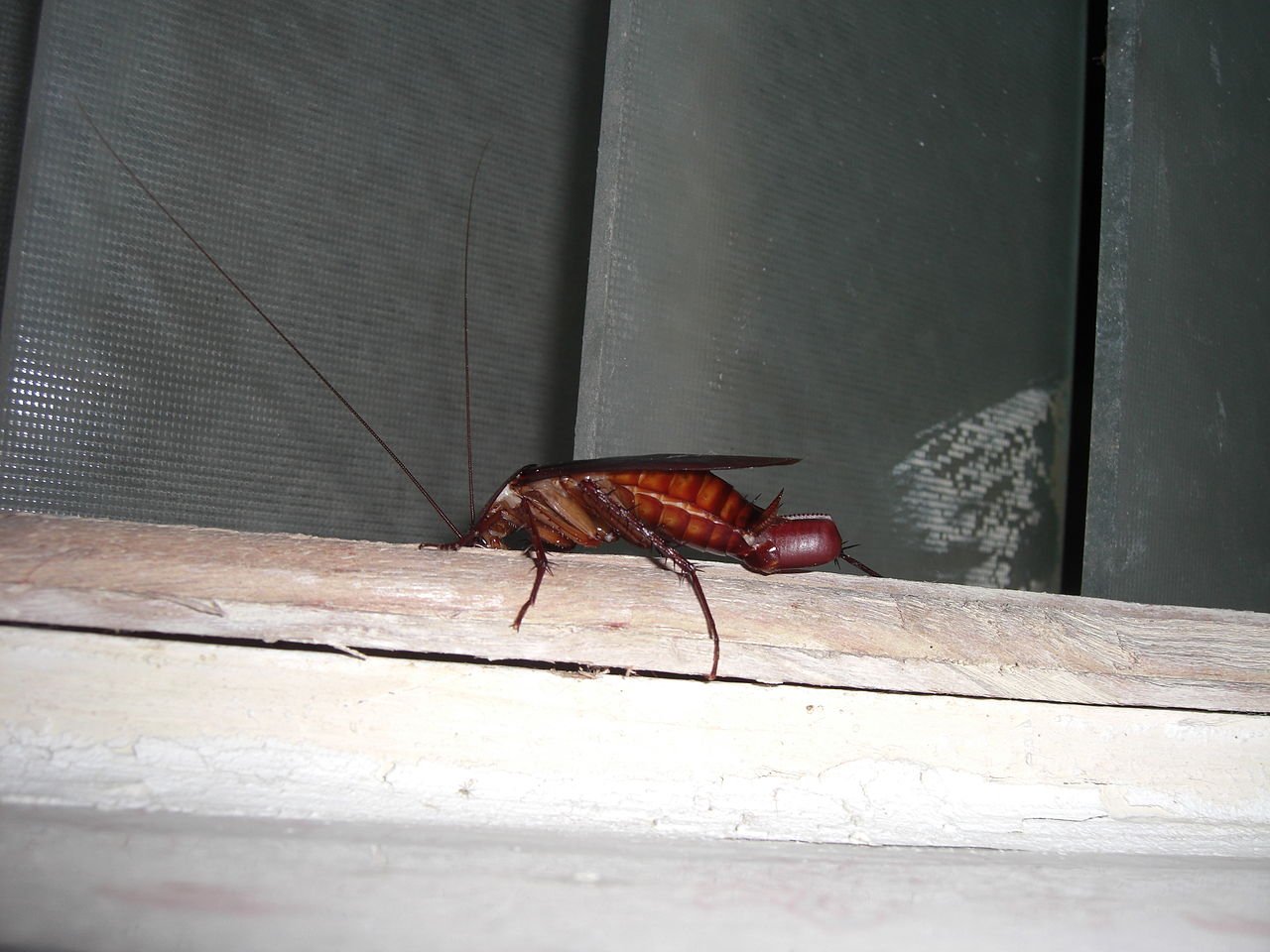
American cockroaches commuting through the older core’s sewer laterals — a drain-and-moisture file, not a housekeeping one, and not evidence of a kitchen problem. Different species, different answer, same free photo sorting.
How would a real case start in a Brookville house?
Carried: moving boxes, secondhand appliances, storage totes — and on working parcels, the barn-wintered box lot coming back inside. The flashlight check in the garage before anything reaches the kitchen is the village’s whole defense.
Will a confirmed case need ongoing service?
In detached housing, no: one gel-bait course with the follow-up check clears an early-caught case, and no shared walls means no reinfection — only re-importation, which the route audit closes. We price it as one job because that’s what it is.
What does cockroach control cost in Brookville?
Corridor programs quote by facility on the monthly calendar; village verdicts are free; confirmed house cases run the flat single-course price with the follow-up included — and the storage-tote counsel comes free with every working-parcel visit.
For the rest of what this town actually deals with, see wasp & hornet removal in Brookville and rodent control in Brookville.